
Multi-System Illnesses In Pet Birds: Symptoms, Causes, Care
Essential guide to recognizing, preventing, and treating disorders that impact various organs in companion birds for healthier avian companions.
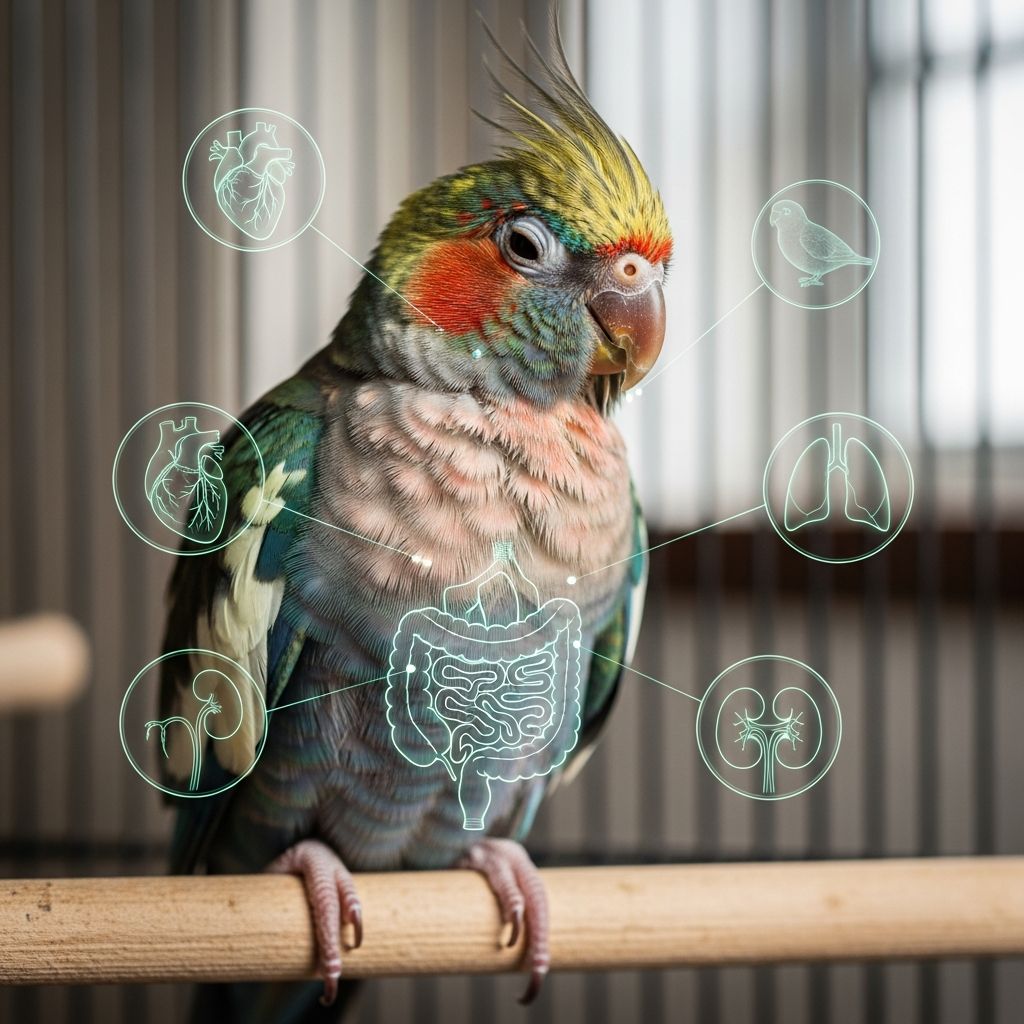
Pet birds such as parrots, cockatiels, finches, and canaries often face health challenges that affect more than one body system simultaneously. These conditions can involve the respiratory tract, digestive organs, nervous system, and immune responses, leading to rapid deterioration if not addressed promptly. Understanding these illnesses helps owners provide timely intervention and improve their bird’s quality of life.
Understanding Multi-System Disorders
Multi-system disorders occur when pathogens or nutritional imbalances disrupt normal functions across organs. For instance, viruses like avian bornavirus can inflame the digestive tract and nerves, while bacteria such as Mycoplasma species target both respiratory and joint tissues. Early detection relies on observing subtle changes like lethargy, weight loss, or abnormal droppings.
These illnesses spread through contaminated food, water, air, or direct contact in shared aviaries. Stress from poor diet, overcrowding, or environmental changes weakens immunity, making birds susceptible. Preventive measures include balanced nutrition, clean habitats, and regular veterinary check-ups.
Viral Threats to Avian Health
Viral infections pose significant risks due to their high contagiousness and ability to target multiple organs. Newcastle Disease Virus (NDV) affects over 250 bird species via fecal-oral or respiratory routes, causing hemorrhages in the trachea or intestines depending on the strain. Wild birds serve as reservoirs, introducing it to pet collections.
Proventricular Dilatation Disease (PDD), linked to bornavirus, primarily strikes macaws and other parrots. It leads to chronic weight loss, regurgitation, and nerve damage, often proving fatal without supportive care. Psittacine Beak and Feather Disease (PBFD) suppresses bone marrow in young African Greys and cockatiels, resulting in feather loss and immune failure.
Adenoviruses, including those causing Inclusion Body Hepatitis (IBH), manifest as respiratory issues, diarrhea, and reduced egg production in fowl and related pets. Marek’s Disease, caused by a herpesvirus, induces lymphoid organ atrophy and transient paralysis in young chickens and similar species.
- Key Symptoms: Nervous signs like tremors, enteric issues such as bloody droppings, and respiratory distress.
- Transmission: Direct contact, aerosols, or fomites.
- Management: Vaccination where available, quarantine, and supportive therapy.
Bacterial Infections Across Organs
Bacteria frequently cause widespread inflammation. Chlamydiosis, from Chlamydia psittaci, impacts lovebirds, macaws, and pigeons with respiratory distress, diarrhea, and liver enlargement. Acute cases show fibrinous pericarditis and pneumonia.
Mycoplasma gallisepticum infects a broad range including chickens, turkeys, and pet quail, leading to sinusitis, pneumonia, and airsacculitis. Mycoplasma synoviae causes arthritis in joints alongside respiratory lesions, while Mycoplasma meleagridis in turkeys results in airsacculitis and poor hatchability.
Salmonella spreads in crowded feeders, causing enteritis and systemic infection in backyard and pet birds. These pathogens thrive in moist environments, emphasizing the need for dry, hygienic enclosures.
| Bacterium | Affected Species | Primary Symptoms | Organs Involved |
|---|---|---|---|
| Chlamydia psittaci | Parrots, pigeons | Labored breathing, green droppings | Respiratory, liver, spleen |
| Mycoplasma gallisepticum | Chickens, turkeys, quail | Swollen sinuses, coughing | Respiratory, air sacs |
| Mycoplasma synoviae | Chickens, turkeys | Lameness, joint swelling | Joints, respiratory |
Fungal and Parasitic Multi-System Challenges
Fungal infections like aspergillosis target African Greys and other parrots, causing breathing difficulties, lethargy, and lung granulomas. Inhaled spores from moldy bedding infiltrate respiratory and systemic circulation.
Parasites such as Giardia lamblia in cockatiels provoke itching, loose stools, and self-mutilation under wings. Blackhead (histomoniasis) affects turkeys and chickens via cecal worms, leading to liver necrosis and cecal damage. Coccidiosis multiplies in intestines, causing bloody diarrhea and high mortality in young birds.
Yeast infections with Candida in cockatiels result in regurgitation, weight loss, and gastrointestinal inflammation. These opportunistic pathogens exploit weakened immunity from stress or poor diet.
Nutritional Deficiencies Mimicking Infections
Nutritional shortfalls often present as multi-system failures. Curled toe paralysis from riboflavin (B2) deficiency strikes young chicks, impairing nerves and mobility. Encephalomalacia, or “crazy chick disease,” stems from vitamin E lack, causing brain softening and coordination loss.
Rickets arises from imbalanced calcium, phosphorus, and vitamin D3, weakening bones and growth in all birds. Amazons on seed-only diets suffer vitamin A deficiency, leading to respiratory infections and cloacal papillomas.
- Prevention Tips: Offer pelleted feeds supplemented with fresh vegetables and fruits.
- Signs to Watch: Weakness, deformed bones, or neurological tremors.
Environmental and Zoonotic Risks
West Nile Virus (WNV), transmitted by mosquitoes, causes meningoencephalitis and myocarditis in various birds, with feral species acting as amplifiers. Avian influenza strains like H1N1 pose respiratory and enteric threats.
Zoonotic fungi such as histoplasmosis from bird droppings disseminate via bloodstream, risking meningitis in immunocompromised humans. Pet owners must use protective gear during cleaning and ensure vector control.
Diagnosis and Veterinary Interventions
Diagnosis involves fecal exams, blood tests, radiographs, and biopsies. For PDD, crop biopsies confirm nerve dilation; PBFD requires PCR testing. Necropsies reveal pathognomonic lesions like gliosis in viral encephalitides.
Treatments include antibiotics for bacteria (e.g., doxycycline for chlamydiosis), antifungals like itraconazole for aspergillosis, and supportive fluids/nutrition. Quarantine isolates affected birds for 4-6 weeks.
Prevention Strategies for Healthy Flocks
Maintain optimal humidity (40-60%), temperature (70-80°F), and UV lighting. Disinfect with bird-safe products weekly. Introduce new birds after 45-day quarantine and testing.
Vaccinate against available diseases like Marek’s in poultry species. Monitor weights weekly and provide enrichment to reduce stress-induced immunity dips.
Species-Specific Vulnerabilities
African Greys: Prone to aspergillosis and PBFD.
Amazon Parrots: Vitamin A deficiency, feather picking.
Cockatiels: Giardia, Candida.
Lovebirds: Chlamydiosis, egg binding.
Macaws: PDD, papillomatosis.
Frequently Asked Questions (FAQs)
What are the first signs of multi-system illness in my pet bird?
Look for fluffed feathers, reduced appetite, abnormal droppings, or respiratory noises. Prompt vet visits save lives.
Can I treat bacterial infections at home?
No, antibiotics require veterinary prescription to avoid resistance and ensure correct dosing.
How do I prevent viral spread in my aviary?
Quarantine newcomers, limit wild bird contact, and vaccinate where possible.
Is aspergillosis contagious to humans?
Rarely, but immunocompromised individuals should avoid moldy environments.
What diet prevents nutritional multi-system issues?
80% pellets, 20% veggies/fruits; avoid all-seed diets.
References
- Poultry and Avian Diseases — PMC – NIH. 2020-04-07. https://pmc.ncbi.nlm.nih.gov/articles/PMC7152037/
- Avian Diseases for Concern — University of Maryland Extension. 2023-01-15. https://extension.umd.edu/resource/avian-diseases-concern
- Common Conditions of Pet Birds — VCA Animal Hospitals. 2024-05-20. https://vcahospitals.com/know-your-pet/common-conditions-of-birds
- Bird Diseases – NC Wildlife — NC Wildlife Resources Commission (.gov). 2023-11-10. https://www.ncwildlife.gov/connect/have-wildlife-problem/wildlife-conflicts/common-wildlife-diseases/bird-diseases
- Threats to Birds: Disease — U.S. Fish & Wildlife Service (.gov). 2024-02-14. https://www.fws.gov/story/threats-birds-disease
Similar Articles








Read full bio of medha deb


