
Multi-Colored Pet Birds: A Complete Guide
Discover vibrant multi-colored birds perfect for your avian companion.
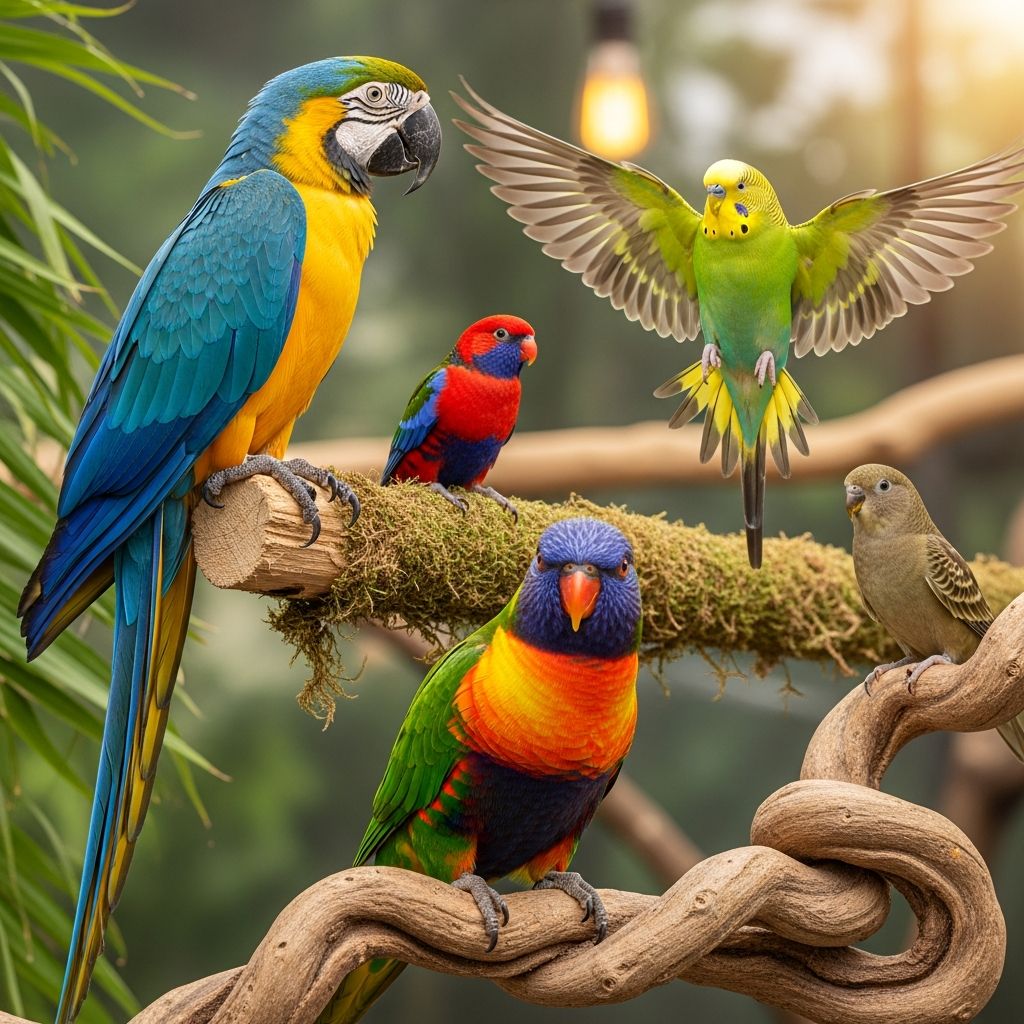
Multi-Colored Pet Birds: A Complete Avian Guide
The world of pet birds is filled with remarkable diversity, and among the most captivating are those adorned with multiple vibrant colors. Multi-colored birds combine stunning visual appeal with engaging personalities, making them exceptional choices for bird enthusiasts. These species showcase nature’s artistry through their intricate plumage patterns, which often feature a blend of contrasting hues, iridescent feathers, and distinctive markings. Whether you’re a seasoned bird keeper or considering your first feathered companion, understanding the characteristics and care requirements of multi-colored birds is essential for ensuring their health and happiness.
Understanding Multi-Colored Bird Species
Multi-colored birds represent a diverse category of avian species that display two or more prominent colors in their plumage. This colorful appearance serves various biological purposes, from species and mate recognition to territorial displays. The vibrant hues found in multi-colored birds often result from pigmentation in their feathers, which can include melanins for darker shades and carotenoids for brighter yellows, oranges, and reds. Understanding the origin of these colors helps bird owners appreciate the unique beauty of their feathered companions.
The Hawk-Headed Parrot: A Standout Species
Among the most striking multi-colored birds is the hawk-headed parrot, a species that truly embodies the combination of beauty, intelligence, and bold personality. These remarkable parrots are distinguished by their dramatic crest, which they raise when excited, displaying vibrant feather patterns that can include shades of red, blue, and green. The hawk-headed parrot’s expressive behaviors and playful demeanor make them standout specimens among parrot species, captivating observers with their dynamic interactions and complex social behaviors.
Hawk-headed parrots are known for their intelligence and ability to learn complex tasks, though they require experienced care to thrive as pets. These birds demand substantial mental stimulation, social interaction, and specialized housing to prevent behavioral problems. Their bold personalities mean they are not suitable for first-time bird owners, but for dedicated enthusiasts, they offer an incredible companionship experience.
Popular Multi-Colored Pet Bird Species
Several multi-colored bird species have gained popularity among pet bird enthusiasts due to their stunning appearance and engaging personalities. Each species brings unique characteristics and care requirements to the table.
Macaws: The Gentle Giants
Macaws are renowned as gentle giants of the parrot world, displaying spectacular multi-colored plumage that ranges from brilliant blues and greens to vibrant yellows and reds. These large, sociable birds love spending time playing and cuddling with their owners, making them exceptional companions for those with the space and commitment to care for them properly. The striking appearance of macaws, combined with their friendly nature, has made them one of the most sought-after large pet birds.
African Grey Parrots: Intelligent Beauties
African Grey parrots are renowned for their exceptional intelligence and distinctive grey and red coloration. These highly cognitive birds require substantial mental stimulation and attention to maintain their psychological well-being. Their striking appearance, combined with their remarkable talking ability and problem-solving skills, makes them extraordinary pets for experienced owners willing to invest significant time in their care and enrichment.
Cockatoos: Affectionate and Attention-Seeking
Cockatoos are large, beautiful birds that often display multi-colored plumage, particularly in species like the Sulphur-crested and Moluccan varieties. These birds bond strongly with their owners and love being the center of attention. However, they require substantial socialization and can become destructive if not given enough love and mental stimulation. Their dramatic white plumage with colorful crests creates a striking visual impression that draws admiration from bird lovers worldwide.
Rainbow Lorikeets and Pied Mutations
Rainbow lorikeets are celebrated for their stunning multi-colored plumage featuring combinations of red, blue, yellow, and green feathers. A particularly rare and fascinating variation is the pied mutation rainbow lorikeet, where a genetic mutation replaces expected colors with patches of other colors, creating a unique and irregular pattern. These birds are not only visually spectacular but also highly interactive and playful, making them entertaining and engaging pets.
Conures: Small Parrots with Big Color
Conures, such as the Jenday and Sun conure varieties, resemble small macaws and display very colorful plumage with multiple vibrant hues. Though they have louder vocalizations for their size and limited talking ability compared to larger parrots, hand-raised conures develop friendly personalities and make good pets. Their manageable size combined with their striking appearance makes them attractive options for bird owners with space constraints.
Color Variations and Genetics in Pet Birds
The diversity of colors seen in multi-colored birds results from complex genetic factors that determine feather pigmentation and patterning. Understanding these genetic principles can help bird owners appreciate the rarity of certain color mutations and variations.
Natural Color Patterns
Most multi-colored birds display colors that serve important biological functions in their native habitats. These natural patterns aid in species recognition, mate selection, and territorial communication. The iridescent feathers found in many colorful species, such as lorikeets and hummingbirds, create shimmering effects that are particularly striking in sunlight.
Color Mutations and Rare Variations
Selective breeding has produced various color mutations in captive bird populations, creating unique variations not seen in wild birds. Some of these mutations, such as the pied mutation in rainbow lorikeets, are exceptionally rare and highly prized by collectors. These mutations demonstrate how genetic variation can create stunning visual diversity within species.
Choosing Multi-Colored Birds for Different Situations
Selecting the right multi-colored bird depends on your experience level, available space, and commitment to pet care. The following considerations help guide your decision-making process.
For Beginning Bird Owners
Those new to bird ownership should consider smaller, more manageable multi-colored species such as canaries, which are known for their sweet singing voices and cheerful dispositions, or budgies, which are affectionate, easy to train, and relatively low-maintenance despite their small size. These species require less intensive care than larger parrots while still offering beautiful coloration and engaging personalities.
For Family Environments
Families seeking multi-colored bird companions should consider cockatiels or lovebirds, which are affectionate and enjoy interacting with people. These medium-sized birds balance the need for social interaction with manageable care requirements, making them suitable for households with multiple family members. Their colorful plumage and expressive behaviors make them excellent educational companions for children.
For Experienced Bird Enthusiasts
Experienced bird owners seeking a challenge and deeper companionship should explore larger, more intelligent multi-colored species such as African Greys, cockatoos, or macaws. These birds require significant time, attention, and expertise to thrive, but they offer incredible rewards for dedicated caregivers who understand their complex needs.
Housing and Environmental Considerations
Providing appropriate housing for multi-colored birds is crucial for their physical and psychological health. The type and size of housing needed depends on the specific species you choose.
Cage Size and Design
Each bird should have its own cage that provides adequate space for movement, wing stretching, and natural behaviors. Larger species like macaws and African Greys require substantially more space than smaller varieties like canaries or finches. Cage bars should be appropriately spaced to prevent injury, and the design should include perches of varying diameters to promote foot health.
Multi-Bird Household Considerations
If you’re maintaining a multi-bird household with different species or colors, careful attention must be paid to social compatibility and housing arrangements. Generally, each bird should have its own separate cage for safety and well-being. While birds of the same species may cohabitate under certain conditions, color variations in birds don’t determine compatibility—factors like temperament, size differences, and individual personalities are more important considerations.
When housing budgies or other small birds together, the color of the birds is irrelevant; compatibility depends on behavioral factors. If you want birds to remain tame and interactive with humans, housing them separately is advisable, as birds caged together often bond with each other and become less willing to be handled. Always maintain even numbers of birds in shared spaces, using either all birds of the same sex or equal numbers of males and females to prevent bullying and pairing behaviors.
Nutritional Needs and Diet
Maintaining vibrant plumage in multi-colored birds requires a well-balanced diet rich in essential nutrients. Different species have varying dietary requirements, but certain principles apply across most captive bird populations.
Balanced Nutrition for Color Maintenance
The bright colors displayed by multi-colored birds often depend on nutritional factors, particularly carotenoid intake for reds and yellows. A varied diet including fresh fruits, vegetables, quality pellets, and limited nuts ensures that birds receive the vitamins, minerals, and nutrients necessary to maintain their vibrant plumage. Dietary deficiencies can result in dull, discolored feathers and health problems.
Training and Socialization
Multi-colored birds, particularly parrots and parakeets, are highly intelligent and benefit tremendously from training and regular social interaction. These activities provide essential mental stimulation and strengthen the bond between birds and their caretakers.
Speech and Sound Training
Many multi-colored parrot species can learn to mimic human speech and sounds. Budgies are particularly adept at learning to talk, while cockatiels can learn to whistle and mimic tones. African Greys and macaws have exceptional talking abilities and can develop vocabularies of hundreds of words when properly trained and stimulated.
Health and Veterinary Care
Maintaining the health of multi-colored birds is essential for preserving their vibrant appearance and ensuring their longevity. Regular veterinary checkups, appropriate exercise, and environmental enrichment contribute to overall wellness.
Common Health Concerns
Multi-colored birds are susceptible to various health issues including feather plucking, nutritional deficiencies, and behavioral problems stemming from insufficient mental stimulation. Regular interaction with an avian veterinarian ensures that health problems are identified and treated promptly.
Frequently Asked Questions
Q: What is the most colorful pet bird species?
A: Rainbow lorikeets are among the most colorful pet bird species, displaying vibrant combinations of red, blue, yellow, and green. Macaws and African Grey parrots also display stunning multi-colored plumage that rivals other species.
Q: Can different colored birds live together peacefully?
A: Color is not a determining factor in whether birds can cohabitate. Behavioral compatibility, size compatibility, and individual personalities matter far more than plumage color. Separate caging is generally recommended for safety and to ensure birds remain tame and interactive with humans.
Q: How long do multi-colored pet birds typically live?
A: Lifespans vary significantly by species. Smaller birds like canaries may live 10-15 years, while larger parrots like African Greys and macaws can live 50-80 years, making them lifetime commitments.
Q: Are multi-colored birds expensive to maintain?
A: Costs vary based on species. Smaller birds are relatively inexpensive, while large parrots require substantial investment in housing, food, veterinary care, and enrichment. Advanced species like African Greys and macaws are particularly expensive to maintain properly.
Q: What special care do rare color mutations require?
A: Rare mutations like pied rainbow lorikeets require the same basic care as normally colored birds but may have higher market value. Ensure any rare bird comes from ethical breeding practices and reputable sources.
References
- Hawk-Headed Parrot Behavior and Care — Lafeber Co. 2024. https://lafeber.com/pet-birds/color/multi-colored/
- Different Colored Budgies Housing and Compatibility — Lafeber Co. September 14, 2020. https://lafeber.com/pet-birds/questions/different-colored-budgies/
- Managing a Multi-Bird Household: By the Numbers — Lafeber Pet Birds Webinar Series. 2024. https://www.youtube.com/watch?v=wjIAv7vGCFE
- Different Types of Pet Birds: A Complete Guide for Bird Lovers — KwikPets. 2024. https://www.kwikpets.com/blogs/bird/different-types-of-pet-birds
- Spotting A Rare Beauty: Pied Mutation Rainbow Lorikeet — Lafeber Co. 2024. https://lafeber.com/pet-birds/spotting-a-rare-beauty-pied-mutation-rainbow-lorikeet/
Similar Articles








Read full bio of medha deb


