

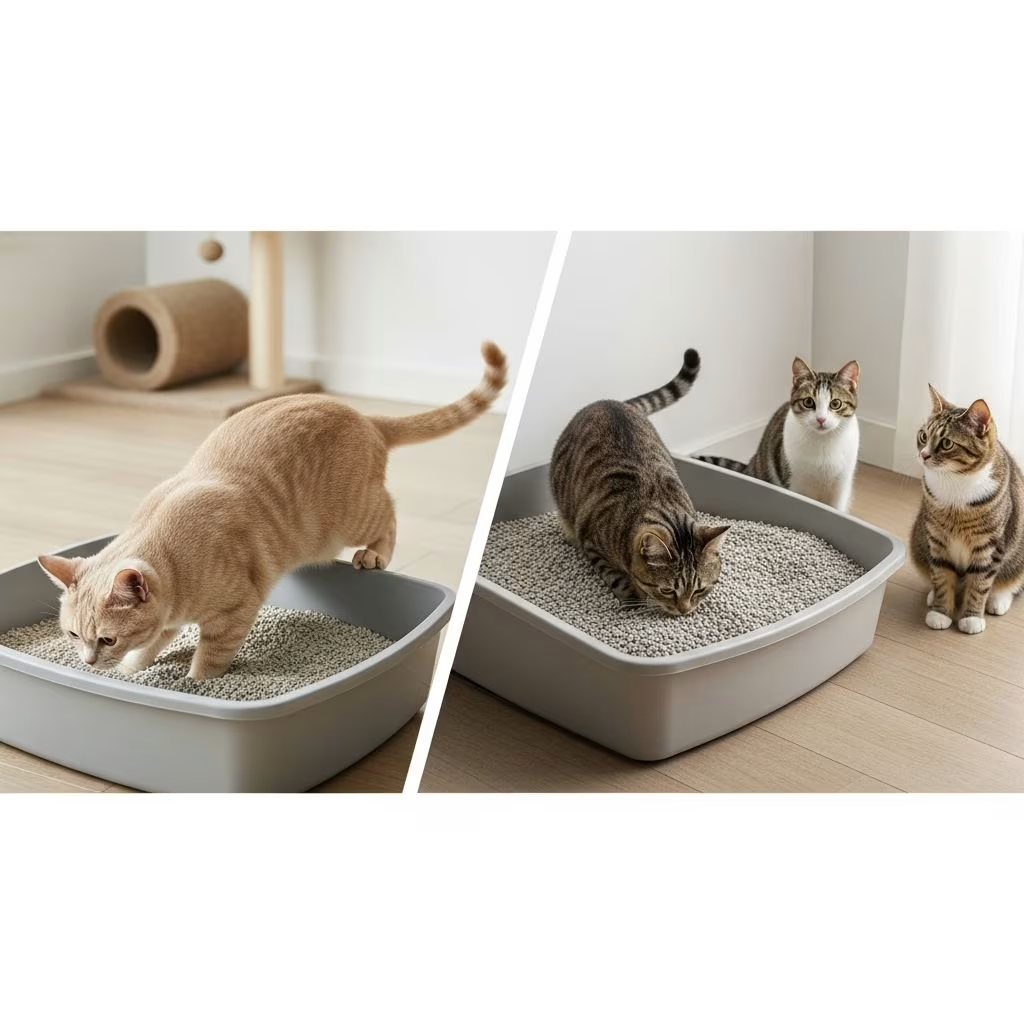
Multi-cat litter formulations are engineered for households with more than one feline, providing superior odor neutralization and robust clumping compared to standard litters designed for single-cat use. These specialized products help maintain cleanliness in shared litter boxes, reducing maintenance time and keeping environments odor-free.
Understanding Cat Litter Basics
Cat litter serves as the foundation for feline hygiene, absorbing moisture, controlling smells, and enabling easy waste removal. Traditional litters, often clay-based, come in clumping and non-clumping varieties, while modern options include natural materials like corn, walnut, or silica crystals. Clumping litters form solid masses around urine and feces, simplifying scooping, whereas non-clumping types require more frequent full changes.
For single cats, standard litters suffice, but multi-cat homes demand enhanced performance due to increased waste volume. Multi-cat litters typically incorporate stronger deodorizers and higher absorbency agents to handle the load.
Core Features of Multi-Cat Litter
Designed explicitly for multiple pets, multi-cat litter emphasizes heavy-duty odor control with added neutralizers that target ammonia and bacterial smells on contact. These litters often feature bentonite clay or plant-based clumping agents for tight, scoopable clumps even under high usage.
- Enhanced Odor Blockers: Formulas include multiple layers of scent neutralizers, outperforming basic litters in busy households.
- Superior Clumping: Creates firm clusters that resist breaking, ideal for frequent scooping in shared boxes.
- Low Dust: Reduces airborne particles, benefiting respiratory health for cats and owners.
How Regular Litter Performs
Standard cat litter caters to lighter use, with basic absorption and milder odor control. Non-clumping clay absorbs liquids but doesn’t solidify waste, necessitating complete box dumps every few days. Clumping versions work well for one cat but can overwhelm in multi-cat scenarios, leading to scattered clumps and persistent smells.
| Aspect | Regular Litter | Multi-Cat Litter |
|---|---|---|
| Odor Control | Basic neutralizers | Advanced multi-layer blockers |
| Clumping Strength | Moderate for single use | Heavy-duty for high volume |
| Dust Level | Often higher | Typically low-dust |
| Best For | 1 cat | 2+ cats |
Clumping Mechanisms Explained
Clumping occurs when litter particles swell upon liquid contact, binding into removable balls. In multi-cat litters, sodium bentonite—a natural clay—expands rapidly, coating waste effectively. Natural alternatives like corn granules compress into tight clumps without chemicals, offering flushable options in some cases.
Non-clumping litters absorb but remain loose, making them cheaper upfront but labor-intensive long-term. For multi-cat owners, clumping is essential to prevent box saturation.
Odor Management in Multi-Pet Homes
With multiple cats, urine volume multiplies, amplifying ammonia odors. Multi-cat litters deploy immediate neutralizers that trap gases deep within clumps, unlike regular litters where smells linger post-scooping. Crystal silica options excel in evaporation, lasting longer but lacking true clumping.
- Corn-based litters trap odors naturally via plant fibers.
- Walnut shells provide earthy masking with partial clumping.
Types of Litter for Different Needs
Clay-Based Options
Dominant in the market, clay litters offer texture cats prefer. Multi-cat clay versions are lightweight and dust-reduced, easing handling for large boxes.
Natural and Biodegradable Choices
Environmentally conscious owners favor corn, tofu, or pine. Corn litters clump quickly, remain 99% dust-free, and are septic-safe when flushed in small amounts. Tofu provides safe ingestion if nibbled, with strong clumping for multiples.
Silica Crystal Varieties
These gel beads absorb vastly more liquid via evaporation, suiting low-maintenance setups. However, they suit fewer cats due to non-clumping nature.
Ideal Litter Box Setup for Multiple Cats
Follow the N+1 rule: one box per cat plus one extra. For two cats, provide three boxes to minimize stress and territory disputes.
Place boxes in quiet, accessible spots away from food. Scoop daily, fully refresh weekly. Self-cleaning boxes pair best with clumping multi-cat litter, as rakes detect and remove solids automatically.
Pros and Cons Comparison
| Litter Type | Pros | Cons |
|---|---|---|
| Multi-Cat Clumping | Top odor control, easy scoop, low dust | Higher cost |
| Regular Clumping | Affordable, familiar texture | Weaker for multiples, dustier |
| Non-Clumping | Budget-friendly | Frequent changes, poor odor lock |
| Natural (Corn/Walnut) | Eco-friendly, lightweight | Variable clumping, tracking |
Health and Safety Considerations
Dust from clay can irritate lungs; opt for low-dust formulas. Avoid ingestible risks with natural litters. Monitor urine pH via specialty crystals for early health detection. Multi-cat litters reduce bacterial buildup through better hygiene.
Cost Analysis and Longevity
Multi-cat litters cost more per bag but last longer due to efficient clumping, offsetting expenses in high-use homes. A 28-lb bag might serve 2-3 weeks versus weekly refills with standard.
Transitioning Your Cats
Introduce new litter gradually: mix 25% new with 75% old, increasing over a week. Provide multiple boxes during switch to accommodate preferences.
Frequently Asked Questions
What makes multi-cat litter different from regular?
It has stronger odor fighters and tougher clumps for heavier waste loads.
Can I use regular litter for two cats?
Possible but less effective; odors build faster without enhanced formulas.
Is multi-cat litter safe if cats eat it?
Clay types pose risks; choose natural like tofu or corn for safety.
How often to clean multi-cat boxes?
Scoop daily, full change every 7-10 days depending on cat count.
Best litter for self-cleaning boxes?
Clumping multi-cat varieties work seamlessly with rake mechanisms.
Choosing the Right Litter for Your Home
Assess cat count, box type, and eco-preferences. Test small bags first. Multi-cat litter shines in shared setups, ensuring harmony for pets and people.
References
- The Ultimate Guide To Different Types of Cat Litter — Tuft & Paw. 2023. https://www.tuftandpaw.com/blogs/cat-guides/the-ultimate-guide-to-different-types-of-cat-litter
- How to Pick a Cat Litter — Arm & Hammer. 2024. https://www.armandhammer.com/en/articles/how-pick-cat-litter
- How to Pick the Right Cat Litter Like a Pro — YouTube (Video Transcript). 2023. https://www.youtube.com/watch?v=l1dKaUkjW6k
- Our Difference | Why Our Natural Cat Litter is Different — World’s Best Cat Litter. 2024. https://www.worldsbestcatlitter.com/our-difference/



