

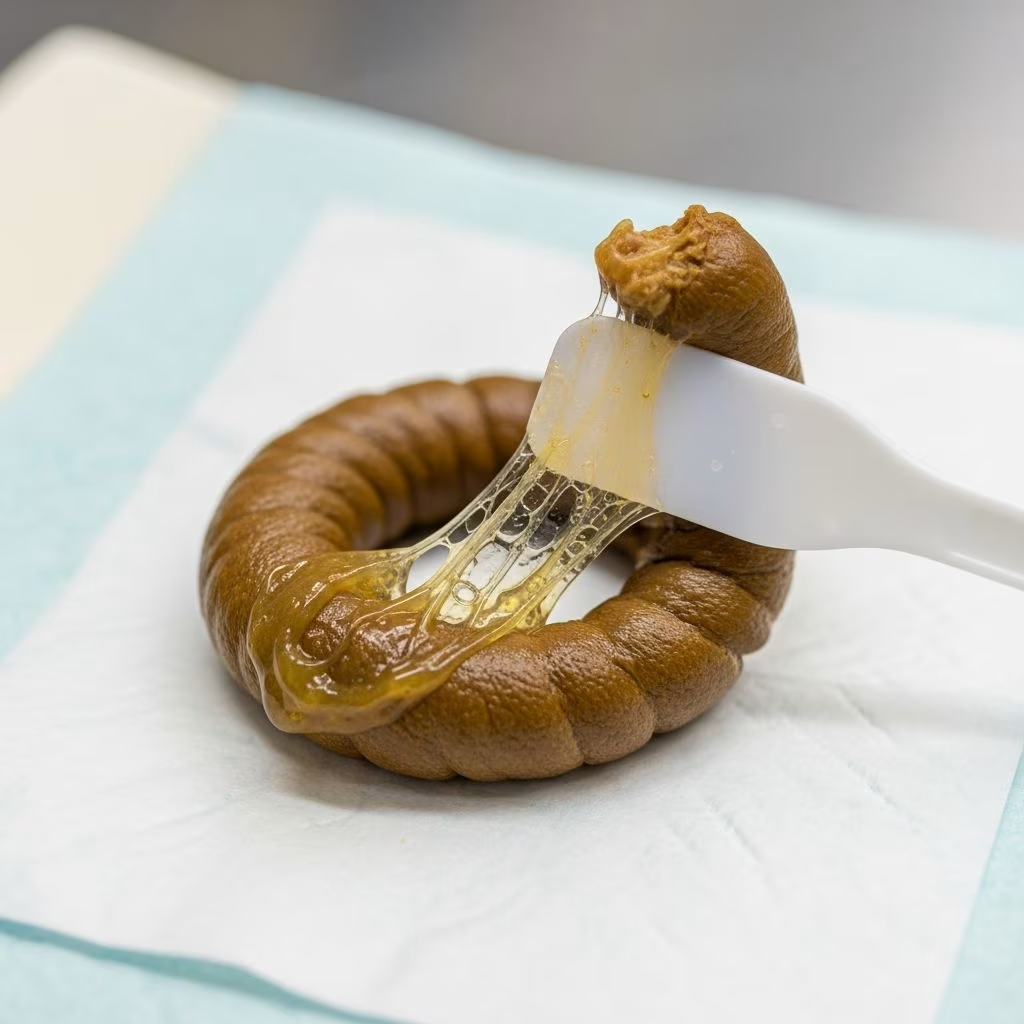
Mucus in a dog’s stool serves as a natural lubricant to help feces move smoothly through the intestines, but noticeable or excessive amounts often point to irritation or inflammation in the gastrointestinal tract. While trace amounts are typically harmless, larger quantities accompanied by other symptoms warrant prompt attention to prevent complications.
Understanding the Role of Mucus in Canine Digestion
The intestinal lining produces mucus to protect itself and facilitate waste passage. In healthy dogs, this appears as a thin, clear coating invisible to the naked eye. When the colon becomes inflamed—a condition known as colitis—goblet cells ramp up production, leading to visible jelly-like strands or coatings on the stool. This response helps shield the gut but signals underlying problems if persistent.
Factors influencing mucus visibility include stool consistency, hydration levels, and the severity of irritation. Semi-formed or diarrheal stools make mucus more apparent, as it mixes visibly with softer feces.
Common Triggers for Mucus Production in Dog Feces
Several factors can provoke excess mucus. Identifying the trigger through observation and veterinary input is crucial for resolution.
Dietary Disruptions and Sensitivities
Abrupt food switches, low-quality ingredients, or intolerances to proteins like chicken, beef, dairy, eggs, or grains frequently cause gut upset. These provoke immune reactions, inflaming the colon and increasing mucus as a protective measure. Symptoms often emerge in young dogs aged 1-3 years, even with long-tolerated foods.
- Quick diet changes without gradual transition
- Artificial additives or fillers in commercial kibble
- Allergies leading to chronic low-grade inflammation
Gastrointestinal Infections
Bacterial culprits like Salmonella or E. coli, viruses such as parvovirus, and rarer fungal invaders irritate the GI tract, prompting mucus alongside diarrhea and vomiting. Contaminated water, raw diets, or contact with infected feces heightens risk. Parvovirus, in particular, demands immediate care due to its contagious and life-threatening nature.
| Infection Type | Common Sources | Associated Symptoms |
|---|---|---|
| Bacterial (e.g., Salmonella) | Contaminated food/water | Diarrhea, fever |
| Viral (e.g., Parvovirus) | Infected dogs’ feces | Bloody stool, lethargy |
| Fungal | Environment/spores | Chronic loose stools |
Parasitic Infestations
Worms (roundworms, tapeworms) and protozoa (Giardia, Coccidia) damage intestinal walls, irritating the colon and causing slimy stools. Puppies and dogs in multi-pet homes or parks face higher exposure. Routine deworming mitigates but doesn’t eliminate all risks.
Stress-Induced Gut Reactions
Irritable bowel syndrome (IBS) flares from anxiety, travel, or household changes disrupt motility, leading to mucus-coated stools. Unlike IBD, IBS lacks structural damage but responds to calming interventions.
Chronic Inflammatory Conditions
Inflammatory bowel disease (IBD) involves ongoing gut wall infiltration by immune cells, often from hypersensitivities to food or bacteria. Colitis, acute or chronic, directly inflames the colon, producing excess mucus. These demand long-term management.
Recognizing Warning Signs Beyond Mucus Alone
Isolated mucus may resolve spontaneously, but clusters of symptoms indicate deeper issues. Monitor closely for 24-48 hours.
- Blood streaks: Bright red suggests lower GI bleeding (colitis); black, tarry stool points to upper tract issues.
- Diarrhea or straining: Loose, urgent stools signal rapid transit through irritated bowels; constipation is rarer but involves bloating.
- Vomiting and appetite loss: Widespread inflammation affects the stomach, causing nausea.
- Lethargy, dehydration, weight loss: Systemic signs of infection, malabsorption, or chronic disease.
Dehydration shows as dry gums, sunken eyes, or skin tenting; weigh your dog weekly to track losses.
Diagnostic Approaches for Mucus in Stool
Vets start with history (diet, recent changes, exposures) and physical exams, including abdominal palpation and rectal checks. Key tests include:
- Fecal analysis for parasites, bacteria, or occult blood
- Bloodwork to assess inflammation, organ function, and dehydration
- Imaging (ultrasound, X-rays) for structural abnormalities
- Endoscopy/biopsy for IBD confirmation
Early diagnosis prevents escalation, especially in severe cases like parvovirus.
Treatment Strategies Tailored to the Cause
Therapy targets the root issue while supporting recovery.
Supportive Care at Home
Withhold food 12-24 hours, then introduce bland diets (boiled chicken/rice) gradually. Ensure hydration via fresh water or electrolyte solutions. Probiotics restore gut flora.
Medications and Interventions
- Antiparasitics (e.g., fenbendazole for worms/Giardia)
- Antibiotics for bacterial infections
- Anti-inflammatories or immunosuppressants for IBD/colitis
- Stress reducers (pheromone diffusers) for IBS
Dietary Overhauls
Hydrolyzed protein or novel ingredient diets reduce allergen exposure. Fiber supplements firm stools in colitis cases.
For IBD, vets may prescribe sulfasalazine or similar to curb inflammation.
Prevention Tips for Optimal Gut Health
Proactive steps minimize recurrence:
- Favor high-quality, consistent diets; transition slowly over 7-10 days.
- Deworm quarterly and test feces annually, especially for at-risk dogs.
- Vaccinate against parvovirus and avoid raw feeding.
- Manage stress with routines, exercise, and enrichment.
- Regular vet check-ups catch issues early.
When to Rush to the Vet
Seek immediate care if mucus persists >2-3 days, or accompanies blood, severe diarrhea, vomiting, collapse, or pain. Puppies, seniors, and small breeds deteriorate faster.
Frequently Asked Questions (FAQs)
Is a little mucus in my dog’s poop normal?
Yes, small amounts aid digestion and are often unnoticeable. Visible excess merits monitoring.
Can diet alone fix mucus in stool?
Often yes for mild cases, but persistent issues need vet evaluation to rule out infections or IBD.
How long before mucus concerns turn urgent?
24-48 hours with no improvement, or sooner with systemic symptoms.
Does stress really cause slimy poop in dogs?
Yes, via IBS, mimicking food reactions but resolving with calm environments.
Are certain breeds prone to mucus stool issues?
Any breed can be affected, but those with sensitive digestion (e.g., Bulldogs) may show more frequently.
Long-Term Management for Recurrent Cases
For chronic conditions like IBD, ongoing diets, meds, and monitoring maintain quality of life. Track stool scores (1-7 scale: 1=liquid, 7=hard pellets) in a journal for patterns. Annual fecal tests ensure no silent parasites.
Integrate omega-3 supplements for anti-inflammatory benefits, pending vet approval. Holistic approaches like acupuncture show promise in some studies but lack universal evidence.
References
- Mucus in Dog Poop: Causes & Treatment Options — Spot & Tango. 2023. https://www.spotandtango.com/blog/mucus-in-dog-poop
- Mucus in Dog Poop: Causes and Treatments — Veteris. 2024. https://veteris.co.uk/petcare-advice/mucus-in-dog-poop-causes-and-treatments
- Mucus in the Stool in Dogs – Causes, Treatment — Vetster. 2024. https://vetster.com/en/symptoms/dog/mucus-in-the-stool
- Mucus in dog poop: 7 possible causes — Vets Now. 2023. https://www.vets-now.com/pet-care-advice/mucus-in-dog-poop/
- Mucus in Dog Poop — PetMD. 2024-01-15. https://www.petmd.com/dog/symptoms/mucus-in-dog-poop
- Mucus in Dog Poop: Causes, Solutions & When To Worry — Pumpkin. 2023. https://www.pumpkin.care/post/mucus-in-dog-poop
- Is It Normal for Dog Poop to be Encased in Membrane — Loveland Regional. 2023. https://lovelandregional.com/blog/is-it-normal-for-dog-poop-to-be-encased-in-membrane/



