

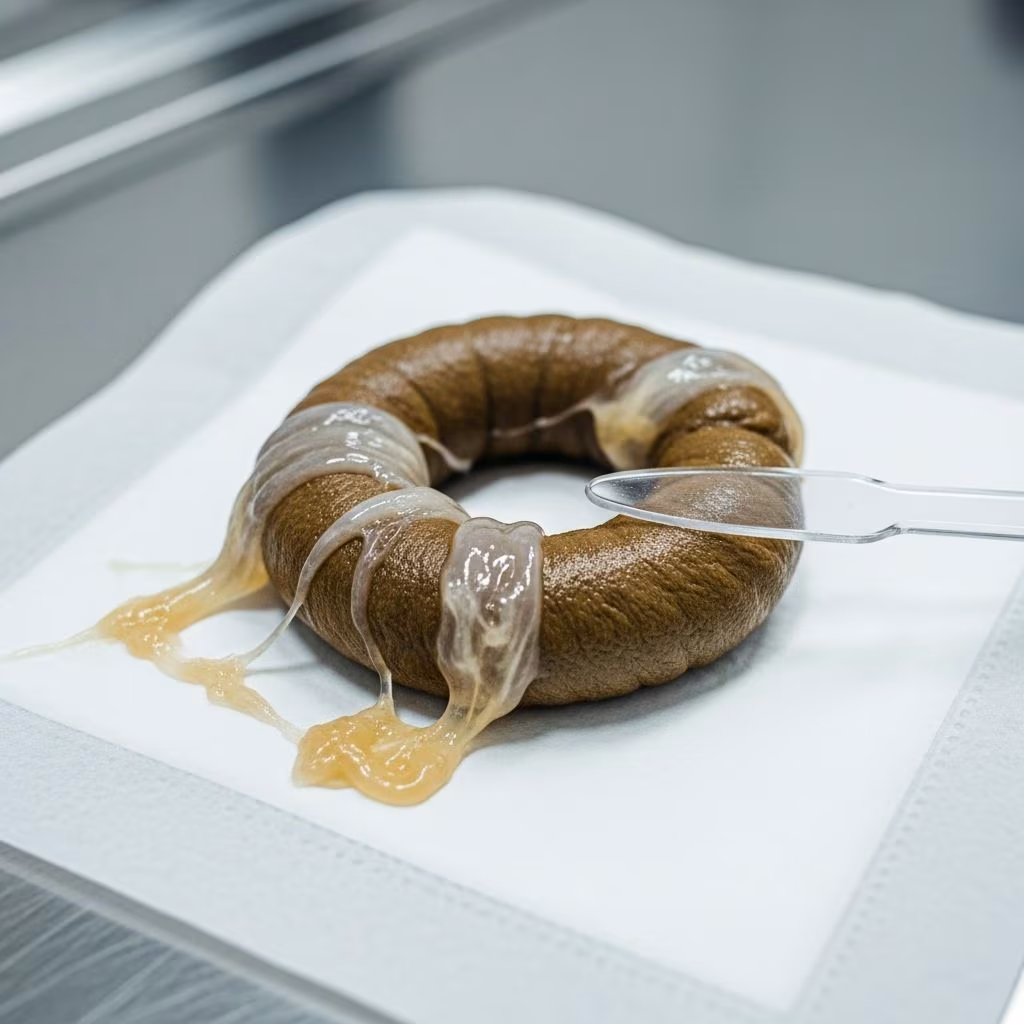
Mucus in a dog’s stool serves as a natural lubricant for smooth passage through the intestines, but noticeable or excessive amounts often point to digestive disturbances ranging from minor irritations to serious conditions. Pet owners frequently spot this jelly-like coating during walks, prompting concern about their dog’s well-being. Understanding the underlying reasons helps determine if home adjustments suffice or if professional veterinary intervention is needed.
The Role of Mucus in Canine Digestion
In healthy dogs, small traces of mucus are typical and aid in fecal movement without discomfort. Produced by goblet cells in the intestinal lining, it protects the gut wall and facilitates waste elimination. However, when production ramps up, it appears as a white, yellow, or clear slime enveloping the stool, signaling inflammation or irritation in the colon or intestines.
Dogs with balanced diets and regular deworming rarely show excess mucus. Factors like age, breed, and environment influence susceptibility; puppies and seniors face higher risks due to immature or weakened immune systems.
Common Triggers for Excess Mucus
Several factors can provoke increased mucus secretion. Identifying patterns through observation is crucial for targeted management.
Dietary Disruptions and Sensitivities
Abrupt food switches or low-quality ingredients often upset the gut flora, leading to slimy stools as the intestines react. Common culprits include artificial additives, fillers, or allergens like dairy, chicken, beef, eggs, and grains. Dogs may develop sudden intolerances even to long-tolerated foods, especially between ages one and three.
- Sudden diet changes without gradual transition
- Table scraps or human foods high in fat/spice
- Food allergies causing chronic gut inflammation
Stress from travel or new environments can exacerbate these, mimicking irritable bowel syndrome (IBS) flare-ups.
Gastrointestinal Infections
Bacterial invaders like Salmonella or E. coli, often from contaminated water, raw diets, or spoiled food, inflame the GI tract and boost mucus output. Viral threats such as parvovirus cause severe mucus alongside bloody diarrhea and lethargy, demanding urgent care.
Fungal infections, though rarer, lead to prolonged symptoms. Accompanying signs include vomiting, fever, and bloating, distinguishing infections from simpler issues.
Parasitic Infestations
Worms and protozoa irritate the intestinal walls, prompting protective mucus layers. Roundworms cause bloating and weight loss, especially in puppies; whipworms embed in the colon, producing bloody mucus. Giardia and coccidia yield watery, slime-heavy diarrhea.
Routine fecal exams detect these; regular deworming prevents recurrence, as dogs easily pick up parasites from soil or other animals.
Chronic Conditions Linked to Mucus
Colitis and Inflammatory Bowel Disease
Colitis, inflammation of the colon, is a leading cause of prominent mucus, often with semi-formed or liquid stools. Triggers include stress, infections, or allergies. Inflammatory bowel disease (IBD) involves ongoing gut inflammation from immune overreactions or bacterial imbalances, yielding recurrent mucus, diarrhea, and nutrient malabsorption.
IBS, stress-induced, features similar mucus but responds to calming measures and diet tweaks.
Other Serious Indicators
Polyps, tumors, or foreign bodies can mechanically irritate the gut, increasing mucus. These require imaging for diagnosis.
Recognizing Warning Signs
Isolated small mucus amounts may resolve spontaneously, but persistent or escalating cases warrant attention. Track stool consistency, frequency, and extras like blood or odor changes.
| Symptom | Possible Implication | Urgency |
|---|---|---|
| Bright red blood streaks | Colitis or lower GI bleed | High – Vet ASAP |
| Dark, tarry stool | Upper GI bleeding | Emergency |
| Diarrhea + vomiting | Infection or IBD | High |
| Lethargy, weight loss | Chronic disease/parasites | Moderate to High |
| Straining/constipation | Partial obstruction | Moderate |
Dehydration shows as dry gums, sunken eyes, or skin tenting; combine with mucus for immediate vet visits.
Diagnostic Approaches by Veterinarians
Vets start with history and physical exams, noting diet, recent changes, and symptoms. Fecal tests screen for parasites, bacteria, and viruses. Bloodwork assesses inflammation, hydration, and organ function. Advanced tools like ultrasound, X-rays, or endoscopy visualize gut issues.
- Fecal flotation/PCR for parasites like Giardia
- Culture for bacterial pathogens
- Biopsy for IBD confirmation
Treatment Strategies
Remedies target root causes. Supportive care like bland diets (boiled chicken/rice) and probiotics restore balance.
Addressing Specific Causes
- Parasites: Dewormers like fenbendazole or metronidazole.
- Infections: Antibiotics, antivirals, or fluids; hospitalization for parvo.
- Dietary: Hypoallergenic or novel protein foods; elimination trials.
- IBD/Colitis: Anti-inflammatories, immunosuppressants, or sulfasalazine.
Monitor progress; recurrence may need specialist gastroenterology referral.
Preventive Measures for Gut Health
Proactive steps minimize risks:
- Fed high-quality, consistent diets; transition slowly over 7-10 days.
- Monthly parasite preventives year-round.
- Clean water sources; avoid raw diets unless vet-approved.
- Stress reduction via routines, exercise, and enrichment.
- Annual wellness exams with fecal checks.
Probiotics with prebiotics support microbiome diversity, reducing inflammation risks.
Frequently Asked Questions
Is mucus in dog poop always bad?
Traces are normal; excess or with symptoms signals issues.
How long to monitor before vet visit?
24-48 hours if mild; immediate if blood, vomiting, or lethargy.
Can home remedies fix it?
Bland diet/probiotics for mild cases; not for infections/parasites.
Does breed affect risk?
Yes, breeds like German Shepherds prone to IBD.
Preventing recurrence post-treatment?
Diet consistency, preventives, and follow-up fecals.
Long-Term Management for Recurrent Cases
Dogs with chronic mucus need tailored plans. Hydrolyzed protein diets prevent allergies; fiber supplements firm stools in colitis. Track symptoms in journals for vet patterns. Novel therapies like fecal microbiota transplants emerge for IBD, restoring healthy bacteria. Owners report success with acupuncture or CBD for stress-related IBS, though evidence varies—consult vets first.
Nutritional balance prevents deficiencies worsening malabsorption. Omega-3 supplements reduce inflammation; avoid over-supplementation. Weight monitoring flags issues early; underweight dogs may need calorie-dense foods.
Environmental tweaks help: consistent feeding schedules minimize stress; puzzle toys divert from scavenging. Multi-dog homes require hygiene to curb parasite spread.
For severe IBD, lifelong meds like budesonide manage flares. Compliance improves outcomes; pill pockets aid administration.
Research advances diagnostics: genetic tests predict IBD susceptibility in breeds. Stay informed via vet updates.
References
- Mucus in Dog Poop: Causes & Treatment Options — Spot and Tango. 2023. https://www.spotandtango.com/blog/mucus-in-dog-poop
- Mucus in Dog Poop: Causes and Treatments — Veteris. 2023. https://veteris.co.uk/petcare-advice/mucus-in-dog-poop-causes-and-treatments
- Mucus in the Stool in Dogs – Causes, Treatment — Vetster. 2024. https://vetster.com/en/symptoms/dog/mucus-in-the-stool
- Mucus in Dog Poop: Causes, Solutions & When To Worry — Pumpkin Care. 2023. https://www.pumpkin.care/post/mucus-in-dog-poop
- Mucus in Dog Poop — PetMD. 2024-02-17. https://www.petmd.com/dog/symptoms/mucus-in-dog-poop
- Mucus in dog poop: 7 possible causes — Vets Now. 2023. https://www.vets-now.com/pet-care-advice/mucus-in-dog-poop/



