

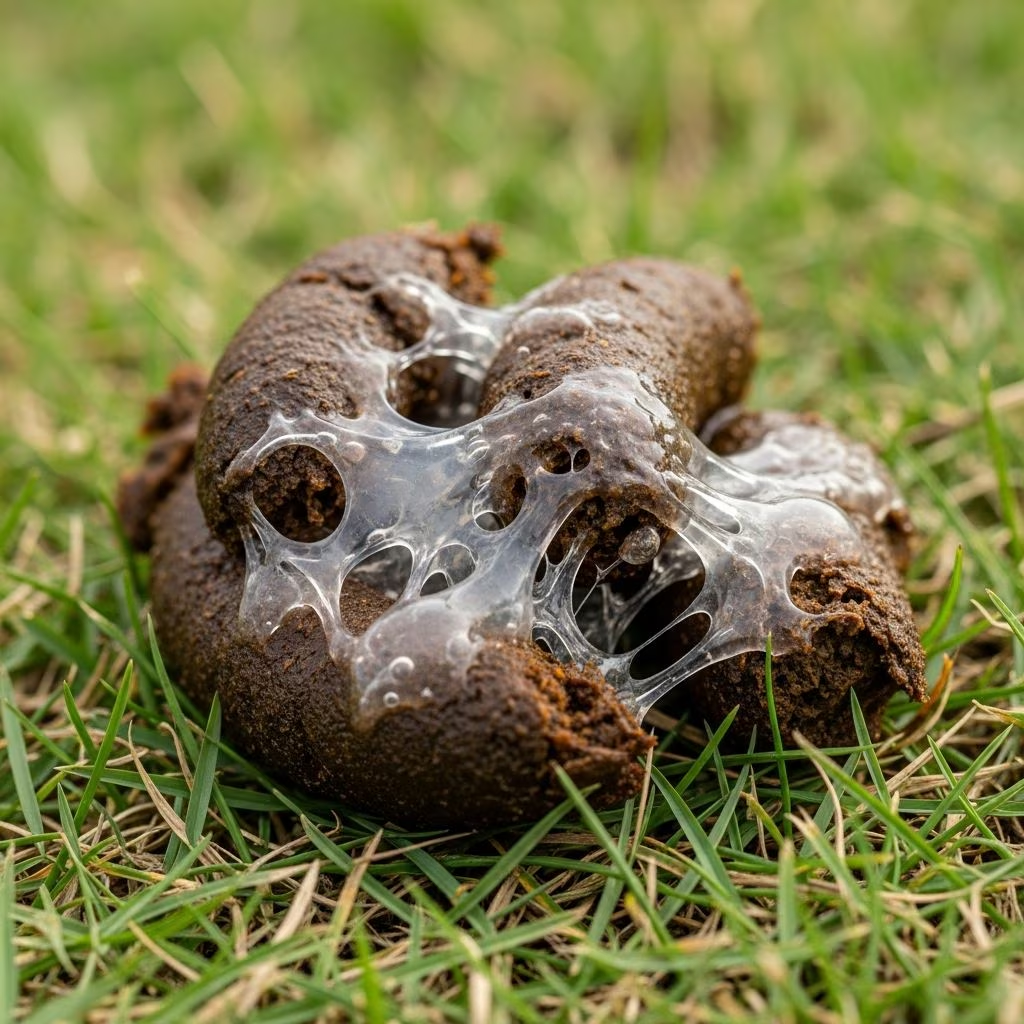
Mucus in dog poop is a common concern for pet owners, often appearing as a slimy, jelly-like coating on the stool. While small amounts are typically normal—serving as natural lubrication for the intestines—excessive or persistent mucus can indicate underlying digestive problems. This comprehensive guide explores the reasons behind mucus in your dog’s stool, associated symptoms, diagnostic approaches, treatments, and prevention strategies to help you keep your furry friend healthy.
What Does Normal Dog Poop Look Like?
Healthy dog stool is firm, sausage-shaped, and easy to pick up, with a consistent color like chocolate brown. It should have minimal odor and no unusual coatings. The presence of a thin, transparent mucus layer is normal, as it helps stool move smoothly through the colon. However, if the mucus is thick, white, yellow, green, or bloody, or if it’s accompanied by loose stools, straining, or other changes, it warrants closer attention.
- Firm and segmented: Ideal texture, indicating good digestion.
- Brown color: Standard hue from bile processing.
- Small mucus trace: Normal lubrication, not visible to the naked eye usually.
Deviations like mucus-encased poop, often called ‘mucus membrane poop,’ can signal irritation in the large intestine or colon.
7 Common Causes of Mucus in Dog Poop
Several factors can lead to increased mucus production in a dog’s intestines, ranging from benign to serious. Here’s a breakdown of the most frequent culprits.
1. Dietary Indiscretion or Food Changes
Sudden diet switches, eating table scraps, garbage, or low-quality food with fillers can irritate the gut, prompting excess mucus as a protective response. Food intolerances to ingredients like dairy, chicken, beef, grains, or eggs are common triggers, especially in dogs aged 1-3 years.
- Quick food brand changes without transition.
- Artificial preservatives or allergens.
- Scavenging inappropriate items.
2. Stress or Irritable Bowel Syndrome (IBS)
Stress from routine changes, travel, or loud environments can cause IBS-like symptoms, including mucus-covered stools. This is often temporary and resolves with de-stressing.
3. Infections (Bacterial, Viral, Fungal)
GI infections from bacteria like Salmonella or E. coli (from contaminated food/water), viruses like parvovirus, or rare fungal issues inflame the intestines, boosting mucus production. Symptoms include diarrhea, vomiting, fever, and lethargy. Parvovirus is especially dangerous in puppies.
- Bacterial: Often from raw diets or puddles.
- Viral: Contagious, with bloody diarrhea.
- Fungal: Chronic digestive upset.
4. Intestinal Parasites (Worms)
Parasites such as roundworms, whipworms, hookworms, tapeworms, or Giardia damage intestinal walls, causing inflammation and mucus to protect the lining. Puppies are at higher risk; symptoms include bloating, weight loss, and watery diarrhea.
| Parasite | Symptoms with Mucus |
|---|---|
| Roundworms | Mucus, bloating, potbelly in pups |
| Giardia | Watery, foul-smelling diarrhea |
| Whipworms | Bloody, mucus-heavy stools |
5. Inflammatory Bowel Disease (IBD) or Colitis
IBD involves chronic gut inflammation from immune responses to food allergens or bacteria imbalance. Colitis, inflammation of the colon, often causes fresh mucus, straining, and small poop amounts. Triggers include sensitivities even to long-eaten foods.
- Chronic diarrhea/loose stools.
- Weight loss, vomiting, appetite loss.
- Abdominal pain or gas.
6. Anal Gland Issues
Impacted or infected anal glands lead to scooting, licking, and mucus or blood on stool exteriors.
7. Other Serious Conditions
Rarely, tumors, polyps, blockages, or systemic diseases like liver/gallbladder issues cause colored mucus (yellow for digestion problems, bloody for HGE or parvo).
Symptoms to Watch For: When Mucus Isn’t Normal
Monitor your dog closely. Isolated thin mucus may pass, but combined symptoms demand vet care.
- Persistent mucus over 2-3 days.
- Diarrhea, vomiting, or blood in stool.
- Lethargy, dehydration, weight loss.
- Straining, small/frequent poops.
- Appetite changes or abdominal bloating.
Bloody mucus suggests colitis, parasites, or parvo; yellow indicates digestion woes; white is often colitis.
Colors of Mucus in Dog Poop & What They Mean
| Mucus Color | Possible Causes | Urgency |
|---|---|---|
| Clear/White | Colitis, irritation, parasites | Monitor if mild |
| Yellow | Digestion issues, infections, liver problems | Medium |
| Green | Bacterial infection, rapid transit | High |
| Bloody/Red | Parvo, HGE, injury, worms | Emergency |
When to See a Vet for Mucus in Dog Poop
Seek immediate help if mucus persists >48 hours or accompanies severe symptoms. Puppies, seniors, or dogs with pre-existing conditions need prompt evaluation to rule out life-threatening issues like parvo.
- Emergency: Bloody stool, collapse, severe dehydration.
- Urgent: Ongoing diarrhea/vomiting >24 hours.
- Routine: Recurrent mucus without other signs.
How Vets Diagnose Mucus in Dog Stool
Vets start with history, physical exam, and fecal tests for parasites/infections. Further steps include bloodwork, imaging (X-rays/ultrasound), or endoscopy/biopsy for IBD.
- Fecal flotation/PCR for worms/Giardia.
- Blood tests for infection/inflammation.
- Allergy trials or elimination diets.
Treatments for Mucus in Dog Poop
Treatment targets the cause.
- Dietary: Bland diet (rice/chicken), hypoallergenic food transition.
- Parasites: Dewormers like fenbendazole.
- Infections: Antibiotics, antivirals, fluids.
- IBD/Colitis: Anti-inflammatories, immunosuppressants, probiotics.
- Supportive: Probiotics, fiber supplements, hydration.
Never self-medicate; follow vet prescriptions.
How to Prevent Mucus in Dog Poop
Proactive steps reduce risks.
- Consistent high-quality, novel protein diet.
- Regular deworming/flea prevention (every 3 months).
- Vaccinations against parvo/distemper.
- Stress reduction and routine exercise.
- Anal gland expression if needed.
- Avoid raw diets/scavenging.
Home Remedies & Supportive Care
For mild cases:
- Bland diet: Boiled chicken/rice for 3-5 days.
- Probiotics: FortiFlora or plain yogurt (lactose-free).
- Hydration: Electrolyte solutions like Pedialyte (vet-approved).
- Fiber: Pumpkin puree (1-2 tsp/day).
Monitor and consult vet if no improvement in 24-48 hours.
Frequently Asked Questions (FAQs)
Is mucus in dog poop always bad?
No, small amounts are normal lubrication. Excessive or persistent mucus needs investigation.
Can diet alone fix mucus in my dog’s stool?
It helps for intolerances/stress but not infections/parasites. Vet diagnosis first.
How long before mucus in poop becomes serious?
If >2 days or with other symptoms like blood/vomiting, see vet immediately.
Does stress cause mucus poop in dogs?
Yes, via IBS-like responses; reduce stressors for relief.
Can puppies have mucus in stool?
Yes, often from worms/parvo—urgent vet check needed.
References
- Mucus in Dog Poop: Causes & Treatment Options — Spot & Tango. 2023. https://www.spotandtango.com/blog/mucus-in-dog-poop
- Mucus in dog poop: 7 possible causes — Vets Now. 2023. https://www.vets-now.com/pet-care-advice/mucus-in-dog-poop/
- Mucus in Dog Poop: Causes and Treatments — Veteris. 2023. https://veteris.co.uk/petcare-advice/mucus-in-dog-poop-causes-and-treatments
- Mucus in Dog Poop: 6 Causes of Slimy Stool — PetLab Co. 2023. https://thepetlabco.com/learn/dog/health-wellness/mucus-in-dog-poop
- Mucus in Dog Poop: Causes, Solutions & When To Worry — Pumpkin.care. 2023. https://www.pumpkin.care/post/mucus-in-dog-poop
- Is It Normal for Dog Poop to be Encased in Membrane? — Loveland Regional. 2023. https://lovelandregional.com/blog/is-it-normal-for-dog-poop-to-be-encased-in-membrane/
- Mucus in Dog Poop — PetMD. 2023. https://www.petmd.com/dog/symptoms/mucus-in-dog-poop



