

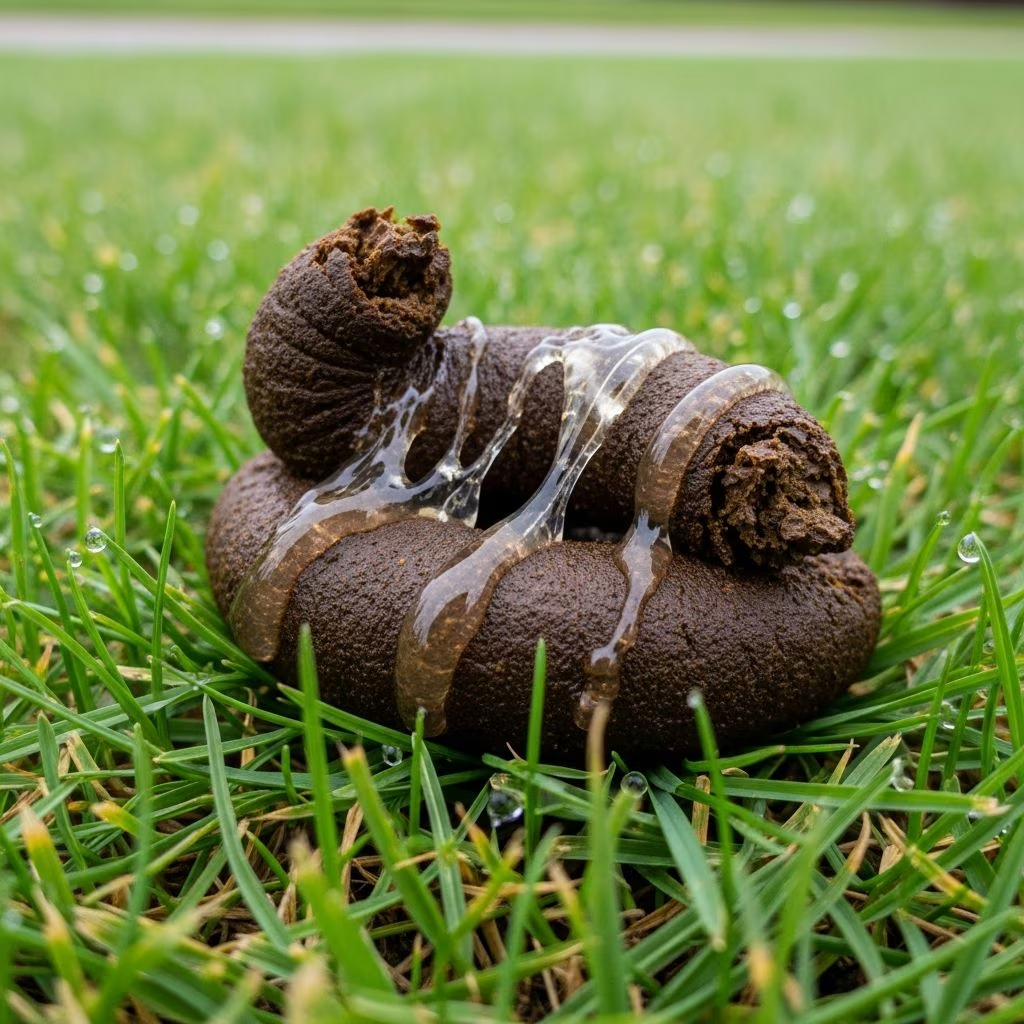
A thin layer of mucus coating your dog’s stool is often nothing to worry about, as it naturally lubricates the intestines for smooth passage. However, when you notice thick, jelly-like strands or persistent slime, it could point to irritation or inflammation in the gut. Understanding this symptom helps pet owners act quickly to prevent discomfort or worse complications.
The Role of Mucus in Canine Digestion
Mucus serves as a protective barrier in a dog’s gastrointestinal tract, shielding sensitive tissues from bacteria, acids, and rough food particles. Produced by specialized cells in the colon, it ensures feces move without causing damage. Small amounts are typical and invisible to the naked eye, but excess production signals the body is responding to stress, infection, or dietary upset.
In healthy dogs, stool appears firm with minimal visible mucus. Deviations like slimy coatings often accompany other digestive clues, prompting closer observation during walks or yard cleanups.
Common Triggers Behind Slimy Stools
Several factors can ramp up mucus output. Here’s a breakdown of the most frequent culprits:
- Dietary Shifts or Sensitivities: Abrupt food changes or allergies to proteins like beef, chicken, or grains inflame the intestines, boosting mucus as a defense.
- Gut Infections: Bacteria such as Salmonella or viruses like parvovirus irritate the lining, leading to mucus alongside diarrhea.
- Parasitic Invaders: Worms (roundworms, whipworms) and protozoa (Giardia) scrape the gut walls, triggering protective slime.
- Stress-Induced Issues: Anxiety from travel or new environments can disrupt digestion, mimicking irritable bowel patterns.
These triggers vary by a dog’s age, breed, and lifestyle. Puppies and seniors face higher risks due to immature or weakened immune systems.
Recognizing Warning Signs Beyond the Slime
Mucus rarely appears alone. Watch for these red flags that demand veterinary input:
| Symptom | Possible Implication | Urgency Level |
|---|---|---|
| Bloody streaks (bright red or black tarry) | Colitis or upper GI bleed | High – See vet same day |
| Persistent diarrhea or straining | Inflammation or parasites | Medium – Within 24-48 hours |
| Vomiting, lethargy, appetite loss | Infection or IBD | High – Immediate care |
| Weight loss or dehydration | Chronic malabsorption | High – Emergency if severe |
Bright red blood suggests lower colon issues like colitis, while dark stools indicate digested blood from higher up. Dehydration shows as dry gums, sunken eyes, or skin that tents when pinched.
Colitis: The Leading Culprit for Excess Mucus
Colitis, inflammation of the colon, tops the list for mucus-heavy stools. Triggers include whipworms, stress, or food reactions, causing goblet cells to overproduce slime. Acute cases resolve quickly with care, but chronic forms need ongoing management.
Symptoms hit suddenly: frequent small poops, urgency, and fresh blood. Unlike small intestine diarrhea (large volumes), colitis produces mucus-coated, semi-formed nuggets.
Parasites and Infections: Hidden Threats
Intestinal parasites thrive in contaminated environments, from puddles to raw diets. Giardia causes greasy, foul-smelling mucus stools, while hookworms lead to anemia.
Bacterial culprits like E. coli spread via spoiled food, pairing mucus with fever and bloating. Viral threats like parvo are deadly in unvaccinated pups, demanding swift isolation and treatment. Fungal issues are rarer but persist in damp climates.
Chronic Conditions Affecting Gut Health
For recurring mucus, suspect inflammatory bowel disease (IBD) or irritable bowel syndrome (IBS). IBD involves immune overreactions to food or bacteria, leading to lifelong inflammation, weight loss, and variable stools. IBS ties to stress, flaring with routine changes.
Diagnosis often requires biopsies, as symptoms overlap with allergies or tumors. Management blends diet trials, probiotics, and meds like sulfasalazine.
Steps for Home Assessment and Initial Care
Before rushing to the vet, try these safe steps for mild cases:
- Monitor Closely: Note frequency, color, and companions like blood. Take photos and samples.
- Fast Briefly: Withhold food 12-24 hours (water okay) to rest the gut, then bland diet: boiled chicken/rice.
- Hydrate: Offer electrolyte solutions if diarrhea persists.
- Review Diet: Switch to hypoallergenic kibble gradually over 7-10 days.
Probiotics with Lactobacillus strains support flora recovery. Avoid over-the-counter dewormers without fecal confirmation.
Veterinary Diagnosis: Tests That Pinpoint the Problem
Vets start with history and physical exams, feeling for abdominal tenderness. Key tests include:
- Fecal analysis for parasites, bacteria, and occult blood.
- Bloodwork to check dehydration, infection, or organ function.
- Imaging (X-rays, ultrasound) for blockages or masses.
- Endoscopy or biopsy for IBD confirmation.
Early detection prevents escalation, especially in multi-pet homes where contagion risks spread.
Treatment Strategies Tailored to the Cause
Therapy targets the root:
- Parasites: Dewormers like fenbendazole or metronidazole for Giardia.
- Infections: Antibiotics (tylosin), antivirals if needed, and fluids.
- Colitis/IBD: Anti-inflammatories, immunosuppressants, novel protein diets.
- Stress/IBS: Routine stabilization, anxiety aids like pheromone diffusers.
Follow-up fecals ensure clearance. Prescription diets from hills or Royal Canin often resolve food-related cases.
Preventing Future Episodes of Mucus in Stool
Proactive habits keep guts happy:
- Vaccinate and deworm on schedule (every 3-6 months for at-risk dogs).
- Feed consistent, high-quality diets without fillers.
- Prevent scavenging: Leash walks, secure trash.
- Minimize stress with exercise, play, and stable routines.
- Annual vet checkups with fecal screens.
Raw diets demand rigorous sourcing to avoid pathogens. Probiotics as maintenance aid microbiome balance.
FAQs: Quick Answers on Dog Stool Mucus
Is a little mucus in my dog’s poop normal?
Yes, trace amounts lubricate passage. Worry if jelly-like or frequent.
How long before seeing a vet for mucus in stool?
If alone and mild, monitor 24-48 hours. With blood, vomiting, or lethargy, go immediately.
Can diet alone fix mucus-covered poop?
Often for sensitivities, but parasites or infections need meds.
Does breed affect mucus stool risks?
Yes, bully breeds and hounds prone to colitis; herding dogs to IBD.
Is mucus in puppy poop always serious?
More likely parasites or parvo; test promptly.
Real Pet Owner Stories: Lessons from the Field
Many owners share relief after addressing hidden issues. One dog’s chronic slime traced to dairy allergy, resolved by goat milk switch. Another’s bloody mucus revealed whipworms, cleared with a single dose. These tales underscore monitoring’s power.
For multi-dog homes, isolate affected pets and disinfect yards with pet-safe solutions.
References
- Mucus in Dog Poop: Causes & Treatment Options — Spot & Tango. 2023. https://www.spotandtango.com/blog/mucus-in-dog-poop
- Mucus in Dog Poop: Causes and Treatments — Veteris. 2024. https://veteris.co.uk/petcare-advice/mucus-in-dog-poop-causes-and-treatments
- Mucus in the Stool in Dogs – Causes, Treatment — Vetster. 2024. https://vetster.com/en/symptoms/dog/mucus-in-the-stool
- Mucus in Dog Poop: Causes, Solutions & When To Worry — Pumpkin.care. 2023. https://www.pumpkin.care/post/mucus-in-dog-poop
- Mucus in Dog Poop — PetMD. 2024-01-15. https://www.petmd.com/dog/symptoms/mucus-in-dog-poop



