
Mucus in Dog Poop: Causes, Concerns & When to See a Vet
Understanding why your dog has mucus in their stool and when it requires veterinary care.
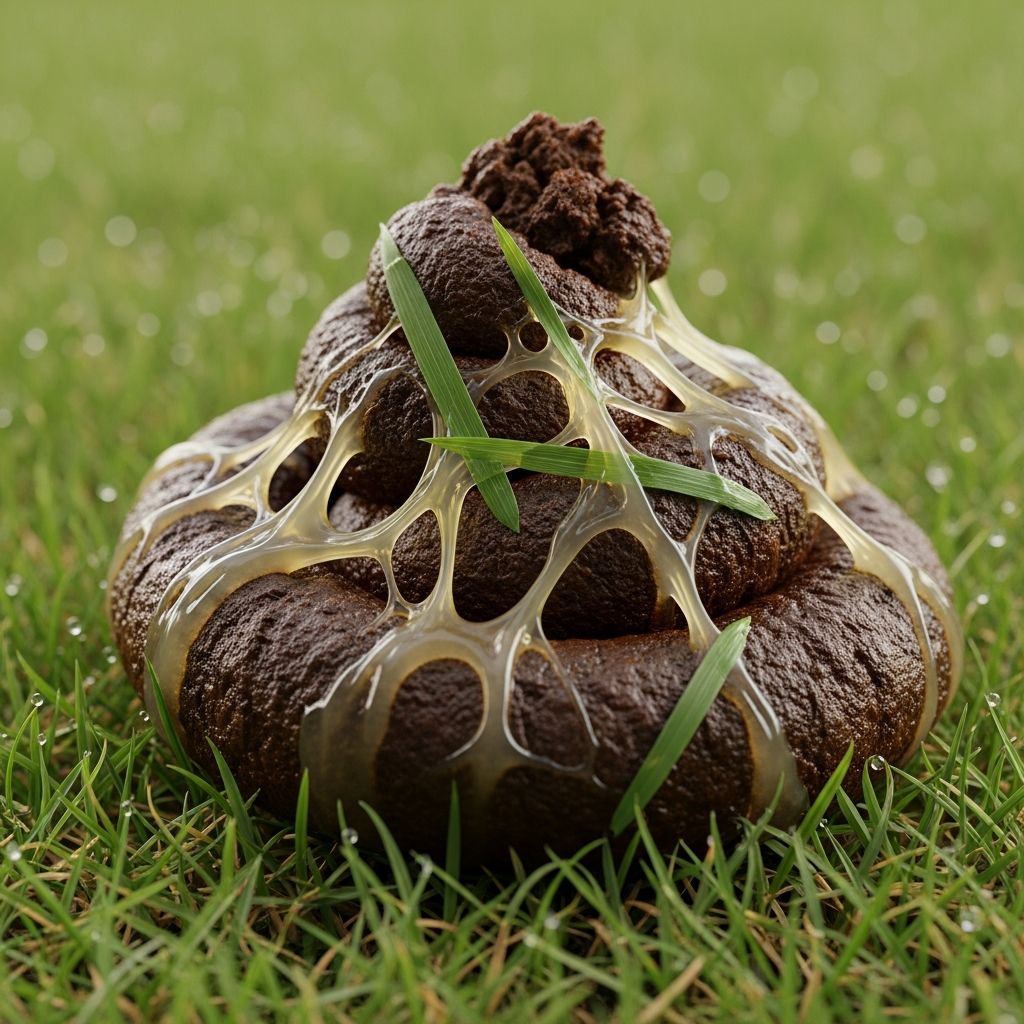
As a dog owner, you’ve likely experienced the unpleasant task of picking up your dog’s waste and noticing something unusual. One of the most common observations is the presence of mucus or slime coating your dog’s stool. While this slimy, jelly-like substance may seem alarming, understanding what it means can help you determine whether your pet needs immediate veterinary attention or if the issue will resolve on its own.
What Is Mucus in Dog Poop?
Mucus is a naturally occurring substance produced by the mucous membranes that line your dog’s digestive tract, particularly the intestines and colon. This slimy coating serves an important purpose: it acts as a lubricant to help stool move smoothly through the intestinal tract and protects the intestinal lining from damage. Small amounts of mucus in your dog’s stool are completely normal and nothing to worry about.
However, when mucus becomes excessive or completely encases your dog’s stool, it may indicate that something is irritating or inflaming the intestinal lining. The presence of excessive mucus is your dog’s body’s way of responding to inflammation, and it often signals an underlying health issue that requires investigation.
Common Causes of Mucus in Dog Poop
Several factors can trigger the production of excess mucus in your dog’s digestive system. Understanding these causes can help you better communicate with your veterinarian and provide context about your pet’s recent activities and diet.
Dietary Changes and New Foods
One of the most common causes of mucus in dog poop is a sudden change in diet. Dogs have sensitive digestive systems, and introducing new foods too quickly can upset their stomach and trigger mucus production. This is why veterinarians recommend gradually transitioning your dog from one food to another over a period of two to three weeks. Even changing treats or introducing new snacks can cause this reaction. If you’ve recently switched your dog’s food or added new treats, this could easily explain the mucus in their stool.
Dietary Indiscretions
Dogs are naturally curious creatures, and their tendency to eat things they shouldn’t is a common cause of mucus in their poop. Whether your dog has consumed something off the ground during a walk, raided the trash, or gotten into human food, these dietary indiscretions can irritate the intestines and trigger mucus production. Foreign objects, spoiled food, or inappropriate human foods can all cause intestinal irritation that manifests as mucus-covered stool.
Intestinal Infections
Bacterial, viral, or parasitic infections can cause inflammation of the intestines, leading to mucus in your dog’s stool. Common infections include parvovirus and other viral infections, bacterial infections, and parasitic infestations. Dogs with intestinal infections typically show additional symptoms beyond mucus in their poop, including diarrhea, vomiting, lethargy, and loss of appetite. If you suspect an infection, prompt veterinary care is essential to prevent the condition from worsening and to avoid transmission to other dogs.
Intestinal Parasites
Dogs are susceptible to various types of intestinal worms, including roundworms, tapeworms, hookworms, and whipworms. These parasites disrupt the digestive balance and can cause mucus to appear in stools. While many dogs with parasites show no symptoms initially, mucus in the poop can be one of the first signs. This is why year-round parasite prevention is recommended by veterinarians, even for dogs that spend most of their time indoors.
Inflammatory Bowel Disease (IBD)
Inflammatory Bowel Disease is a chronic condition characterized by inflammation of the intestines and is caused by an abnormal immune response in the gut wall. Unlike acute issues triggered by dietary changes, IBD can develop gradually and may occur with foods your dog has been eating for a long time. Dogs with IBD typically exhibit persistent symptoms including frequent mucus-covered stools, chronic diarrhea, weight loss, and changes in appetite. If your dog consistently produces poop encased in mucus and displays these other symptoms, IBD should be considered and discussed with your veterinarian.
Allergies and Food Intolerances
Food allergies and intolerances can trigger inflammatory responses in the intestines, resulting in mucus production. Common allergens include certain proteins, grains, and dairy products. Unlike sudden dietary changes, food allergies develop when your dog’s immune system reacts to specific ingredients in their regular diet. Identifying the specific allergen is crucial for long-term management. Your veterinarian may recommend an elimination diet, which involves feeding your dog a novel protein and carbohydrate source they haven’t consumed before and monitoring for improvement in symptoms.
Irritable Bowel Syndrome (IBS) and Stress
Stress and anxiety can trigger or exacerbate irritable bowel syndrome in dogs, leading to mucus in their stool. Dogs that are anxious, have experienced recent changes in their environment, or are undergoing stressful situations may develop temporary digestive issues. Addressing the underlying stress through environmental management, training, or behavior modification can help resolve these symptoms.
Large Bowel Inflammation
Inflammation of the large intestine or colon commonly results in mucus coating the stool. This can occur due to various reasons, including constipation, dietary issues, infections, or underlying inflammatory conditions. When the colon becomes irritated or inflamed, it increases mucus production as a protective response.
When Mucus in Dog Poop Is Normal
Not all mucus in your dog’s stool indicates a serious problem. Small streaks of clear mucus on otherwise well-formed stool are generally considered normal, especially if your dog continues to eat, drink, and behave normally. Episodes of mild mucus production often follow eating grass, trying a new treat, or other minor dietary experimentation and typically clear up within a day or two without intervention.
Warning Signs That Require Veterinary Attention
While occasional mucus may not be concerning, certain signs indicate that your dog needs professional veterinary evaluation. It’s important to monitor not only the amount of mucus but also other symptoms your dog may be displaying.
Signs to Watch For
Contact your veterinarian if your dog exhibits any of the following symptoms alongside mucus in their stool:
- Persistent or excessive mucus encasing the entire stool
- Persistent diarrhea or constipation lasting more than a day or two
- Blood or blood-tinged mucus in the stool
- Vomiting or repeated vomiting
- Severe straining or difficulty defecating
- Lethargy or unusual fatigue
- Unexplained weight loss
- Changes in appetite or refusal to eat
- Abdominal pain or sensitivity
- Changes in behavior or acting differently than usual
- Signs of distress or discomfort
When It’s an Emergency
While mucus in dog poop is rarely an emergency by itself, certain situations warrant immediate veterinary care. Seek emergency veterinary attention if your dog is passing a large amount of mucus, straining excessively, passing blood and mucus together, showing signs of severe pain, or if you suspect your dog has swallowed something that could cause a blockage.
Diagnosing the Cause of Mucus in Dog Poop
Your veterinarian will perform a thorough examination to determine the underlying cause of your dog’s mucus-covered stools. The diagnostic process typically involves several steps to narrow down the possible causes.
Physical Examination
Your vet will begin with a comprehensive physical examination, checking your dog’s overall body condition, hydration status, and abdominal palpation to assess for pain or abnormalities.
Fecal Testing
Fecal tests are one of the most important diagnostic tools for identifying parasites or infections causing mucus in your dog’s stool. A stool sample is examined under a microscope to check for the presence of parasites, bacteria, or other abnormalities. This simple test can often identify the cause quickly and help guide treatment decisions.
Blood Work
Blood tests may be recommended to evaluate your dog’s overall health, check for signs of infection, assess organ function, and help rule out systemic diseases that could contribute to digestive issues.
Additional Diagnostic Tools
Depending on your dog’s symptoms and initial test results, your veterinarian may recommend additional diagnostic imaging such as X-rays or ultrasound to visualize the digestive tract and rule out blockages or other structural abnormalities.
Treatment Options for Mucus in Dog Poop
Treatment for mucus in your dog’s stool depends entirely on the underlying cause. Your veterinarian will recommend appropriate treatment based on their diagnostic findings.
Dietary Management
If a food allergy or intolerance is identified, your veterinarian may recommend switching to a hypoallergenic or limited-ingredient diet formulated to avoid the problematic ingredient. When changing diets, it’s essential to transition gradually over two to three weeks to minimize gastrointestinal upset and allow your dog’s digestive system to adjust.
Medication
For cases involving infection, your veterinarian may prescribe antibiotics to eliminate bacterial infections or antiparasitic medications to treat worm infestations. If inflammation is present, anti-inflammatory drugs may be prescribed to reduce intestinal inflammation and provide relief. For conditions like IBD, your vet might recommend specific medications to manage the chronic inflammation.
Supportive Care
In many cases, supportive care including rest, hydration, and dietary modification is sufficient to resolve the issue. Your veterinarian may recommend feeding a bland diet temporarily to allow the digestive system to recover.
Supporting Your Dog’s Digestive Health
Maintaining optimal digestive health is one of the best ways to prevent issues like excessive mucus in your dog’s poop. Several practices can help support your dog’s gastrointestinal system.
Probiotics and Digestive Enzymes
Probiotics and digestive enzymes can support your dog’s digestive system by maintaining a healthy balance of gut bacteria and improving digestion. These supplements can be particularly beneficial for dogs recovering from digestive issues or those prone to intestinal problems. Consult your veterinarian about which products are appropriate for your dog.
Consistent Diet and Routine
Feeding your dog a consistent, high-quality diet and maintaining regular feeding schedules helps prevent many digestive issues. Avoid sudden dietary changes, and be cautious about offering new treats or human foods. A stable routine also helps regulate your dog’s digestive system.
Regular Exercise
Adequate exercise promotes healthy digestion and overall wellness. Regular physical activity helps maintain normal bowel function and supports gastrointestinal health.
Routine Veterinary Care
Regular veterinary check-ups help monitor your dog’s overall health and catch potential issues early before they become serious problems. Your veterinarian can provide personalized advice on maintaining your dog’s digestive health based on their individual needs and medical history. Annual or bi-annual wellness exams, depending on your dog’s age, allow your vet to assess your dog’s digestive system and recommend preventive measures.
Parasite Prevention
Year-round parasite prevention is essential to protect against intestinal worms and other parasites that can cause mucus in stools. Work with your veterinarian to establish an appropriate parasite prevention protocol for your dog.
Frequently Asked Questions About Mucus in Dog Poop
Q: Is a small amount of mucus in my dog’s poop normal?
A: Yes, small amounts of clear mucus on otherwise well-formed stool are normal and can occur naturally to help stool move through the digestive tract. However, if the mucus is excessive or covers the entire stool, it warrants veterinary evaluation.
Q: How long does it take for mucus in dog poop to resolve?
A: If caused by a minor dietary indiscretion or change, mucus typically clears up within one to two days. However, if caused by an underlying condition like IBD or an infection, treatment duration depends on the specific cause and may take weeks or longer.
Q: Can stress cause mucus in my dog’s poop?
A: Yes, stress and anxiety can trigger irritable bowel syndrome in dogs, leading to mucus in their stool. Addressing the underlying stress through environmental management and behavioral support can help resolve these symptoms.
Q: Should I be concerned if there’s blood with the mucus?
A: Blood accompanying mucus in your dog’s stool warrants prompt veterinary attention. This combination can indicate more serious conditions such as severe inflammation, infections, or other concerning health issues.
Q: Can changing my dog’s food cause mucus in their poop?
A: Yes, sudden dietary changes are one of the most common causes of mucus in dog stool. This is why veterinarians recommend gradually transitioning to new food over two to three weeks to allow the digestive system to adjust.
Q: What’s the difference between occasional mucus and a sign of IBD?
A: Occasional mucus that resolves quickly is typically not concerning. IBD is characterized by persistent, chronic mucus in the stool along with other symptoms like weight loss, chronic diarrhea, and changes in appetite. If these symptoms persist for more than a few days, veterinary evaluation is recommended.
Q: How can I prevent mucus in my dog’s poop?
A: Maintain a consistent, high-quality diet, introduce any dietary changes gradually, prevent your dog from eating inappropriate items, ensure year-round parasite prevention, and schedule regular veterinary check-ups. These practices help prevent many common causes of digestive issues.
References
- Mucus in Dog Poop: What It Means and When to Worry — Loveland Regional Animal Hospital. 2024. https://lovelandregional.com/blog/is-it-normal-for-dog-poop-to-be-encased-in-membrane/
- Mucus in Dog Poop: 7 Possible Causes — Vets Now. 2024. https://www.vets-now.com/pet-care-advice/mucus-in-dog-poop/
- Slime or Mucus in Dog Poop: Recognizing Emergency Signs — Golden State Veterinary Society. 2024. https://gsvs.org/blog/slime-dog-poop-emergency/
- Guide to Types of Dog Poop: Decoding Color & Consistency — Purina. 2024. https://www.purina.com/articles/dog/health/digestion/dog-poop-types-color-guide
- What Should My Dog’s Poop Look Like? — PetMD. 2024. https://www.petmd.com/dog/care/how-should-my-dogs-poop-look
- What Your Pet’s Stools Say About Their Health — Old Troy Pike Veterinary Clinic. 2024. https://www.oldtroypikevetclinic.com/articles/532932-what-your-pet-s-stools-say-about-their-health
Similar Articles








Read full bio of medha deb




