

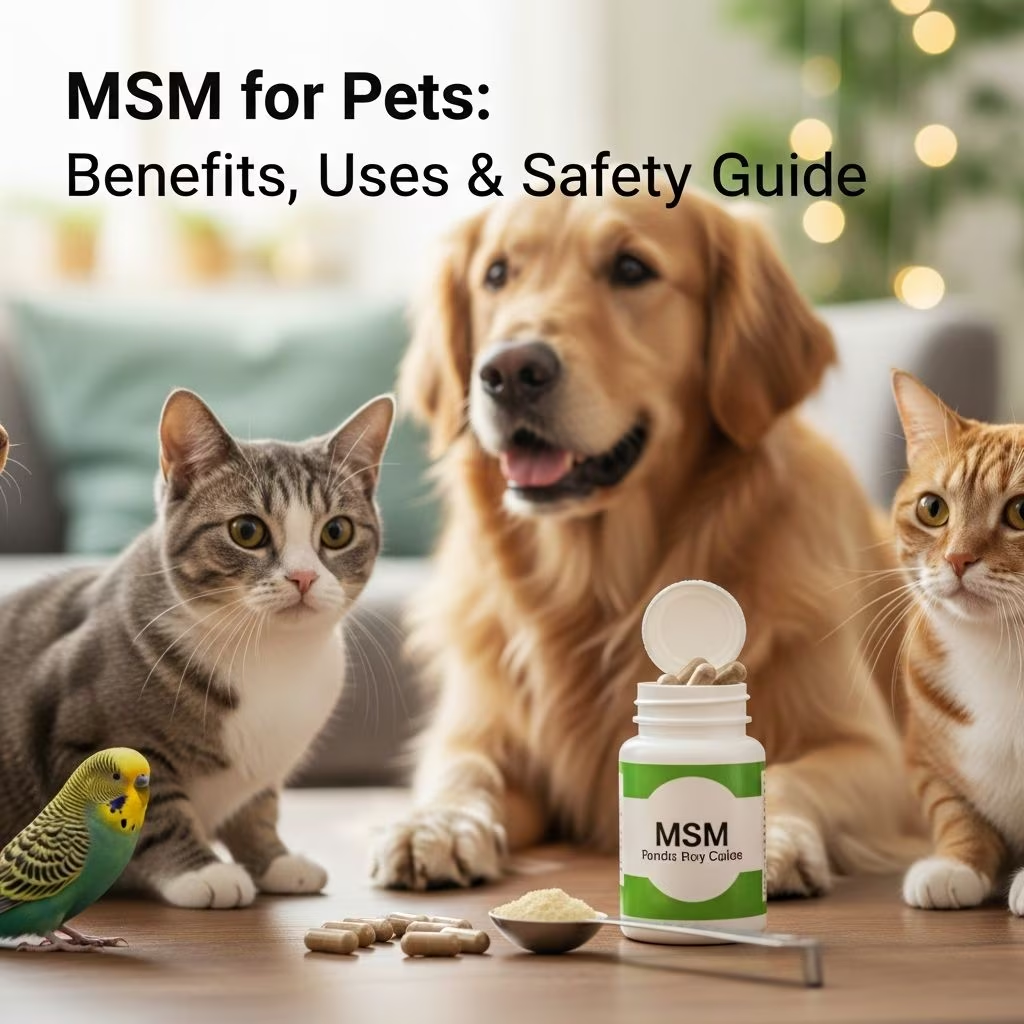
Methylsulfonylmethane (MSM) for Pets: A Comprehensive Guide
Methylsulfonylmethane, commonly known as MSM, is a naturally occurring organic compound that has gained significant popularity as a dietary supplement for pets. This sulfur-containing compound is used primarily as an anti-inflammatory and antioxidant agent to address various health conditions affecting both dogs and cats. Understanding how MSM works and its appropriate use can help pet owners make informed decisions about their animal’s health and wellness regimen.
What Is MSM?
MSM is a naturally occurring sulfur compound found in small amounts in various foods and in the human and animal body. The supplement form is derived from dimethyl sulfoxide (DMSO) and is manufactured for use in dietary supplements. As an organic sulfur source, MSM plays a role in the formation of connective tissues, including cartilage, tendons, and ligaments. The compound has become increasingly popular in veterinary medicine as pet owners seek natural alternatives and complementary therapies for managing chronic conditions.
How MSM Works in Pets
MSM functions through several mechanisms within the body. The sulfur it provides is essential for the synthesis of collagen and keratin, proteins that are critical components of joint cartilage and connective tissue. Additionally, MSM exhibits anti-inflammatory properties that may help reduce swelling and discomfort associated with joint disease. The antioxidant effects of MSM help neutralize free radicals, potentially slowing the progression of degenerative conditions. When pets receive MSM supplementation, these mechanisms work together to support joint function and overall tissue health.
Primary Uses and Benefits
Joint Health and Arthritis Management
The most common use of MSM in veterinary medicine is for managing arthritis and other joint-related conditions. Arthritis is a prevalent concern in aging pets and certain breeds predisposed to joint problems. MSM supplementation may help reduce joint inflammation, improve cartilage health, and support overall joint function. Many pet owners report improvements in mobility and comfort when their animals receive consistent MSM supplementation, particularly when combined with other joint support strategies.
Anti-Inflammatory Support
Beyond joint health, MSM is valued for its broader anti-inflammatory properties. Chronic inflammation affects many aspects of pet health, from skin conditions to gastrointestinal issues. By reducing systemic inflammation, MSM may help address various inflammatory conditions that affect quality of life. The anti-inflammatory effects can be particularly beneficial for senior pets experiencing multiple age-related conditions.
Antioxidant Benefits
As an antioxidant, MSM helps protect cells from oxidative stress caused by free radicals. This protective function becomes increasingly important as pets age, helping to support cellular health and potentially slow the progression of age-related diseases. The antioxidant properties work synergistically with the anti-inflammatory effects to provide comprehensive cellular protection.
Conditions Treated with MSM
Veterinarians may recommend MSM supplementation for various conditions affecting pets:
– Osteoarthritis and degenerative joint disease- Hip dysplasia and its associated joint problems- Inflammatory skin conditions- General musculoskeletal pain and discomfort- Post-surgical recovery and tissue healing- Age-related joint stiffness and mobility issues- Inflammatory gastrointestinal conditions- Muscle and connective tissue support
Dosage and Administration
MSM is administered orally, typically through capsules, tablets, or powder formulations. The appropriate dosage varies depending on the pet’s weight, age, and specific condition being treated. Dosing recommendations generally range from 50 to 100 mg per kilogram of body weight daily, though this should be adjusted based on veterinary guidance. Pet owners should always follow their veterinarian’s specific dosage recommendations, as individual needs may vary significantly.
MSM supplementation often shows gradual benefits over time, with many pet owners observing improvements after 4 to 8 weeks of consistent use. It is important to maintain consistent dosing and be patient with the treatment process, as the compound works by gradually rebuilding and supporting tissue health rather than providing immediate relief.
Safety and Side Effects
MSM is generally considered safe for most pets when used as directed. The compound is well-tolerated and has a low incidence of adverse effects. However, some pets may experience mild gastrointestinal upset, including diarrhea or nausea, particularly when first starting supplementation. These effects are typically temporary and may resolve as the pet’s body adjusts to the supplement.
Certain precautions should be observed when using MSM:
– Pets with severe kidney disease should be monitored, as MSM is processed through the kidneys- Animals with bleeding disorders or taking blood-thinning medications should consult their veterinarian before use- Pregnant or nursing animals should only receive MSM under veterinary supervision- MSM should not replace prescribed medications without veterinary approval- Some pets may have individual sensitivities or allergies to the supplement
Interaction with Other Supplements and Medications
MSM is often used in combination with other joint support supplements, such as glucosamine and chondroitin. These combinations may provide enhanced benefits for joint health through complementary mechanisms of action. Glucosamine helps rebuild cartilage, chondroitin supports cartilage structure, and MSM provides anti-inflammatory and antioxidant support, creating a comprehensive approach to joint care.
When used with prescription medications, MSM generally does not cause significant interactions. However, pet owners should always inform their veterinarian about all supplements their pet is receiving, as individual circumstances may warrant special considerations or dosage adjustments.
Forms and Product Selection
MSM is available in various forms to accommodate different pet preferences and needs:
| Form | Description | Best For |
|---|---|---|
| Capsules | Easy-to-measure individual doses | Pets that can swallow capsules or owners who prefer precision dosing |
| Tablets | Compressed powder form, may be crushable | Pets requiring flexible dosing or those that tolerate tablets |
| Powder | Can be mixed with food or water | Pets that refuse pills or for easier administration |
| Combination formulas | MSM combined with glucosamine and other joint support ingredients | Pets needing comprehensive joint health support |
When selecting MSM products, pet owners should choose reputable manufacturers that provide third-party testing and quality assurance. The supplement should be specifically formulated for veterinary use to ensure appropriate purity and dosage for animals.
Effectiveness and Research
While MSM has become popular in pet health management, scientific evidence regarding its effectiveness is still evolving. Many pet owners report positive results with improved mobility and reduced pain symptoms. However, individual responses to MSM supplementation vary considerably. Some pets show significant improvement, while others may show minimal changes. This variability underscores the importance of working with a veterinarian to assess whether MSM is appropriate for individual pets and to monitor response to treatment.
When to Consider MSM Supplementation
MSM supplementation may be beneficial for pets experiencing:
– Chronic joint pain or arthritis- Reduced mobility or exercise intolerance- Post-surgical recovery requiring tissue healing support- Chronic inflammatory conditions- Age-related joint stiffness- Recovery from athletic injuries or strain- Prevention of joint problems in predisposed breeds
Senior pets, large breed dogs prone to hip dysplasia, and cats with early signs of arthritis are particularly good candidates for MSM supplementation as part of a comprehensive health management plan.
Integrating MSM into a Complete Wellness Plan
MSM supplementation works best as part of a comprehensive approach to pet health. This includes:
– Appropriate weight management to reduce joint stress- Regular, moderate exercise suitable for the pet’s condition- Balanced, nutritious diet supporting overall health- Physical therapy or rehabilitation when appropriate- Veterinary monitoring and follow-up care- Pain management strategies as needed- Environmental modifications to ease mobility challenges
A holistic approach that combines MSM supplementation with these other strategies provides the best opportunity for managing chronic conditions and maintaining quality of life in aging or arthritic pets.
Frequently Asked Questions About MSM for Pets
Q: How long does it take to see results from MSM supplementation?
A: Results from MSM supplementation typically become noticeable after 4 to 8 weeks of consistent use. Some pets may respond more quickly, while others require longer treatment periods. Patience and consistent dosing are important for achieving optimal benefits.
Q: Can I give MSM to my cat as well as my dog?
A: Yes, MSM can be used for both cats and dogs. However, dosing and formulations may differ based on species-specific needs. Always consult your veterinarian for appropriate recommendations for each pet.
Q: Is MSM a replacement for prescription arthritis medications?
A: MSM should not replace prescribed medications without veterinary approval. However, it may complement pharmaceutical treatments and potentially reduce the need for higher doses of medications when used appropriately under veterinary supervision.
Q: What if my pet doesn’t show improvement with MSM?
A: Individual responses to MSM vary. If your pet shows no improvement after 8 to 12 weeks of use, discuss alternative strategies with your veterinarian, which may include different supplements, medications, or therapies.
Q: Are there any contraindications for MSM use in pets?
A: Pets with severe kidney disease, bleeding disorders, or those taking blood-thinning medications should use MSM only under veterinary supervision. Pregnant and nursing animals should also consult their veterinarian before use.
Q: Can I combine MSM with glucosamine and chondroitin?
A: Yes, MSM is commonly combined with glucosamine and chondroitin for enhanced joint support. Many formulated supplements contain all three ingredients. This combination provides complementary benefits for joint health and mobility.
Q: How should MSM be stored?
A: Store MSM supplements in a cool, dry place away from direct sunlight. Keep capsules and tablets in their original containers with lids tightly sealed. Follow storage instructions on the product label for optimal potency.
References
- Methylsulfonylmethane (MSM) — VCA Animal Hospitals. Accessed November 28, 2025. https://vcahospitals.com/know-your-pet/msm
- Glucosamine Chondroitin Combination — VCA Animal Hospitals. Accessed November 28, 2025. https://vcahospitals.com/know-your-pet/glucosamine
- Arthritis Management in Senior Pets — American Animal Hospital Association. Updated 2024. https://www.aaha.org
- Joint Health and Nutritional Supplements for Dogs and Cats — American Veterinary Medical Association. Updated 2023. https://www.avma.org
- MSM and Sulfur Compounds in Veterinary Medicine — Journal of Veterinary Medicine and Surgery. 2022. https://pubmed.ncbi.nlm.nih.gov



