

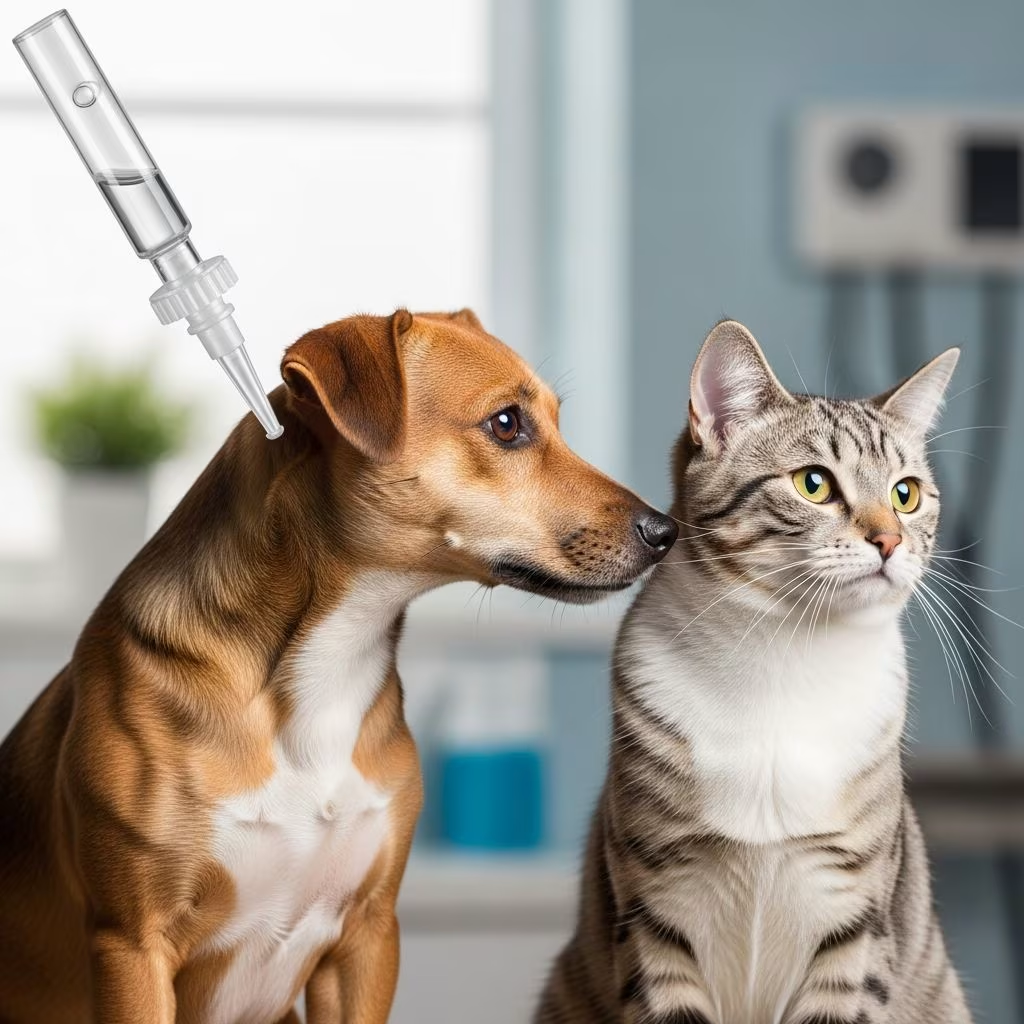
Understanding Moxidectin and Imidacloprid Topical
Moxidectin and imidacloprid topical solutions represent an important category of veterinary medications used to protect pets from various parasites. These long-acting formulations combine two active ingredients that work synergistically to provide comprehensive parasite control. The topical application method offers convenience for pet owners while delivering consistent protection against multiple parasite species that can affect both dogs and cats.
This medication is particularly valued in veterinary practice for its extended duration of action, lasting at least four weeks per application. Understanding how this medication works, its proper use, and potential considerations helps pet owners make informed decisions about their pet’s health and parasite prevention strategy.
What Is Moxidectin and Imidacloprid?
Moxidectin is a macrocyclic lactone antiparasitic agent that has been utilized in veterinary medicine for decades. It works by interfering with the nervous system of parasites, ultimately leading to their paralysis and death. Imidacloprid, on the other hand, is a neonicotinoid insecticide that targets specific receptors in the nervous systems of insects and parasites.
When combined in a topical formulation, these two active ingredients provide a broad spectrum of parasite control. The topical application allows for absorption through the skin, with the medication distributing throughout the pet’s body to provide systemic protection. This combination approach ensures that various parasites are addressed simultaneously through different mechanisms of action, reducing the likelihood of resistance development.
Uses and Indications
Moxidectin and imidacloprid topical solutions are prescribed for multiple parasitic infections affecting both dogs and cats. The medication is particularly effective against:
- Fleas and flea infestations
- Mites, including ear mites and demodectic mites
- Lice infestations
- Heartworms in some formulations
- Intestinal parasites such as roundworms and hookworms
Veterinarians typically recommend this medication as part of a comprehensive parasite prevention program. The extended duration of action means pets require fewer applications throughout the year compared to other parasite prevention methods, improving compliance and ensuring consistent protection.
How Is Moxidectin and Imidacloprid Administered?
This medication is exclusively administered topically, applied directly to the skin. The typical application involves parting the pet’s fur at the base of the neck and applying the liquid solution directly to the skin. This location is chosen specifically because it prevents the pet from licking the medication off and allows for optimal absorption.
Pet owners should ensure the entire contents of the applicator are applied to the skin in one spot or distributed over a small area. The medication should never be applied to wet fur, and pets should not be bathed for at least 48 hours before or after application to ensure proper absorption. Following the veterinarian’s specific instructions regarding application frequency and dosage is crucial for maintaining effective parasite control.
Dosage Information
Proper dosing is essential for ensuring the medication’s effectiveness while minimizing the risk of adverse effects. Dosage typically depends on the pet’s body weight, with different formulations available for various weight ranges. Veterinarians calculate the appropriate dose based on each pet’s individual weight and health status.
The medication is designed to provide protection for at least four weeks per application. However, the specific dosing interval may vary based on the formulation, the pet’s individual response, and the veterinarian’s recommendations. Some pets may require more frequent applications depending on their lifestyle and exposure to parasites. Pet owners should never adjust dosages independently and should always follow their veterinarian’s specific instructions.
Potential Side Effects in Dogs
When used as directed at recommended doses, side effects in dogs are uncommon. However, pet owners should be aware of potential adverse reactions, particularly in sensitive individuals.
Common Side Effects
Most side effects associated with moxidectin-imidacloprid topical in dogs are mild and transient. These may include application site irritation, such as redness or mild irritation at the location where the medication was applied. Some dogs may experience temporary lethargy or reduced activity levels immediately after application.
Serious Side Effects
In dogs that are sensitive to moxidectin, more serious reactions are possible, though rare. These include coma and death in extreme cases of sensitivity. The most severe reactions typically occur when the medication is accidentally ingested rather than applied topically as intended.
If the product is eaten, possible side effects in dogs include depression, salivation, dilated pupils, incoordination, panting, and generalized muscle tremors. These neurologic signs occur because the medication crosses the blood-brain barrier when ingested orally, affecting the central nervous system.
Potential Side Effects in Cats
Cats may experience different side effects compared to dogs, and special attention should be paid to their tolerance of this medication. Behavioral changes may occur in cats, including agitation, excessive grooming, hiding, pacing, and spinning. These behavioral alterations typically resolve without intervention.
Physical Side Effects
Additional side effects in cats may include scratching, application site reactions, rubbing, lethargy, hyperactivity, uncoordinated walking, trembling, excessive salivation, increased drinking, and coughing or gagging.
If Ingested by Cats
Should a cat accidentally ingest the topical solution, possible side effects include increased salivation, tremors, vomiting, and decreased appetite. These signs are typically transient and resolve without specific treatment in most cases.
Duration and Long-Term Effects
This long-acting medication is specifically designed to last for at least four weeks, providing extended parasite protection with a single application. However, negative side effects are usually short-lived if they occur at all. In dogs, even when the medication is accidentally ingested, side effects should not last more than 24 hours in a healthy animal.
The extended duration of the therapeutic effect does not mean that side effects persist for the entire four-week period. Rather, the active ingredients distribute throughout the body and are gradually metabolized over time, with most acute side effects resolving within hours of application or ingestion.
Risk Factors and Contraindications
Certain conditions and patient factors increase the risk of adverse reactions to moxidectin-imidacloprid topical. Understanding these risk factors helps veterinarians and pet owners make informed treatment decisions.
Conditions Where Use Should Be Avoided
Moxidectin-imidacloprid topical should NOT be used in pets that are hypersensitive or allergic to the medication or any of its components. Additionally, the medication should not be used in cats that are sick, debilitated, or underweight.
Conditions Requiring Caution
Use with caution is advised in animals with low body fat, including sick or very young animals, as they are more prone to experiencing side effects. This population includes young kittens and puppies, geriatric animals, and those recovering from illness.
Breed-Specific Considerations
Some breeds of dogs are more sensitive to moxidectin than others. Collies, sheepdogs, and collie-cross or sheepdog-cross breeds may carry a genetic mutation (MDR1) that makes them less able to tolerate high doses of moxidectin. However, when used at prescribed doses for heartworm prevention, the medication is considered safe for MDR1-affected dogs. This genetic variation affects the animal’s ability to transport certain drugs out of the central nervous system, leading to increased drug accumulation in the brain.
Pregnancy, Breeding, and Nursing
Safety in breeding, pregnant, or nursing animals has not been formally established through extensive clinical trials. However, there has been no evidence to date of adverse effects in these populations when using the medication as directed. Pet owners should always inform their veterinarian if their pet is pregnant, nursing, or being considered for breeding before administration of this medication.
Drug Interactions and Precautions
While moxidectin-imidacloprid topical has a favorable safety profile when used alone, certain drug interactions should be considered. Caution should be used when moxidectin is given concurrently with P-gp (P-glycoprotein) substrates in canine patients. Concurrent use with these drugs should be avoided in breeds at risk for sensitivity.
Additionally, topical products should not be given orally as this could result in serious neurologic signs such as depression, incoordination, pupil dilation, and muscle tremor. Care should also be taken to avoid use of these products in cats, particularly ensuring that cats do not have access to dogs’ applications and that cats do not accidentally ingest topical formulations.
Important Safety Information
Application Site Care
After application, the medication requires adequate absorption time. Pets should not be bathed, swum, or exposed to water for at least 48 hours following application. This ensures that the medication remains in contact with the skin long enough for proper absorption.
Storage and Handling
Moxidectin-imidacloprid topical should be stored at room temperature, away from excessive heat or cold. Keep the medication out of reach of children and pets to prevent accidental ingestion. The applicator should be kept in its original packaging until ready for use.
Monitoring After Application
Pet owners should monitor their pets for any signs of adverse reactions in the hours following application. Most side effects, if they occur, manifest within the first few hours and resolve on their own. Any concerning symptoms should be reported to a veterinarian promptly.
Frequently Asked Questions
Q: How often should moxidectin-imidacloprid topical be applied?
A: This medication is typically applied once monthly or every four weeks as recommended by your veterinarian. The specific frequency may vary depending on the formulation and your pet’s individual needs.
Q: Can moxidectin-imidacloprid topical be used on very young puppies or kittens?
A: This depends on the specific formulation. Some products are approved for use in animals as young as 8-12 weeks of age, while others may require animals to be older. Always consult your veterinarian before applying to young animals.
Q: What should I do if my pet accidentally ingests the topical solution?
A: Contact your veterinarian immediately. While serious reactions are unlikely with timely intervention, neurologic signs may develop. Monitor your pet closely for symptoms and seek veterinary care promptly.
Q: Is moxidectin-imidacloprid topical safe for dogs with heartworm?
A: This varies depending on the formulation. Some products are heartworm preventatives, while others are not. Your veterinarian can recommend the appropriate formulation based on your dog’s heartworm status and prevention needs.
Q: Can I use this medication on cats if I use it on dogs?
A: No. Cat-specific formulations must be used for cats, as products formulated for dogs may contain different concentrations that are unsafe for feline use. Always use the formulation specifically prescribed for your pet species.
Q: How long does it take for side effects to resolve?
A: Most side effects resolve within 24 hours in healthy animals. Persistent or severe side effects warrant veterinary attention.
When to Contact Your Veterinarian
Pet owners should contact their veterinarian if their pet experiences severe or persistent side effects following application of moxidectin-imidacloprid topical. Additionally, inform your veterinarian immediately if your pet accidentally ingests the medication, appears to have an allergic reaction, or develops any concerning symptoms.
Regular veterinary check-ups allow your veterinarian to monitor your pet’s response to the medication and make any necessary adjustments to the parasite prevention plan based on your pet’s individual needs and tolerance.
Conclusion
Moxidectin and imidacloprid topical solutions provide effective, convenient parasite prevention for both dogs and cats when used as directed. The combination of two active ingredients offers comprehensive protection against multiple parasite species, while the extended duration of action reduces the frequency of applications required. By understanding the proper use, potential side effects, risk factors, and safety considerations associated with this medication, pet owners can work collaboratively with their veterinarians to maintain optimal parasite control and overall pet health. Always follow your veterinarian’s specific recommendations and report any concerns promptly to ensure the best outcomes for your beloved pets.
References
- Moxidectin for Dogs — Today’s Veterinary Practice. 2024. https://todaysveterinarypractice.com/pharmacology/moxidectin-for-dogs/
- Moxidectin Topical — VCA Animal Hospitals. 2024. https://vcahospitals.com/know-your-pet/moxidectin-topical
- Clinical presentation and management of moxidectin toxicity in two dogs — PubMed Central, National Center for Biotechnology Information. 2006. https://pubmed.ncbi.nlm.nih.gov/17004957/
- imoxat, INN-imidacloprid/moxidectin: Summary of Product Characteristics — European Commission Health and Food Safety. 2023. https://ec.europa.eu/health/documents/community-register/2023/20230126158114/anx_158114_en.pdf
- Moxidectin — United States Department of Agriculture (USDA). https://www.ams.usda.gov/sites/default/files/media/Moxidectin.pdf



