

Moxidectin and Imidacloprid Topical: A Complete Pet Owner’s Guide
Moxidectin and imidacloprid topical solutions represent important advances in veterinary parasitology, offering pet owners effective options for protecting their dogs and cats from various parasitic threats. This long-acting medication combines two powerful active ingredients to deliver comprehensive protection against multiple parasites. Understanding how this medication works, how to administer it properly, and what to expect during treatment is essential for responsible pet care.
What Is Moxidectin and Imidacloprid Topical?
Moxidectin and imidacloprid topical is a combination medication designed for external application to pets’ skin. Moxidectin is a macrocyclic lactone antiparasitic agent, while imidacloprid belongs to the neonicotinoid class of insecticides. When combined, these two active ingredients work synergistically to eliminate and prevent various parasites that commonly affect dogs and cats, including fleas, ticks, mites, and intestinal parasites. The topical formulation ensures targeted delivery of the medication while minimizing systemic absorption compared to oral alternatives.
How Does This Medication Work?
Moxidectin functions by enhancing the effects of gamma-aminobutyric acid (GABA), a neurotransmitter in parasites. This mechanism disrupts normal nerve function in parasites, leading to paralysis and death. Imidacloprid, conversely, interferes with nicotinic acetylcholine receptors in parasites’ nervous systems, causing hyperexcitation and eventual death. Together, these mechanisms provide broad-spectrum parasite control. The topical application allows the medication to spread across the skin surface, creating a protective barrier while also being absorbed systemically for internal parasite protection.
Uses and Indications
Veterinarians prescribe moxidectin and imidacloprid topical solutions for several important purposes:
- Prevention and treatment of flea infestations
- Control of tick populations on dogs and cats
- Treatment of mite infections, including ear mites and sarcoptic mange
- Prevention of heartworm disease in dogs
- Control of intestinal parasites such as hookworms, roundworms, and whipworms
- Protection against lice in both dogs and cats
The broad spectrum of activity makes this combination product particularly valuable for pet owners seeking comprehensive parasite management in a single application.
Dosing and Administration
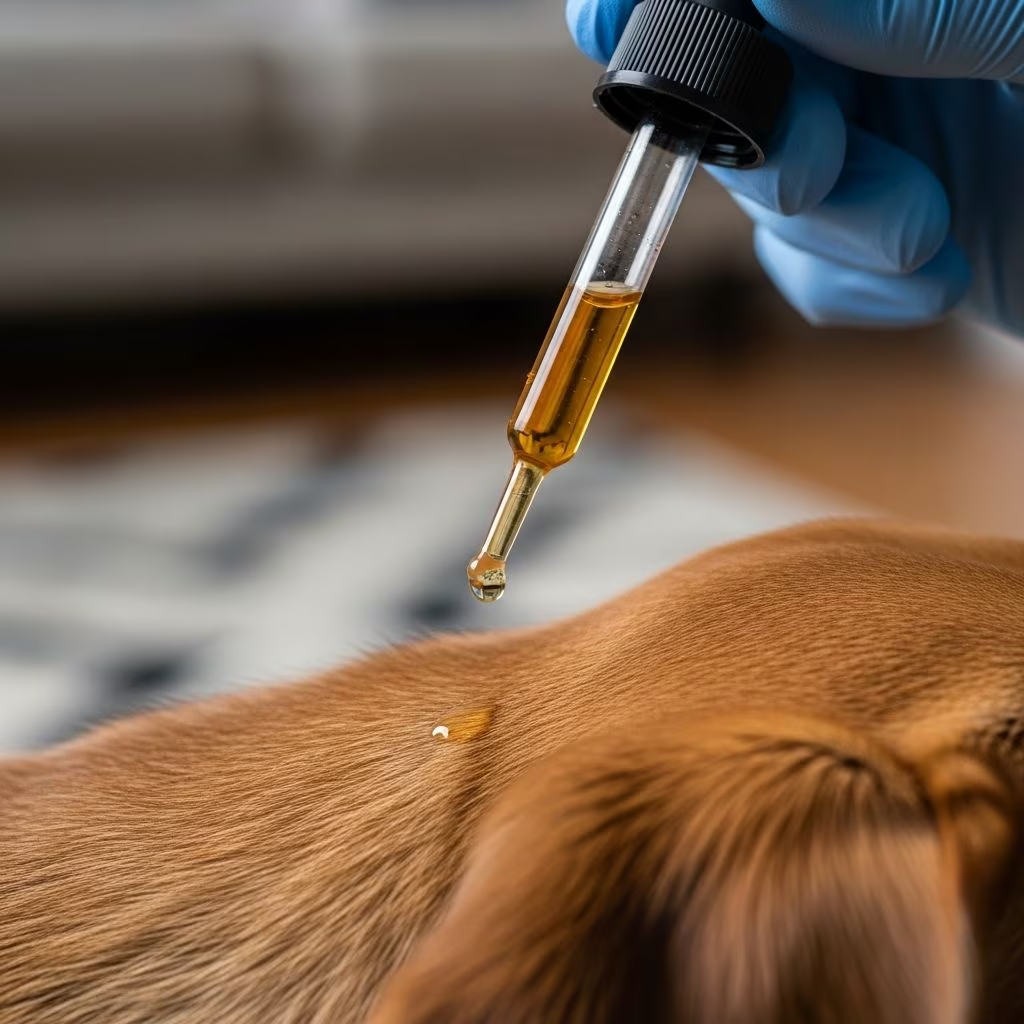
Proper dosing is critical for both efficacy and safety. The dose of moxidectin and imidacloprid topical is calculated based on your pet’s body weight, and your veterinarian will determine the appropriate formulation and volume for your specific animal. The medication typically comes in pre-filled applicator tubes or bottles designed for easy at-home application.
Application Instructions:
- Part your pet’s fur at the base of the skull or between the shoulder blades
- Apply the entire contents of the applicator directly to the skin in one spot
- Avoid bathing or allowing your pet to swim for at least 48 hours after application
- Wash your hands thoroughly after application
- Allow the application site to dry completely
- Keep the product away from eyes and mouth
The medication should be applied monthly or as directed by your veterinarian. This long-acting formulation is designed to maintain effectiveness for at least four weeks, providing consistent parasite protection throughout the month.
Duration of Action
This medication represents a long-acting formulation designed to last for at least four weeks. However, individual pets may show variation in how long the medication remains effective. Factors such as your pet’s metabolism, the specific parasites being treated, and environmental exposure can influence duration. Your veterinarian will recommend an application schedule that provides optimal protection for your pet’s lifestyle and risk factors.
Are There Any Potential Side Effects?
While moxidectin and imidacloprid topical is generally well-tolerated in dogs and cats when used as directed, some pets may experience side effects. Understanding these potential reactions helps you monitor your pet appropriately and know when to contact your veterinarian.
Side Effects in Dogs
In dogs, side effects are uncommon when the medication is used as directed at recommended doses. When side effects do occur, they are typically mild. However, in dogs that are particularly sensitive to moxidectin, more serious reactions including coma and death are possible, though these are rare.
If the product is accidentally eaten by your dog, possible side effects include:
- Depression or lethargy
- Excessive salivation
- Dilated pupils
- Incoordination or ataxia
- Panting or rapid breathing
- Generalized muscle tremors
Side Effects in Cats
Cats can exhibit different side effects compared to dogs, and behavioral changes are commonly reported. These behavioral changes may include agitation, excessive grooming, hiding, pacing, and spinning. Physical side effects in cats can include scratching, application site reactions, rubbing, lethargy, hyperactivity, and uncoordinated walking.
Additional potential side effects in cats:
- Trembling or muscle tremors
- Excessive salivation
- Increased drinking (polydipsia)
- Coughing or gagging
If your cat accidentally ingests the topical product, possible side effects include increased salivation, tremors, vomiting, and decreased appetite.
Duration of Side Effects
An important consideration is that negative side effects are usually short-lived if they occur at all. In dogs, even when the medication is accidentally ingested, side effects should not last more than 24 hours in a healthy animal. This relatively brief duration provides reassurance for pet owners, though any concerning symptoms should still prompt veterinary consultation.
Risk Factors and Contraindications
Certain pets are at higher risk for adverse reactions and may not be suitable candidates for this medication, or may require special monitoring.
Do NOT Use In:
- Pets that are hypersensitive or allergic to moxidectin, imidacloprid, or any other ingredient in the formulation
- Cats who are sick, debilitated, or underweight
Use With Caution In:
- Animals with low body fat, including those that are sick or very young, as they are more prone to side effects
- Dogs with a history of allergic conditions
- Sick, debilitated, or underweight dogs
Genetic Sensitivity Considerations
Some breeds of dog, particularly collies, sheepdogs, and their crosses, are more sensitive to moxidectin than other breeds. This increased sensitivity is typically due to a genetic mutation known as MDR1 (multidrug resistance gene mutation), which makes these dogs less able to tolerate higher doses of moxidectin and related compounds. However, when used at prescribed doses for heartworm prevention and parasite control, moxidectin-imidacloprid topical is considered safe for MDR1-affected dogs. Research has demonstrated that this combination product remains safe for use at doses up to five times the recommended dose, even in ivermectin-sensitive collies.
Safety in Special Populations
The safety of moxidectin and imidacloprid topical in breeding, pregnant, or nursing animals has not been formally established. However, to date, there has been no evidence of adverse effects in these animal populations. Nevertheless, it is prudent to discuss with your veterinarian whether treatment is necessary during pregnancy or nursing, as alternatives may be available if there are specific concerns.
Important Safety Information
Keep Away From Eyes and Mouth: This topical solution should not enter your pet’s eyes or mouth. In case of accidental contact, rinse thoroughly with water and seek veterinary attention if irritation persists.
Do Not Give Orally: The topical formulation of moxidectin and imidacloprid should never be administered orally, as this could result in serious neurological signs including depression, incoordination, pupil dilation, and muscle tremor.
Special Caution in Cats: While topical applications can generally be used in cats at recommended doses, extra care should be taken in feline patients. Cats are more sensitive to certain medications than dogs, and behavioral or neurological changes should be monitored closely.
Water Safety: The topical product should not enter water courses as it has harmful effects on aquatic organisms.
Drug Interactions
Before administering moxidectin and imidacloprid topical, inform your veterinarian of any other medications or supplements your pet is currently taking. Certain drug interactions are possible, particularly with medications that inhibit the P-glycoprotein (P-gp) transport system. When moxidectin is given concurrently with P-gp substrates, the risk of neurological toxicity may increase, especially in breeds predisposed to sensitivity. Your veterinarian will assess these risks and adjust treatment accordingly.
Storage and Handling
Store moxidectin and imidacloprid topical according to the product instructions, typically at room temperature away from direct sunlight. Keep the medication in its original container and out of reach of children and pets. Do not use the product after the expiration date stamped on the packaging.
When to Contact Your Veterinarian
Contact your veterinarian immediately if your pet experiences any of the following after receiving moxidectin and imidacloprid topical:
- Severe or prolonged neurological signs such as tremors, seizures, or incoordination
- Difficulty breathing or respiratory distress
- Severe vomiting or diarrhea
- Signs of allergic reaction such as facial swelling, difficulty breathing, or hives
- Behavioral changes that are concerning or unrelenting
- Accidental ingestion of the product
- Any other symptoms that concern you
Frequently Asked Questions (FAQs)
Q: How long does moxidectin and imidacloprid topical take to work?
A: The medication begins working relatively quickly, with fleas and ticks often being eliminated within hours of application. However, the full protective effect develops over the first few days as the medication distributes across the skin surface and is absorbed systemically.
Q: Can I bathe my pet after applying moxidectin and imidacloprid topical?
A: It is recommended that you avoid bathing or allowing your pet to swim for at least 48 hours after application. This allows sufficient time for the medication to be properly absorbed through the skin.
Q: Is this medication safe for puppies and kittens?
A: The safety and efficacy in young animals depends on the specific product formulation and your pet’s age and weight. Always consult your veterinarian before using any medication in young animals, as they may be more sensitive to the active ingredients.
Q: What should I do if my pet accidentally ingests the topical product?
A: Contact your veterinarian or animal poison control immediately. While side effects are typically transient and resolve within 24 hours in healthy animals, professional guidance is important for proper management.
Q: Can this medication be used in pregnant or nursing pets?
A: Safety has not been formally established in breeding, pregnant, or nursing animals, though no adverse effects have been documented to date. Discuss this with your veterinarian to determine the best approach for your specific situation.
Q: Are collies and sheepdog breeds safe using this medication?
A: Yes, moxidectin and imidacloprid topical is safe for MDR1-affected breeds such as collies and sheepdogs when used at prescribed recommended doses. The product has been tested and approved for use in these sensitive breeds.
Q: How often should this medication be applied?
A: Moxidectin and imidacloprid topical is typically applied monthly to maintain continuous parasite protection. Your veterinarian may adjust the frequency based on your pet’s specific needs and risk factors.
Q: What are the signs that my pet might be having an adverse reaction?
A: Watch for neurological signs such as tremors, incoordination, or behavioral changes; respiratory distress; severe gastrointestinal symptoms; or signs of allergic reaction. Contact your veterinarian immediately if you observe any concerning symptoms.
Conclusion
Moxidectin and imidacloprid topical represents an effective and generally well-tolerated option for comprehensive parasite prevention and treatment in dogs and cats. When used as directed by your veterinarian, this medication provides broad-spectrum protection against fleas, ticks, mites, and intestinal parasites. Understanding the proper application technique, potential side effects, and safety considerations ensures that you can provide your pet with optimal parasite protection while maintaining their health and wellbeing. Always follow your veterinarian’s specific instructions and contact them with any questions or concerns about this medication.
References
- Moxidectin for Dogs — Today’s Veterinary Practice. 2024. https://todaysveterinarypractice.com/pharmacology/moxidectin-for-dogs/
- Clinical presentation and management of moxidectin toxicity in two dogs — PubMed Central, National Center for Biotechnology Information. 2006. https://pubmed.ncbi.nlm.nih.gov/17004957/
- Imoxat (imidacloprid/moxidectin) – European Medicines Agency — European Commission Health and Food Safety. 2023. https://ec.europa.eu/health/documents/community-register/2023/20230126158114/anx_158114_en.pdf
- Moxidectin – United States Department of Agriculture — USDA National Organic Program. 2024. https://www.ams.usda.gov/sites/default/files/media/Moxidectin.pdf



