

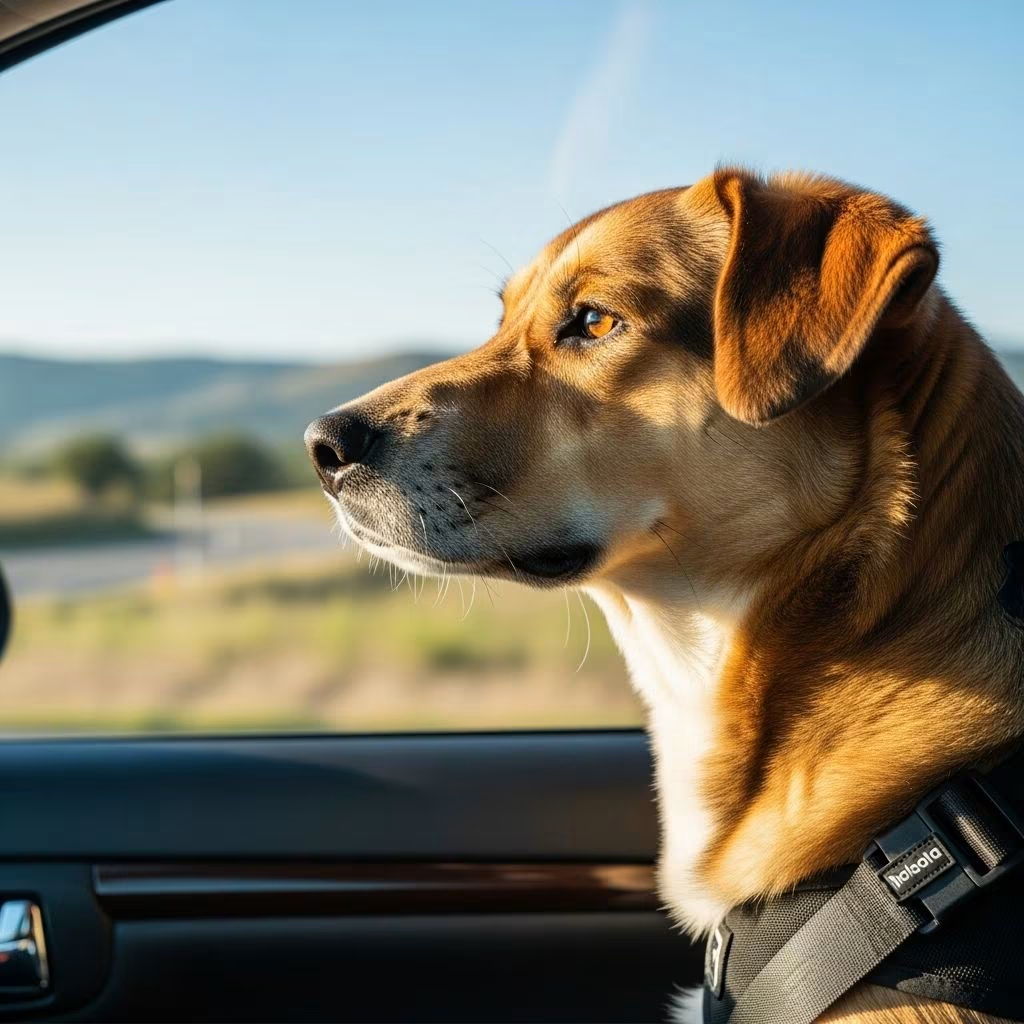
Moving with Dogs: How to Relocate Without Stressing Out Your Pup or Yourself
Moving to a new home is one of life’s major transitions, and it can be just as stressful for your dog as it is for you. Dogs thrive on routine and familiar environments, so the upheaval of packing boxes, strangers coming through your home, and the journey to an unfamiliar place can trigger anxiety and confusion. However, with proper planning and thoughtful execution, you can make the moving process significantly less stressful for your canine companion. This comprehensive guide will walk you through every stage of relocating with your dog, from pre-move preparation through settling into your new home.
Pre-Move Preparation: Setting Your Dog Up for Success
The foundation for a stress-free move begins weeks before moving day. Taking time to prepare your dog and handle essential administrative tasks will ensure that both you and your pet are ready for the transition ahead.
Research Local Regulations and Laws
Before you move, it’s crucial to understand the pet regulations in your destination. Different states, counties, and municipalities have varying requirements for pet ownership, licensing, and leash laws. Consult the Animal and Plant Health Inspection Service (APHIS) website to determine what health requirements your dog must meet in your new location. Research your new state’s specific pet licensing laws, breed restrictions, and any mandatory vaccination requirements. If you’re moving to another country, the USDA is an excellent resource for understanding international pet entry requirements.
Update Your Dog’s Identification
One of the most important administrative tasks is updating your dog’s ID tag with your new address and phone number. Additionally, contact your microchip provider and update your dog’s microchip information with your current address and contact details. If your dog panics during the move and escapes, having current identification makes it exponentially easier for your new neighbors or local shelters to return your pet to you.
Locate a New Veterinarian
Finding quality veterinary care in your new location should be a priority. Ask your current veterinarian for recommendations, or research local veterinary clinics in your new area that are accepting new patients. Take time to call ahead and inquire about their services, hours, and emergency care options. It’s also helpful to locate the nearest emergency veterinary hospital before you move, so you know where to go if your dog needs urgent care. Before moving day, fill any necessary prescriptions your dog requires so you won’t have to worry about that while settling into your new home.
Visit the Vet for Health Checks
Schedule a pre-move veterinary appointment to ensure your dog is in optimal health before the move. Discuss any concerns about travel stress, motion sickness, or anxiety. Your vet may recommend calming supplements, medications, or anxiety-reducing strategies tailored to your dog’s specific needs. If you’re moving across state lines or internationally, obtain any necessary health certificates or vaccination records.
Get Your Dog Accustomed to Travel
If your dog isn’t used to car rides, begin taking short trips to help them become comfortable with vehicle travel. Start with brief drives around your neighborhood and gradually increase the duration. Practice proper restraint methods—whether using a crash-tested harness, travel crate, or car barrier—to keep your dog safe during transport. If your dog is susceptible to motion sickness, discuss preventative medications with your veterinarian.
Moving Day Strategy: Keeping Your Dog Safe and Calm
Moving day presents unique challenges with doors constantly opening and closing, strangers moving through your home, and general chaos. Your primary goal is keeping your dog safe while minimizing their stress.
Create a Safe Space
Designate a quiet room in your home that’s away from the main moving activity. Furnish this space with your dog’s sleeping pad, water bowl, some toys, and a few familiar items that smell like your old home. Keep this area as calm and undisturbed as possible throughout the day. Close the door to prevent your dog from accidentally escaping when movers enter and exit.
Arrange Alternative Care for Moving Day
If possible, arrange for your dog to spend moving day at a trusted friend’s or neighbor’s house for a playdate. This completely removes them from the stressful environment and keeps them safe away from open doors and moving equipment. If this isn’t an option, keep your dog confined to their designated safe room or crate with food, water, and entertainment.
Pack Strategically
Pack your dog’s items in a separate, clearly marked box and load it last on the moving truck so it’s the first thing you can access at your new home. This box should contain dishes, food, treats, medications, bed, toys, and other essential items. Include comfort items that smell like your old home—your dog will find these reassuring in an unfamiliar environment. Don’t use this move as an opportunity for a “doggy makeover” with new bedding or toys; familiar items provide crucial emotional comfort.
Pack Your Dog Last
When it’s time to load your dog into the vehicle, do so as the final step so they spend minimal time in the car waiting. Take them for a bathroom break and a short walk before loading to help them relax. Ensure proper restraint for the journey, whether through a crate, car barrier, or safety harness.
Provide Comfort Items During Transport
Give your dog a t-shirt or towel that smells like you and your old home during the drive. This familiar scent acts as a security blanket and can help reduce anxiety during travel. Keep the vehicle at a comfortable temperature and make periodic stops for bathroom breaks and stretching, especially on longer drives.
Arriving at Your New Home: First Steps
The moment you arrive at your new home, how you introduce your dog to the space significantly impacts their adjustment process.
Create a Controlled Entry
When you arrive, place your dog in a quiet, safe area away from the open door and chaos of unloading. Don’t let them roam freely while movers are bringing in furniture and boxes. Keep them contained until the moving activity has slowed and doors are less frequently opened. This prevents them from bolting out during moments of confusion or fear.
Arrange Familiar Furniture Placement
If possible, set up your furniture in a similar pattern to your old home. Place your dog’s bed in the same relative location (for example, living room corner or bedroom), and position food and water dishes in a familiar spot relative to other kitchen elements (such as beside the refrigerator). These spatial consistencies help your dog navigate and feel more secure in the new environment.
Maintain Routine Consistently
Immediately re-establish your dog’s normal routine with regular mealtimes, walks, playtime, and potty breaks at their accustomed times. Routine provides predictability and comfort during an otherwise chaotic period. Stick to your dog’s regular feeding schedule, exercise routine, and bedtime as closely as possible.
Helping Your Dog Adjust to the New Home
After the initial moving day settles, your focus should be on helping your dog gradually acclimate to their new surroundings.
Introduce Spaces Gradually
On arrival, keep your dog confined to a single area of the house, ideally where their bed, food, and water bowls are located. Once they seem comfortable in this space, gradually expand their access to other rooms. Walk them around on leash and provide treats as you enter each area to create positive associations with different parts of the home. For anxious dogs, this gradual introduction helps them feel safe and prevents overwhelming them with too much new space at once.
Show Them Key Locations
Take your dog on a guided tour to show them important areas: where their food and water bowls are, where their bed is located, and where their toys are kept. Most dogs will naturally be curious and want to roam from room to room, but this guided introduction helps them understand the layout and reduces anxiety.
Maintain Familiar Belongings
Resist the urge to replace your dog’s old toys, beds, water dishes, or other belongings. The more familiar objects your dog has in the new home, the better they’ll adjust. These items carry scents and memories from your old home, providing emotional comfort during this transition.
Avoid Routine Changes
This is not the time to implement new training, change your dog’s food, or alter their exercise routine. Keep everything as consistent as possible while they adjust to the new physical environment. Once they’ve settled into the new home—typically after a few weeks—you can gradually introduce any changes you’ve planned.
Special Considerations for Different Moving Scenarios
Cross-Country Moves
For long-distance moves, consider your dog’s comfort during extended car time. Plan pet-friendly accommodations if you’re breaking the journey into multiple days. Many hotels now offer pet-friendly rooms—search for these accommodations in advance and make reservations early. Bring plenty of water, familiar food, and portable water and food bowls.
International Moves
If you’re relocating to another country, international moves require significantly more preparation. Research import regulations well in advance, as requirements vary dramatically by country. Some countries require quarantine periods, specific health certificates, or proof of rabies vaccination. International pet relocation services can handle much of this complexity, though they represent a significant investment.
Professional Moving Services
Consider hiring movers who have experience with pets and offer specialized pet relocation services. Professional movers familiar with pet moves understand the unique challenges and can provide specialized services to ensure your dog’s safety and comfort. Communicate your dog’s presence and any specific needs to the moving company in advance.
Creating a Pet-Proof New Home
Before your dog arrives at the new home, take time to pet-proof the space. Check for secure fencing in the backyard, remove any toxic plants or substances, and ensure windows and doors close securely. Set up designated areas for your dog’s bed, food, and toys in quiet, comfortable locations away from high-traffic areas.
Emergency Preparedness
Pack a separate emergency bag for your dog containing important documents, medications, first-aid supplies, recent photos, and extra food. Keep this bag easily accessible during the move and when settling into your new home. Have current identification tags and microchip information in place in case your dog accidentally escapes during the transition.
Frequently Asked Questions About Moving With Dogs
Q: How long does it take for a dog to adjust to a new home?
A: Dogs typically adjust to a new home within 2-4 weeks, though some may take longer. Maintaining consistent routines and providing familiar items accelerates this adjustment period.
Q: Should I use sedatives or calming medications for my dog during the move?
A: Consult your veterinarian before considering any medications. They can recommend appropriate options based on your dog’s age, health, and anxiety level. Never give your dog medication without professional guidance.
Q: What if my dog has severe anxiety about moving?
A: Dogs with severe anxiety benefit from professional help. Ask your vet about anxiety management strategies, consider hiring a professional dog trainer experienced with relocation, or explore professional pet relocation services that specialize in anxious dogs.
Q: Can I move my dog’s food and water bowls to new locations right away?
A: It’s best to keep food and water bowls in the same relative locations as your old home. After your dog has adjusted to the new space (typically 2-4 weeks), you can gradually move these items to permanent locations.
Q: How do I help my dog feel secure in the new home?
A: Maintain consistent routines, provide familiar belongings, arrange furniture similarly to your old home, and gradually introduce your dog to different spaces. Spending quality time with your dog and maintaining calm, reassuring behavior also helps them feel secure.
Q: Should I take my dog to the new house before moving day?
A: A quick preview visit can be helpful, but don’t make it stressful. A brief, calm introduction a day or two before moving day can help your dog recognize the space when you arrive with all your belongings.
References
- Ways to Make Moving Into a New Home With a Dog Less Stressful — American Kennel Club. 2025. https://www.akc.org/expert-advice/home-living/moving-with-dog/
- How To Move With Dog: The Ultimate Guide — Let’s Get Moving. 2025. https://letsgetmoving.ca/blog/how-to-move-with-dog/
- 11 Tips For Moving With Pets | Your Ultimate Guide — Einstein Moving. 2025. https://www.einsteinmoving.com/moving-with-pets-tips-tricks/
- Cross-country pet moves made easy: A guide for pet parents — JK Moving. 2025. https://www.jkmoving.com/blog/residential-moving/cross-country-pet-moves
- Guide to Moving With Pets — This Old House. 2025. https://www.thisoldhouse.com/moving/moving-with-pets



