

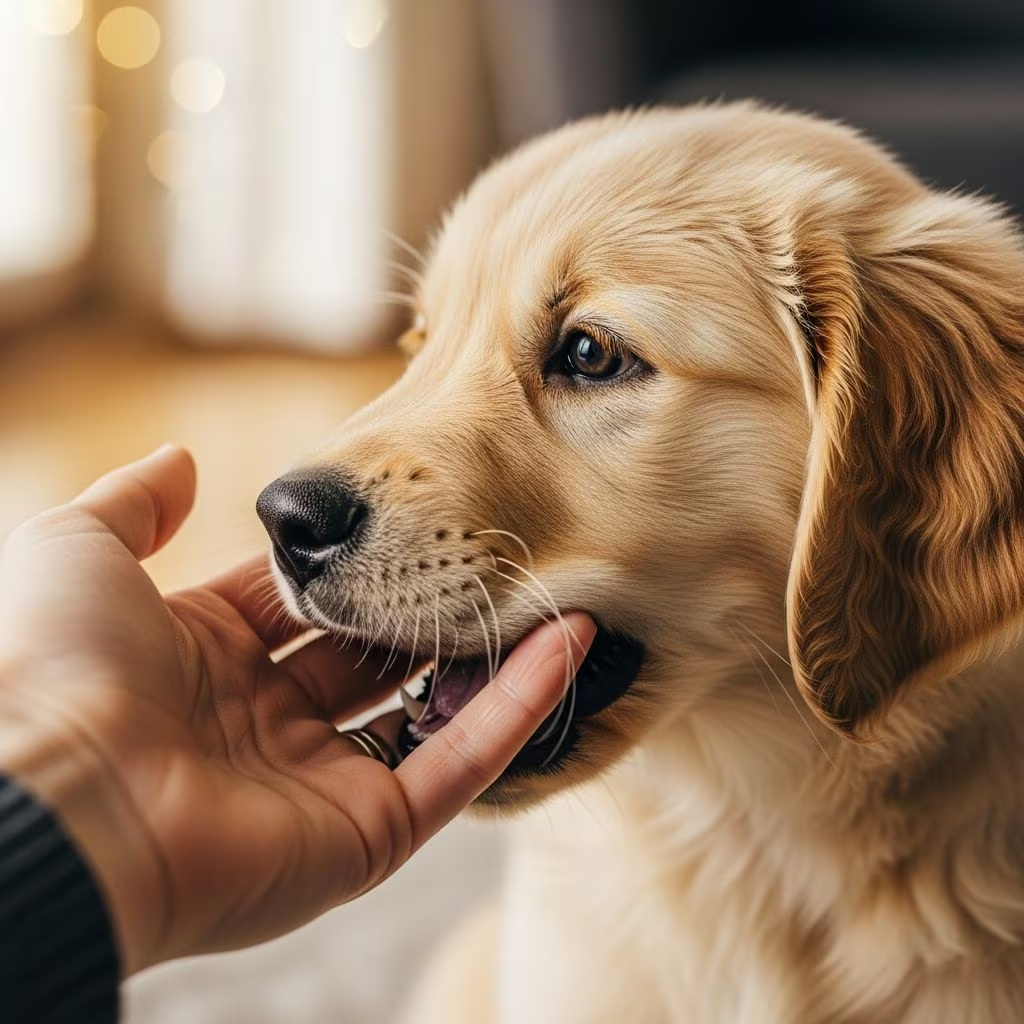
Puppies naturally explore the world with their mouths, leading to mouthing, nipping, and biting behaviors that can frustrate owners. These actions stem from teething, play, and learning bite inhibition, but consistent training helps puppies develop gentle mouth manners.
Why Is My Puppy Biting Me?
Puppies bite for several reasons rooted in their development. During the first few months, they teethe, causing discomfort that prompts chewing on hands, feet, or clothing to relieve gum pain. Play biting mimics littermate interactions, where puppies chase, pounce, and nip to practice hunting and social skills.
Without littermates, puppies may not learn bite control, leading to harder nips on humans. They also mouth to solicit attention or during excitement, testing boundaries. Fear or overstimulation can escalate mouthing into nipping, though most puppy biting is playful rather than aggressive.
- **Teething discomfort**: Puppies aged 3-6 months chew to soothe sore gums.
- **Play and exploration**: Mouths everything like littermates did.
- **Attention-seeking**: Learns biting gets a reaction.
- **Lack of inhibition**: Needs human guidance to control bite pressure.
Bite Inhibition
**Bite inhibition** is the ability to control bite force, preventing injury even when teeth contact skin. Puppies develop this through littermate play: a hard bite elicits a yelp and play pause, teaching gentleness.
Isolated puppies miss this lesson, so owners must replicate it. Without proper inhibition, adult dogs may bite harder during stress, increasing injury risk. Training starts young, gradually reducing acceptable bite pressure from moderate to none.
Key benefits include safer play and reduced aggression potential. Studies show early bite inhibition training correlates with calmer adult dogs.
Play Biting and Mouthing Puppies
Play biting peaks between 8-16 weeks as puppies test teeth strength. Allow gentle mouthing on hands initially to build trust, but interrupt hard nips. Puppies under 5 months tolerate moderate bites; older ones require stricter responses.
During rough play, freeze movement if teeth touch skin, mimicking a hurt littermate. This teaches that mouthing ends fun. Provide chew toys to redirect energy, preventing fixation on human skin.
How Can I Get My Puppy to Stop Mouthing My Hand or Clothing?
Follow a structured yelp-and-timeout method to discourage mouthing. When puppy mouths hard, yelp loudly like “Ouch!” and go limp or withdraw attention.
- Yelp high-pitched and pause play for 10-20 seconds.
- If persistent, step away or use a baby gate for 20-second timeout.
- Praise calm behavior upon return.
- Gradually reduce tolerance: from moderate to gentle mouthing weekly.
For clothing or feet, carry a tug toy; wave it to redirect when ambushed. Freeze feet movement until puppy disengages, then reward with toy.
Teaching Bite Inhibition and Providing Chew Toys
Replicate litter feedback: sharp “Ah-ah!” or yelp at teeth contact, then redirect to toys. Offer varied textures like Kongs, ropes, and frozen carrots for teething.
- Select durable, puppy-safe toys.
- Rotate to maintain interest.
- Praise chewing toys over hands.
Impulse control exercises like “sit,” “wait,” and “leave it” reinforce no-teeth-on-skin rule.
Play Biting and Mouthing Adult Dogs
Adult mouthing often persists from poor puppy training. Most is playful, but fear-based biting signals aggression issues needing professional help.
Use similar techniques: yelp at hard bites, timeout for any skin contact. Progressively enforce gentler play until no pressure felt. For ankles, freeze and redirect to toys.
| Method | Puppy | Adult Dog |
|---|---|---|
| Yelp & Limp | Moderate bites OK initially | Any skin contact |
| Timeout Duration | 20 seconds | 30-60 seconds |
| Redirection | Chew toys | Tug toys for feet |
Other Ways to Stop Puppy Biting
Alternatives include taste deterrents like bitter sprays on skin/clothing for 2 weeks. Breath freshener bursts into mouth at mouthing onset, but avoid wrestling.
Leash-tether to furniture for timeouts if room exit impractical. Never hit, shake, or punish physically, as it worsens biting or causes fear aggression.
- **Positive reinforcement**: Treats/praise for gentle play.
- **Exercise**: Daily walks prevent frustration biting.
- **Socialization**: Playdates teach dog-dog manners.
Frequently Asked Questions
When will my puppy stop biting?
Puppies often outgrow peak biting by 6-8 months with training, though teething lasts until 7 months. Consistency speeds improvement.
Is it normal for my puppy to bite me?
Yes, very normal. It’s exploration and play, not malice. Training channels it appropriately.
What if yelping doesn’t work?
Escalate to timeouts, redirection, or deterrents. Consult a trainer if persistent past 6 months.
Should I let my puppy mouth my hands?
Gently yes initially for inhibition training, then phase out all mouthing.
How do I stop biting during play?
Pause play, yelp, timeout. Resume only with gentle behavior.
Conclusion
Patient, positive training transforms mouthy puppies into gentle companions. Start early, stay consistent, and seek pro help for aggression signs.
References
- Dog: Play Biting and Mouthing — San Francisco SPCA. 2023-02. https://www.sfspca.org/wp-content/uploads/2023/02/dog_behavior_puppy-play-biting-and-mouthing.pdf
- Puppy Behavior: Nipping, Biting, and Rough Play — Sacramento SPCA. N/A. https://www.sspca.org/sites/main/files/file-attachments/puppy_behavior_nipping_biting_and_playing.pdf
- Mouthing, Nipping and Play Biting in Adult Dogs — ASPCA. N/A. https://www.aspca.org/pet-care/dog-care/common-dog-behavior-issues/mouthing-nipping-and-play-biting-adult-dogs
- Bite Inhibition and Mouth Manners for Puppies — Proven Dog Training. N/A. https://www.provendogtraining.com/bite-inhibition-and-mouth-manners-for-puppies/
- Puppy Behavior – Nipping and Biting — SPCA. N/A. https://spca.org/file/Puppy-Behavior—Nipping–Biting.pdf
- Managing Mouthing in Dogs — Animal Humane Society. N/A. https://www.animalhumanesociety.org/resource/managing-mouthing-dogs



