

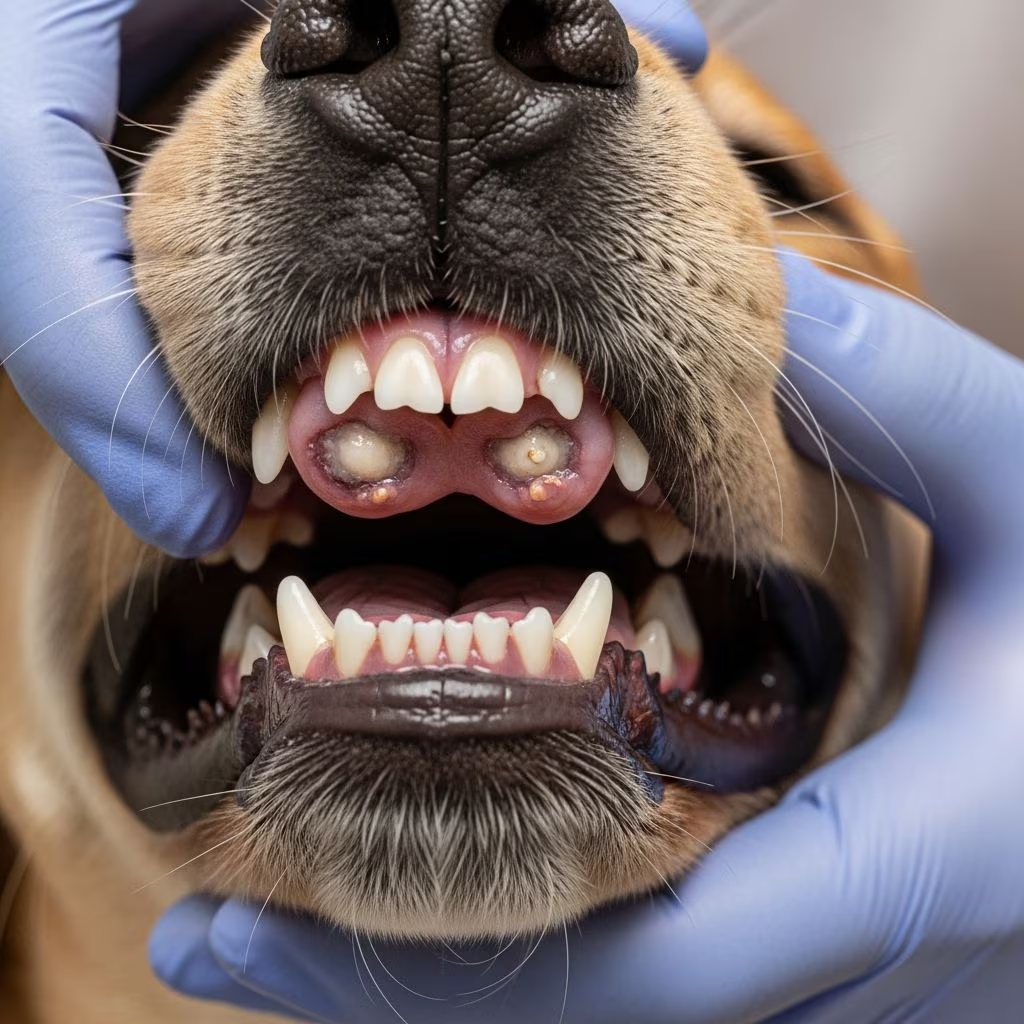
Mouth ulcers in dogs, also known as oral sores or stomatitis, are painful lesions that appear on the gums, tongue, lips, or inner cheeks. These erosions disrupt eating, cause discomfort, and may indicate underlying health problems ranging from dental plaque buildup to systemic diseases. Early detection and intervention are crucial for alleviating pain and addressing root causes.
Understanding the Nature of Oral Ulcers in Canines
Oral ulcers manifest as red, inflamed, or eroded areas in a dog’s mouth, often bleeding or covered with a white-yellow film. They differ from minor injuries by their persistence and association with broader conditions. In chronic cases like Chronic Ulcerative Paradental Stomatitis (CUPS), ulcers cluster near teeth due to an overactive immune response to plaque bacteria. Unlike temporary scrapes, these lesions worsen without treatment, leading to weight loss and behavioral changes.
Primary Causes Behind Canine Mouth Ulcers
Dog mouth ulcers arise from local irritations, immune reactions, or systemic imbalances. Identifying the trigger is essential for targeted therapy.
- Dental and Periodontal Disease: Plaque and tartar accumulation irritate gums, creating ‘kissing lesions’ where cheeks rub against rough teeth. Fractured teeth expose pulp, fostering bacterial growth and ulceration.
- Immune-Mediated Conditions: CUPS triggers hypersensitive reactions to oral bacteria, causing widespread gum erosion. Other disorders like pemphigus or eosinophilic granuloma produce ulcerative lesions on lips, palate, or tongue.
- Metabolic Disorders: Kidney failure elevates urea levels, forming uremic ulcers. Diabetes, hypothyroidism, and hypoparathyroidism also contribute by impairing healing and immunity.
- Trauma and Irritants: Chemical exposure, burns from hot foods, or chewing electrical cords in puppies leads to localized sores. Nutritional deficiencies, such as riboflavin shortage, exacerbate vulnerability.
- Infections and Neoplasia: Bacterial, viral, or fungal invasions secondary to poor hygiene. Rarely, tumors like squamous cell carcinoma mimic ulcers with irregular edges.
Recognizing Symptoms Early
Owners often notice subtle signs before ulcers become severe. Common indicators include:
| Symptom | Description | Severity Indicator |
|---|---|---|
| Excessive Drooling | Clear or bloody saliva from pain | Mild to severe |
| Halitosis (Bad Breath) | Foul odor from infection | Early warning |
| Appetite Loss | Reluctance to eat hard food | Moderate |
| Pawing at Mouth | Rubbing face on objects | Pain signal |
| Behavioral Changes | Lethargy, whining, or aggression when touched | Advanced |
These symptoms overlap with gingivitis but escalate with ulcers, prompting immediate veterinary consultation.
Diagnostic Approaches for Accurate Identification
Veterinarians employ a multi-step process to pinpoint causes. Initial exams involve visual inspection under good lighting, often requiring sedation for thorough assessment. Key diagnostics include:
- Complete blood work to detect metabolic issues like elevated BUN/creatinine in kidney disease or glucose in diabetes.
- Dental radiographs revealing bone loss or abscesses.
- Biopsies for suspicious lesions to rule out cancer.
- Cytology swabs identifying bacterial or fungal culprits.
Distinguishing CUPS from periodontal disease is vital, as treatments diverge.
Treatment Strategies: From Conservative to Advanced
Treatment focuses on pain relief, infection control, and cause elimination. Options vary by severity.
Supportive and Medical Care
Soft diets, hydration via IV fluids, and nutritional supplements aid recovery. Analgesics like buprenorphine manage pain, while antibiotics (clindamycin, amoxicillin-clavulanate) combat infections. Anti-inflammatories such as prednisone reduce swelling, balanced against side effects. Topical chlorhexidine rinses disinfect without swallowing risks.
Dental Interventions
Professional cleanings remove plaque, with extractions for diseased teeth. In CUPS, partial or full-mouth extractions halt plaque reactions, yielding high success rates.
Addressing Underlying Conditions
Manage diabetes with insulin, kidney disease via diet, or allergies through elimination trials. Immunosuppressants control autoimmune flares.
Prevention Tips for Lifelong Oral Health
Proactive measures minimize recurrence:
- Daily tooth brushing with enzymatic toothpaste.
- Veterinary dental checkups twice yearly.
- Dental diets and chews reducing tartar.
- Avoid toxic plants, chemicals, and unsupervised chewing.
For at-risk breeds like Greyhounds or Retrievers, early monitoring is key.
Home Care During Recovery
Feed ground wet food warmed to body temperature. Offer ice cubes for soothing. Monitor for worsening signs like fever or dehydration, warranting re-evaluation.
Prognosis and Long-Term Management
Most cases resolve with prompt care; CUPS may require ongoing maintenance. Full-mouth extractions often lead to ulcer-free mouths in refractory cases. Regular follow-ups ensure sustained health.
Frequently Asked Questions (FAQs)
What home remedies soothe dog mouth ulcers?
Avoid unproven remedies; use vet-approved rinses. Soft food and pain meds are safest.
Can mouth ulcers heal on their own?
Minor ones might, but persistent ulcers signal deeper issues needing professional intervention.
Is CUPS curable in dogs?
Not always, but extractions control it effectively in 80-90% of cases.
How much do treatments cost?
Varies: cleanings $500+, extractions $1000-3000+ depending on extent.
Are certain breeds prone to oral ulcers?
Yes, including Cocker Spaniels for CUPS and small breeds for dental disease.
References
- Managing Mouth Ulcers in Pets — Tri County Animal Hospital. 2023. https://tricountyah.com/pet-health/mouth-ulcers/
- Mouth Ulcers in Dogs: What to Know — Montana Pet Dentist. 2024. https://montanapetdentist.com/ulcers-in-a-dogs-mouth/
- Treating Mouth Ulcers in Dogs — WellPets. 2023. https://www.wellpets.com/blog/118-treating-mouth-ulcers-in-dogs/
- What if My Dog Has Mouth Ulcers? — Your Pet Dentist. 2024. https://yourpetdentist.com/what-if-my-dog-has-mouth-ulcers/
- Oral Inflammatory and Ulcerative Disease in Small Animals — Merck Veterinary Manual. 2025-02-01. https://www.merckvetmanual.com/digestive-system/diseases-of-the-mouth-in-small-animals/oral-inflammatory-and-ulcerative-disease-in-small-animals
- Mouth Inflammation and Ulcers (Chronic) in Dogs — PetMD. 2024. https://www.petmd.com/dog/conditions/mouth/c_dg_oral_ulceration_cups



