

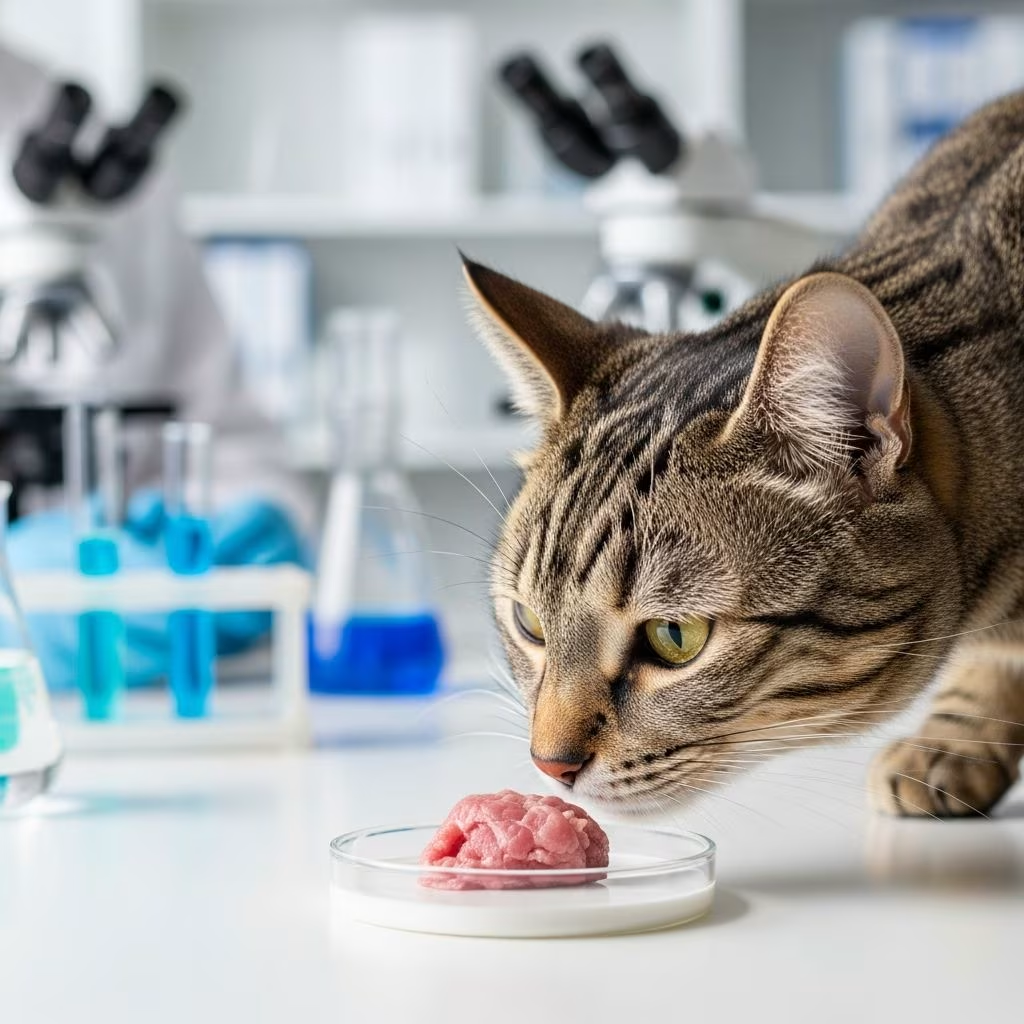
The domestic cat’s evolutionary relationship with rodent prey has shaped its nutritional requirements in ways that modern pet food often overlooks. As pet nutritionists and veterinarians increasingly examine what cats actually need to thrive, mouse meat has emerged as a biologically appropriate protein source that mirrors the nutritional composition of prey animals cats would naturally consume in the wild. This shift in perspective challenges conventional approaches to feline feeding and opens discussions about how we can better align commercial pet nutrition with feline physiology.
Understanding Feline Nutritional Requirements
Cats are obligate carnivores, meaning their bodies have evolved to extract essential nutrients primarily from animal tissue rather than plant-based sources. Research examining the dietary preferences of domestic cats given free choice among different food options revealed a striking pattern: cats naturally selected diets containing approximately 52% protein, 36% fat, and 12% carbohydrates. This preference reflects their metabolic needs and evolutionary adaptation.
When examining the nutritional composition of an adult mouse, the alignment with feline preferences becomes apparent. A typical mouse contains roughly 55% protein and 9% fat by weight, providing a protein-dense source that matches what cats instinctively seek. This biological compatibility raises important questions about whether traditional pet food formulations adequately meet feline nutritional needs or whether we should reconsider ingredients that more closely reflect a cat’s ancestral diet.
Nutritional Composition of Mouse Meat
Mouse meat offers a comprehensive nutritional profile that addresses multiple aspects of feline health requirements:
Protein Content and Amino Acid Profile
Mice are exceptionally rich in protein, comprising approximately 60-65% of their body weight. This high-quality protein source supplies essential amino acids that cats cannot synthesize independently, including taurine—a compound critical for cardiac function, vision, and reproductive health in felines. The protein in mice is highly digestible for cats, meaning their bodies can efficiently absorb and utilize these amino acids for muscle maintenance, immune function, and overall metabolic processes.
Fat Profile and Essential Fatty Acids
Contrary to the perception that fat should be minimized in pet diets, mice provide beneficial fats that support feline health. Fat content typically ranges from 8-15% by weight, making mice an energy-dense food suitable for active cats. These fats include omega-6 fatty acids, which contribute to healthy skin and a lustrous coat. The high moisture content—approximately 70% in raw mice—also supports hydration and can help prevent urinary tract complications that plague many domestic cats.
Micronutrient Composition
Beyond protein and fat, whole mice provide an array of vitamins and minerals essential for feline health. These include vitamin A, B-complex vitamins, vitamin E, and minerals such as calcium and phosphorus. Whole prey also supplies trace minerals including zinc and magnesium, which support metabolic function and enzymatic processes throughout the body.
Perhaps most significantly, the calcium-to-phosphorus ratio present in mouse bones is optimal for feline skeletal health. This natural mineral balance ensures that nutrients are bioavailable—meaning cats can actually absorb and utilize them—reducing the need for synthetic mineral supplementation that may introduce contaminants or imbalances.
Digestive System Response to Whole Prey
Scientific investigation into how cats’ digestive systems respond to different food structures has yielded important findings. Researchers conducted controlled studies examining 15 domestic cats, comparing their digestive responses to minced mice versus whole mice after transitioning from conventional extruded dry food.
The researchers collected and analyzed fecal and urinary samples to assess changes in digestibility, intestinal microbiota composition, and fermentation byproducts. A remarkable discovery was the substantial shift in the cats’ gut microbial communities when transitioning from extruded dry food to either minced or whole mice diets. The microbial composition changed dramatically, with some bacterial species increasing in abundance while others decreased, reflecting an adaptation to processing more protein-rich whole prey.
Interestingly, when comparing minced mice directly to whole mice, the researchers found comparable effects on large intestinal fermentation. Both forms produced similar concentrations of short-chain fatty acids and branched-chain fatty acids, suggesting that the specific structure of the prey—whether intact or ground—may be less critical than the nutritional composition itself.
Health Benefits for Cats with Food Sensitivities
Many cat owners struggle to identify suitable protein sources for pets experiencing food allergies or digestive sensitivities. Common proteins such as chicken, beef, and fish have been used in commercial pet foods for decades, meaning many cats’ immune systems have been exposed to these proteins repeatedly. Over time, this exposure can trigger allergic responses ranging from skin irritation to gastrointestinal upset.
Mouse meat functions as a novel protein—a term referring to protein sources that a particular cat has not previously encountered. For elimination diets designed to identify allergens, novel proteins like mouse are valuable tools. Because a cat’s immune system is less likely to have developed sensitivities to mouse protein, it can serve as a hypoallergenic alternative for cats with demonstrated reactions to conventional proteins.
Beyond being simply different, mouse meat contains naturally occurring compounds that support the health of allergic cats. The omega-6 fatty acids in mice support skin integrity, potentially benefiting cats whose allergies manifest as dermatological problems. Additionally, because whole prey contains naturally occurring vitamins and minerals rather than synthetic additives, there is a reduced risk of sensitivities triggered by supplemental ingredients—a problem some cats experience with heavily fortified commercial foods.
Advantages of Mouse-Based Feeding Approaches
Alignment with Natural Hunting Behavior
From an evolutionary perspective, mice are biologically appropriate prey for cats. Feeding whole or ground mice aligns with what cats would hunt in their natural environment, providing balanced nutrition without requiring extensive supplementation. This alignment is more than merely philosophical; it reflects the reality that cats’ digestive systems evolved to process whole prey containing bone, organ tissue, muscle, and connective tissue in specific proportions.
Promoting Natural Feeding Behaviors
Offering whole or ground mice can encourage natural chewing behaviors in cats. This mechanical activity supports dental health by promoting chewing action against bones and cartilage, potentially reducing tartar buildup and lowering the risk of dental disease. For cats accustomed to soft, processed foods, this stimulation of natural behaviors can improve overall well-being and enrichment.
Nutrient Bioavailability
The nutrients present in mice are highly bioavailable, meaning cats’ digestive systems can efficiently absorb and utilize them. This translates to better overall health outcomes, improved coat condition, and stronger immune function compared to feeding sources where nutrient absorption may be compromised by processing methods or competing nutrient interactions.
Practical Considerations and Safety Concerns
While mouse meat offers significant nutritional advantages, practical implementation requires careful consideration. The primary concern veterinary nutritionists raise involves pathogen transmission. Raw or improperly processed mice may harbor parasites, bacteria including Salmonella and Listeria, and other pathogens that could harm cats or spread to human family members.
Professional nutritionists strongly recommend that cat owners avoid sourcing and preparing raw mice themselves. Instead, commercially available mouse meat products that have been cooked or pasteurized significantly reduce pathogen risk while retaining nutritional value. Additionally, any dietary transition, including shifts toward mouse-based diets, should occur gradually over 7-10 days to allow the digestive system to adjust and minimize gastrointestinal upset.
Economically, whole prey diets can be costly for consumers compared to conventional dry kibble. Storage and preservation also present challenges, as maintaining whole frozen rodents requires different infrastructure than storing shelf-stable processed foods.
Environmental Considerations
Mouse farming as a protein source presents environmental advantages compared to traditional livestock production. Mice require substantially less land and water for rearing compared to cattle, poultry, or fish farming. Their shorter breeding cycles enable efficient production at scale with lower overall environmental impact. Additionally, mouse farming generates significantly fewer greenhouse gas emissions than conventional livestock agriculture, making it a more sustainable option for environmentally conscious pet owners.
Cultivated and Lab-Grown Alternatives
Emerging biotechnology offers a modern solution to traditional mouse meat feeding: cultivated or lab-grown mouse meat produced through cellular agriculture. Companies are developing slaughter-free mouse meat for cats created from cultured mouse cells rather than harvested animals. This innovation maintains the nutritional and biological appropriateness of mouse protein while addressing ethical and safety concerns associated with traditional sourcing.
Cultivated mouse meat is produced through cell culture techniques that grow muscle tissue from mouse cells without raising and slaughtering animals. The resulting product is completely free from bacterial pathogens, viruses, mycotoxins, molds, yeasts, and biogenic amines. It also contains no heavy metals or growth-promoting steroids sometimes found in conventional meat sources.
Early research indicates that cats show strong preference for cultivated mouse meat over conventional proteins in taste tests, with “exceptional acceptance rates” reported in palatability studies. As this technology becomes more commercially available, it may represent the future of mouse meat feeding—combining nutritional and biological appropriateness with food safety, ethical considerations, and environmental sustainability.
Implementation Recommendations
For cat owners considering mouse meat as part of their pet’s diet:
- Consult with a veterinary nutritionist or veterinarian before making significant dietary changes to ensure the approach is appropriate for your individual cat
- Source commercially processed mouse meat products that have been pasteurized or cooked rather than attempting to prepare raw mice at home
- Transition gradually to new foods over 7-10 days, mixing increasing amounts of mouse meat with the cat’s current diet
- Monitor your cat for any digestive changes, allergic reactions, or behavioral shifts during and after the transition
- Maintain regular veterinary check-ups to assess the effectiveness of dietary changes and adjust as needed
- Consider cultivated mouse meat products as they become more widely available for a safer, more sustainable alternative
Frequently Asked Questions
Is mouse meat appropriate for all cats?
Mouse meat is suitable for most cats, but it is particularly beneficial for cats with food allergies, sensitivities to conventional proteins, or those whose owners wish to provide a more ancestrally appropriate diet. However, individual cats have unique needs, and consultation with a veterinary professional is always recommended before implementing significant dietary changes.
Can cats get sick from eating mouse meat?
Raw or improperly processed mouse meat can carry parasites and pathogens. Commercial mouse meat products that have been pasteurized or cooked eliminate these risks. Cats’ digestive systems are well-equipped to process meat-based diets, but gradual transitions help minimize temporary digestive upset.
How does mouse meat compare nutritionally to commercial cat foods?
Mouse meat provides a more species-appropriate nutritional profile with optimal protein, fat, and mineral ratios compared to many commercial foods. The high bioavailability of nutrients in mouse meat means cats can absorb and utilize these nutrients more efficiently than they can from some processed sources.
What is cultivated mouse meat?
Cultivated or lab-grown mouse meat is produced through cellular agriculture—growing muscle tissue from mouse cells in a controlled environment without raising and slaughtering animals. It provides the same nutritional benefits as traditional mouse meat while eliminating pathogen risks and supporting ethical and environmental concerns.
References
- Why Mice Might Be the Perfect Protein for Your Cat’s Diet — Ageiger Pet Nutrition. 2024-10-22. https://ageigerpetnutrition.com/2024/10/22/why-mice-might-be-the-perfect-protein-for-your-cats-diet/
- Whole or minced mice provide same health benefits for cats — Pet Food Industry. https://www.petfoodindustry.com/nutrition/pet-food-ingredients/article/15664667/whole-or-minced-mice-provide-same-health-benefits-for-cats
- Mouse Meat Cat Food: Vet-Reviewed Pros, Cons & Future Uses — Catster. https://www.catster.com/nutrition/mouse-meat-cat-food/
- How important is food structure when cats eat mice? — British Journal of Nutrition. Cambridge University Press. https://www.cambridge.org/core/journals/british-journal-of-nutrition/article/how-important-is-food-structure-when-cats-eat-mice/D0F74D926E09C4D9E9A984A5871A4E9F
- What Goes Into the Future of Cat Food? 99% Cultivated Meat, 1% Innovation — Green Queen. https://www.greenqueen.com.hk/biocraft-pet-nutrition-cultivated-mouse-meat-lab-grown-cat-food/
- Slaughter-Free ‘Mouse Meat’ Pet Food Is Coming — LIVEKINDLY. https://www.livekindly.com/first-slaughter-free-mouse-meat-pet-food/



