

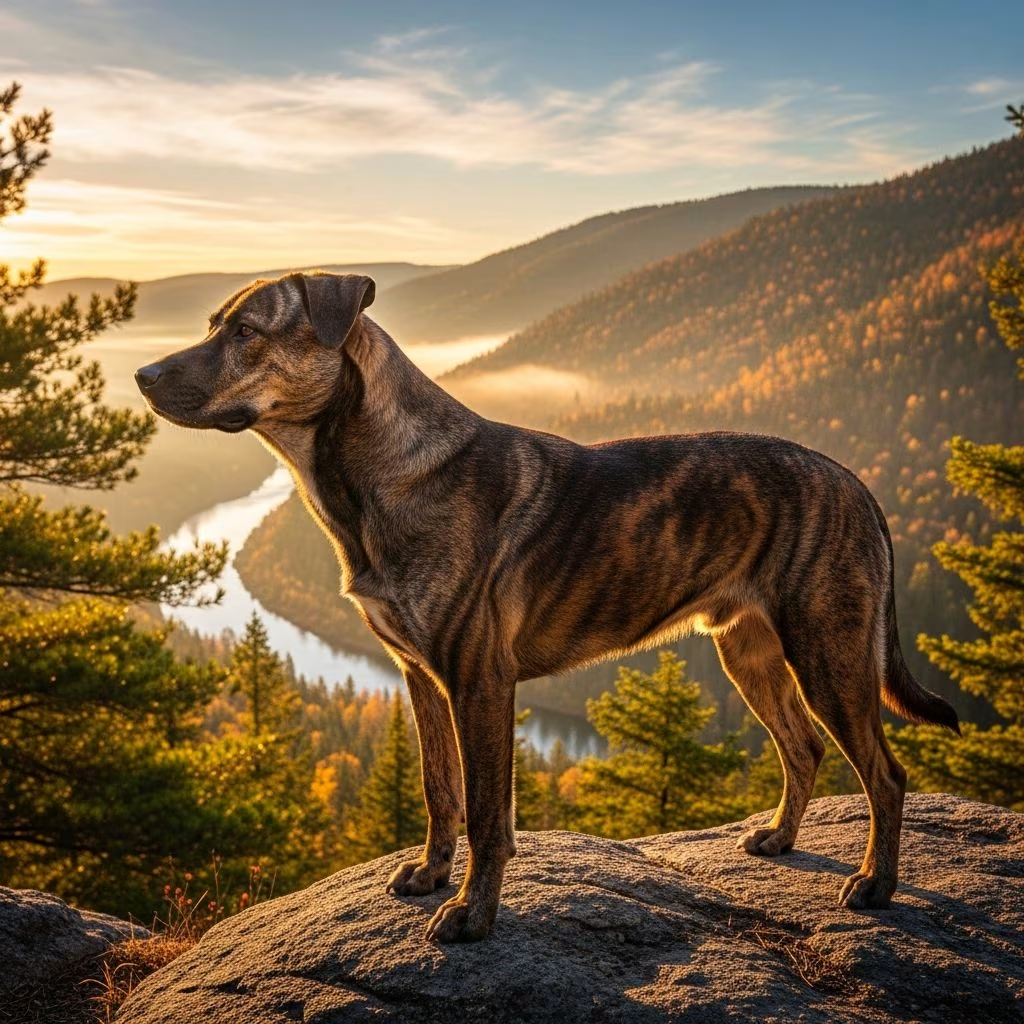
The Mountain Cur stands out as a robust working dog breed originating from the rugged terrains of the United States, particularly the Appalachian Mountains. Developed by early settlers for hunting and farm tasks, this versatile canine excels in treeing small game like squirrels and raccoons while confronting larger threats such as bears and boars.
Origins and Development of the Mountain Cur
Rooted in the pioneering spirit of American frontiersmen, the Mountain Cur emerged in the 19th century as settlers moved westward. These dogs trace their lineage to European hunting breeds brought by immigrants, including curs, hounds, and terriers, which were selectively bred for survival in harsh wilderness environments. Frontiersman Daniel Boone famously relied on these dogs during his explorations, highlighting their role in securing food and protection.
Unlike pedigreed breeds, Mountain Curs represent a landrace—a population adapted naturally to specific regions without formal standardization until later. Organizations like the American Kennel Club (AKC) now recognize them in the Foundation Stock Service, preserving their working heritage. Their development emphasized utility over aesthetics, resulting in dogs capable of trailing, treeing, and guarding without excessive barking on the hunt.
Distinctive Physical Features
Mountain Curs possess a sturdy, athletic build suited for endurance and power. Males typically stand 18-26 inches at the shoulder and weigh 40-60 pounds, while females are slightly smaller at 16-24 inches and 30-50 pounds. Their frame is stocky with a deep chest, straight back, and muscular legs designed for agile movement over rough terrain.
The head is broad and flat between the eyes, featuring a strong muzzle, dark almond-shaped eyes with an alert expression, and short to medium ears set high on the skull. Coats are short, dense double layers—smooth or rough—with a soft undercoat for weather resistance. Common colors include yellow, brindle, black, brown, red, and blue, often accented by white markings on the chest, feet, or face. Notably, many are naturally born with bobtails or varying tail lengths, and some have rear dewclaws.
| Feature | Males | Females |
|---|---|---|
| Height | 18-26 inches | 16-24 inches |
| Weight | 40-60 lbs | 30-50 lbs |
| Coat | Short double coat | Short double coat |
| Tail | Often bobtail | Often bobtail |
Character Traits and Temperament
Intelligent and eager to please, Mountain Curs combine the scenting prowess of hounds with the grit of terriers, creating a bold, decisive personality. They exhibit courage against formidable game, remaining silent on trails but vocal when guarding home or treeing prey. Loyalty defines them; they bond deeply with family, offering protection without unprovoked aggression.
- Courageous Hunter: Fearlessly confronts bears, boars, or wildcats when cornered.
- Protective Guardian: Vigilant over property and loved ones, wary of strangers.
- Family-Friendly: Gentle with children and pets if socialized early.
- Independent Thinker: Requires firm, consistent leadership to channel instincts.
While not submissive lap dogs, they thrive with purposeful activity. Without outlets, boredom can lead to anxiety or destructiveness. Well-raised individuals adapt to suburban life with ample exercise, displaying playfulness indoors and hunting drive outdoors.
Essential Training and Socialization Strategies
Thanks to high trainability, Mountain Curs master commands quickly, especially when motivated by praise, play, or work. Begin training young with positive reinforcement to harness their smarts and prevent dominance issues. They excel in obedience, agility, and hunting trials, viewing tasks as jobs rather than chores.
Key tips include:
- Establish yourself as pack leader through calm authority.
- Use reward-based methods; food treats work, but toys and affection suffice.
- Expose puppies to diverse people, animals, and environments for confidence.
- Channel energy into scent work, fetch, or herding to satisfy instincts.
Early socialization mitigates stranger suspicion, fostering a balanced guardian. Neglect this, and protective traits may escalate to over-vigilance or barking at passersby.
Exercise Demands and Lifestyle Fit
High-energy Mountain Curs demand 1-2 hours of vigorous daily activity—running, hiking, or hunting simulations. Apartments suit them poorly; they flourish in homes with fenced yards or rural acreage. Destructive chewing or digging arises from under-stimulation.
Ideal owners are active outdoors enthusiasts: hunters, hikers, or farmers. They double as agility stars or farm helpers, treeing pests or patrolling perimeters. Daily walks curb restlessness, but off-leash romps in safe areas unleash their joy.
Grooming and Health Maintenance
Low-maintenance coats shed seasonally; weekly brushing and monthly baths suffice. Check ears, nails, and teeth routinely. Robust health yields 14-16 year lifespans with few breed-specific issues, though hip dysplasia or degenerative myelopathy can occur in some lines.
- Diet: High-protein kibble for working dogs; portion to prevent obesity.
- Vet Care: Annual exams, vaccinations, heartworm prevention.
- Common Concerns: Monitor joints; DM testing recommended.
Balanced nutrition and exercise sustain vitality into senior years.
Comparing Mountain Cur to Similar Breeds
| Breed | Size | Energy | Hunting Style | Family Fit |
|---|---|---|---|---|
| Mountain Cur | Medium-Large | High | Treeing/Trailing | Good w/ socialization |
| Treeing Walker Coonhound | Large | High | Baying/Trailing | Moderate |
| Black Mouth Cur | Large | High | All-Purpose | Good |
| Feist | Small | High | Squirrel Treeing | Excellent |
Mountain Curs offer balanced size and versatility over larger, more vocal hounds.
Bringing a Mountain Cur into Your Home
Adopt from reputable breeders focusing on health-tested stock or rescues specializing in working breeds. Puppies cost $800-$2000; prioritize temperament over color. Prepare with secure fencing, toys, and a plan for mental jobs.
They repay commitment with unwavering devotion, making ideal partners for those embracing an adventurous lifestyle.
Frequently Asked Questions (FAQs)
Are Mountain Curs good with kids?
Yes, when socialized; their gentle nature shines with familiar children, though supervise due to size and play vigor.
Do Mountain Curs bark a lot?
Minimal on hunts, but alert barkers at home—train to distinguish threats.
Can they live in apartments?
Not recommended; they need space to run and expend energy.
How do I choose a Mountain Cur puppy?
Seek OFA-certified parents, observe parent temperaments, and ensure early handling.
Are they easy to train?
Highly trainable with positive methods; start early for best results.
References
- Mountain Cur Dog Breed Information and Pictures — DogBreedInfo. N/A. https://www.dogbreedinfo.com/mountaincur.htm
- Mountain Cur – Dog Breed Information — American Kennel Club. N/A. https://www.akc.org/dog-breeds/mountain-cur/
- Mountain Curs – Embark Dog DNA Test — Embarkvet. N/A. https://embarkvet.com/resources/dog-breeds/mountain-cur/
- Mountain Cur Dog Breed Health and Care — PetMD. N/A. https://www.petmd.com/dog/breeds/mountain-cur
- Mountain Cur — Wikipedia. N/A. https://en.wikipedia.org/wiki/Mountain_Cur



