
Understanding Motion Sickness in Pets: Causes and Management
Comprehensive guide to identifying, treating, and preventing motion sickness in companion animals
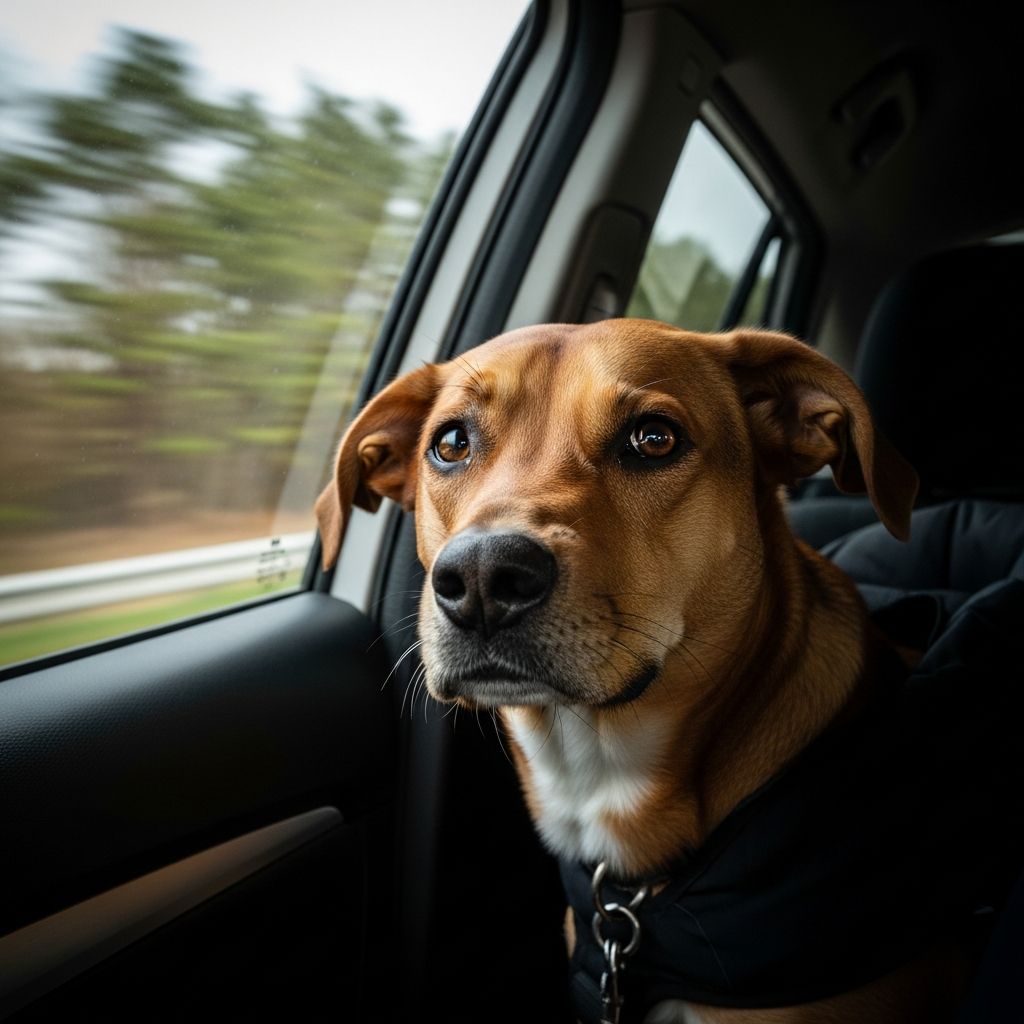
What Is Motion Sickness in Companion Animals?
Motion sickness in pets represents a physiological response to movement that affects numerous animals during travel or transportation. This condition occurs when the vestibular system—the inner ear structure responsible for balance and spatial orientation—receives conflicting signals from the eyes and body position. Unlike humans who can adapt to motion relatively quickly, many pets struggle with these neurological conflicts, leading to nausea, vomiting, and behavioral distress during vehicle travel or other motion-related activities.
The experience varies significantly among individual animals. Some pets experience mild queasiness, while others suffer severe symptoms that can persist even during short trips. Interestingly, puppies sometimes outgrow motion sickness as their neurological systems mature, particularly when exposed to positive conditioning experiences during early developmental stages.
Physiological Mechanisms Behind Animal Motion Sickness
The development of motion sickness in pets involves complex neurological pathways within the brain stem. The chemoreceptor trigger zone (CRTZ) and the emetic center work together to control nausea and vomiting responses. However, recent understanding of pet motion sickness has identified NK1 receptors located within the emetic center as playing a more significant role than previously thought.
When motion creates conflicting sensory input, these NK1 receptors become activated, triggering the cascade of symptoms associated with motion sickness. The vestibular system sends signals to the nucleus of the solitary tract, which can induce nausea through activation of the semicircular canals and labyrinth structures. This explains why blocking NK1 receptors proves more effective than simply inhibiting the chemoreceptor trigger zone alone.
Additional contributing factors include:
- Age of the animal and neurological development stage
- Anxiety and stress responses associated with vehicle travel
- Previous negative experiences with transportation
- Individual variations in vestibular system sensitivity
- Dehydration levels and overall physical condition
Recognizing Clinical Signs in Your Pet
Pet owners should become familiar with the behavioral and physical indicators that suggest motion sickness. These signs can range from subtle to severe and often worsen as the animal becomes more anxious about travel prospects.
Common clinical presentations include:
- Excessive drooling or hypersalivation during vehicle travel
- Vomiting or retching in moving vehicles
- Nausea without actual vomiting in some cases
- Lethargy or reduced activity levels during or after motion
- Behavioral anxiety, panting, or restlessness
- Loss of appetite preceding or following travel
- Hesitation or resistance to entering vehicles
It is important to note that animals may experience nausea even without visible vomiting behavior, making assessment by a veterinary professional particularly valuable.
Behavioral and Conditioning Approaches to Treatment
One of the most effective long-term strategies for managing motion sickness involves gradual desensitization and counterconditioning techniques. This behavioral approach requires patience but can produce lasting improvements, especially in younger animals whose neurological systems remain adaptable.
The desensitization process follows a structured progression:
- Begin with quiet time spent inside a stationary vehicle, rewarding calm behavior with praise and positive reinforcement
- Gradually introduce short duration trips to appealing destinations such as parks or training facilities
- Incrementally increase trip duration as the animal demonstrates improved comfort levels
- Vary route and travel conditions to build comprehensive adaptation
- Continue reinforcement throughout the conditioning process
The success of conditioning techniques depends significantly on consistency, patience, and the animal’s individual temperament. Some pets respond remarkably well to this approach, while others require pharmaceutical support in addition to behavioral training.
Pharmaceutical Interventions for Motion Sickness Management
Antihistamine Medications
Antihistamines represent one of the earliest pharmacological approaches to treating motion sickness in pets. These medications function through multiple mechanisms: they prevent motion sickness onset, provide mild sedation that can reduce anxiety, and inhibit drooling responses.
Commonly prescribed antihistamines include:
- Diphenhydramine hydrochloride (available commercially as Benadryl)
- Dimenhydrinate (marketed as Dramamine)
- Meclizine hydrochloride
- Promethazine hydrochloride
Dosing for these medications varies based on the specific drug and animal weight. For example, meclizine typically ranges from 2–6 mg/kg in dogs with a standard dose of 25 mg per dog administered once daily, while feline patients usually receive 12.5 mg total once daily. The sedative properties of these drugs can be beneficial for anxious travelers, though some pets may experience drowsiness.
Maropitant: The Modern Gold Standard
Maropitant citrate (branded as Cerenia) represents a significant advancement in motion sickness treatment and is considered the preferred pharmaceutical choice for managing motion sickness in dogs. This medication functions as an NK1 receptor antagonist, directly targeting the neurological pathways most responsible for vomiting and nausea responses.
Key advantages of maropitant include:
- Superior efficacy compared to traditional antihistamine approaches
- Once-daily dosing schedule for convenient administration
- Availability in both tablet and injectable forms for dogs
- FDA approval specifically for motion sickness treatment in canines
- Minimum age requirement of 8 weeks for canine patients
For feline patients, maropitant is available only in injectable form, though cats must reach 16 weeks of age before administration. A particular consideration for cats is that they may exhibit severe aversive and pain behaviors in response to subcutaneous injection, requiring careful handling and assessment by the veterinary team.
Anti-Anxiety Medications
Since anxiety and stress substantially contribute to motion sickness symptoms in many pets, anti-anxiety medications can provide valuable therapeutic benefit. These medications work by promoting calmness and reducing the stress response associated with vehicle travel.
Veterinarians may prescribe situational anxiety medications including:
- Trazodone (oral administration)
- Acepromazine (oral tablets or injectable forms)
- Alprazolam (oral tablets)
The combination of anti-anxiety and antinausea medications often proves more effective than either approach alone, with veterinary professionals tailoring treatment plans to individual patient needs.
Supportive Therapeutic Agents
Beyond primary antiemetic drugs, additional medications may support the overall treatment plan. Metoclopramide functions as a prokinetic agent, enhancing gastrointestinal motility, while cisapride provides similar benefits with different pharmacological properties. These agents can be particularly useful in cases where nausea persists despite primary antiemetic therapy.
Managing Acute Vomiting Episodes
When acute vomiting occurs despite preventive measures, specific supportive care protocols help minimize complications. Withholding food for 24 hours following vomiting episodes allows the gastrointestinal system to settle and reduces irritation.
However, water should never be withheld from vomiting animals unless they are receiving subcutaneous or intravenous fluid replacement. Maintaining hydration remains critical, particularly in animals experiencing repeated vomiting episodes that lead to fluid loss and electrolyte imbalance.
Intravenous fluid therapy may become necessary in severe cases, with fluid administration rates tailored to the individual animal’s degree of dehydration and concurrent medical conditions.
Species-Specific Treatment Considerations
Treatment in Dogs
Dogs generally respond well to pharmacological interventions, with maropitant representing the most effective choice for true motion sickness. The tablet form provides convenient oral administration for many canine patients, while injectable forms offer alternatives for animals that resist pill medication.
Treatment in Cats
Feline motion sickness management presents unique challenges. Alpha-adrenergic antagonists such as chlorpromazine may provide superior results compared to pure H1-histaminergic antagonists in cats. Additionally, the behavioral responses of cats to subcutaneous injection must be carefully considered when selecting maropitant therapy, as some cats exhibit severe pain and aversive behaviors that may contraindicate this administration route.
Comprehensive Treatment Decision-Making
Selecting the optimal treatment approach requires veterinary assessment of multiple factors beyond simple symptom presentation. A comprehensive evaluation should consider:
- The animal’s clinical presentation and severity of symptoms
- Identification of any underlying medical causes
- The animal’s age and developmental stage
- Previous response to behavioral or pharmaceutical interventions
- Overall impact on the pet’s emotional, physical, and biochemical well-being
- Owner capacity for behavioral conditioning commitment
- Cost-effectiveness and practical medication administration
Veterinarians work collaboratively with pet owners to determine whether antinausea medication, anti-anxiety medication, behavioral conditioning, or combinations of these approaches will best serve the individual animal.
Important Cautions and Professional Guidance
While numerous motion sickness remedies are available over-the-counter for human use, pet owners should never administer any medication to their animals without veterinary consultation and approval. Dosages appropriate for humans may prove ineffective or potentially harmful in pets, and individual animal factors may contraindicate certain medications.
Similarly, supplements marketed for motion sickness should be evaluated by a veterinarian before administration to ensure safety and appropriate dosing for the specific pet.
Frequently Asked Questions About Pet Motion Sickness
Can puppies outgrow motion sickness without treatment?
Yes, some puppies naturally outgrow motion sickness as their neurological systems mature, particularly when they receive positive reinforcement during vehicle travel in their early developmental stages. However, not all puppies will overcome this condition without intervention, and many adults require pharmaceutical or behavioral support.
Is there a vaccine for motion sickness in pets?
No vaccine exists for motion sickness in animals. However, preventive pharmaceutical strategies through injectable medications such as Cerenia, metoclopramide, and diphenhydramine can be administered prior to travel to prevent symptoms.
How long does motion sickness treatment typically take to show results?
Pharmacological interventions typically provide symptomatic relief within one medication cycle, making them useful for immediate upcoming travel. Behavioral conditioning requires weeks to months of consistent work, with some pets showing improvement faster than others depending on individual temperament and prior experiences.
Can both anti-anxiety and antinausea medications be used together?
Yes, combining anti-anxiety and antinausea medications often produces superior results compared to monotherapy, with veterinarians determining the appropriate combination and dosing for each patient’s specific needs.
Conclusion: Supporting Your Pet’s Travel Comfort
Motion sickness in companion animals presents a manageable challenge through the combination of understanding, behavioral support, and evidence-based pharmaceutical interventions. Whether your pet requires only occasional medication for planned travel or ongoing management through behavioral conditioning, veterinary professionals can guide you toward the most appropriate solution for your individual animal’s needs and circumstances.
References
- Causes and Treatment of Motion Sickness in Dogs — Today’s Veterinary Practice. 2019. https://todaysveterinarypractice.com/wp-content/uploads/sites/4/2019/07/Causes-and-Treatment-of-Motion-Sickness-in-Dogs.pdf
- Motion Sickness in Animals – Nervous System — Merck Veterinary Manual. https://www.merckvetmanual.com/nervous-system/motion-sickness/motion-sickness-in-animals
- An Overview of Motion Sickness — Veterinary Technician Journal. 2013. https://vetmeds.org/wp-content/uploads/2015/03/2013-Nov-Dec-VT-Vol.-16-No.-6-Traveling.pdf
- Current Definition, Diagnosis, and Treatment of Canine and Feline Vestibular Dysfunction — National Center for Biotechnology Information. 2023. https://pmc.ncbi.nlm.nih.gov/articles/PMC10556701/
- Carsickness and Motion Sickness in Dogs — Small Door Veterinary. https://www.smalldoorvet.com/learning-center/wellness/carsickness-dogs
- Motion Sickness in Dogs and Cats — Mallard Creek Animal Hospital. https://www.mallardcreekvet.com/dr-waldens-blog/motion-sickness-in-dogs-and-cats
Similar Articles








Read full bio of medha deb


