

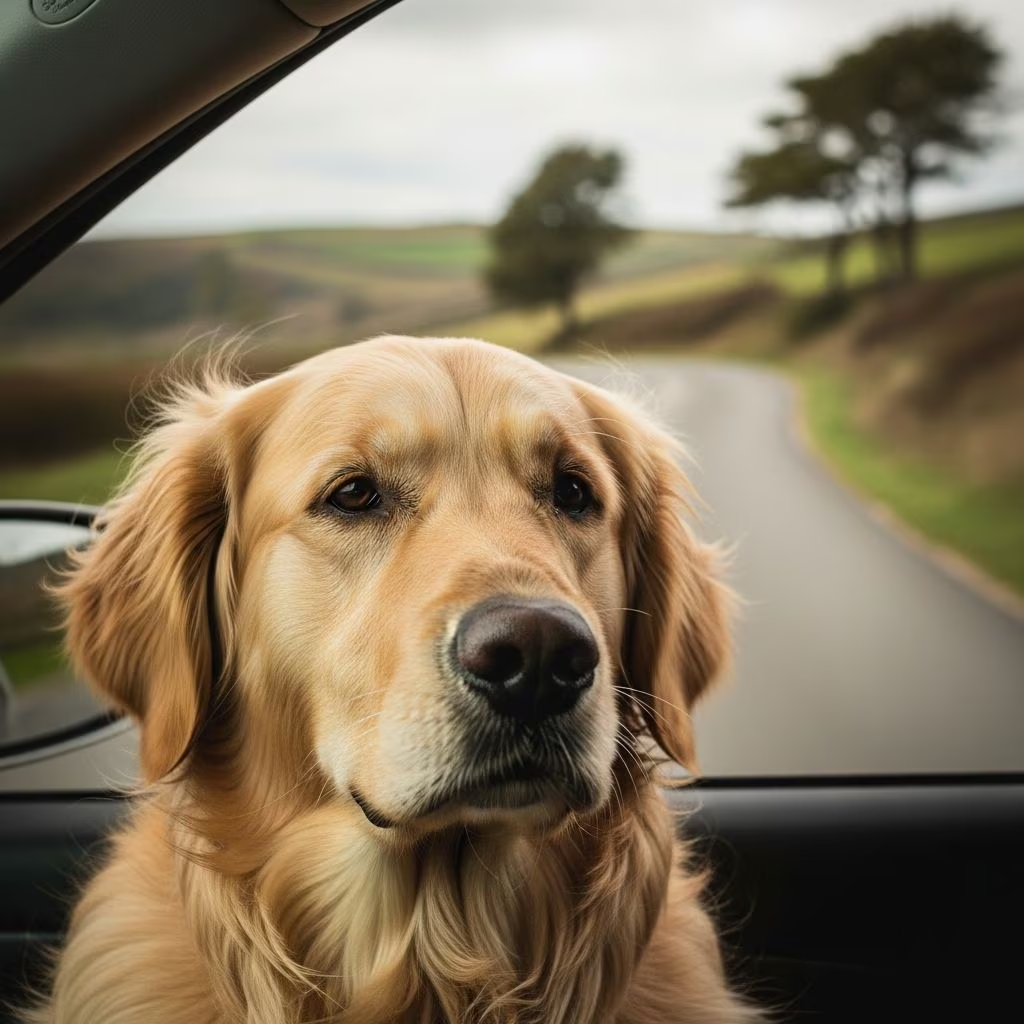
Motion Sickness in Dogs: Causes, Symptoms, and Treatment
Motion sickness is a common condition that affects many dogs during travel, whether by car, airplane, or other vehicles. This temporary but uncomfortable condition occurs when a dog’s inner ear and sensory systems become overwhelmed by movement, causing nausea and related symptoms. Understanding the causes, recognizing the symptoms, and knowing the available treatment options can help pet owners manage their dog’s travel discomfort and make journeys more pleasant for both the animal and the family.
What is Motion Sickness in Dogs?
Motion sickness in dogs is a physical response to movement that results from confusion in the dog’s vestibular system—the inner ear structure responsible for balance and spatial orientation. When a dog travels, especially in a car, the continuous motion and changing perspectives can overwhelm this system, leading to nausea and associated symptoms. This condition is particularly common in puppies and young dogs whose vestibular systems are still developing.
The condition is not a sign of illness or disease but rather a temporary physiological response to travel. Most dogs experience motion sickness during short periods of movement and recover quickly once the journey ends. However, the discomfort associated with motion sickness can create anxiety around travel, potentially making future car rides more difficult for both the pet and owner.
Recognizing the Symptoms
Pet owners should learn to identify the signs of motion sickness in their dogs to address the problem promptly. Symptoms can range from mild to severe and may appear at different stages of travel.
Common signs of motion sickness include:
– Excessive drooling- Lip licking- Panting or heavy breathing- Whining or vocalization- Vomiting- Uneasiness or restlessness- Listlessness or lethargy- Inactivity or immobility- Yawning frequently- Loss of appetite
Early recognition of these symptoms allows owners to intervene before the condition worsens. Some dogs may display subtle signs like lip licking or mild drooling, while others experience severe vomiting. The severity often depends on the individual dog’s sensitivity to motion and the length of the journey.
Understanding the Causes
Motion sickness in dogs results from several interconnected factors. The primary cause involves the vestibular system’s response to movement, but anxiety and prior negative travel experiences can significantly amplify the condition.
Key causes of motion sickness include:
– Underdeveloped vestibular system in young puppies- Inner ear infections or other ear-related issues- Anxiety or stress related to travel- Unfamiliar or uncomfortable car environments- Previous negative travel experiences- Extended periods of confinement in moving vehicles- Sensitive or anxious temperament
Puppies under 12 weeks old are especially susceptible to motion sickness because their inner ear systems are still developing. Additionally, some dogs develop motion sickness-related anxiety after experiencing discomfort during early car rides, creating a psychological component that compounds the physical symptoms.
Treatment Approaches for Motion Sickness
There are two primary approaches to managing motion sickness in dogs: behavioral desensitization techniques and pharmaceutical interventions. Many veterinarians recommend combining both methods for optimal results.
Desensitization and Counterconditioning Techniques
Behavioral modification through gradual exposure can help many dogs overcome travel-related anxiety and reduce motion sickness symptoms. This approach works by slowly acclimating the dog to car travel in a controlled, positive manner.
Effective desensitization steps include:
– Begin with the dog sitting in a parked car while providing praise and positive reinforcement when calm- Start the engine without driving to familiarize the dog with normal car sounds- Take very short trips around the block, gradually increasing distance over time- Travel to rewarding destinations like parks or favorite locations to build positive associations- Use treats and praise consistently throughout the process- Proceed at the dog’s pace, never forcing progression
This gradual approach helps counteract anxiety-based motion sickness by creating positive associations with car travel. Over weeks or months, many dogs become comfortable with extended car rides through consistent, patient conditioning.
Medical Interventions
For dogs with true physiological motion sickness, medication provides effective relief. Veterinarians have several pharmaceutical options available to address different aspects of the condition.
Prescription Medications for Motion Sickness
Anti-nausea Medications: Maropitant citrate (Cerenia®) is the only FDA-approved medication specifically designed to treat motion sickness in dogs. This medication works by blocking NK1 receptors in the brain stem’s emetic center, which is responsible for vomiting and nausea responses. Maropitant is highly safe and effective for puppies over 8 weeks of age and is typically administered 2 hours before car travel with food. The medication is given once daily, providing consistent relief throughout the travel period.
Antihistamine Medications: Over-the-counter antihistamines can help ease motion sickness symptoms in some dogs. Common options include diphenhydramine (Benadryl) and dimenhydrinate (Dramamine). These medications should be administered 30 minutes to one hour before travel, with effects lasting between 3 to 6 hours. However, pet owners must consult their veterinarian for appropriate dosing, as antihistamines can cause drowsiness, dry mouth, and difficulty urinating in some dogs.
Anti-anxiety Medications: For dogs whose motion sickness stems primarily from travel-related anxiety, prescription anti-anxiety medications can provide significant relief. Veterinarians may recommend medications such as alprazolam (Xanax®) or trazodone (Desyrel®), which can be given the night before travel and repeated 12 hours later. These medications help relax anxious dogs and reduce stress-related vomiting and nausea.
Sedative Medications: Sedatives like acepromazine or chlorpromazine may be prescribed for dogs with anxiety-related motion sickness. These medications help calm the dog and can result in drowsiness throughout the journey. While effective for reducing anxiety, sedatives can cause side effects such as pink or reddish-brown urine discoloration.
Non-Prescription Calming Options: Natural and over-the-counter supplements can provide mild relief for some dogs. Options include products containing casein protein derivatives (Zylkene®) or L-Theanine (Anxitaine® or Solliquin®). Natural remedies like Bach flower (Rescue Remedy®), valerian, passionflower, ginger, and skullcap may also help, though pet owners should consult their veterinarian before beginning any supplement regimen.
Environmental and Behavioral Management
Beyond medication and desensitization, several environmental modifications can help reduce motion sickness symptoms:
– Maintain cooler air in the vehicle through open windows or air conditioning- Keep radio volume low to reduce auditory stimulation- Avoid feeding the dog immediately before travel- Use a secure, comfortable travel crate or harness- Take frequent breaks on long journeys- Ensure adequate ventilation in the vehicle- Minimize sudden acceleration and sharp turns
Recovery and Post-Travel Care
Most dogs experiencing motion sickness feel better within one to two hours after travel ends. However, severe cases may require several hours of recovery. Following car trips, veterinarians recommend offering a bland diet such as boiled chicken and white rice for one to two days to allow the digestive system to recover.
In some cases, veterinarians may prescribe anti-nausea medication like ondansetron to be given after traveling to help settle the dog’s stomach.
Prevention Strategies
Preventing motion sickness is often more effective than treating it after symptoms develop. Strategic prevention approaches can significantly reduce the likelihood and severity of travel-related discomfort.
Effective prevention methods include:
– Practicing with a parked car by placing the dog inside and offering treats and praise- Starting with very short trips and gradually increasing travel duration- Creating positive associations with car travel through rewards- Administering preventive medications such as Cerenia or trazodone before travel as recommended by veterinarians- Implementing behavioral desensitization early, particularly in puppies- Maintaining a calm, confident demeanor during travel- Avoiding stressful pre-travel routines
Veterinary Examination and Diagnosis
Before assuming motion sickness is the cause of travel-related vomiting, veterinarians should rule out other underlying conditions. Inner ear infections, in particular, can cause similar symptoms and require different treatment approaches.
During examination, veterinarians use specialized instruments called otoscopes to inspect the dog’s ear canal for signs of infection, discharge, or other abnormalities. If discharge is present, veterinarians may take swabs to examine for yeast or bacterial infections under a microscope. If an inner ear infection is diagnosed, oral antibiotics such as Clavamox or topical ear medications like Otomax may be prescribed in addition to or instead of motion sickness treatments.
Is Motion Sickness in Dogs Normal?
While motion sickness is not considered a normal or healthy condition, it is quite common among dogs, particularly younger animals. Many dogs experience motion sickness during travel, especially early in life. However, with appropriate intervention through behavioral conditioning or medication, most dogs can overcome or effectively manage the condition.
When to Consult Your Veterinarian
Pet owners should consult their veterinarian if their dog experiences persistent motion sickness or if symptoms worsen over time. Additionally, veterinary consultation is essential before administering any medications, supplements, or beginning desensitization programs. Veterinarians can determine whether motion sickness is the primary issue or whether underlying medical conditions require treatment.
Frequently Asked Questions
Q: At what age do puppies typically experience motion sickness?
A: Puppies are most susceptible to motion sickness early in life, particularly before their vestibular systems fully develop around 12 weeks of age. Some puppies may experience motion sickness even after this period, especially if they have limited travel experience.
Q: Can motion sickness in dogs be cured permanently?
A: Motion sickness can often be managed effectively through desensitization training and medication. While not always completely curable, most dogs can overcome or significantly reduce symptoms with consistent behavioral conditioning and appropriate pharmaceutical support when necessary.
Q: Is Dramamine safe for dogs?
A: Dramamine (dimenhydrinate) can be used in dogs for motion sickness under veterinary guidance. However, veterinarians must determine the appropriate dosage, as antihistamines can cause drowsiness and other side effects in some dogs.
Q: How long before travel should I give my dog motion sickness medication?
A: Timing depends on the specific medication. Anti-nausea medications like maropitant (Cerenia) should be given 2 hours before travel with food. Antihistamines are typically administered 30 minutes to 1 hour before travel, while anxiety medications may be given the night before and again 12 hours later.
Q: Can motion sickness cause long-term health problems in dogs?
A: Motion sickness itself is temporary and does not cause long-term health problems. However, repeated negative travel experiences can create lasting travel anxiety in some dogs. Early intervention through desensitization and medication can prevent the development of travel-related anxiety disorders.
Q: What is the best medication for dog motion sickness?
A: Maropitant citrate (Cerenia) is considered the most effective medication for true motion sickness in dogs, as it is the only FDA-approved drug specifically designed for this purpose. However, the best choice depends on individual factors, and veterinarians may recommend different medications based on the dog’s age, health status, and whether anxiety plays a significant role.
References
- Causes and Treatment of Motion Sickness in a Dog — Today’s Veterinary Practice. 2019. https://todaysveterinarypractice.com/wp-content/uploads/sites/4/2019/07/Causes-and-Treatment-of-Motion-Sickness-in-Dogs.pdf
- 10 Ways to Prevent Dog Car (Motion) Sickness — GoodRx. https://www.goodrx.com/pet-health/dog/dog-car-motion-sickness
- Dog Motion Sickness: What It Is and How To Help Your Dog — PetMD. https://www.petmd.com/dog/conditions/digestive/dog-motion-sickness-what-it-and-how-help-your-dog
- Motion Sickness in Animals – Nervous System — MSD Veterinary Manual. https://www.msdvetmanual.com/nervous-system/motion-sickness/motion-sickness-in-animals
- Motion Sickness in Dogs – Dog Owners — Merck Veterinary Manual. https://www.merckvetmanual.com/dog-owners/brain-spinal-cord-and-nerve-disorders-of-dogs/motion-sickness-in-dogs
- Motion Sickness in Dogs — VCA Animal Hospitals. https://vcahospitals.com/know-your-pet/motion-sickness-in-dogs



