

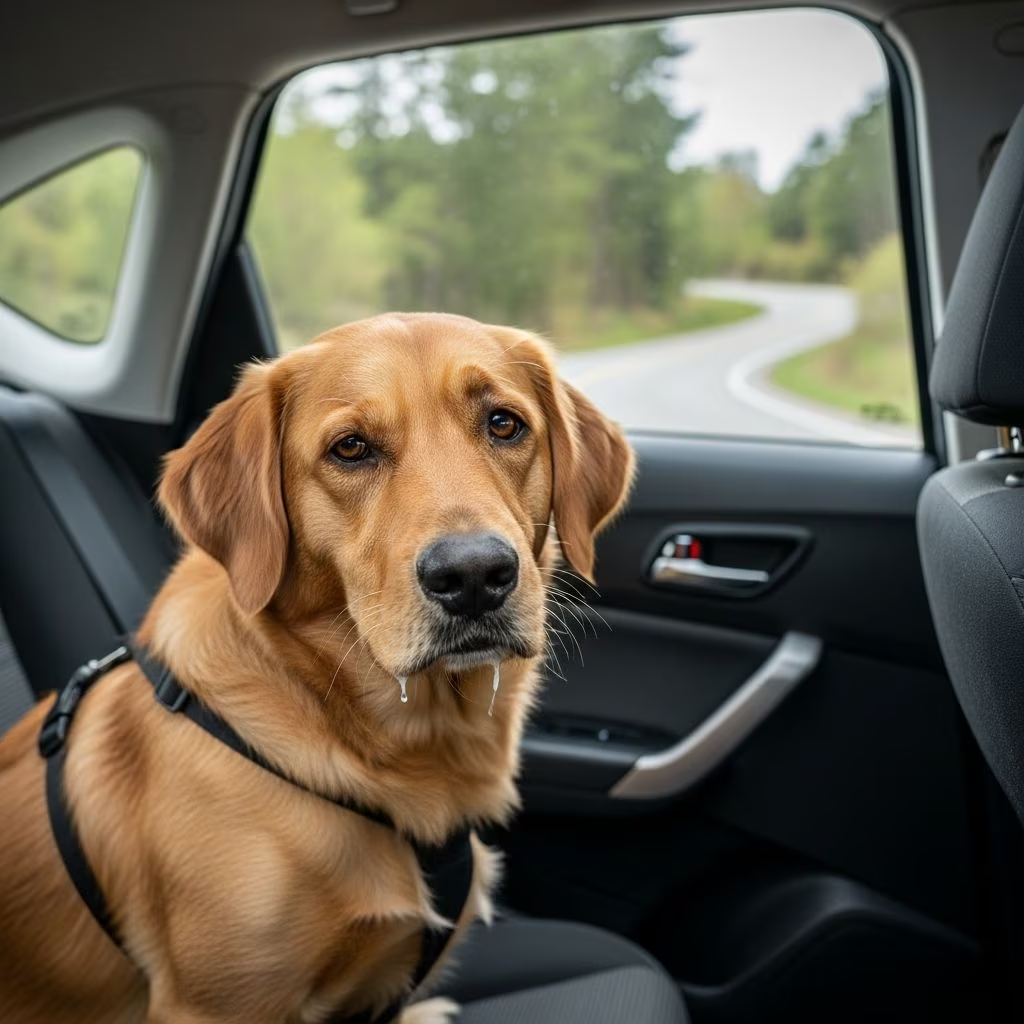
Dogs frequently experience discomfort during car trips due to motion sickness, which disrupts their balance and triggers nausea. This condition arises primarily from inner ear disturbances and can be managed through behavioral conditioning and pharmacological interventions.
Understanding the Roots of Canine Travel Discomfort
The vestibular system in a dog’s inner ear regulates balance and spatial orientation. During vehicle motion, visual cues of a moving environment conflict with the body’s stationary position, confusing this system and activating the brain’s nausea center. This physiological mismatch leads to classic signs of unease.
Psychological elements often compound the issue. Puppies on their initial rides may develop negative associations with vehicles, fostering anxiety that persists into adulthood. Conditions like ear infections or vestibular disorders can exacerbate susceptibility, while certain medications might induce similar gastrointestinal upset.
Spotting the Telltale Signs Early
Recognizing symptoms promptly allows for timely intervention. Common indicators include:
- Profuse salivation or lip licking
- Restlessness, whining, or pacing
- Heavy panting and yawning
- Lethargy or unusual immobility
- Vomiting or retching
- Diarrhea in severe cases
These manifestations typically subside once motion stops, but repeated episodes can lead to anticipatory dread even in a stationary car.
Practical Prevention Strategies for Smooth Rides
Non-medical approaches form the foundation of long-term relief. Start by withholding food 4-6 hours before travel to minimize vomiting risk, ensuring hydration with small sips of water.
Position your dog securely in a crate or harness facing forward, where visibility aligns better with motion. Fresh air from cracked windows or air conditioning directed at them can alleviate symptoms. Calming aids like pheromone sprays or anxiety wraps provide additional comfort without sedation.
Step-by-Step Desensitization Protocol
Gradual exposure rewires negative associations:
- Sit calmly in a parked car with the engine off, offering treats and praise.
- Progress to engine idling, maintaining positive reinforcement.
- Undertake brief 5-minute drives to neutral or rewarding destinations like parks.
- Extend trip duration incrementally, always ending on a high note.
Consistency over weeks yields lasting results, transforming car time into a positive routine.
Pharmacological Options: When Training Needs a Boost
For acute cases or rapid relief, veterinary-prescribed drugs target nausea directly. Administer most 1-2 hours prior to travel.
| Medication Type | Examples | Dosage Timing | Key Benefits | Potential Side Effects |
|---|---|---|---|---|
| Antiemetics | Maropitant (Cerenia) | 2 hours before, with food | FDA-approved, 24-hour protection | Increased salivation |
| Antihistamines | Dimenhydrinate (Dramamine), Meclizine | 30-60 minutes before | Reduces nausea and drooling | Drowsiness, dry mouth |
| Anxiolytics | Trazodone, Alprazolam (Xanax) | As prescribed | Targets stress-related symptoms | Sedation, urine discoloration |
| Sedatives | Acepromazine | Pre-travel | Promotes sleep during transit | Prolonged drowsiness |
Maropitant stands out for efficacy in puppies over 8 weeks and safety profile. Always secure dosing from a vet to avoid overdose risks.
Natural supplements like ginger root extracts or L-theanine warrant vet approval, as efficacy varies.
When to Consult a Veterinarian
Persistent symptoms despite precautions signal underlying issues like ear pathology or gastrointestinal disorders. Seek professional evaluation if:
- Symptoms appear outside travel contexts
- Accompanied by head tilting or coordination loss
- No improvement with initial treatments
A thorough exam may include ear checks and balance assessments.
Real-World Tips from Experienced Owners
Many report success combining methods: a desensitized adult retriever enjoys road trips after months of short outings paired with Cerenia for initial voyages. Another owner notes antihistamines suffice for mild cases, avoiding heavier sedatives.
For air or sea travel, similar principles apply, though crate training enhances safety.
Frequently Asked Questions (FAQs)
Can all dogs outgrow motion sickness?
Young puppies often improve by 1 year as their ear systems mature, but adults may require intervention.
Is Dramamine safe for every dog?
Generally yes at proper doses, but consult a vet for breeds prone to sedation or those with glaucoma.
How long does Cerenia last?
Effects persist up to 24 hours, ideal for long hauls.
Does anxiety always play a role?
Not exclusively; pure vestibular mismatch occurs, though stress amplifies it.
Are there breed predispositions?
Small breeds and puppies show higher incidence due to immature balance systems.
Long-Term Management for Frequent Travelers
RVers or frequent commuters benefit from routine protocols: weekly practice drives, preemptive meds, and health monitoring. Track symptom logs to refine approaches, ensuring joyful companionship on every adventure.
Addressing motion sickness holistically preserves the human-canine bond, making outings memorable for positive reasons.
References
- Causes and Treatment of Motion Sickness in Dogs — Today’s Veterinary Practice. 2019-07. https://todaysveterinarypractice.com/wp-content/uploads/sites/4/2019/07/Causes-and-Treatment-of-Motion-Sickness-in-Dogs.pdf
- 10 Ways to Prevent Dog Car (Motion) Sickness — GoodRx. Accessed 2026. https://www.goodrx.com/pet-health/dog/dog-car-motion-sickness
- Motion Sickness in Dogs — VCA Animal Hospitals. Accessed 2026. https://vcahospitals.com/know-your-pet/motion-sickness-in-dogs
- Motion Sickness in Dogs — Merck Veterinary Manual. © 2026. https://www.merckvetmanual.com/dog-owners/brain-spinal-cord-and-nerve-disorders-of-dogs/motion-sickness-in-dogs
- Carsickness and Motion Sickness in Dogs — Small Door Veterinary. Accessed 2026. https://www.smalldoorvet.com/learning-center/wellness/carsickness-dogs
- Recognizing Car Sickness in Dogs & How to Help — Bond Vet. Accessed 2026. https://bondvet.com/blog/car-sickness-in-dogs



