

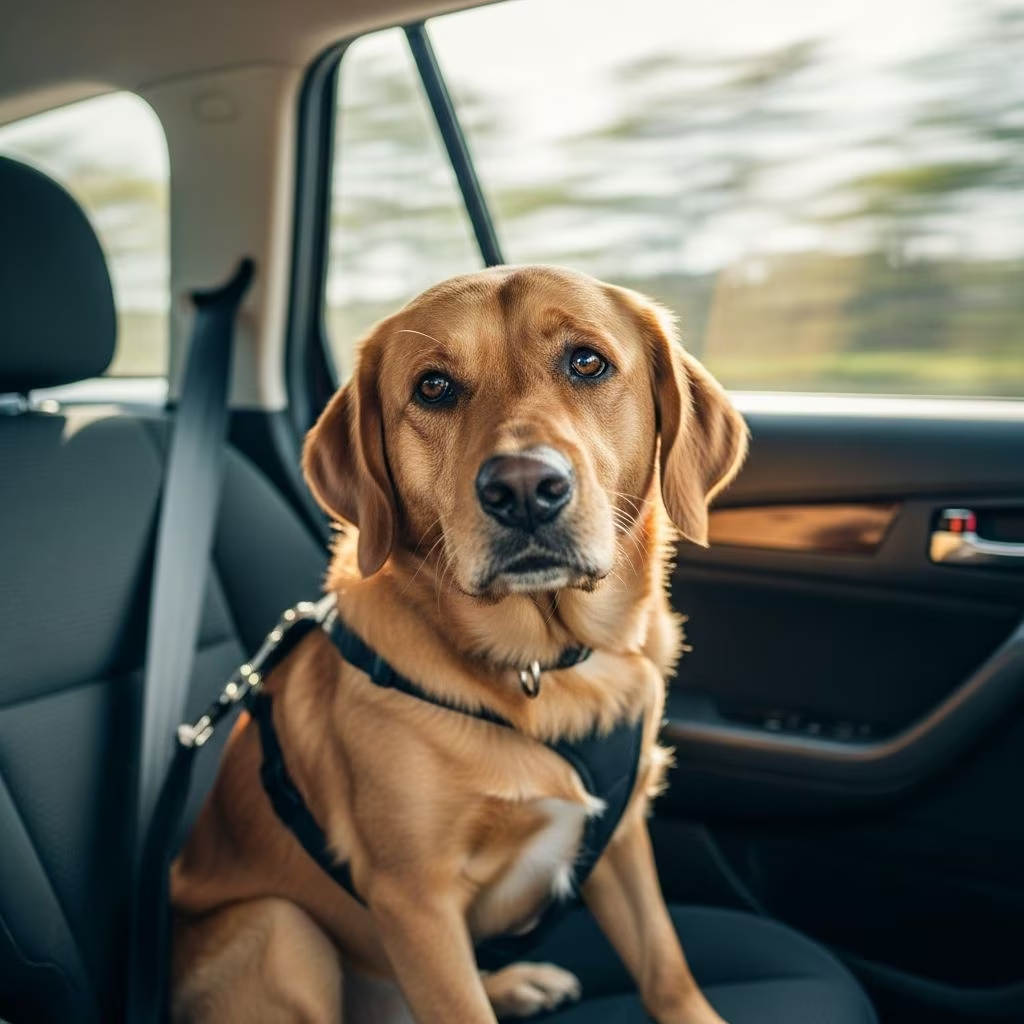
Motion Sickness in Dogs: A Complete Guide to Causes, Symptoms, and Solutions
Motion sickness is a common condition that affects many dogs during car rides and other forms of travel. This temporary but often distressing condition occurs when a dog’s inner ear and brain struggle to adjust to the motion and changes in equilibrium that occur during travel. Understanding motion sickness in dogs is essential for pet owners who want to help their furry companions travel comfortably and safely. With proper management strategies, including behavioral techniques and medication options, most dogs can overcome or effectively manage this condition.
Understanding Motion Sickness in Dogs
Motion sickness in dogs is similar to the condition experienced by humans during travel. It results from conflicting signals sent to the brain by the inner ear, eyes, and sensory nerves. The inner ear is responsible for maintaining balance and equilibrium, and when a vehicle’s movement disrupts this delicate system, dogs may experience discomfort, nausea, and other distressing symptoms. Puppies and young dogs are particularly susceptible to motion sickness because their inner ear systems are still developing. However, dogs of any age can experience this condition, and some dogs may continue to suffer from it throughout their lives if left untreated.
Anxiety also plays a significant role in motion sickness. Dogs that associate car rides with stressful experiences, such as trips to the veterinarian, may develop anticipatory anxiety that compounds their physical symptoms. This combination of physical discomfort and psychological stress can make travel extremely challenging for both the dog and its owner.
Recognizing the Symptoms of Motion Sickness
Identifying motion sickness in dogs is the first step toward addressing the problem. Pet owners should watch for various signs that indicate their dog is experiencing discomfort during travel. Common symptoms include:
- Excessive drooling and lip licking
- Panting and rapid breathing
- Whining or vocalization
- Vomiting
- Uneasiness and restlessness
- Listlessness and inactivity
- Immobility or freezing in place
While vomiting is perhaps the most obvious sign of motion sickness, many dogs experience milder symptoms before reaching that point. Excessive drooling, panting, and whining often appear first. Some dogs become completely immobile, refusing to move or showing extreme listlessness during car rides. If you notice any of these symptoms in your dog during travel, it’s important to consult with your veterinarian about appropriate management strategies.
Causes and Risk Factors
Several factors contribute to motion sickness in dogs. The primary cause is an underdeveloped or sensitive inner ear system, which is why puppies are particularly prone to this condition. As dogs mature, many naturally outgrow motion sickness, though some continue to experience it into adulthood.
Anxiety and fear also play significant roles in motion sickness. Dogs that have had negative experiences in vehicles or those that are naturally anxious may develop motion sickness that persists even after their inner ear has fully developed. Additionally, certain medical conditions affecting the inner ear, such as infections or inflammation, can contribute to motion sickness symptoms. Your veterinarian can examine your dog’s inner ear using an otoscope to check for any underlying health issues that may be contributing to the problem.
Treatment Approaches for Motion Sickness
There are two primary approaches to managing motion sickness in dogs: desensitization and behavioral techniques, and medication. Many pet owners find that combining both approaches yields the best results for their individual dogs.
Desensitization and Behavioral Techniques
Desensitization involves gradually acclimating your dog to vehicle travel through a series of positive experiences. This approach works best when started early and progressed slowly. Begin by simply placing your dog in a parked car and offering treats and praise while the vehicle remains stationary. Allow your dog to become comfortable with the car’s interior environment without any motion involved. Once your dog seems relaxed in the stationary vehicle, start the engine while the car remains parked, continuing to provide positive reinforcement.
The next step involves taking very short trips to enjoyable destinations, such as the dog park or a favorite outdoor location. Keep these initial trips to just a few minutes in duration. Gradually increase the length and frequency of trips over weeks and months. This slow, methodical approach helps your dog learn that car rides can lead to positive experiences, reducing anxiety and allowing the inner ear system to adapt more comfortably to motion.
Environmental modifications can also support desensitization efforts. Keep the car cool by opening a window or using air conditioning, as cooler air can help reduce nausea. Playing soft music at low volume may also help calm anxious dogs during travel.
Prescription Medications for Motion Sickness
For dogs whose motion sickness is severe or doesn’t respond adequately to behavioral techniques, prescription medications offer effective relief. The most commonly prescribed and most effective medication for motion sickness in dogs is maropitant citrate, commonly known by the brand name Cerenia. This FDA-approved medication is specifically designed to treat motion sickness and vomiting in dogs. Maropitant works by blocking NK1 receptors in the brain’s emetic center, the area responsible for triggering nausea and vomiting. This mechanism of action makes it more effective than older antihistamine medications that work through different pathways.
Maropitant is typically administered about 2 hours before travel and is very safe for puppies over 8 weeks of age. The medication is given once daily, making it convenient for pet owners. One potential side effect is increased salivation, though this is generally mild and temporary. Your veterinarian will determine the appropriate dosage based on your dog’s weight and individual needs.
Anti-Anxiety Medications
When motion sickness is primarily caused by anxiety rather than physical inner ear sensitivity, anti-anxiety medications can be highly beneficial. Prescription anti-anxiety options include alprazolam (commonly known as Xanax), trazodone (Desyrel), and acepromazine. These medications are typically given the night before travel and repeated about 12 hours before departure. They help relax even highly anxious dogs, making car travel more comfortable.
Sedative medications such as diazepam and chlorpromazine may also be prescribed for anxiety-related motion sickness. These medications help calm your dog and can result in sleepiness throughout the journey, allowing the dog to rest rather than experience distress. It’s important to note that some sedatives like acepromazine and chlorpromazine may cause your dog’s urine to turn pink or reddish brown, which is a harmless but potentially startling side effect.
Antihistamine Medications
Antihistamine medications have been used to treat motion sickness in dogs for many years and can be effective, particularly when combined with other approaches. Common antihistamine options include dimenhydrinate (found in products like Dramamine and Gravol) and meclizine (Antivert or Bonine). These over-the-counter medications have anti-nausea effects and can also provide mild sedation. Diphenhydramine (Benadryl) is another antihistamine option, though it’s generally considered less effective specifically for motion sickness.
Before giving your dog any over-the-counter medication, always consult with your veterinarian to determine the appropriate dosage for your individual dog’s weight and health status.
Non-Prescription and Natural Remedies
For pet owners seeking gentler alternatives or supplementary approaches, several non-prescription options exist. Calming supplements containing casein protein derivative (Zylkene) or L-Theanine (found in products like Anxitaine or Solliquin) can help reduce anxiety associated with travel. Natural remedies including ginger, valerian, passionflower, skullcap, and Bach flower extracts (such as Rescue Remedy) have also shown promise in helping anxious dogs. However, it’s important to consult with your veterinarian before starting any supplements or natural remedies, as they can interact with other medications or may not be appropriate for all dogs.
Recovery and Post-Travel Care
Most dogs recover from motion sickness symptoms within an hour or two after the vehicle stops and travel ceases. However, dogs that have experienced severe motion sickness may require several hours to feel completely back to normal. During the recovery period, offer your dog a bland diet consisting of boiled chicken and white rice for one or two days following the trip. This gentle diet helps settle the stomach and prevents further digestive upset.
If your dog vomited during travel, your veterinarian may recommend additional anti-nausea medication such as ondansetron to be given after traveling to help settle the stomach and prevent continued discomfort. Ensure your dog has access to fresh water and rest in a quiet, comfortable environment during recovery.
Prevention Strategies
Preventing motion sickness is significantly easier than treating it after it develops. Start desensitization early if you have a puppy, as this is the most effective prevention strategy. Even a few minutes in a parked car daily can help acclimate a young dog to the vehicle environment. Gradually increase trip duration over weeks and months to allow the inner ear to adapt naturally.
For dogs prone to motion sickness despite desensitization efforts, discuss with your veterinarian whether preventive medication before travel would be beneficial. Cerenia and trazodone are two popular options that veterinarians frequently prescribe as preventive measures before anticipated travel. Taking these medications prior to trips can allow your dog to travel comfortably without experiencing distressing symptoms.
Additionally, never feed your dog a large meal immediately before travel, as this can increase the likelihood of vomiting. Offer a small, light snack several hours before departure if needed. Ensure adequate ventilation in the vehicle and avoid sudden accelerations or sharp turns that might exacerbate motion sickness.
When to Consult Your Veterinarian
While motion sickness itself is typically a temporary and manageable condition, certain situations warrant veterinary consultation. If your dog experiences severe vomiting, shows signs of dehydration, or refuses to eat or drink for extended periods after travel, contact your veterinarian. Additionally, if motion sickness suddenly develops in an older dog that previously traveled comfortably, this may indicate an underlying medical issue requiring investigation. Your veterinarian can rule out inner ear infections, neurological issues, or other health conditions that might mimic or contribute to motion sickness symptoms.
Frequently Asked Questions About Dog Motion Sickness
Q: Is it normal for dogs to throw up on car rides?
A: While it’s not considered normal, vomiting during car rides is quite common in dogs, particularly puppies and dogs with sensitive inner ears or anxiety-related issues. Most cases of car sickness can be effectively managed through desensitization, environmental modifications, or appropriate medications recommended by your veterinarian.
Q: Will my puppy outgrow motion sickness?
A: Many puppies naturally outgrow motion sickness as their inner ear systems fully develop and mature. However, some dogs continue to experience motion sickness into adulthood, particularly if anxiety plays a significant role. Consistent desensitization during puppyhood increases the likelihood that your dog will travel comfortably as an adult.
Q: How long does it take for anti-nausea medication to work?
A: Medications like maropitant (Cerenia) typically take about 30 minutes to begin working effectively, which is why it’s recommended to administer it 2 hours before travel. This provides a safety margin to ensure the medication has reached its peak effectiveness before the trip begins.
Q: Can I give my dog over-the-counter motion sickness medication meant for humans?
A: Some over-the-counter medications like Dramamine can be given to dogs under veterinary guidance, but dosages differ significantly from human doses. Always consult your veterinarian before administering any human medication to your dog to ensure safety and appropriate dosing.
Q: Are there any long-term solutions for chronic motion sickness?
A: Yes, combining desensitization techniques with appropriate preventive medication offers the best long-term approach. Many dogs improve significantly over months of gradual exposure combined with medication when needed. In some cases, dogs eventually require only minimal medication or none at all after sufficient desensitization.
References
- Motion Sickness in Dogs — VCA Animal Hospitals. Retrieved from https://vcahospitals.com/know-your-pet/motion-sickness-in-dogs
- Motion Sickness in Animals – Nervous System — Merck Veterinary Manual. 2024. https://www.msdvetmanual.com/nervous-system/motion-sickness/motion-sickness-in-animals
- Dog Motion Sickness: What It Is and How To Help Your Dog — PetMD. 2024. https://www.petmd.com/dog/conditions/digestive/dog-motion-sickness-what-it-and-how-help-your-dog
- Motion Sickness in Dogs – Dog Owners — Merck Veterinary Manual. 2025. https://www.merckvetmanual.com/dog-owners/brain-spinal-cord-and-nerve-disorders-of-dogs/motion-sickness-in-dogs
- 10 Ways to Prevent Dog Car (Motion) Sickness — GoodRx. 2024. https://www.goodrx.com/pet-health/dog/dog-car-motion-sickness
- Carsickness and Motion Sickness in Dogs — Small Door Veterinary. 2024. https://www.smalldoorvet.com/learning-center/wellness/carsickness-dogs
- Causes and Treatment of Motion Sickness in Dogs — Today’s Veterinary Practice. 2019. https://todaysveterinarypractice.com/wp-content/uploads/sites/4/2019/07/Causes-and-Treatment-of-Motion-Sickness-in-Dogs.pdf



