

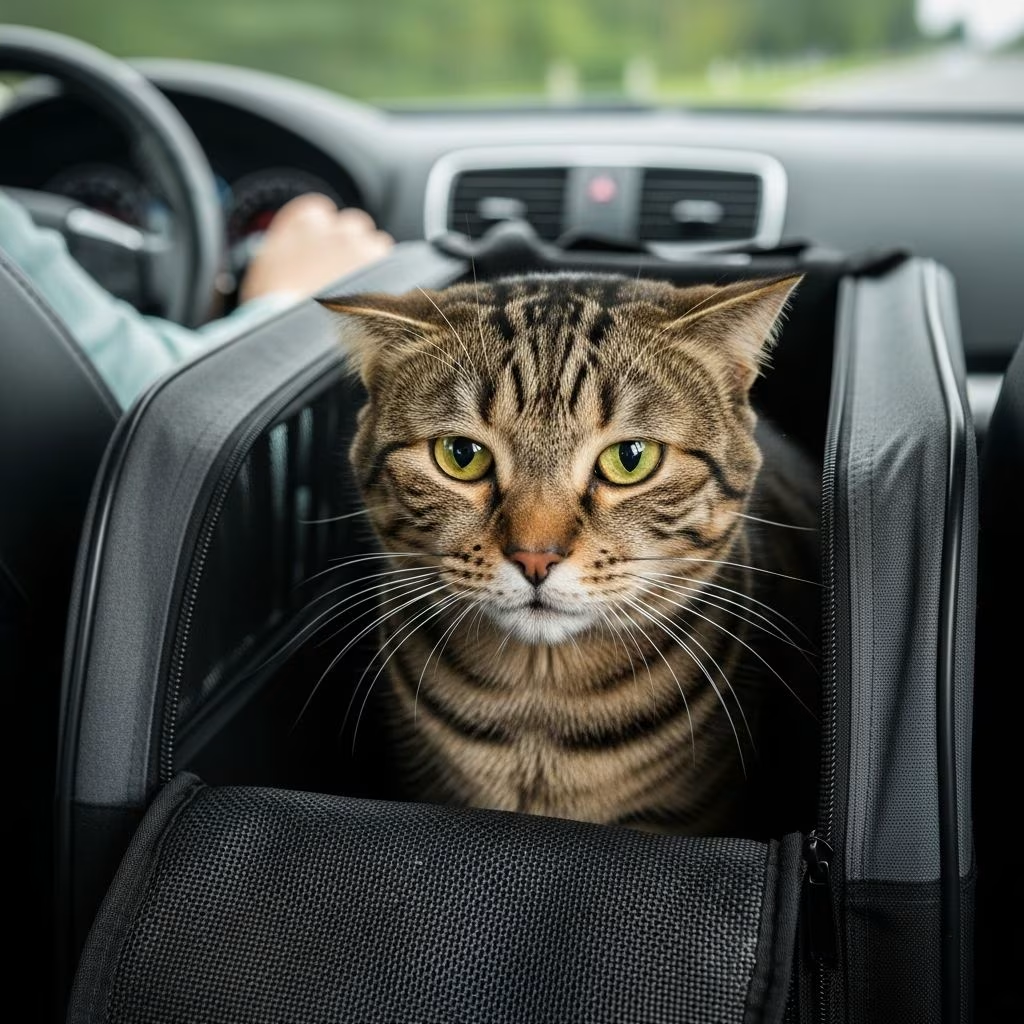
Motion Sickness in Cats: Understanding and Managing Travel Discomfort
Motion sickness is a common condition that affects many cats during car rides and travel. If your feline companion experiences nausea, vomiting, or anxiety when traveling in vehicles, understanding the underlying causes and available solutions can significantly improve their comfort and your travel experience together. This comprehensive guide covers everything you need to know about motion sickness in cats, from recognition to treatment and prevention strategies.
What is Motion Sickness in Cats?
Motion sickness in cats is a condition characterized by nausea, vomiting, and general discomfort that occurs during vehicle travel or other forms of motion. The condition stems from conflicting signals sent to the brain from the vestibular system, which is located in the inner ear and controls balance and spatial orientation. When a cat travels in a moving vehicle, the inner ear detects motion while the cat’s eyes may perceive a relatively stationary environment inside the car, creating sensory confusion that triggers nausea and related symptoms.
Beyond the physical mechanisms, psychological factors also play a significant role in motion sickness development. Many cats develop anxiety associated with car travel, particularly if their early experiences with vehicles were stressful or if they only travel to unfamiliar or unpleasant destinations such as veterinary clinics. This anxiety can compound the physical symptoms and make the overall experience more distressing for both the cat and owner.
Recognizing the Signs and Symptoms
Understanding the symptoms of motion sickness helps you identify when your cat is experiencing discomfort during travel. Common signs include:
Primary symptoms:
- Excessive drooling or salivation
- Lip licking or smacking
- Vomiting or retching
- Loss of appetite
- Diarrhea or soft stools
- Lethargy or depression
Behavioral indicators:
- Excessive vocalization or meowing
- Restlessness and pacing
- Attempts to hide or escape
- Visible signs of anxiety or fear
It’s important to note that motion sickness symptoms typically resolve when the motion stops, though some cats may continue to feel queasy for a period after the car journey concludes. If symptoms persist or worsen over time, consult your veterinarian to rule out underlying medical conditions that could mimic motion sickness.
Causes of Motion Sickness in Cats
The primary cause of motion sickness in cats is a disturbance in the inner ear’s vestibular system, which has direct connections to the brainstem. This physical sensitivity to motion varies among individual cats, with some being naturally more susceptible than others.
However, the complete picture of motion sickness in cats involves more than just physical sensitivity. The psychological component cannot be overlooked. Cats that experience anxiety or fear associated with vehicles may display motion sickness symptoms even when the car is not moving. Factors that contribute to travel anxiety include:
- Negative early experiences with car travel
- Associations between car rides and stressful destinations
- Lack of early socialization to vehicles
- Cats’ natural preference for familiar environments
- Stress from confinement in a carrier
Understanding these contributing factors is essential for developing an effective treatment strategy, as addressing both the physical and psychological aspects of motion sickness yields better results than focusing on either factor alone.
Diagnosis and Veterinary Assessment
While motion sickness is often diagnosed based on your cat’s history and observed symptoms during car travel, a thorough veterinary examination is important to rule out other medical conditions. Your veterinarian will perform a physical examination and may ask detailed questions about:
- When symptoms first appeared
- The specific circumstances triggering symptoms
- Duration and severity of episodes
- Any changes in eating, drinking, or bathroom habits
- Your cat’s travel history and past experiences
Your veterinarian may recommend diagnostic tests to exclude other causes of vomiting or gastrointestinal upset, particularly if symptoms occur in situations unrelated to travel. This comprehensive approach ensures that motion sickness is accurately identified and appropriately treated.
Treatment Options for Motion Sickness
Multiple treatment approaches are available for managing motion sickness in cats, ranging from behavioral modifications to pharmaceutical interventions. The most effective strategy often combines several approaches tailored to your cat’s individual needs.
Medication-Based Treatments
Prescription Anti-Nausea Medications:
Maropitant (Cerenia) is an FDA-approved anti-nausea medication specifically developed for cats. This medication works by blocking signals in the brain that trigger vomiting and is typically administered about two hours before travel, preferably after a light meal. Maropitant is highly effective for cats with genuine motion sickness caused by inner ear disturbance.
Antihistamines:
Antihistamines such as diphenhydramine, meclizine, and dimenhydrinate can reduce nausea and vomiting associated with motion sickness. These medications offer the additional benefit of mild sedation, which can calm anxious cats during travel. Meclizine and dimenhydrinate are available over-the-counter but should only be given under veterinary guidance regarding proper dosing for cats.
Anti-Anxiety Medications:
When anxiety is a primary component of motion sickness, your veterinarian may recommend anti-anxiety medications such as gabapentin, trazodone, or short-acting options like alprazolam. Gabapentin is particularly useful as it provides both anti-anxiety and mild pain-relieving effects. These medications help reduce the psychological stress associated with car travel, which can diminish motion sickness symptoms.
Over-the-Counter Options:
Dramamine (dimenhydrinate) is available over-the-counter and can reduce nausea and vomiting in cats. However, it is essential to consult your veterinarian for proper dosing before administering any over-the-counter medication to your cat, as dosages for felines differ significantly from human doses.
Behavioral and Environmental Modifications
Carrier Conditioning:
Begin by reducing your cat’s stress associated with the carrier itself. Leave the carrier out in your home with the door open, line it with comfortable bedding, and place treats inside to create positive associations. Gradually acclimate your cat to spending time in the carrier with the door closed while remaining at home. This foundational conditioning significantly reduces stress during actual travel.
Gradual Car Exposure:
Once your cat is comfortable with the carrier, introduce car travel gradually. Begin by placing your cat in the carrier inside the parked car, starting the engine, and sitting quietly for several minutes. Progress to short drives around the block or down the street, gradually increasing duration and distance as your cat becomes more comfortable. Provide praise and rewards throughout this process to reinforce positive associations with vehicle travel.
Pheromone Sprays:
Feline pheromone products like Feliway mimic the natural calming scents that cats produce through glands on their faces. Spraying the interior of the carrier before travel creates a familiar, soothing environment that can significantly reduce stress and anxiety during car rides.
Proper Ventilation and Temperature Control:
Ensure adequate air circulation inside the carrier and maintain comfortable temperatures within the vehicle. Poor ventilation and excessive heat can worsen nausea and anxiety symptoms. Never leave your cat unattended in a parked vehicle, as temperatures can quickly become dangerous.
Prevention Strategies
Preventing motion sickness involves a combination of proactive measures designed to minimize both physical and psychological triggers:
- Early Socialization: Introduce kittens to car travel in positive contexts to prevent anxiety-based motion sickness from developing
- Light Meals Before Travel: Feed your cat a light meal several hours before travel rather than immediately before departure
- Frequent Breaks: During long journeys, take periodic breaks to allow your cat to move around and decompress
- Familiar Items: Include familiar bedding, toys, or items with comforting scents in the carrier
- Consistent Travel Routine: Establish a predictable pre-travel routine that signals to your cat that travel is about to occur
- Positive Reinforcement: Reward calm behavior during and after car travel to reinforce positive associations
- Avoid Stressful Destinations: When possible, take recreational car rides to pleasant locations rather than only traveling to the veterinary clinic
Natural and Supplemental Remedies
Some cat owners explore natural remedies in conjunction with or as an alternative to conventional treatments. These include ginger supplements, which may ease nausea when used at veterinary-approved doses, and calming herbal preparations containing ingredients like valerian or L-theanine. Bach Flower Rescue Remedy is another natural option that some owners find helpful for reducing travel-related stress. However, always consult your veterinarian before introducing any supplements or natural remedies, as some may interact with other medications or have contraindications for individual cats.
Long-Term Management Strategies
Managing motion sickness effectively often requires a long-term approach that extends beyond individual trips. Establishing a comprehensive management plan involves:
- Regular administration of prescribed or recommended medications before all car travel
- Continued carrier and vehicle desensitization over time
- Tracking your cat’s responses to different treatments and environmental modifications
- Adjusting strategies based on observed effectiveness and your cat’s changing needs
- Maintaining regular communication with your veterinarian about symptom progression or changes
With consistent effort and appropriate interventions, most cats show improvement in motion sickness symptoms. However, some cats may experience lifelong sensitivity to travel, requiring ongoing management strategies and medication for all vehicle journeys.
When to Consult Your Veterinarian
Contact your veterinarian if:
- Your cat’s motion sickness symptoms worsen over time despite treatment
- Symptoms change in character or frequency
- Your cat shows signs of distress beyond what you’d expect from motion sickness
- You’re unsure about appropriate medication dosages or options
- Vomiting or diarrhea persists after the car journey ends
- Your cat shows signs of dehydration or significant weight loss
Frequently Asked Questions
Q: Can motion sickness in cats be completely cured?
A: While motion sickness may never be completely eliminated, it can generally be successfully managed through a combination of medication, behavioral conditioning, and environmental modifications. Some cats show significant improvement with proper treatment, while others may require ongoing management strategies.
Q: Is motion sickness in cats contagious?
A: No, motion sickness is not contagious between cats or from cats to humans. You may experience motion sickness yourself due to the same motion your cat experiences, but this is not transmitted from your cat to you.
Q: What is the best age to start conditioning a cat to car travel?
A: Kittens typically adapt most readily to new experiences. Starting carrier and vehicle conditioning early in a kitten’s life can prevent anxiety-based motion sickness from developing. However, cats of any age can benefit from gradual desensitization and proper training.
Q: Are human motion sickness medications safe for cats?
A: Some human motion sickness medications can be used in cats under veterinary supervision, but dosages differ significantly. Never give your cat over-the-counter human medications without explicit veterinary approval and guidance on proper dosing.
Q: How long does motion sickness last in cats?
A: Acute motion sickness symptoms typically resolve when motion stops, though some residual queasiness may persist for a short period afterward. However, the duration and severity vary among individual cats and may be influenced by anxiety levels and sensitivity to motion.
Q: What should I feed my cat before a car trip?
A: Feed your cat a light meal several hours before travel rather than immediately before departure. This reduces the likelihood of vomiting while ensuring your cat doesn’t travel on an empty stomach. Avoid large meals or foods that are difficult to digest.
Q: Is there a vaccine for motion sickness in cats?
A: No, there is no vaccine for motion sickness in cats. Management relies on medication, behavioral conditioning, and environmental modifications rather than preventive vaccination.
Comparison of Motion Sickness Treatment Options
| Treatment Type | Mechanism | Pros | Cons | Best For |
|---|---|---|---|---|
| Maropitant (Cerenia) | Anti-nausea (FDA-approved) | Highly effective; no sedation; prescription strength | Requires veterinary prescription; may be costly | Severe physical motion sickness |
| Antihistamines (Meclizine, Diphenhydramine) | Reduces nausea with mild sedation | Some available OTC; affordably priced; dual action | May cause drowsiness; requires proper dosing | Mild to moderate motion sickness with anxiety |
| Gabapentin | Anti-anxiety with sedative effects | Reduces both anxiety and nausea; well-tolerated | Requires prescription; may cause drowsiness | Anxiety-driven motion sickness |
| Behavioral Conditioning | Desensitization and positive reinforcement | No medication side effects; long-term improvement; low cost | Requires significant time investment; slower results | Young cats; mild cases; preventive approach |
| Pheromone Sprays (Feliway) | Calming scent mimicry | Natural; no side effects; easy to use; affordable | May not be effective alone; requires repeated application | Complementary therapy; stress reduction |
| Environmental Modifications | Reducing triggers through temperature, ventilation, carrier design | No medication required; improves overall comfort; cost-effective | Limited effectiveness for severe physical motion sickness | All cases as foundational support |
Creating Your Comprehensive Travel Plan
Develop a personalized strategy by combining multiple approaches:
- Step 1: Consult your veterinarian to determine whether your cat’s motion sickness is primarily physical or anxiety-based
- Step 2: Begin carrier habituation and desensitization exercises at least 2-3 weeks before planned travel
- Step 3: Discuss medication options with your veterinarian and obtain prescriptions if needed
- Step 4: Implement environmental modifications including proper ventilation and temperature control
- Step 5: Start with short, low-stress car rides to gauge your cat’s response to interventions
- Step 6: Gradually increase trip duration and distance as your cat demonstrates improvement
- Step 7: Maintain consistent management strategies and track effectiveness over time
Conclusion
Motion sickness in cats is a manageable condition that responds well to comprehensive treatment approaches addressing both physical and psychological factors. While some cats may require ongoing management, most show significant improvement when provided with appropriate medication, behavioral conditioning, and environmental support. By working closely with your veterinarian to develop a customized management plan and consistently implementing recommended strategies, you can substantially improve your cat’s comfort during travel and enhance your ability to safely transport your feline companion when necessary. The investment in proper conditioning and treatment yields long-term benefits that make future car trips less stressful for both you and your beloved cat.
References
- Motion Sickness in Cats – Cat Owners — Merck Veterinary Manual. 2024. https://www.merckvetmanual.com/cat-owners/brain-spinal-cord-and-nerve-disorders-of-cats/motion-sickness-in-cats
- Cats and Motion Sickness — PetMD. 2024. https://www.petmd.com/cat/conditions/digestive/c_ct_motion_sickness
- Cat Motion Sickness: A Vet’s 2025 Guide to Travel Comfort — Ask A Vet. 2025. https://askavet.com/blogs/news/cat-motion-sickness-a-vet-s-2025-guide-to-causes-treatment-travel-comfort
- Carsickness and Motion Sickness in Cats — Small Door Veterinary. 2024. https://www.smalldoorvet.com/learning-center/wellness/carsickness-cats
- Motion Sickness in Cats: 10 Tips to Help a Car Sick Cat — Bond Vet. 2024. https://bondvet.com/blog/motion-sickness-in-cats



