

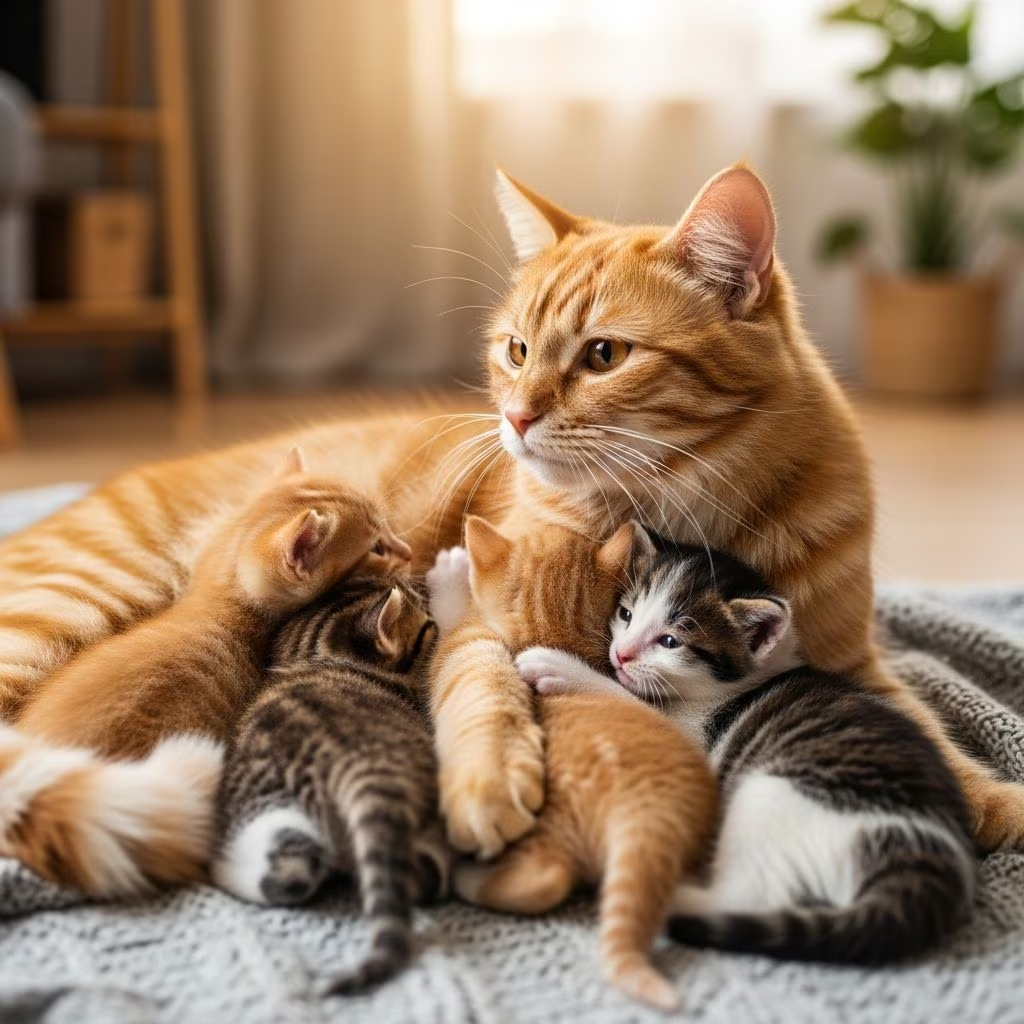
Mother cats, often referred to as queens, exhibit remarkable instinctive behaviors to ensure the survival and healthy development of their kittens. From the moment of birth, these dedicated caregivers provide nursing, grooming, protection, and early education, fostering strong family bonds that shape the kittens’ future.
The Instinctive Drive Behind Maternal Care
At the core of a mother cat’s actions lies a deep-seated instinct honed by evolution. Queens seek out secluded, safe spots to give birth, prioritizing privacy to minimize stress and threats. This behavior helps maintain a calm environment essential for newborn kittens who are blind, deaf, and entirely dependent on their mother.
Immediately after delivery, the queen cleans each kitten meticulously, removing amniotic sacs, severing umbilical cords, and consuming placentas. These actions not only stimulate breathing but also reduce infection risks and provide nutritional benefits to the exhausted mother.
Essential Nursing Stages in Kitten Development
Nursing forms the foundation of kitten care, progressing through distinct phases that align with the kittens’ growing abilities. In the first one to two weeks, the mother initiates feeding sessions by licking her kittens awake and curling around them protectively. Kittens instinctively latch on after a brief search, drawing vital colostrum and milk rich in antibodies.
- Week 1-2: Mother-led nursing; kittens crawl to teats using scent cues.
- Week 2-3: Kittens’ eyes and ears open; they begin exploring and initiating some feeds.
- Week 5+: Kittens drive most nursing; mother starts weaning by becoming less available.
By around four weeks, solid foods are introduced gradually, but nursing continues until 8-12 weeks to support emotional security and nutrition.
Grooming and Hygiene: Building Bonds and Health
Grooming is a constant in early kitten life, serving multiple purposes. Queens lick their offspring frequently during the first 2-4 weeks to stimulate urination and defecation, as newborns lack the strength to eliminate independently. The mother consumes the waste, keeping the nest clean and odor-free to deter predators.
This ritual also strengthens the mother-kitten bond through physical contact and reinforces hygiene habits. As kittens gain mobility around three weeks, they begin using litter boxes, guided by the queen’s example.
Protection Strategies: Keeping the Litter Safe
Protection is paramount for mother cats. They vigilantly guard the nest, relocating kittens to perceived safer spots if threats arise—sometimes carrying just one kitten first to test the new location.
A secure queen displays relaxed vigilance: frequent nursing, grooming, and chirping calls to communicate with her litter. Stressors like noise, strangers, or other pets can prompt hiding or neglect, underscoring the need for a quiet fostering environment.
| Sign of Healthy Protection | Description |
|---|---|
| Relaxed Posture | Mother rests near kittens without constant agitation. |
| Guarding Nest | Positions body to shield litter from disturbances. |
| Moving Kittens | Selectively relocates if environment feels unsafe. |
| Chirping Calls | Vocal cues to gather straying kittens. |
Socialization and Play: Teaching Survival Skills
Around three weeks, kittens venture from the nest, prompted by their mother’s encouragement. She models walking, jumping, and litter use while supervising play that hones hunting instincts through mock chases and pounces.
This phase is crucial for socialization. Kittens learn boundaries via gentle corrections and observe maternal interactions, reducing feral tendencies in semi-wild queens. Human handling from 4-6 weeks complements this, accustoming them to people.
Recognizing and Addressing Maternal Neglect
While most queens are attentive, issues like stress, illness, or inexperience can lead to neglect. Warning signs include refusal to nurse, abandoning the litter, or excessive aggression.
- Constantly leaving nest without returning.
- Kittens crying persistently from hunger or cold.
- Mother ignoring grooming or stimulation needs.
- Visible health issues like lethargy or discharge.
In such cases, contact a veterinarian or foster coordinator promptly. Temporary separation may be needed if the queen is feral, allowing hand-rearing or socialization.
Supporting the Mother Cat’s Well-Being
A thriving queen requires attentive care to sustain her nurturing role. Provide fresh water, high-protein food nearby, and a litter box outside the nest to avoid leaving kittens unattended.
Post-birth, she may fast for 24 hours before resuming normal eating. Solo play sessions after 2-3 weeks help reduce stress, using wand toys or balls. Avoid introducing her to household pets for the first two weeks to prevent disease transmission.
Optimal Weaning Timeline and Transition
Weaning bridges kitten dependency to independence, typically starting at 4 weeks with wet food mush and extending to 8-12 weeks. Rushing this risks behavioral issues like wool-sucking.
Mothers naturally reduce availability, teaching self-reliance. Kittens staying with mom until 8-10 weeks show better socialization and fewer aggression problems.
| Age | Weaning Milestone | Owner Support |
|---|---|---|
| 4 weeks | Introduce gruel | Offer kitten formula alongside nursing. |
| 6-8 weeks | Solid kibble | Monitor weight gain; multiple meals daily. |
| 12 weeks | Fully weaned | Balanced kitten diet; gradual litter training. |
Creating an Ideal Kitten-Rearing Environment
Pet owners can optimize conditions by designating a quiet room with a lined box, soft bedding, and minimal disturbances. Daily checks suffice initially—feed, refresh water, spot-clean without excess handling.
High-sided barriers prevent escapes as kittens grow active. Temperature control (around 85°F first week, dropping gradually) mimics maternal warmth.
Long-Term Benefits of Strong Maternal Bonds
Kittens raised by attentive mothers develop superior social skills, litter habits, and stress resilience. They integrate better into homes, displaying confident play and appropriate affection.
Owners benefit too: healthier litters mean fewer vet visits and well-adjusted pets. Patience during the first weeks yields lifelong rewards.
Frequently Asked Questions (FAQs)
Why does my cat only bring me one kitten?
This is a safety test; she scouts the area with one before moving the rest. Provide a secure nest to discourage this.
How often should a mother cat nurse her kittens?
Every 1-3 hours initially, decreasing as kittens age and wean.
When can kittens leave their mother?
Ideally 8-12 weeks for optimal socialization.
What if the mother rejects her kittens?
Seek vet help; hand-feeding may be required if neglect persists.
Do mother cats need special food while nursing?
Yes, kitten or lactation formulas support high energy demands.
References
- Nursing Mothers and Their Kittens — City of Austin Animal Services. 2023. https://www.austintexas.gov/sites/default/files/files/Animal_Services/Foster_Care_Manual/NURSING_MOTHER_CATS_AND_KITTENS.pdf
- Fostering Moms and Kittens — Best Friends Animal Society. 2024-10-15. https://bestfriends.org/pet-care-resources/fostering-moms-and-kittens
- Caring for Young Kittens and Their Moms — Animal Humane Society. 2025-01-20. https://www.animalhumanesociety.org/resource/caring-young-kittens-and-their-moms
- How Mother Cats Take Care of Kittens — PetPlace.com. 2024-05-12. https://www.petplace.com/article/cats/pet-behavior-training/how-mother-cats-take-care-of-kittens
- Exploring the Relationship Between Kittens and Their Mothers — International Cat Care. 2023-11-08. https://icatcare.org/articles/exploring-the-relationship-between-kittens-and-their-mothers



