

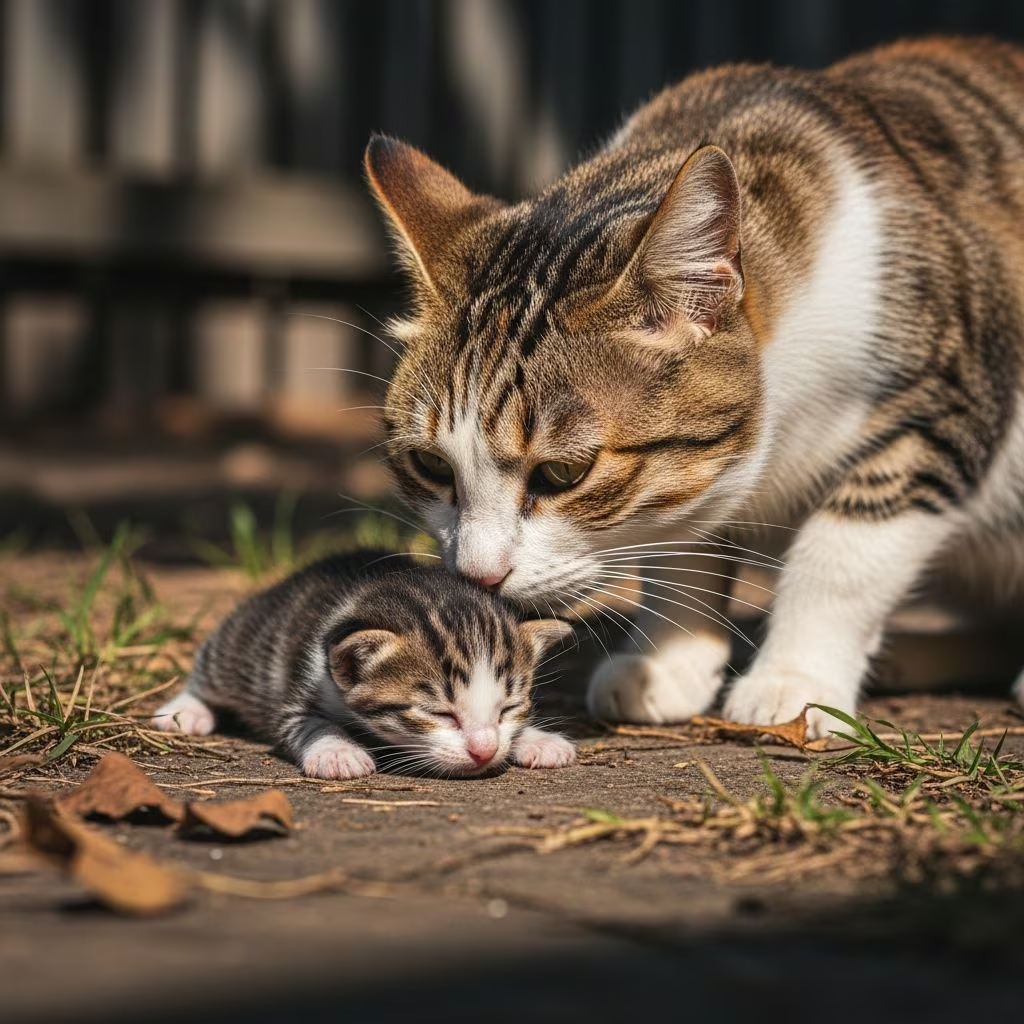
Mother cats exhibit a range of instinctual behaviors when one of their kittens dies, prioritizing the survival of the remaining litter through actions like grooming, consumption, or relocation. These responses stem from evolutionary adaptations that maintain hygiene and deter predators in the wild.
Instinctual Grooming After Birth
Immediately following delivery, a mother cat meticulously grooms each newborn kitten. This vigorous licking serves multiple purposes: it removes amniotic fluids and placental tissues that could obstruct breathing, stimulates circulation and respiration, and establishes a vital bond between mother and offspring.
Even if a kitten is stillborn or fails to thrive shortly after birth, the queen continues this grooming ritual. She may nuzzle, lick, and position the lifeless body alongside her living kittens, persisting in efforts to elicit a response. This persistence can last hours before she shifts focus to viable kittens, reflecting her innate drive to nurture.
Reasons for Consuming a Dead Kitten
When a kitten perishes at birth or soon after, queens often consume the remains. This behavior, while startling to observers, fulfills essential survival functions.
- Preventing Disease Spread: Decomposing tissue attracts bacteria and parasites, endangering the litter. By ingesting the body, the mother eliminates this contamination source, safeguarding her vulnerable newborns.
- Avoiding Predation Risks: The odor of decay signals vulnerability to predators. Removing the carcass conceals the den’s location, protecting the family unit.
- Nutritional Recycling: The act recoups energy and nutrients expended in gestation, potentially boosting milk production for surviving kittens.
These motivations highlight the queen’s pragmatic instincts, honed over millennia for litter preservation rather than sentimentality.
Handling Kittens That Die Later
If a kitten succumbs after initial survival—perhaps due to weakness or injury—the mother’s reaction differs. Rather than consumption, she typically transports the body away from the nesting area, abandoning it elsewhere to decompose.
This relocation prevents contamination of the primary den. The queen may repeatedly reject the body if returned, hissing or moving it further. Such actions underscore her focus on live kittens’ welfare, unburdened by human notions of grief or attachment.
Signs of Maternal Distress
Upon discovering a dead kitten in her absence, a queen may display agitation. She might compulsively groom the body, vocalize plaintively, or pace restlessly—behaviors anthropomorphized as mourning but likely rooted in confusion or stress hormones.
Domestic cats occasionally carry deceased kittens to owners, possibly seeking intervention or simply reacting to disrupted routines. Monitoring these signs helps owners assess the mother’s emotional state and intervene appropriately.
Unborn Kitten Loss Indicators
Detection of a dead fetus inside the mother presents unique challenges. Owners should watch for subtle cues signaling complications.
| Symptom | Description |
|---|---|
| Lack of Movement | Absence of palpable fetal activity in the abdomen, unlike healthy pregnancies. |
| Appetite Shifts | Refusal to eat, withdrawal, or depression-like lethargy. |
| Abdominal Issues | Restlessness, tenderness, or protective guarding of the belly. |
| Mammary Changes | Swollen, red glands with reluctance to nurse survivors. |
| Respiratory or Vomiting | Irregular breathing or frequent vomiting from stress or toxins. |
These symptoms warrant immediate veterinary consultation to avert systemic infections or retained tissues.
Owner Interventions and Support
Human presence during kitten loss requires sensitivity. Avoid interfering with natural behaviors unless health risks emerge, such as prolonged retention of a carcass leading to infection.
- Provide a quiet, warm nesting space away from stressors.
- Ensure ample fresh water, high-quality food, and supplements if appetite wanes—consult vets for tailored nutrition.
- Gently remove remains only after the queen abandons them, burying or disposing hygienically.
- Monitor for mastitis, fever, or foul discharge signaling complications.
Emotional support involves calm interaction: extra petting, play, or pheromone diffusers to ease anxiety. Patience allows hormonal stabilization, typically within days.
Preventing Kitten Mortality
Proactive care reduces losses. Key strategies include:
- Pre-Birth Prep: Routine vet checkups, balanced diet rich in taurine, and deworming/flea prevention.
- Nesting Optimization: Low-sided boxes in dim, draft-free rooms mimic secure wild dens.
- Post-Birth Vigilance: Track nursing frequency, weights, and elimination to spot fading kittens early.
- Environmental Controls: Maintain 75-80°F temperatures; hypothermia claims many neonates.
Spaying post-weaning prevents repeated stress cycles, though emergency C-sections save litters in dystocia cases.
Psychological Impact on the Queen
Losing offspring triggers hormonal fluxes, mimicking postpartum blues. Aggression spikes or excessive grooming of survivors signal unresolved distress. Some queens nurture plush toys as proxies, indicating displaced instincts.
Time heals: most resume normalcy within a week. Persistent issues like refusal to eat merit therapy via environmental enrichment or meds.
Comparative Feline Behaviors
Beyond death responses, maternal teaching includes presenting dead prey to weanlings, simulating hunts. This ‘nurturing’ extends to humans, with gifts of rodents symbolizing family inclusion.
Frequently Asked Questions
Will a mother cat naturally expel a dead unborn kitten?
Yes, natural expulsion occurs sometimes, but delays risk infection. Veterinary aid ensures safe resolution if labor stalls.
How to comfort a grieving mother cat?
Create a serene environment, offer affection, and maintain routines. Quality time rebuilds security.
Is it normal for a queen to eat her dead kitten?
Absolutely; it’s a hygienic, protective instinct, not malice.
What if she rejects a surviving kitten post-loss?
Hand-rearing or fostering may be needed; monitor weights closely.
Can stress cause kitten deaths?
Yes, via suppressed nursing or hypothermia; minimize disturbances.
Long-Term Litter Health
Surviving kittens thrive with vigilant care. Wean at 4-6 weeks onto kitten formula, introducing solids gradually. Socialization prevents behavioral issues from early trauma.
Vets recommend fecal tests and vaccines by 6-8 weeks. Neutering at 8-12 weeks curbs overpopulation and roaming risks.
References
- What Does a Mother Cat Do With a Dead Kitten: Vet-Reviewed Info — Catster. 2023. https://www.catster.com/lifestyle/what-does-a-mother-cat-do-with-a-dead-kitten/
- Symptoms of Dead Kitten Inside Cat and Required Supportive Care — Vet and Tech. 2024. https://www.vetandtech.com/blogs/symptoms-of-dead-kitten-inside-cat
- Why Your Cat Brings You Dead Animals (& How to Stop It) — Rover. 2023. https://www.rover.com/blog/cat-bringing-dead-animal/



