

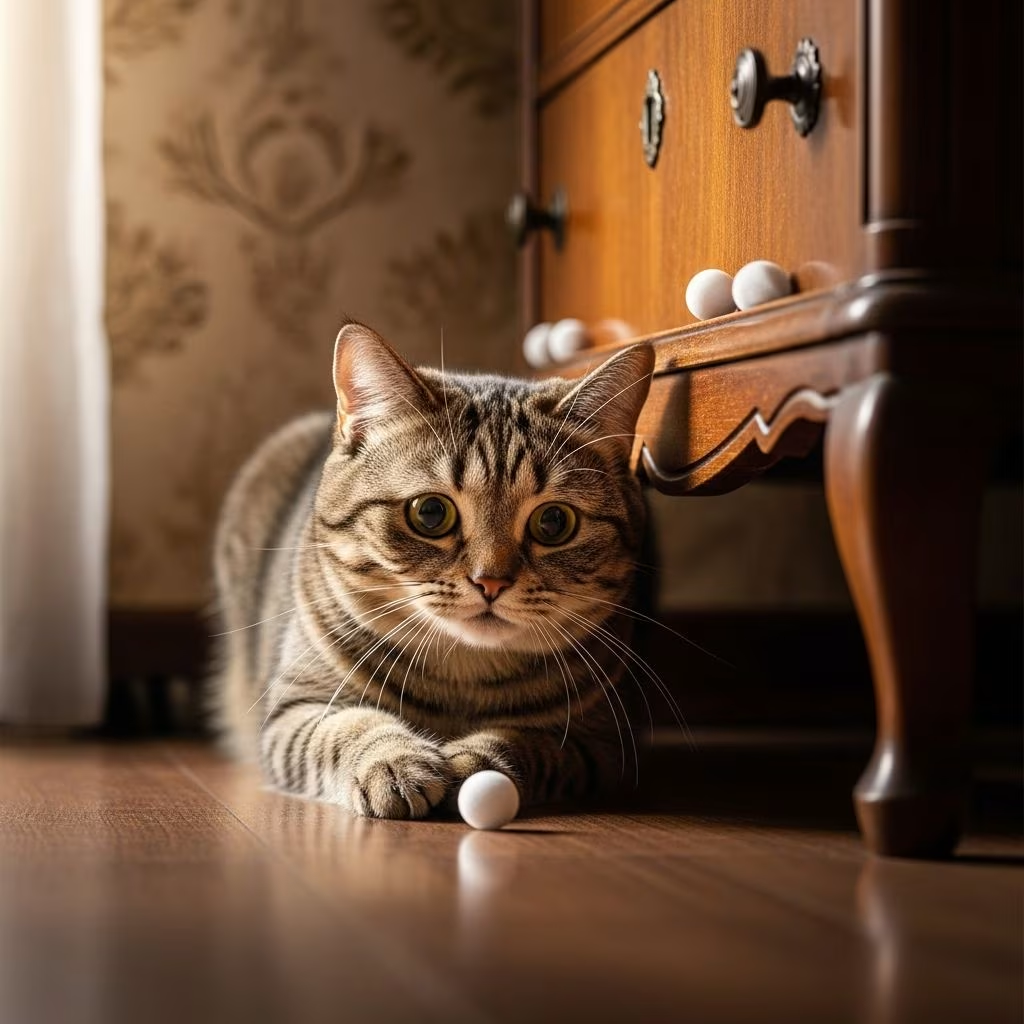
Mothballs, small solid pesticides designed to protect stored clothing from insects, are sometimes misused as cat repellents in gardens or homes. However, they offer no reliable deterrence against cats while presenting severe toxicity risks to pets, people, and the environment.
The Composition and Intended Purpose of Mothballs
Mothballs primarily contain naphthalene, paradichlorobenzene (PDB), or rarely camphor. These chemicals sublimate, releasing toxic vapors in enclosed spaces to target moths and larvae. The Environmental Protection Agency (EPA) regulates them strictly for indoor fabric protection only, requiring airtight containers to concentrate fumes effectively.
Outdoors or in open areas, vapors disperse quickly, rendering mothballs useless for broader pest control. Their labeled use excludes wildlife repulsion, making off-label applications like scattering them around plants illegal in many regions.
Why Mothballs Fail as Cat Deterrents
Cats possess an acute sense of smell, but mothball odors do not consistently repel them. The low vapor concentration outdoors fails to bother felines enough to avoid treated areas. Studies and expert observations confirm natural repellents, including mothballs, have minimal efficacy against cats, rodents, or other animals.
Unlike targeted insect killers, mothballs lack the potency or appeal-disrupting properties needed for mammalian deterrence. Cats may even ignore or play with them, increasing ingestion risks.
Toxicity Risks to Cats from Mothball Exposure
Mothballs pose acute dangers to cats via inhalation, skin contact, or ingestion. Naphthalene and PDB are highly toxic, with even one mothball potentially poisoning a cat depending on its size and type.
- Ingestion effects: Vomiting, lethargy, tremors, seizures, hemolytic anemia, methemoglobinemia, liver/kidney damage.
- Inhalation risks: Respiratory distress, long-term neurological issues from chronic exposure.
- Camphor variants: Stomach upset, possible seizures in large amounts.
Cats metabolize these chemicals poorly, amplifying harm. Symptoms can appear rapidly, necessitating immediate veterinary intervention.
Health Dangers to Humans and Other Pets
Beyond cats, mothballs endanger children, dogs, and wildlife. Fumes cause respiratory problems, headaches, and in high exposures, anemia or organ failure. Children often mistake them for candy, leading to poisoning.
Dogs face similar risks, including gastrointestinal upset and systemic toxicity. Environmental contamination occurs as chemicals leach into soil and water, harming plants and ecosystems.
| Exposure Type | Effects on Cats | Effects on Humans/Dogs |
|---|---|---|
| Ingestion | Severe poisoning, organ damage | Anemia, nausea, seizures |
| Inhalation | Respiratory issues, lethargy | Headaches, breathing problems |
| Contact | Skin irritation | Dermatitis, eye irritation |
Environmental and Legal Concerns
Scattering mothballs pollutes soil, potentially contaminating edible gardens and waterways. The EPA prohibits non-labeled uses, with violations risking fines. Local laws often ban outdoor applications due to ecological harm.
Wildlife like birds, snakes, and rodents suffer indirect exposure, disrupting local biodiversity. Safer, legal options align better with humane pest management standards.
Proven Safe Alternatives for Cat Deterrence
Humane, effective strategies outperform mothballs without toxicity. Focus on sensory dislikes, physical barriers, and habit modification.
Natural Scent Repellents
- Citrus peels or oils: Cats detest the smell; refresh weekly.
- Cayenne pepper, coffee grounds: Scatter around plants.
- Essential oils like lavender or eucalyptus (diluted, pet-safe formulas).
Physical and Tech Barriers
- Motion-activated sprinklers or ultrasonic devices: Startle cats humanely.
- Chicken wire or mulch over soil: Prevents digging.
- Double-sided tape or sticky mats on surfaces.
Habitat Modifications
Remove attractants: Secure trash, eliminate food sources, trim overgrown vegetation. Provide alternative litter spots away from gardens.
| Method | Pros | Cons | Cost |
|---|---|---|---|
| Citrus peels | Cheap, natural | Needs frequent replacement | Low |
| Motion sprinklers | Highly effective | Requires water/electricity | Medium |
| Ultrasonic devices | Weatherproof, long-lasting | May affect other wildlife | Medium |
| Barriers (wire) | Permanent | Installation effort | Low-Medium |
Step-by-Step Guide to Cat-Proofing Your Space
- Assess the area: Identify entry points, digging spots, lounging areas.
- Clean up attractants: Remove feces, food scraps promptly.
- Apply layered deterrents: Combine scents, textures, and tech for best results.
- Monitor and adjust: Observe cat behavior; tweak methods as needed.
- Seek professional help: For feral colonies, contact trap-neuter-release programs.
Common Misconceptions About Cat Repellents
Myth: Strong smells alone suffice. Reality: Cats habituate quickly; combine with barriers.
Myth: Mothballs are a quick fix. Reality: Ineffective and dangerous.
Myth: All natural = safe. Reality: Some plants like rue are toxic; vet-check products.
FAQs
Can a single mothball harm my cat?
Yes, even one can cause poisoning via ingestion or fumes, leading to severe symptoms.
Are there mothball-free zones I can use them safely?
No, only in sealed containers for clothing per EPA rules. Outdoor or pet-area use is unsafe and often illegal.
What if my cat shows mothball exposure signs?
Rush to a vet: Symptoms include vomiting, weakness, dark urine. Do not induce vomiting without guidance.
How long do natural repellents last?
Typically 3-7 days; reapply after rain or fading scent.
Do commercial cat repellents work better?
Many do, using safe ingredients like citronella. Read labels for pet-safety certification.
Long-Term Strategies for Feral Cat Management
For neighborhood cats, community efforts yield best results. Participate in TNR (trap-neuter-return) programs to reduce populations humanely. Collaborate with shelters or local authorities for sustained control.
Educate neighbors on shared responsibility: Feeding strays attracts more. Promote vaccination drives to curb disease spread.
References
- Can You Use Mothballs as a Wildlife Pest Repellent? — Critter Control. 2023. https://www.crittercontrol.com/blog/wildlife-repellent-mothballs/
- Can moth balls effectively keep cats away from certain areas? — Dial A Vet. 2024. https://www.dialavet.com/vet-answers/post/mothballs-deter-cats-risks-48869
- Do Moth Balls Keep Cats Away? Vet-Verified Facts & Better Alternatives — Catster. 2024. https://www.catster.com/lifestyle/do-moth-balls-keep-cats-away/
- Mothball Toxicity in Cats — VCA Animal Hospitals. 2023. https://vcahospitals.com/know-your-pet/mothball-toxicity-in-cats
- What You Should Know About Mothballs — Louisiana Department of Health (.gov). 2022. https://ldh.la.gov/assets/oph/Center-EH/envepi/Pest/Documents/Mothball_Fact_Sheet.pdf



