

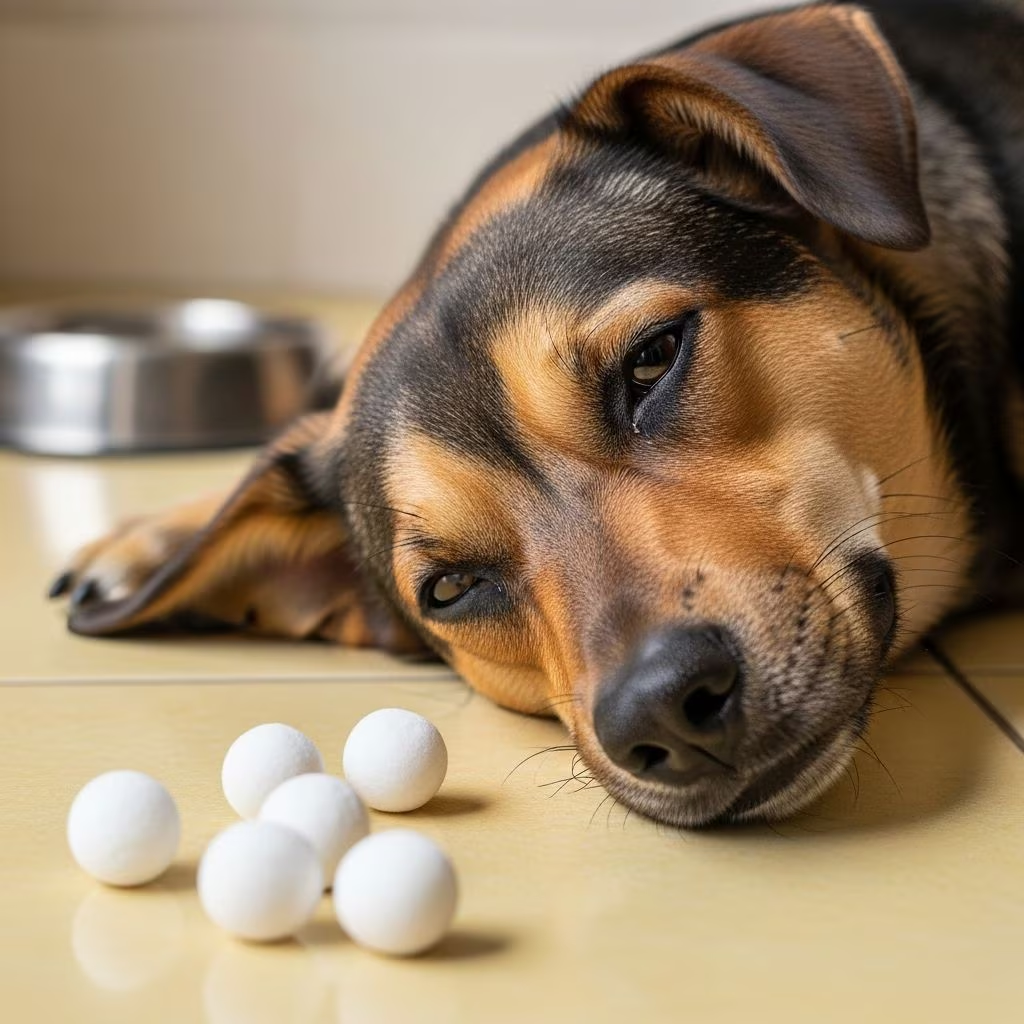
Mothball Toxicity in Dogs: A Comprehensive Guide for Pet Owners
Mothballs are commonly found in homes as a storage solution to protect clothing and fabrics from moths and other insects. However, these small, seemingly harmless items pose a significant health risk to dogs. Mothball toxicity in dogs is a serious concern that requires immediate veterinary attention. While the actual incidence of mothball poisoning in dogs is relatively uncommon, when it does occur, it can result in severe complications or even be fatal. Understanding the dangers of mothballs, recognizing the signs of poisoning, and knowing what steps to take if your dog ingests one are critical components of responsible pet ownership.
What Are Mothballs and How Do They Poison Dogs?
Mothballs are small pellets designed to release pesticide vapors that repel moths and other insects. They typically contain one of three active ingredients: naphthalene, paradichlorobenzene (PDB), or camphor. The specific active ingredient determines the severity and nature of toxicity when ingested by dogs.
Dogs may consume mothballs out of curiosity or mistaking them for treats or toys. Additionally, both naphthalene and paradichlorobenzene vaporize at room temperature, which means dogs can inhale toxic fumes simply from being near stored mothballs. The chemical vapors can irritate the respiratory system and eyes, even before direct ingestion occurs. Once ingested, mothballs dissolve slowly in the gastrointestinal tract, which can delay the onset of symptoms by several days, making early diagnosis challenging.
Naphthalene is particularly dangerous because it damages red blood cells and prevents them from properly transporting oxygen throughout the body. Camphor-containing mothballs and naphthalene-based products are generally considered more toxic than paradichlorobenzene formulations, though all types carry significant risk. Consumption of as little as one mothball has the potential to be deadly, and smaller dogs face a higher risk due to their lower body weight.
Clinical Signs of Mothball Poisoning
The symptoms of mothball poisoning can vary depending on the specific pesticide present and the amount of exposure. Symptoms resulting from mothball exposure may appear immediately or be delayed for several days due to the slow dissolution of the mothball in the stomach. Pet owners should remain vigilant for any of the following signs:
- Vomiting
- Diarrhea
- Abdominal pain or discomfort
- Mothball-scented breath
- Pale or brown gums
- Weakness or lethargy
- Labored or rapid breathing
- Walking off balance or loss of coordination
- Tremors
- Seizures
- Nasal and eye irritation from vapor exposure
- Loss of appetite or anorexia
In severe cases, more serious complications can develop. Dogs may experience hemolytic anemia, methemoglobinemia, or severe respiratory distress. Additionally, liver or kidney damage may occur with significant exposure. Signs of kidney damage include vomiting, lack of appetite, increased or decreased drinking, increased or decreased urination, and foul-smelling breath. Dogs with liver damage may display decreased appetite, lethargy, vomiting, diarrhea, dark urine, yellow discoloration of the eyes or skin (icterus), and increased bleeding tendencies.
Diagnosing Mothball Poisoning in Dogs
If you suspect your dog has ingested a mothball or been exposed to mothball fumes, contact your veterinarian immediately. Diagnosis of mothball poisoning involves a multi-faceted approach, especially if the ingestion was not witnessed.
Your veterinarian will begin with a thorough history and physical examination. They will ask about potential exposure to mothballs, timeline of symptom onset, and any observed behaviors. The physical examination helps assess the severity of symptoms and identify any signs of organ damage.
Laboratory work is typically ordered and may include:
- Complete blood count (CBC) to assess for anemia or blood cell abnormalities
- Serum biochemistry panel to evaluate liver and kidney function
- Urinalysis to check for kidney damage
- Additional testing if methemoglobinemia is suspected
Diagnostic imaging such as X-rays (radiographs) may be performed to visualize the gastrointestinal tract and identify any remaining mothballs or complications like gastrointestinal obstruction.
Treatment Options for Mothball Poisoning
Early decontamination and treatment significantly decrease the risk of serious poisoning. The approach to treatment depends on whether the poisoning was witnessed and whether clinical signs have already developed.
Immediate Treatment (Before Symptoms Appear)
If your dog has just eaten a mothball but has not yet developed signs of poisoning, your veterinarian may induce vomiting to remove the mothball from the stomach. This procedure is most effective when performed within two hours of ingestion. However, it is critically important to note that there is no safe method to induce vomiting in a dog at home. This procedure should only be performed by a licensed veterinarian using appropriate medications and under professional supervision.
Your veterinarian may also administer medical-grade activated charcoal to decrease absorption of chemicals by the gastrointestinal tract. Activated charcoal must only be administered by a veterinarian, as improper administration can result in aspiration into the lungs and life-threatening changes in sodium levels.
Treatment When Symptoms Have Developed
Once clinical signs have developed, the goal of treatment shifts to supportive care and management of symptoms. Induced emesis is contraindicated in animals already showing neurological signs such as tremors or seizures. Instead, treatment becomes largely supportive and symptomatic and may include:
- Intravenous fluid therapy to support organ function and aid in toxin elimination
- Antiemetics to control vomiting and GI protectants like sucralfate or H2 blockers
- Anti-seizure medications (such as diazepam) to manage tremors and seizures
- Oxygen and ventilatory support for dogs experiencing severe respiratory distress
- Blood transfusions for dogs with severe methemoglobinemia or hemolytic anemia
- Monitoring through repeated laboratory work to assess organ function
Unfortunately, there is no specific antidote for mothball poisoning. Treatment focuses on removing the toxin and supporting the body’s natural healing processes. Animals exhibiting clinical signs should be treated on an inpatient basis in a veterinary hospital where continuous monitoring and aggressive support can be provided.
Prognosis for Recovery from Mothball Poisoning
The outcome of mothball poisoning depends on several factors including the initial health of the pet, the amount of mothball ingested, the specific type of active ingredient, and the time from ingestion to treatment initiation. Starting treatment immediately after ingestion carries the best prognosis.
Dogs who receive quick and proper treatment soon after ingestion have a favorable prognosis. With early decontamination and supportive care, pets are less likely to develop long-term effects. However, once clinical signs develop, the prognosis becomes guarded and depends on the severity of symptoms and organ involvement.
Dogs showing severe symptoms like trouble breathing, seizures, or jaundice are less likely to have a good outcome. Prognosis declines significantly for dogs who develop liver or kidney damage as a result of mothball exposure. Some pets may experience permanent liver or kidney damage even with successful initial treatment. Although uncommon, death may occur with high doses or when treatment is delayed.
The specific type of mothball ingested also influences prognosis. With camphor or naphthalene-containing mothballs, consumption of only one mothball has the potential to be lethal to a healthy, medium-sized dog. In contrast, a one-time ingestion of a single paradichlorobenzene mothball is expected to be well-tolerated by most dogs, though toxicity can still occur with larger quantities.
Prevention and Pet Safety
The best approach to mothball toxicity is prevention. Pet owners should store mothballs in secure, closed containers that are kept in areas completely inaccessible to dogs. This includes closets, storage boxes, and drawers that can be opened by curious pets. Do not store mothballs in open containers or loose in storage areas where dogs might access them.
Consider alternative pest prevention methods that do not pose a risk to pets, such as sealed plastic storage containers, cedar blocks, or other pet-safe deterrents. When using any pest control products in your home, always read labels carefully and consider your pets’ safety.
If you suspect your dog has ingested a mothball or inhaled mothball fumes, do not wait to see if symptoms develop. Contact your veterinarian or an emergency animal poison control center immediately. Time is critical in mothball poisoning cases, and early intervention can mean the difference between a full recovery and severe complications or death.
Frequently Asked Questions About Mothball Toxicity in Dogs
Q: How much of a mothball can poison a dog?
A: Even a single mothball can be toxic to dogs, and consumption of as little as one mothball has the potential to be deadly, particularly if it contains naphthalene or camphor. The risk depends on the dog’s body weight, the specific pesticide used, and the dog’s overall health.
Q: How long does it take for mothball poisoning symptoms to appear?
A: Symptoms can appear within hours of ingestion or may be delayed for several days. This delayed onset occurs because mothballs dissolve slowly in the gastrointestinal tract. It is important to seek veterinary care immediately even if your dog appears fine after eating a mothball.
Q: Is there an antidote for mothball poisoning?
A: No, there is no specific antidote for mothball poisoning. Treatment focuses on removing the toxin through decontamination and providing supportive care to manage symptoms and support organ function.
Q: Can my dog recover from mothball poisoning?
A: Yes, with early and aggressive treatment, many dogs do recover from mothball poisoning. However, recovery depends on factors such as the amount ingested, the type of mothball, the dog’s size and health status, and how quickly treatment was initiated. Some dogs may experience permanent organ damage.
Q: What should I do if my dog eats a mothball?
A: Contact your veterinarian or emergency animal hospital immediately. Do not attempt to induce vomiting at home. Provide information about when the mothball was ingested and seek professional medical care right away, as early treatment significantly improves outcomes.
Q: Are all mothballs equally toxic to dogs?
A: No. Mothballs containing naphthalene and camphor are generally more toxic than those containing paradichlorobenzene (PDB). However, all types carry significant risk and should be kept away from pets. Modern PDB mothballs are less toxic but can still cause illness, especially when ingested.
References
- Mothball Poisoning in Dogs – Causes, Treatment and Prognosis — Vetster. 2024. https://vetster.com/en/conditions/dog/mothball-poisoning-in-dogs
- Toxicosis From Mothballs in Animals — Merck Veterinary Manual. 2024. https://www.merckvetmanual.com/toxicology/toxicoses-from-household-hazards/toxicosis-from-mothballs-in-animals
- Mothball Toxicity in Pets: What Pet Owners Need to Know — Animal Emergency and Referral Center of Minnesota. 2024. https://aercmn.com/mothball-toxicity-in-pets/
- Mothballs Is Toxic To Dogs — Pet Poison Helpline. 2024. https://www.petpoisonhelpline.com/poison/mothballs/
- Mothball Toxicity in Dogs: Symptoms, Causes, Diagnosis — Wag Walking. 2024. https://wagwalking.com/condition/mothball-poisoning
- Toxicology Brief: Moth Repellent Toxicosis — DVM 360. 2024. https://www.dvm360.com/view/toxicology-brief-moth-repellent-toxicosis
- Mothball Toxicity in Pets: What You Need to Know — PetMD. 2024. https://www.petmd.com/dog/conditions/toxicity/mothball-toxicity-pets-what-you-need-know



