Mothball Poisoning in Pets
Discover the hidden dangers of mothballs for cats, dogs, and other pets, including symptoms, risks, and vital prevention strategies.
Mothball Poisoning in Pets: A Hidden Household Threat
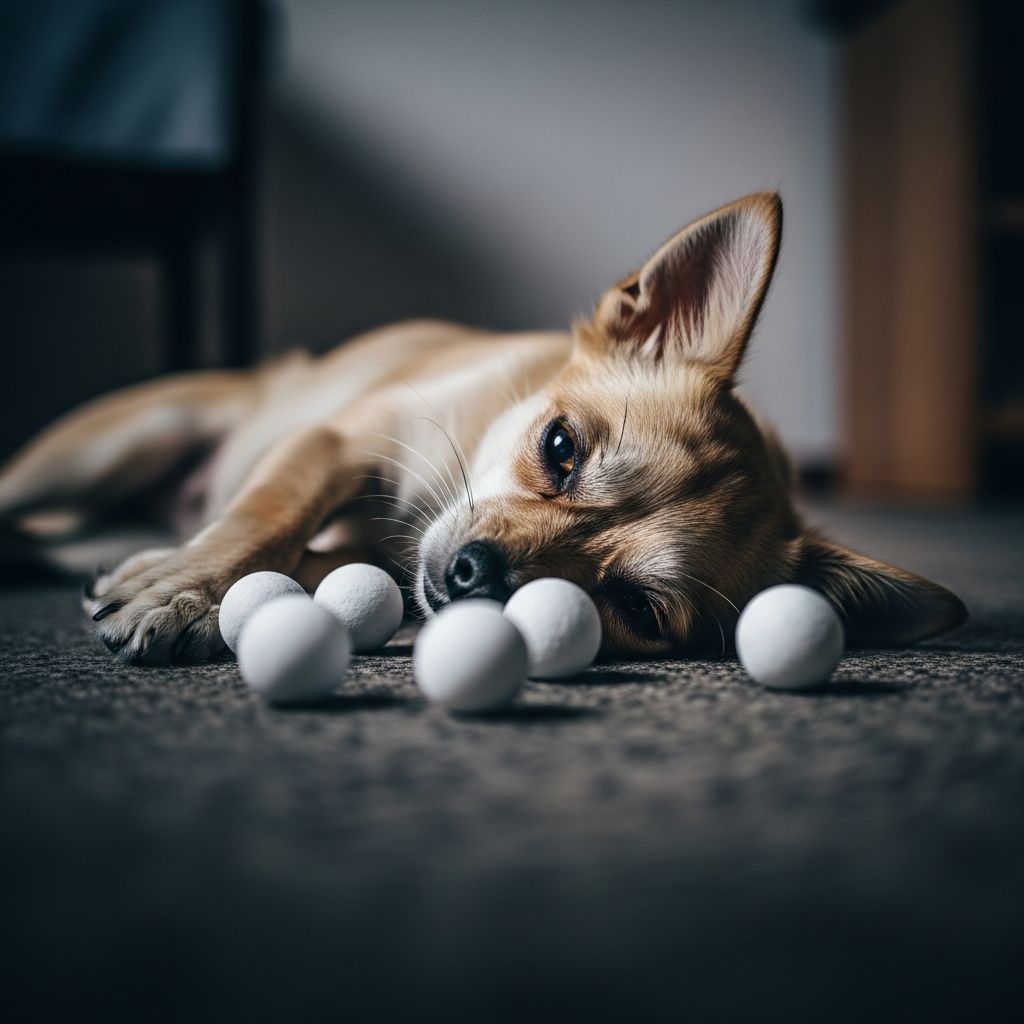
Household items like mothballs, designed to protect clothes from insects, can turn deadly for pets. These small, pungent balls release vapors containing potent chemicals that repel moths but harm animals through ingestion, inhalation, or skin absorption. Cats face heightened sensitivity, while dogs’ curiosity often leads to direct consumption. Understanding the mechanics of this toxicity empowers pet owners to safeguard their companions effectively.
What Makes Mothballs Dangerous for Animals?
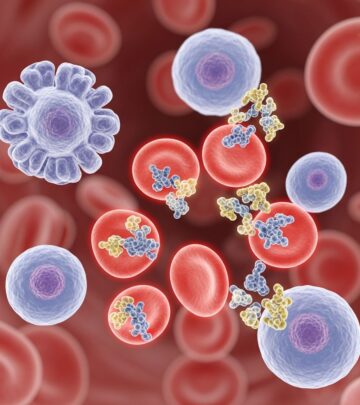
Mothballs primarily contain naphthalene, paradichlorobenzene (PDB), or occasionally camphor. Naphthalene, found in older formulations, stands as the most hazardous, triggering hemolytic anemia by damaging red blood cells. Even minimal ingestion—such as one ball for small dogs or cats—can provoke severe reactions. PDB mothballs, more common today, pose lower risks but still induce gastrointestinal distress and neurological issues upon consumption. Camphor variants, rarer, cause rapid neurological stimulation including tremors and seizures in large doses.
These chemicals sublime slowly, releasing irritating fumes that affect eyes, nose, and lungs. Long-term exposure in poorly ventilated areas compounds dangers, particularly for birds showing lethargy and respiratory distress. Pets absorb toxins via multiple routes: eating mothballs directly, breathing vapors, or through skin contact, amplifying overall risk.
Routes of Exposure in Everyday Homes
- Ingestion: Dogs frequently chew mothballs mistaken for treats, leading to delayed poisoning as balls dissolve gradually.
- Inhalation: Fumes irritate mucous membranes, causing runny eyes, sneezing, coughing, and in cats, exacerbated sensitivity.
- Skin Absorption: Less common but possible, especially with broken skin or prolonged contact.
Improper storage, like placing mothballs in open closets or using them to deter rodents/snakes, heightens exposure. Sealed containers minimize vapor spread, yet accidents persist.
Symptoms Across Mothball Types
Clinical signs vary by chemical and exposure level. Naphthalene prompts initial vomiting, appetite loss, progressing to anemia (pale/brown gums, weakness), seizures, cataracts, and organ failure. PDB causes similar but milder gastrointestinal upset, tremors, and rare liver/kidney damage. Camphor induces quick drooling, vomiting, and seizures.
| Chemical Type | Early Signs | Severe Signs | Species Sensitivity |
|---|---|---|---|
| Naphthalene | Vomiting, diarrhea, abdominal pain | Anemia, tremors, seizures, organ damage | Cats highly sensitive |
| Paradichlorobenzene (PDB) | GI upset, mothball breath | Neurologic signs, liver/kidney issues | Dogs more prone to ingest |
| Camphor | Drooling, vomiting | Tremors, seizures | All species, rapid onset |
General indicators include lethargy, labored breathing, imbalance, and scented breath. Birds may exhibit weakness and dyspnea, sometimes fatally. Symptoms delay due to slow dissolution, masking urgency.
Species-Specific Vulnerabilities
Cats metabolize naphthalene poorly, amplifying hemolytic effects; one ball suffices for illness. Dogs, though hardier, suffer anemia at 1.5 g/kg naphthalene—roughly one 3g ball for a 4.4 lb pet. Small breeds face amplified risks. Birds succumb to fumes rapidly, with reports of death from inhalation alone. Other animals like rabbits or rodents show similar patterns, though data focuses on companion pets.
Diagnosis Challenges for Veterinarians
Vets rely on history, clinical signs, and diagnostics. Mothball scent on breath or vomitus provides clues. Blood tests reveal anemia (low RBC, methemoglobinemia for naphthalene), while chemistry panels detect liver/kidney injury. Differentiating PDB from naphthalene requires chemical identification, as symptoms overlap. Radiographs may visualize undissolved balls. Prompt reporting of exposure aids accurate diagnosis.
Emergency Response and Veterinary Care
Suspected exposure demands immediate vet contact or poison hotline (e.g., Pet Poison Helpline). If within 2 hours of ingestion, induce vomiting under guidance—never at home for cats or delayed cases. Treatments include:
- Decontamination: Activated charcoal, gastric lavage.
- Supportive care: IV fluids, antiemetics, blood transfusions for anemia.
- Specific therapies: Methylene blue for methemoglobinemia, oxygen for respiratory distress.
- Monitoring: Serial bloodwork for organ function.
Prognosis hinges on dose, timeliness, and chemical type; early intervention boosts survival.
Prevention Strategies for Pet Owners
Avoid mothballs entirely; opt for cedar blocks, lavender sachets, or sealed plastic bins. Store chemicals locked away. Educate on off-label uses’ perils (e.g., pest repulsion). Regular home checks prevent access. Air out storage areas to disperse fumes.
FAQs on Mothball Toxicity
Can one mothball kill my pet?
Yes, especially naphthalene types for cats/small dogs; seek help immediately.
Are modern mothballs safe?
No, PDB versions still toxic if ingested; fumes irritate.
What if my pet inhales fumes only?
Monitor for irritation; remove source and ventilate. Vet if symptoms persist.
How long do symptoms take to appear?
Hours to days due to slow dissolution.
Is camphor in mothballs common?
Rare, mostly older/imported; highly neurotoxic.
Long-Term Health Implications
Survivors risk chronic anemia, organ scarring, or neurological deficits. Cats may develop lasting RBC fragility. Routine check-ups post-exposure monitor recovery.
In summary, mothballs’ convenience belies profound pet risks. Vigilance, alternatives, and swift action mitigate threats, ensuring pets thrive safely amid household items.
References
- Mothball Toxicity in Pets: What You Need to Know — PetMD. 2023. https://www.petmd.com/dog/conditions/toxicity/mothball-toxicity-pets-what-you-need-know
- Mothball Poisoning in Dogs — VCA Animal Hospitals. 2024. https://vcahospitals.com/know-your-pet/mothball-toxicity-in-dogs
- Mothball Toxicity in Pets — Animal Emergency & Referral Center of Minnesota. 2023. https://aercmn.com/mothball-toxicity-in-pets/
- Mothballs — American College of Veterinary Pharmacists. 2024. https://vetmeds.org/pet-poison-control-list/mothballs/
- Mothball Poisoning — Animal Poisons Helpline (Australia). 2023. https://www.animalpoisons.com.au/news/mothball-poisoning/
- Mothball Toxicity in Dogs and Cats — Kingsbrook Animal Hospital. 2022. https://kingsbrookvet.com/pdf/Mothball%20Toxicity%20in%20Dogs%20and%20Cats.pdf
- Mothballs — Pet Poison Helpline. 2024. https://www.petpoisonhelpline.com/poison/mothballs/
Similar Articles





Read full bio of Sneha Tete