

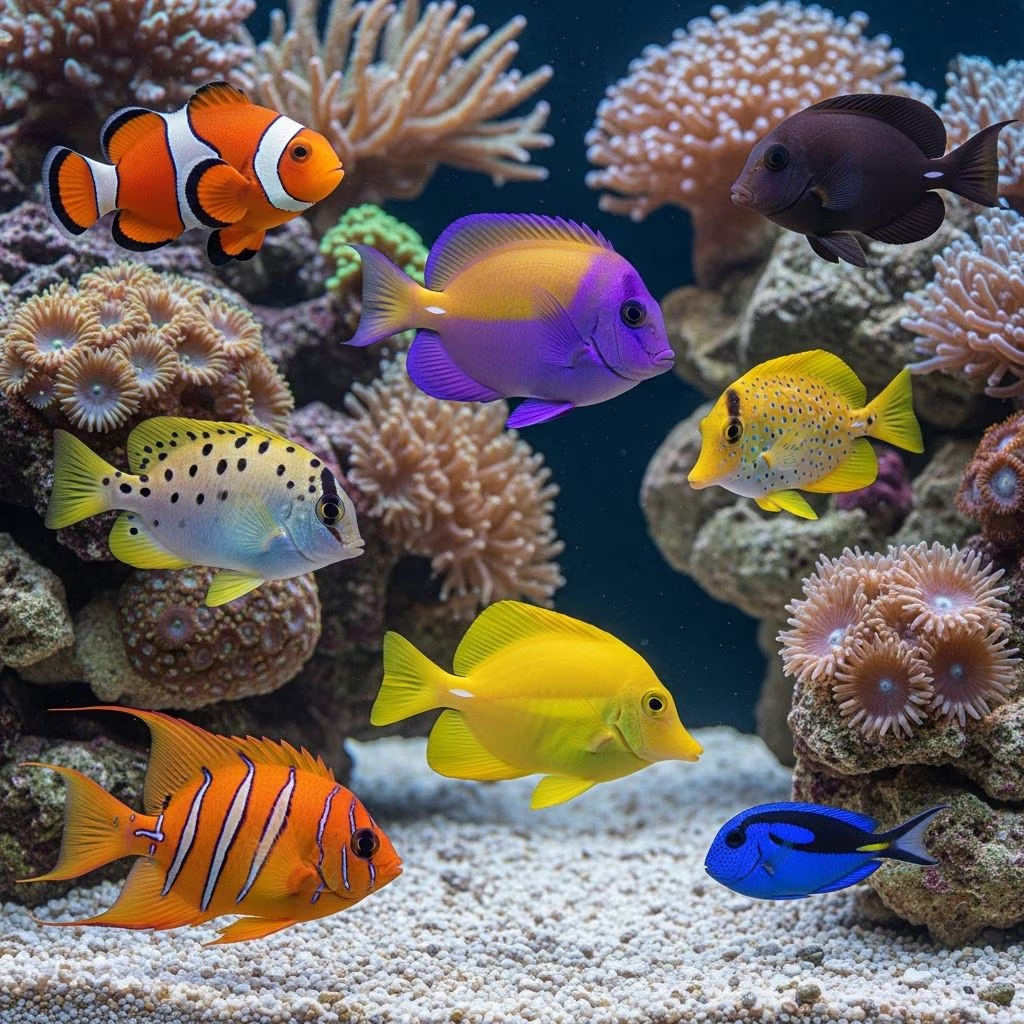
Top 7 Most Popular Captive Bred Marine Fish
The captive breeding of marine fish has revolutionized the aquarium hobby, making it possible to keep healthy, sustainable populations of ornamental fish without depleting wild stocks. According to marine aquaculture records, approximately 250 species of ornamental fish have been successfully tank-bred, demonstrating the significant progress made in this field. This guide explores the seven most popular captive-bred marine fish species that have become staples in aquariums worldwide.
Understanding Captive-Bred Marine Fish
Captive breeding of marine fish represents a significant achievement in aquaculture and conservation. These fish are bred in controlled environments rather than collected from the wild, offering numerous advantages for both aquarists and the environment. Captive-bred fish tend to be hardier, more accustomed to aquarium conditions, and often display more vibrant colors than their wild-caught counterparts. They also help reduce pressure on fragile coral reef ecosystems, making them an environmentally responsible choice for any aquarium enthusiast.
1. Ocellaris Clownfish (Amphiprion ocellaris)
The Ocellaris clownfish, commonly known as the false percula anemonefish or common clownfish, stands as one of the most iconic and widely captive-bred marine fish species. Made famous by the animated film “Finding Nemo,” this species has become synonymous with marine aquariums. The Ocellaris clownfish features striking orange and white coloration with distinctive black markings, making it instantly recognizable to aquarists of all experience levels.
This species was among the first marine fish to be successfully bred in captivity on a commercial scale. The clownfish thrives in reef tank environments and typically forms symbiotic relationships with host anemones, though they can adapt to captive conditions without them. These fish are peaceful, relatively hardy, and excellent choices for beginners. Their ability to adjust to various tank conditions has made them the most popular captive-bred marine fish globally. A single captive-bred clownfish can live for 10 to 15 years in a well-maintained aquarium.
2. Neon Goby (Elacatinus oceanops)
The Neon Goby is a small but mighty addition to any saltwater aquarium. Like the Ocellaris clownfish, the Neon Goby was first propagated on a commercial scale by pioneering aquaculturist Martin Moe in the early 1970s. This tiny cleaner goby has become one of the most recognizable marine aquarium fish and serves an essential function in reef tanks.
Neon Gobies are extremely useful additions to established reef systems, as they consume parasites and keep larger tank inhabitants healthier through their natural cleaning behavior. These diminutive fish, typically reaching only 1.5 to 2 inches in length, display brilliant neon-blue stripes that run the length of their bodies against a black or dark background. They are peaceful, hardy, and active, spending most of their time near the substrate or moving through the aquarium in search of parasites and small organisms. Neon Gobies do exceptionally well in groups and can even be kept in nano-reef setups, making them incredibly versatile for various aquarium sizes.
3. Banggai Cardinalfish (Pterapogon kauderni)
The Banggai cardinalfish, also known as the longfin cardinalfish or Kaudern’s cardinal, presents a compelling case for the importance of captive breeding in marine fish conservation. This stunning species is currently being driven toward extinction by rampant over-collecting for the aquarium trade in its native habitat of Indonesia’s Banggai Islands. Although Banggai cardinals are listed as “endangered” on the International Union for the Conservation of Nature Red List, they continue to be imported at alarming rates that threaten the wild population.
The Banggai cardinalfish features elongated dorsal spines and distinctive vertical striping, making it one of the most visually striking cardinalfish species. Captive-bred specimens are readily available through reputable breeders and retailers, offering aquarists the opportunity to enjoy this beautiful fish while supporting conservation efforts. By choosing captive-bred Banggai cardinals over wild-caught individuals, aquarists directly contribute to reducing pressure on the wild population. These fish are peaceful, slow-moving, and do well in established reef systems with gentle tank mates.
4. Mandarinfish (Synchiropus splendidus)
The Mandarinfish is renowned for its extraordinary beauty, featuring vibrant patterns of blue, orange, and yellow that resemble traditional Chinese artwork. This tiny fish, reaching only about 3 inches in length, has historically been challenging to breed in captivity due to its specialized dietary requirements and delicate nature.
Recent advances in captive breeding techniques have made captive-bred Mandarinfish more widely available. These fish are notoriously difficult feeders, typically requiring copious amounts of small live foods such as copepods and amphipods. The availability of captive-bred specimens has improved their survival rates in aquarium conditions significantly. Mandarinfish thrive in established systems with healthy populations of live food organisms and require careful observation to ensure they are feeding properly. Their stunning coloration and unique behavior make them prized additions to sophisticated reef aquariums.
5. Fairy Basslet (Gramma loreto)
The Fairy Basslet, also known as the Dottyback or Royal Dottyback, is a small but robust fish that has been successfully captive-bred for decades. This species features vibrant purple and yellow coloration, with the front half displaying deep purple and the rear half bright yellow, creating a striking visual contrast.
Fairy Basslets are hardy, adaptable fish that do exceptionally well in captive environments. They typically reach 3 inches in length and are relatively peaceful compared to other basslet species. These fish are excellent for both nano-reef and established reef systems, as they occupy the mid-water to upper columns of the tank. Captive-bred Fairy Basslets demonstrate high survival rates and readily accept a varied diet of small pellets and frozen foods. Their hardiness and visual appeal have made them one of the most reliable captive-bred species for aquarists seeking colorful, low-maintenance additions to their systems.
6. Yellow Tang (Zebrasoma flavescens)
The Yellow Tang represents one of the most visually striking captive-bred marine fish available to aquarists. This iconic species features bright, sunny-yellow coloration that instantly adds vibrancy to any reef system. The Yellow Tang has become one of the most popular marine aquarium fish globally, and captive-bred specimens are increasingly available through quality retailers.
These fish are semi-aggressive herbivores that spend much of their time grazing on algae throughout the tank. Yellow Tangs require adequate space to establish feeding territories and do best in systems with plenty of live rock and algae growth. They are hardy, adaptable to various water conditions, and readily accept both vegetable-based foods and quality pellet formulations. The availability of captive-bred Yellow Tangs has helped reduce pressure on wild populations in the Indo-Pacific region, making them an environmentally conscious choice for aquarists.
7. Common Seahorse (Hippocampus kuda)
One of the most encouraging successes in captive breeding has been the seahorse. These fragile animals travel poorly, and wild-caught seahorses have historically demonstrated high mortality rates due to shipping stress. The Common Seahorse, also known as the estuary seahorse or yellow seahorse, exemplifies how captive breeding can transform a species’ availability and sustainability within the aquarium hobby.
Seahorses are difficult animals to feed, as they typically require live foods and rarely adapt to frozen options in their early stages. They are also susceptible to a variety of diseases that are nearly impossible to treat because of their delicate physiology. Despite these challenges, captive-bred seahorse programs have made remarkable progress, with several facilities now producing consistent supplies of tank-bred individuals. Captive-bred seahorses demonstrate superior adaptation to aquarium conditions and significantly higher survival rates compared to wild-caught specimens. These unique fish require dedicated care, including gentle water flow, appropriate tank mates, and consistent availability of live food organisms.
Additional Popular Captive-Bred Species
Beyond the top seven, numerous other species have been successfully captive-bred and are readily available through quality suppliers. These include various clownfish species such as the Tomato Clownfish, Red Saddleback Clownfish, and Clarkii Clownfish. Damselfish species like the Azure Damselfish and Yellowtail Damselfish have also been successfully bred in captivity. Additionally, several cardinalfish species including the Pajama Cardinal and Five-Lined Cardinal are consistently available as captive-bred specimens. Blennies, assessors, and various goby species round out the extensive list of available captive-bred marine fish options.
Benefits of Choosing Captive-Bred Fish
Environmental Conservation: Selecting captive-bred marine fish directly reduces demand for wild-caught specimens, helping protect fragile coral reef ecosystems and maintaining biodiversity in natural habitats.
Improved Hardiness: Fish bred in captivity over multiple generations become acclimated to aquarium conditions, resulting in specimens that adapt more readily to captive environments and demonstrate higher survival rates.
Disease Prevention: Captive-bred fish typically undergo health screening and quarantine protocols, reducing the risk of introducing diseases or parasites to established aquarium systems.
Consistent Availability: Captive breeding ensures reliable access to specific species year-round, without dependence on seasonal wild collection periods or natural population fluctuations.
Enhanced Coloration: Many captive-bred fish display more vibrant and consistent coloration patterns compared to wild-caught individuals, resulting from selective breeding practices.
Considerations for Keeping Captive-Bred Marine Fish
While captive-bred marine fish offer numerous advantages, aquarists must still provide appropriate care tailored to each species’ specific requirements. Establishing a stable aquarium with proper filtration, appropriate water parameters, and adequate lighting is essential. Tank size should accommodate the adult size of the species, and compatible tank mates should be carefully selected to prevent aggression or predation. Many captive-bred species have specific dietary requirements that must be met through varied feeding regimens incorporating quality pellets, frozen foods, and occasional live foods. Regular water testing and maintenance schedules ensure optimal conditions for long-term fish health and longevity.
Frequently Asked Questions (FAQs)
Q: What is the difference between captive-bred and wild-caught marine fish?
A: Captive-bred fish are raised in controlled aquaculture environments, while wild-caught fish are collected from natural coral reefs and ocean habitats. Captive-bred fish typically demonstrate higher survival rates, superior adaptation to aquarium conditions, and reduced disease risk compared to wild-caught specimens.
Q: Are captive-bred marine fish more expensive than wild-caught?
A: Captive-bred fish prices vary by species and availability. While some species command premium prices due to limited breeding success, many popular captive-bred species are competitively priced or even less expensive than wild-caught alternatives due to consistent supply and reduced collection costs.
Q: How long do captive-bred marine fish typically live?
A: Lifespan varies by species but generally ranges from 5 to 20 years. Clownfish can live 10 to 15 years, while seahorses and other delicate species may have shorter lifespans of 3 to 8 years with proper care.
Q: Can captive-bred marine fish be kept in nano-reef aquariums?
A: Many small captive-bred species such as Neon Gobies, Fairy Basslets, and some cardinalfish species thrive in nano-reef systems. However, larger species like Yellow Tangs require appropriately sized tanks with adequate space and feeding opportunities.
Q: Where can I purchase captive-bred marine fish?
A: Captive-bred marine fish are available through specialized aquarium retailers, online aquaculture suppliers, and dedicated marine fish breeders. Established facilities such as ORA (Oceans, Reefs and Aquariums) and other recognized breeders maintain high-quality standards for their captive-bred stock.
Q: Do captive-bred fish require different care than wild-caught fish?
A: Generally, captive-bred fish are more adaptable to standard aquarium conditions. However, species-specific care requirements remain the same regarding tank size, water parameters, diet, and tank mate compatibility.
References
- Captive-Bred Species List — Frank Baensch. Retrieved November 28, 2025. https://www.frankbaensch.com/marine-aquarium-fish-culture/captive-bred-species-list/
- CORAL Magazine’s Captive-Bred Marine Fish Species List for 2023 — CORAL Magazine. 2023-11-01. https://www.coralmagazine.com/2023/11/01/coral-magazines-captive-bred-marine-fish-species-list-for-2023/
- Top 5 Captive Bred Marine Fish for Your Nano-Reef Aquarium — Current USA. Retrieved November 28, 2025. https://current-usa.com/blogs/tech-tips/top-5-captive-bred-marine-fish-nano-reef-aquarium
- Which fish are captive bred? — Reef2Reef. Retrieved November 28, 2025. https://www.reef2reef.com/threads/which-fish-are-captive-bred.776475/
- Top 10 Captive Bred Marine Fish for REEF TANKS — Seafriendlyreef. 2022-03-18. https://www.youtube.com/watch?v=EGxPzzmmzDM



