

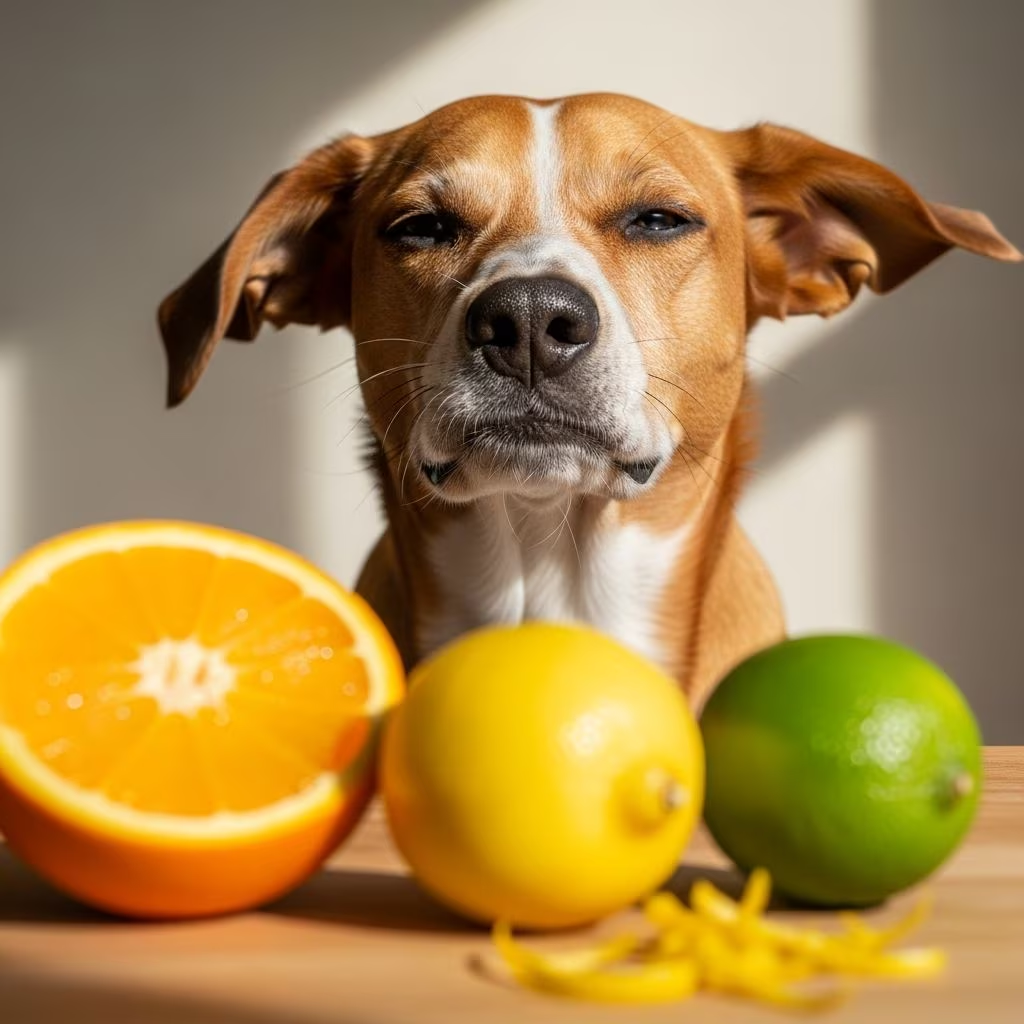
Dogs possess an extraordinary sense of smell, estimated to be **10,000 to 100,000 times more powerful** than humans’, allowing them to navigate their world primarily through scent. However, this superpower means certain aromas can be overwhelmingly unpleasant or even painful for them. Among the most notorious is **citrus**, which many dogs actively avoid due to its sharp, acidic profile.
Why Dogs Have Such a Powerful Nose
A dog’s olfactory system is a marvel of evolution. Their noses contain up to 300 million olfactory receptors compared to humans’ mere 6 million, paired with a brain section dedicated to smell that’s 40 times larger proportionally. This enables dogs to detect scents at concentrations as low as parts per trillion, far surpassing human capabilities.
Experts like Leigh Siegfried, founder of Opportunity Barks, emphasize that “a dog’s whole world is really navigated through their nose.” Renee Rhoades, an applied animal behaviorist at R+Dogs, notes dogs are drawn to **complex, multifaceted smells** such as grass, mud, plants, or even other animals’ urine and feces, which offer rich chemical compounds.
Yet, this sensitivity is a double-edged sword. Strong, irritating scents can overwhelm dogs, causing distress or aversion. Michelle Bernstein, an animal behavior scientist at VCA Animal Hospitals, warns that some scents are not just disliked but potentially toxic.
Citrus: The Top Offender Dogs Avoid
**Citrus scents** top the list of smells dogs hate. Lemons, limes, oranges, and grapefruits emit volatile compounds like limonene and citral, which are highly acidic and pungent to a dog’s refined nose. Siegfried describes it as a “strong offensive odor,” recounting how dogs recoil from even the scent on human fingers after peeling an orange.
This aversion mirrors nature’s design: citrus compounds repel insects like mosquitoes via citronella, and dogs instinctively avoid them for similar reasons. Rhoades suggests dogs steer clear because “these types of chemicals can be harmful,” extending the dislike to related scents like rubbing alcohol.
In practice, citrus peels or sprays are commonly used as natural deterrents to keep dogs off furniture or yards. However, while safe in moderation, direct ingestion can cause gastrointestinal upset due to essential oils and acidity.
Herbs and Spices That Repel Canine Noses
Beyond citrus, many **herbs and spices** irritate dogs’ olfactory senses. Common culprits include:
- Rosemary: Its camphor-like aroma overwhelms with piney sharpness.
- Mint: Menthol creates a cooling, intense burn-like sensation.
- Basil: Strong herbal notes clash with dogs’ preferences for earthier scents.
- Garlic: Sulfur compounds produce a pungent, lingering stench.
- Onions: Though not a spice, their volatile sulfides trigger tear-like irritation and aversion.
Bernstein explains dogs prefer bland, consistent flavors and smells, avoiding these aromatic additions that humans love in cooking. This dislike prevents accidental ingestion of potentially toxic foods like garlic and onions, which can cause hemolytic anemia in dogs.
Vinegar: Another Acidic Nightmare for Dogs
**Vinegar** shares citrus’s acidic profile, with acetic acid producing a sharp, sour vapor that dogs detest. Rhoades advises against frequent exposure, even if safe to ingest in small amounts, as constant irritation harms well-being. “Just like we don’t enjoy having smells we dislike around often, it would be better for dogs’ health overall,” she says.
Vinegar is popular for DIY cleaning sprays to deter dogs from carpets or counters, but dilution is key to avoid overwhelming them.
Other Scents That Overwhelm Dogs
While citrus, herbs, and vinegar dominate lists, additional smells provoke aversion:
- Chili Peppers/Capsaicin: Burning heat from capsaicin triggers intense nasal irritation.
- Perfumes and Essential Oils: Synthetic fragrances like lavender or eucalyptus can be too potent, though some dogs tolerate natural versions.
- Ammonia/Cleaning Products: Harsh chemical smells mimic urine, causing confusion or repulsion.
- Mothballs: Naphthalene’s toxic fumes are dangerous and repulsive.
Individual preferences vary by breed, age, and experience, but strong, unnatural scents generally repel.
How Dogs’ Sense of Smell Works
Dogs process scents via two pathways: the main olfactory epithelium for identification and the vomeronasal organ (Jacobson’s organ) for pheromones. Air drawn in splits—80% to olfactory receptors, 20% exhaled for cooling and particle capture. This allows scent discrimination equivalent to a human seeing in color vs. black-and-white.
| Human vs. Dog Olfaction | Humans | Dogs |
|---|---|---|
| Olfactory Receptors | 6 million | Up to 300 million |
| Brain Area for Smell | Small | 40x larger proportionally |
| Detection Threshold | Parts per million | Parts per trillion |
| Scents Discriminated | ~10,000 | Millions |
This table highlights why mild human irritants become torture for dogs.
Using Smells Ethically for Training and Deterrence
Repellent scents offer humane training tools, but experts caution moderation. Siegfried recommends avoiding smells in positive training; instead, use for gentle boundaries like citrus peels around plants. Overuse causes stress, undermining trust.
Safe Deterrent Recipes:
- Citrus Spray: Juice of 1 lemon/orange + water in spray bottle.
- Vinegar Mix: 1:1 white vinegar and water.
- Herb Sachets: Dried rosemary/mint in fabric bags for furniture.
Always test small areas and monitor reactions. Consult vets for toxic concerns.
Individual Variations in Dog Preferences
Not all dogs hate the same smells uniformly. Breeds like Bloodhounds revel in scents others avoid, while scent-sensitive ones like Collies may amplify aversions. Past experiences shape responses—dogs associating vinegar with cleaning might flee preemptively.
Rhoades stresses respecting preferences: “Dogs enjoy complex smells,” so balance deterrence with enrichment via approved scents like chamomile or vanilla.
Health Risks of Strong Scents for Dogs
Beyond dislike, some scents pose dangers. Citrus essential oils can cause liver toxicity; garlic/onions damage red blood cells; vinegar in eyes irritates. Bernstein notes overwhelmed dogs may develop anxiety or avoidance behaviors.
Monitor for signs: sneezing, pawing nose, backing away, or vomiting. Essential oil diffusers warrant caution—opt for pet-safe alternatives.
Frequently Asked Questions (FAQs)
Why do dogs hate citrus smells?
The acidic, volatile compounds like limonene in lemons, oranges, and limes create an overpowering, offensive odor to their sensitive noses.
Are citrus peels safe to use as dog repellents?
Yes, in moderation on surfaces, but prevent ingestion to avoid stomach upset.
Can I use vinegar to train my dog?
Avoid in training; use sparingly for deterrence only, as frequent exposure stresses them.
Do all dogs hate the same smells?
No, variations exist by breed, age, and experience, but citrus, herbs, and vinegar are common aversions.
Is rubbing alcohol safe around dogs?
Dogs dislike its citrus-like scent, but keep away from ingestion or inhalation in high concentrations.
Enhancing Your Dog’s Olfactory World Positively
Counter repellents with scent games: hide treats in boxes, use sniff walks, or introduce dog-safe herbs like calendula. This leverages their nose for joy, strengthening bonds.
References
- 6 Scents Your Dog Probably Can’t Stand — Kinship. 2023. https://www.kinship.com/dog-behavior/scents-dogs-hate
- What Smells Deter Dogs? — Adopt a Pet. 2024. https://www.adoptapet.com/blog/behavior-training/what-smells-deter-dogs
- Dog’s Sense of Smell: What Dogs Learn From Scent — Joy of Living. 2023. https://myjoyofliving.com/dogs-sense-of-smell-what-dogs-learn-from-scent/



