

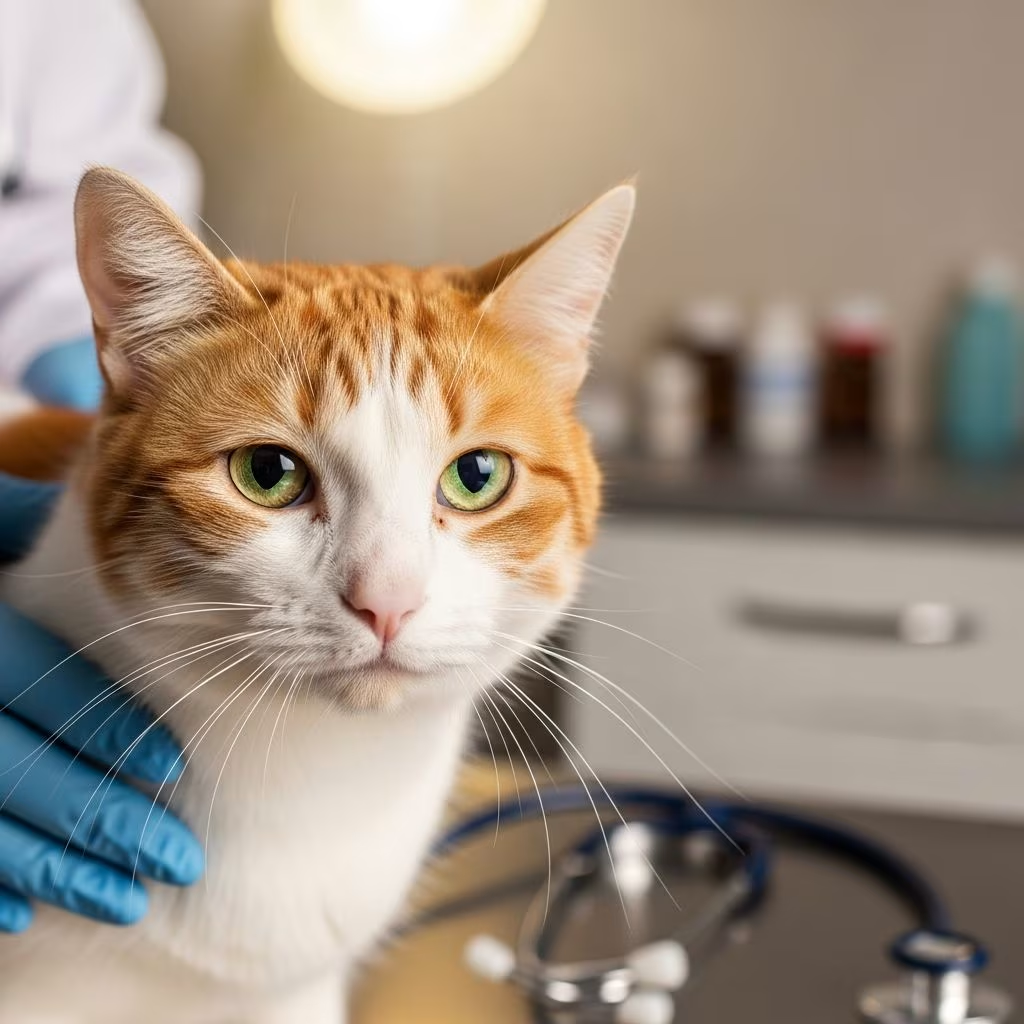
Cats are generally resilient creatures, but they are susceptible to a range of common illnesses and diseases that can impact their quality of life. Understanding these conditions is crucial for pet owners to recognize early symptoms, seek timely veterinary care, and implement preventive measures. This comprehensive guide covers the most prevalent feline health issues, drawing from veterinary expertise to help you keep your cat healthy and happy.
Upper Respiratory Infections (URI)
**Upper Respiratory Infections (URI)** are among the most frequent illnesses in cats, akin to the common cold in humans. Caused by viruses or bacteria, URIs primarily affect the nose, throat, and sinus areas, and are highly contagious in multi-cat environments like shelters or catteries. Kittens, senior cats, and those with weakened immune systems are particularly vulnerable.
Symptoms typically include sneezing, nasal and eye discharge (which may be clear, yellow, or green), coughing, loss of appetite, fever, lethargy, and difficulty breathing in severe cases. If left untreated, URIs can lead to pneumonia, chronic sinusitis, or even blindness.
- Sneezing and coughing
- Runny nose or eyes
- Decreased appetite and weight loss
- Fever and lethargy
- Mouth ulcers or drooling
Treatment involves antibiotics for bacterial infections, antiviral medications if needed, fluid therapy, nutritional support, and rest in a stress-free, humid environment. Isolation is key to prevent spread. Prevention includes vaccination (core vaccines cover some URI pathogens like herpesvirus and calicivirus), good hygiene, and avoiding contact with infected cats.
Feline Leukemia Virus (FeLV)
**Feline Leukemia Virus (FeLV)** is a retrovirus that suppresses the immune system, making cats prone to secondary infections, anemia, and cancer. It spreads through saliva (grooming, shared bowls), bite wounds, and from mother to kittens. Outdoor cats and those in multi-cat homes face higher risks.
Early symptoms are subtle: enlarged lymph nodes, fever, anemia, weight loss, poor appetite, diarrhea, gingivitis, and a disheveled coat. Progressive stages may involve jaundice, respiratory distress, or lymphoma.
- Bloody, pale, or inflamed gums
- Lethargy, depression, and fever
- Vomiting, diarrhea, and weight loss
- Poor coat condition
- Recurrent infections
There is no cure for FeLV, but management includes supportive care: nutritional supplements, antibiotics for infections, blood transfusions for anemia, and regular vet check-ups. The FeLV vaccine is recommended for at-risk cats, though not 100% effective. Keep cats indoors, test new cats before introduction, and spay/neuter to reduce exposure.
Feline Immunodeficiency Virus (FIV)
**Feline Immunodeficiency Virus (FIV)**, often called the feline equivalent of HIV, weakens the immune system over time, leading to increased susceptibility to infections. Primarily transmitted via deep bite wounds from fights, it’s more common in intact male outdoor cats.
Acute phase symptoms include fever, swollen lymph nodes, and flu-like illness. Chronic phase brings weight loss, poor coat, oral inflammation, skin wounds, diarrhea, and opportunistic infections.
- Enlarged lymph nodes and fever
- Weight loss and poor appetite
- Skin issues, wounds that won’t heal
- Recurrent infections (URI, dental disease)
- Anemia and neurological changes
FIV has no specific cure; treatment focuses on symptom management, dental care, parasite control, and a high-quality diet. Many FIV-positive cats live long lives indoors with proper care. Prevention: indoor lifestyle, spaying/neutering, and testing before socializing cats.
Feline Panleukopenia Virus (FPLV)
**Feline Panleukopenia Virus (FPLV)**, also known as feline distemper, is a highly contagious parvovirus attacking rapidly dividing cells in the gut, bone marrow, and brain. Unvaccinated kittens are at highest risk, with mortality rates up to 90% in young ones.
Symptoms appear 2-10 days post-exposure: vomiting, bloody diarrhea, fever, severe dehydration, lethargy, anorexia, and in severe cases, seizures.
- Vomiting and hemorrhagic diarrhea
- High fever followed by hypothermia
- Loss of appetite and rapid weight loss
- Lethargy and weakness
- Neurological signs like ataxia
Treatment is intensive: IV fluids, anti-nausea meds, antibiotics, nutritional support, and isolation. Survival depends on early intervention. Vaccination is highly effective and core for all cats. Disinfect environments with bleach, as the virus is hardy.
Ringworm
**Ringworm** is a fungal infection (dermatophytosis) causing circular patches of hair loss, not a worm. It spreads via spores in the environment or direct contact, thriving in warm, humid conditions. All ages are susceptible, but kittens and long-haired breeds are more prone.
Symptoms: broken hairs, scaling, redness, itching, crusty sores, and patchy alopecia. It can be asymptomatic carriers.
- Circular areas of hair loss
- Red, scaly, itchy skin
- Thickened nails or nail loss
- Overgrooming leading to sores
Treatment: topical antifungals (shampoos, lime sulfur dips), oral meds like itraconazole for 4-8 weeks, and environmental decontamination (vacuum, bleach washes). Re-check cultures confirm cure. Prevention: quarantine new cats, good grooming hygiene.
Diabetes Mellitus
**Feline Diabetes Mellitus** occurs when the pancreas fails to produce enough insulin, leading to high blood sugar. Obesity, age (over 7 years), and genetics contribute. Middle-aged to senior males are common.
Symptoms: increased thirst and urination (PU/PD), weight loss despite ravenous hunger, lethargy, plantigrade stance (walking on hocks), and sweet breath.
- Excessive thirst and urination
- Unexplained weight loss
- Increased appetite initially
- Weakness in hind legs
- Recurrent UTIs
Management: insulin injections (twice daily), low-carb diet, weight control, and monitoring blood glucose. Up to 30% achieve remission with early treatment. Regular vet visits essential. Prevention: maintain ideal weight, avoid dry food-heavy diets.
Chronic Kidney Disease (CKD)
**Chronic Kidney Disease (CKD)** is the leading cause of death in senior cats, with kidneys losing filtration ability gradually. Causes include toxins, infections, hypertension. By age 15, 80% of cats have some degree.
Early signs subtle: increased thirst/urination, weight loss, poor appetite, vomiting, bad breath, anemia. IRIS stages 1-4 guide prognosis.
- Polyuria/polydipsia
- Decreased appetite and nausea
- Weight loss and muscle wasting
- Pale gums (anemia)
- Hypertension signs
Treatment: renal diet (low phosphorus/protein), subcutaneous fluids, phosphate binders, anti-nausea meds, blood pressure control, and erythropoietin for anemia. Slows progression; median survival 1-3 years post-diagnosis. Annual senior bloodwork for early detection.
Other Common Conditions
Beyond the above, cats face **dental disease** (periodontitis in 70% over age 3: bad breath, drooling, tooth resorption), **hyperthyroidism** (weight loss, hyperactivity in seniors), **obesity** (linked to diabetes/joint issues), **cancer** (lymphoma common), and **urinary tract issues** like FLUTD (straining, blood in urine).
| Condition | Key Symptoms | Treatment Overview |
|---|---|---|
| Dental Disease | Halitosis, pain, loose teeth | Professional cleaning, extractions, antibiotics |
| Hyperthyroidism | Weight loss, voracious appetite, vocalization | Methimazole, radioiodine, surgery |
| FLUTD | Dysuria, hematuria, inappropriate urination | Diet change, stress reduction, pain meds |
General Symptoms to Watch For
Never ignore: vomiting/diarrhea >24h, straining to urinate/defecate, sudden weight loss, increased thirst/urination, hiding, labored breathing, lumps, seizures. Early detection saves lives.
Prevention Strategies
- Core vaccinations (FVRCP, rabies, FeLV if at risk)
- Annual wellness exams and bloodwork
- High-quality diet, portion control
- Indoor lifestyle, parasite preventives
- Dental care, grooming, litter hygiene
- Spay/neuter to reduce behaviors leading to disease
Frequently Asked Questions (FAQs)
What are the signs my cat is sick?
Common signs include lethargy, appetite changes, vomiting, diarrhea, increased thirst/urination, hiding, or coat deterioration. Seek vet care promptly.
Can indoor cats get diseases?
Yes, indoor cats can develop CKD, diabetes, dental issues, or infections from grooming. Regular vet care is vital[10].
How often should my cat see the vet?
Kittens: every 3-4 weeks until 16 weeks, then annually. Seniors (7+): twice yearly with bloodwork[10].
Is FeLV curable?
No, but manageable with care. Vaccination and indoor living prevent it.
What causes URI in cats?
Viral (herpes, calici) or bacterial; stress triggers outbreaks. Vaccinate and isolate.
References
- Most Common Cat Illnesses — My Best Friend Veterinary Center. 2023. https://www.mybestfriendvet.com/common-cat-illnesses/
- Understanding Common Cat Illnesses and Their Treatments — Cherry Creek Veterinary Clinic. 2023. https://www.cherrycreekvet.com/blog/understanding-common-cat-illnesses-and-their-treatments/
- Common Cat Illnesses and Treatments — Marketplace Veterinary. 2023. https://www.marketplaceveterinary.com/blog/common-cat-illnesses-and-treatments/
- Common Cat Diseases — ASPCA. 2024-01-15. https://www.aspca.org/pet-care/cat-care/common-cat-diseases
- Cat Illnesses – Symptoms, Prevention & Treatment — Northside Animal Clinic. 2023-01-15. https://www.northsideanimalclinic.net/site/blog/2023/01/15/cat-illness
- Cats | Healthy Pets, Healthy People — CDC. 2025. https://www.cdc.gov/healthy-pets/about/cats.html



