

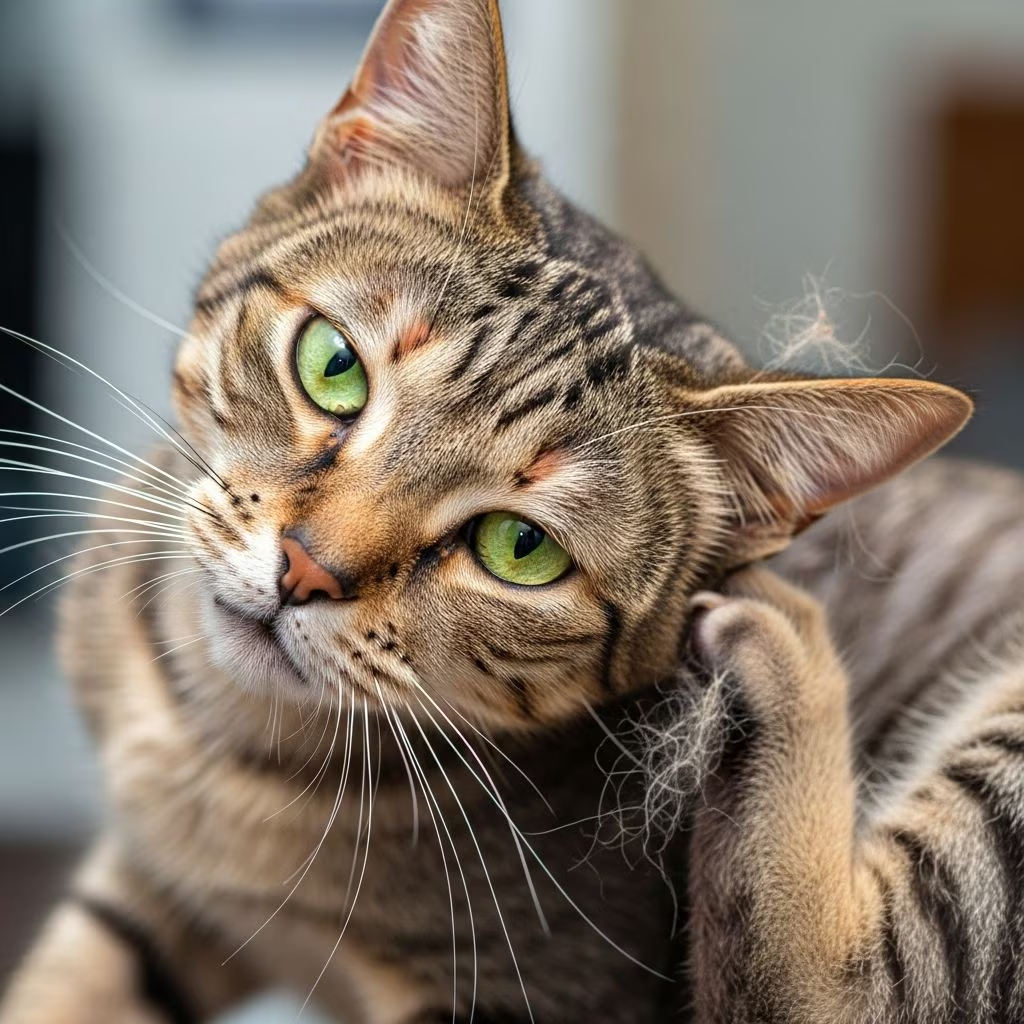
Cats, like humans, can suffer from various allergies that cause discomfort and health issues. The most prevalent types include flea allergy dermatitis, food allergies, atopy (environmental allergies), and contact allergies. Recognizing these conditions early is crucial for effective management and improving your cat’s quality of life.
What Are the Most Common Allergies in Cats?
Allergies in cats occur when their immune system overreacts to harmless substances called allergens, triggering inflammatory responses. These can manifest in skin issues, respiratory problems, or gastrointestinal distress. Understanding the primary types helps cat owners identify and address them promptly.
Flea Allergy Dermatitis
**Flea allergy dermatitis (FAD)** is one of the most frequent allergies in cats, caused by a hypersensitivity to flea saliva. Even a single flea bite can provoke intense itching, leading to self-trauma like excessive grooming and hair loss. Cats with FAD often develop red, inflamed skin, particularly on the back, base of the tail, and hindquarters.
Symptoms include miliary dermatitis (small scabs), restlessness, and secondary infections from scratching. Prevention through strict flea control is key, as even indoor cats can get fleas from other pets or environments.
Food Allergies
Food allergies in cats typically develop after prolonged exposure to certain proteins, such as beef, fish, or chicken. Unlike flea allergies, they often cause year-round symptoms including itchy skin, gastrointestinal upset like vomiting and diarrhea, and sometimes ear infections.
Diagnosis involves elimination diets under veterinary supervision, switching to novel proteins or hydrolyzed diets to avoid triggers. Common culprits are novel ingredients in commercial foods, making dietary trials essential.
Atopy (Environmental Allergies)
**Atopy**, or environmental allergies, affects cats sensitive to pollen, dust mites, molds, or grasses. Seasonal flare-ups cause sneezing, watery eyes, itching (especially face and ears), and asthma-like respiratory issues.
Indoor-outdoor cats are at higher risk, but house cats exposed via open windows can also suffer. Management focuses on reducing exposure and symptomatic relief.
Contact Allergies
Contact allergies are rarer, occurring when cats react to irritants like certain bedding, plastics, cleaning products, or flea collars touching their skin. Symptoms appear as red, weepy lesions on hairless areas like the belly or chin.
Identifying and removing the offending material resolves most cases quickly.
Symptoms of Allergies in Cats
Allergic cats exhibit overlapping symptoms, making veterinary diagnosis vital. Common signs include:
- Intense **itching** leading to over-grooming, hair loss, and scabs
- **Skin issues**: Red, inflamed, crusty, or dry skin; hot spots
- **Respiratory symptoms**: Sneezing, coughing, wheezing, runny nose
- **Eye problems**: Watery, itchy, red eyes
- **Ear infections**: Recurrent otitis with head shaking and odor
- **Gastrointestinal signs**: Vomiting, diarrhea (especially food allergies)
- **Paw issues**: Swollen, licking paws
- Rarely, **anaphylaxis**: Sudden collapse, swelling, breathing difficulty
Observe patterns; seasonal symptoms suggest atopy, while constant itching points to fleas or food.
Causes of Allergies in Cats
Allergies stem from genetic predisposition combined with environmental exposure. Flea allergies result from saliva proteins; food from dietary antigens; atopy from airborne particles entering via skin or inhalation; contact from direct topical exposure. Secondary factors like stress or concurrent infections exacerbate reactions.
Diagnosis of Allergies in Cats
Diagnosing cat allergies requires ruling out parasites and infections first. Methods include:
- **Flea check**: Combing for fleas or flea dirt
- **Elimination diet trial**: 8-12 weeks on hypoallergenic food
- **Intradermal skin testing**: Small amounts of allergens injected into shaved skin; reactions (red wheals) within 15-30 minutes identify triggers
- **Blood tests (IgE serology)**: Measures antibodies to common allergens, confirming skin test results
Skin testing is gold standard for environmental allergies, performed under sedation.
Treatment for Allergies in Cats
Treatment combines allergen avoidance, symptom control, and long-term management. Tailor to allergy type.
Medications
- **Antihistamines**: Benadryl (diphenhydramine), Zyrtec (cetirizine), Claritin (loratadine) for mild itching/sneezing
- **Corticosteroids**: Prednisolone/prednisone orally or injected for rapid inflammation relief, especially FAD and atopy
- **Immunosuppressants**: Cyclosporine (Atopica®) for chronic atopy; takes 4-6 weeks
- **Antibiotics/antifungals**: For secondary infections (e.g., Convenia)
- Others: Apoquel (oclacitinib), pain meds (Onsior), anti-nausea
Topical Therapies
- Medicated shampoos, sprays, ear/eye drops for skin/coat health
Immunotherapy
**Allergy shots or sublingual drops** desensitize the immune system using custom serums from test-identified allergens. Effective in 60-80% of cases after 3-12 months.
Home Management
- Flea preventives year-round
- Dust-free litter, frequent vacuuming, air purifiers
- Regular hypoallergenic baths
- Hypoallergenic diets
| Allergy Type | Primary Treatment | Avoidance Strategy |
|---|---|---|
| Flea | Steroids + flea control | Topical/oral preventives |
| Food | Elimination diet | Novel protein foods |
| Atopy | Immunotherapy + meds | Reduce pollen/dust exposure |
| Contact | Remove irritant | Cotton bedding, no plastics |
Prevention of Allergies in Cats
Prevent by minimizing exposure: rigorous flea control, hypoallergenic diets from kittenhood, clean environments, and early vet checks for genetic risks. Annual wellness exams catch issues early.
When to See a Vet for Cat Allergies
Seek immediate care for severe itching, hair loss, respiratory distress, or non-responsive symptoms. Chronic issues warrant allergy testing to prevent complications like infections or eosinophilic granuloma complex.
Frequently Asked Questions (FAQs)
What is the most common allergy in cats?
Flea allergy dermatitis is the most common, affecting many cats due to flea saliva sensitivity.
Can food allergies cause skin problems in cats?
Yes, food allergies often cause itchy skin, ear infections, and GI issues; confirmed via diet trials.
How do vets test for cat allergies?
Intradermal skin tests or blood IgE tests identify specific allergens.
Are antihistamines safe for cats?
Vet-recommended doses of Benadryl, Zyrtec, or Claritin are safe for mild symptoms.
Can cat allergies be cured?
Not cured, but managed effectively with immunotherapy and avoidance, achieving remission in many cases.
This comprehensive guide equips cat owners to handle allergies proactively. Consult your vet for personalized plans.
References
- Allergies in Cats — VCA Animal Hospitals. 2023. https://vcahospitals.com/know-your-pet/allergies-in-cats
- Cat Allergies: Effective Treatment for Managing Feline-Related Allergies — Windsong Veterinary Clinic. 2024. https://windsongvet.com/lameness-treatment-in-prosper-tx/cat-allergies-effective-treatment-for-managing-feline-related-allergies/
- What Can I Give My Cat for Allergies? — Montecito Pet Hospital. 2022-04-30. https://www.montecitopethospital.com/site/blog/2022/04/30/cat-allergies
- Cat Allergies: Types and Symptoms — PetMD. 2024. https://www.petmd.com/cat/conditions/systemic/allergies-cats
- Allergies of Cats – Cat Owners — Merck Veterinary Manual. 2023. https://www.merckvetmanual.com/cat-owners/skin-disorders-of-cats/allergies-of-cats
- Allergies in Cats — VCA Animal Hospitals (duplicate for emphasis). 2023. https://vcahospitals.com/know-your-pet/allergies-in-cats



