

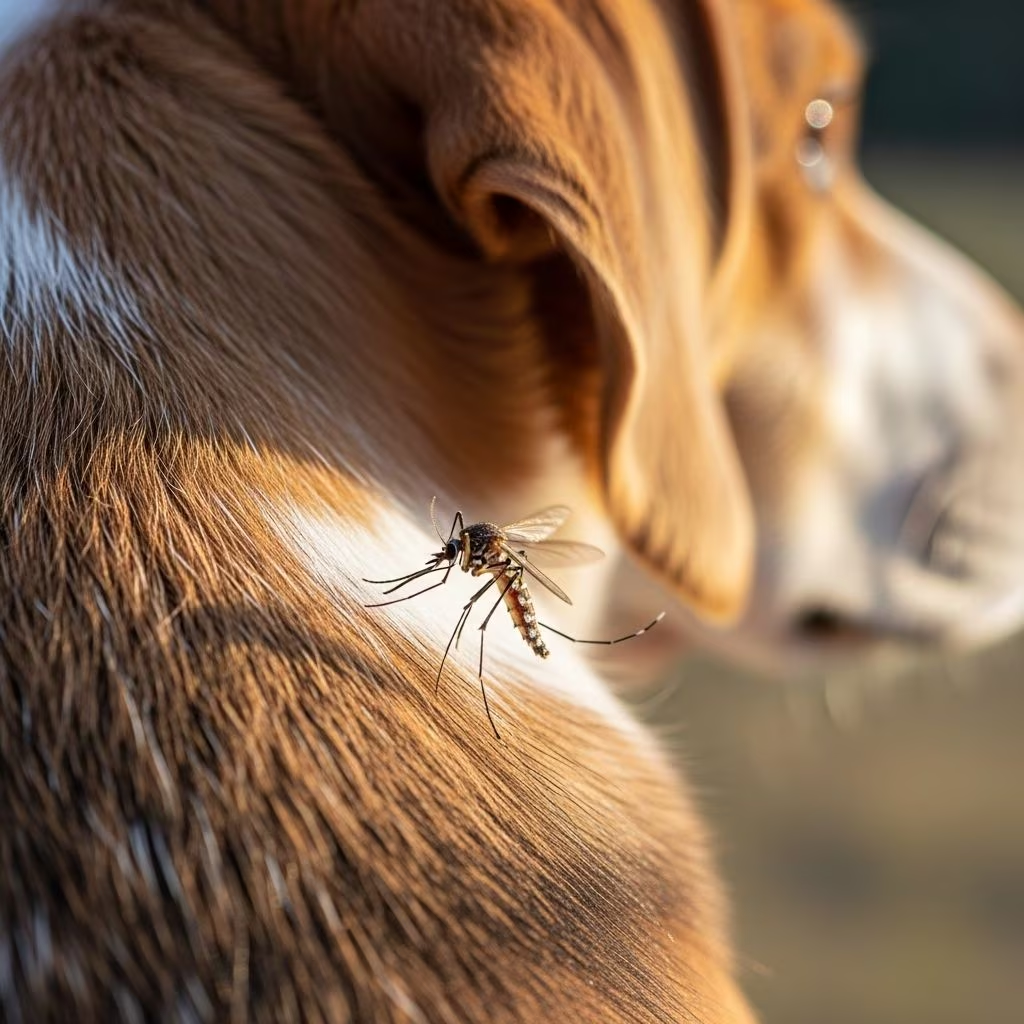
Mosquitoes pose significant health threats to pets, transmitting parasites and viruses that can lead to severe or fatal conditions, particularly in dogs and cats.
Why Mosquitoes Endanger Companion Animals
Mosquitoes act as vectors for various pathogens, thriving in warm, humid environments where they breed in standing water. Pets outdoors during peak biting hours—dawn and dusk—face heightened exposure. Unlike humans, animals like dogs cannot transmit heartworms directly to people, but the diseases they carry demand vigilant prevention.
Climate change expands mosquito habitats, increasing disease prevalence across regions. Heartworm, once regional, now affects all U.S. states, underscoring the need for year-round protection.
Primary Mosquito-Borne Diseases in Dogs
Dogs bear the brunt of mosquito-transmitted illnesses, with heartworm disease topping the list for its lethality and widespread occurrence.
Heartworm Disease: The Silent Killer
Caused by Dirofilaria immitis, heartworms mature in a dog’s heart and lungs, obstructing blood flow and causing coughing, fatigue, and heart failure. A single bite from an infected mosquito deposits larvae that develop over months. All 50 U.S. states report cases, with global presence in Japan, Australia, and South America.
- Symptoms: Persistent cough, weight loss, labored breathing, abdominal swelling.
- Diagnosis: Blood tests detect antigens or microfilariae.
- Treatment: Involves injections to kill worms, often requiring hospitalization; prevention is far safer.
West Nile Virus Effects on Canines
West Nile virus rarely causes overt symptoms in dogs, who develop antibodies without severe illness. Immunocompromised or older dogs may experience tremors, convulsions, or walking difficulties.
Other Viral Threats: Eastern Equine Encephalitis
This ‘sleeping sickness’ primarily hits horses but can infect dogs via mosquitoes, leading to rapid onset of fever, diarrhea, seizures, and depression. Diagnosis proves challenging, emphasizing early intervention.
Tularemia in Dogs
Bacterial tularemia spreads via mosquito bites or contact with infected rodents. Dogs typically show mild lethargy and appetite loss that resolves, but severe cases risk organ failure.
Mosquito Diseases Impacting Cats
Cats face fewer mosquito-borne threats than dogs but require attention to emerging risks.
Heartworm in Felines
Less common than in dogs, feline heartworm causes respiratory distress, vomiting, and sudden collapse. Preventive meds are crucial during annual vet visits.
West Nile and Equine Encephalitis Resistance
Cats resist most symptoms from these viruses, showing only mild fever or lethargy. Venezuelan encephalitis, absent in the U.S., could cause behavioral changes.
Tularemia Susceptibility
Cats suffer more severely, with fever, abscesses, and potential septicemia. Prompt veterinary care improves outcomes.
Tick-Mosquito Overlaps and Additional Risks
While focusing on mosquitoes, note overlaps with ticks, which share vectors for diseases like ehrlichiosis.
| Disease | Vector | Symptoms in Dogs | Prevention |
|---|---|---|---|
| Canine Ehrlichiosis | Brown dog tick, others | Fever, low platelets, appetite loss | Tick preventives |
| Anaplasmosis | Black-legged tick | Joint pain, bleeding issues | Repellents, checks |
| Babesiosis | Various ticks | Anemia, dark urine, jaundice | Blood screening |
Prevention Strategies for Pet Owners
Proactive measures reduce mosquito exposure effectively.
Veterinary Preventives
Monthly oral or topical heartworm preventives kill larvae before maturity. Annual testing ensures efficacy.
Environmental Controls
- Eliminate standing water in yards, gutters, and pots.
- Use fans outdoors to deter mosquitoes.
- Mow grass and trim vegetation.
- Professional yard treatments target breeding sites.
Personal Protection for Pets
Apply vet-approved repellents; avoid DEET products. Limit outdoor time at dawn/dusk. Daily tick checks complement mosquito efforts.[10]
Backyard and Farm Animals at Risk
Beyond dogs and cats, chickens face avian pox from mosquito bites, causing lesions and reduced production. Pigs risk Japanese encephalitis.
Recognizing and Responding to Symptoms
Monitor for lethargy, fever, coughing, or skin irritations. Early vet visits enable timely diagnostics like bloodwork or imaging.
FAQs
Can mosquitoes transmit diseases from pets to humans?
No, heartworms cannot pass dog-to-human; focus on pet protection breaks the cycle.
Is heartworm prevention needed year-round?
Yes, in warm climates; consult vets for regional advice.
Are natural repellents effective?
Limited; prioritize FDA-approved products.
What if my pet shows mosquito bite reactions?
Treat itching to prevent infections; hypersensitivity occurs in some dogs.
Do indoor pets need protection?
Yes, mosquitoes enter homes easily.
Global and Emerging Concerns
Vector-borne diseases rise with travel and warming temperatures. ESCCAP guidelines stress integrated control: vaccines where available, repellents, and vector monitoring.
Pet owners must integrate vet care, home management, and awareness for optimal safety.
References
- Protect Your Dog From Mosquito- and Tick-borne Illnesses — Mosquito Hero. 2023. https://mosquitohero.com/blog/protect-your-dog-from-mosquito-and-tick-borne-illnesses
- Preventing Mosquito-Borne Illnesses in Pets — Pets Best Insurance. 2023-06-23. https://www.petsbest.com/blog/prevent-mosquito-borne-pet-illness
- Mosquito Borne Illness and Pets — The Animal Medical Center. 2010-08-10. https://www.amcny.org/blog/2010/08/10/mosquito-borne-illness-and-pets/
- Winged Menaces: Mosquitoes, Pets, and Growing Risk of Disease — University of Florida IFAS. 2025-09-22. https://blogs.ifas.ufl.edu/gcrec/2025/09/22/winged-menaces-mosquitoes-and-pets/
- Mosquito and Mosquito-Borne Diseases Guide — Riverside County Environmental Health (gov). 2023. https://rivcoeh.org/sites/g/files/aldnop361/files/migrated/Portals-0-PDF-Vector-Control-Mosquito-guide.pdf
- Control of Vector-Borne Diseases in Dogs and Cats — ESCCAP (.edu equivalent). 2024-12-03. https://www.esccap.org/uploads/docs/32ir16g1_0775_ESCCAP_Guideline_GL5_20241203_1p.pdf
- Mosquitoes – Companion Animal Parasite Council — CAPC. 2024. https://capcvet.org/guidelines/mosquitoes/



