

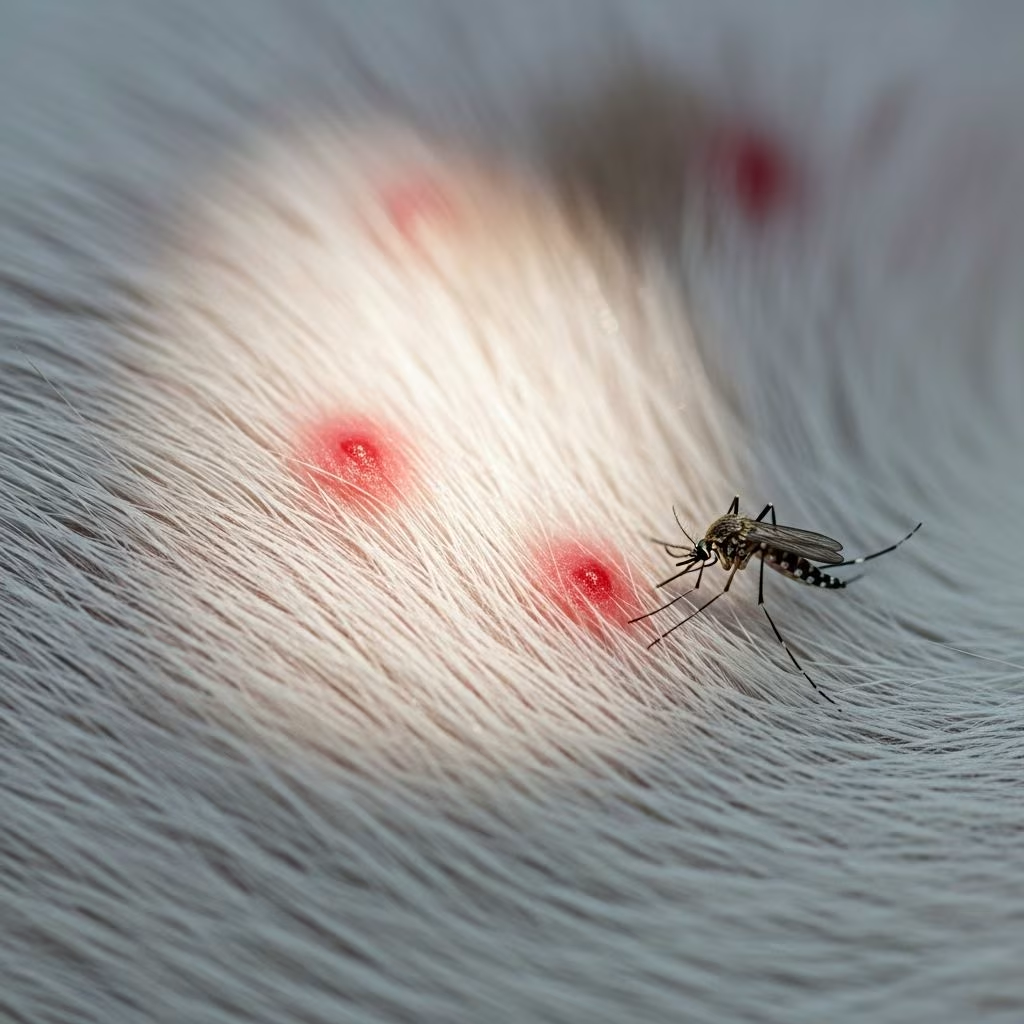
Mosquitoes pose a notable threat to dogs by causing uncomfortable bites and transmitting diseases like heartworm. These insects target dogs just as they do humans, injecting saliva that triggers irritation and potential health complications. Understanding the full impact helps owners respond effectively and safeguard their pets.
Why Mosquitoes Target Canine Skin
Dogs attract mosquitoes due to their body heat, carbon dioxide exhalation, and scent profiles. Unlike humans, dogs have fur that offers partial protection, but bites often occur on thinner-skinned areas like the belly, ears, nose, and paws. The saliva from a mosquito bite provokes an immune response, leading to localized inflammation. In regions with high mosquito populations, outdoor activities at dawn or dusk heighten exposure risks.
Breeds with short coats or light fur may show more visible reactions, while those with allergies experience amplified effects. Repeated bites can escalate from minor annoyance to chronic skin issues if not addressed promptly.
Spotting the Signs of a Mosquito Bite
Recognizing early symptoms allows for quick intervention. Common indicators include:
- Small, raised red welts or bumps on hairless or thin-furred spots
- Intense scratching, licking, or chewing at the affected area
- Rubbing face or ears against surfaces for relief
- Mild swelling or puffiness around the bite site
- Restlessness or whining from persistent itchiness
These signs mimic human reactions but vary by dog sensitivity. Allergic individuals might develop larger hives or prolonged redness. Monitor closely after park visits or evening walks, as bites often appear within hours.
Immediate Steps for Bite Relief at Home
While bites usually resolve naturally in 1-2 days, supportive care eases discomfort. Start by preventing self-trauma:
- Fit an Elizabethan collar to block scratching or licking
- Clean the area gently with mild soap and cool water
- Apply a cold compress, like a frozen vegetable pack wrapped in cloth, for 10 minutes to curb swelling
For soothing, mix baking soda with water into a paste and dab it on the site, or opt for an oatmeal bath to calm widespread irritation. Veterinary-approved antihistamines like diphenhydramine (Benadryl) can reduce itching, but confirm dosage first to avoid overdose. Topical antibacterial ointments suit nose or ear bites prone to infection.
| Method | Application | Duration | Precautions |
|---|---|---|---|
| Cold Compress | Wrapped ice pack on bite | 10 minutes, repeat as needed | Avoid direct ice contact |
| Baking Soda Paste | Apply to single sites | Leave 15-20 minutes, rinse | Test small area first |
| Oatmeal Bath | Colloidal oatmeal shampoo | 10-minute soak | Use pet-safe products only |
| Antihistamine | Oral dose per vet guidance | Every 8-12 hours | Consult dosage by weight |
Avoid human bug sprays or lotions, as they contain toxins harmful to dogs. These measures provide temporary relief while awaiting professional input.
When to Rush to the Vet
Not all bites warrant alarm, but escalating symptoms demand urgent care. Seek immediate veterinary help for:
- Bumps enlarging, oozing pus, or emitting odor (infection signs)
- Face or throat swelling impacting breathing
- Hives, excessive drooling, or pale/blue gums
- Vomiting, diarrhea, lethargy, or coughing
- Agitation, dizziness, or seizures
Severe reactions signal anaphylaxis, a life-threatening allergy. Vets may administer epinephrine, steroids, IV fluids, or oxygen. Blood tests rule out deeper issues like early heartworm. Persistent scratching risks hot spots or secondary bacterial infections, treatable with antibiotics.
The Hidden Danger: Heartworm Disease
Beyond itching, mosquitoes transmit heartworm larvae via bites. These parasites mature in the heart and lungs, causing coughing, fatigue, weight loss, and potentially fatal blockages. Symptoms emerge late, making prevention critical. Annual vet screenings via blood tests detect infections early. Dogs on monthly preventives face minimal risk, even post-bite.
Heartworm hotspots include warm, humid areas. Year-round protection suits most climates due to indoor-outdoor mosquito travel. Consult vets for tailored regimens like oral chewables or injectables.
Proven Prevention Tactics for Your Yard and Dog
Proactive measures slash bite risks:
- Eliminate Breeding Sites: Empty standing water from bowls, gutters, toys weekly
- Landscaping: Trim grass, add fans to patios (mosquitoes avoid wind)
- Screened Areas: Use porches or runs during peak hours
- Pet Protectors: Vet-recommended repellents safe for dogs; avoid DEET products
- Heartworm Meds: Consistent monthly dosing
Combine yard maintenance with routine vet checkups. Flea/tick combos often include mosquito defense. During outbreaks, limit dusk/dawn outings.
Special Considerations for Vulnerable Dogs
Puppies, seniors, and allergy-prone breeds suffer worse from bites. Short-nosed (brachycephalic) dogs risk airway issues from facial swelling. Immunocompromised pets face higher infection odds. Tailor prevention to lifestyle: apartment dogs need less yard work but still require meds. Track regional alerts via apps or local vets for timely action.
Frequently Asked Questions
Do mosquitoes bite dogs as often as humans?
Yes, dogs emit similar attractants, though fur reduces some bites. Exposed skin remains vulnerable.
Can I use human itch cream on my dog?
No, many contain unsafe ingredients. Stick to vet-approved topicals.
How soon do heartworm symptoms appear after a bite?
Weeks to months; preventives kill larvae before maturity.
Is an e-collar always necessary?
Only if scratching persists; loose clothing works for some.
What if my dog has multiple bites?
Bathe with oatmeal products and monitor for systemic signs.
Long-Term Strategies for Mosquito-Free Living
Integrate habits like dusk walks avoidance and neighbor collaborations for community control. Invest in automatic misting systems for yards if feasible. Educate family on symptoms to ensure collective vigilance. Regular grooming reveals hidden bites early.
By blending vigilance, home care, and professional prevention, owners minimize mosquito threats. Heartworm meds form the cornerstone, backed by environmental tweaks. Stay informed on local vectors for optimal protection.
References
- First Aid for Insect Stings in Dogs — VCA Animal Hospitals. 2023. https://vcahospitals.com/know-your-pet/first-aid-for-insect-stings-in-dogs
- Mosquito Bites on Dogs: How to Treat and Prevent — PetMD. 2024. https://www.petmd.com/dog/general-health/mosquito-bites-on-dogs
- Mosquitoes and Dogs | HEARTGARD® Plus — HEARTGARD. 2023. https://heartgard.com/mosquitoes-and-dogs-how-keep-your-pet-safe
- Bug Bites on Dogs: Identification and Treatment — MetLife Pet Insurance. 2024. https://www.metlifepetinsurance.com/blog/pet-health/bug-bites-on-dogs/
- How to Treat and Prevent Mosquito Bites on Dogs — Your Pet & You (Elanco). 2023. https://yourpetandyou.elanco.com/us/health-and-care/mosquito-bites-on-dogs



