

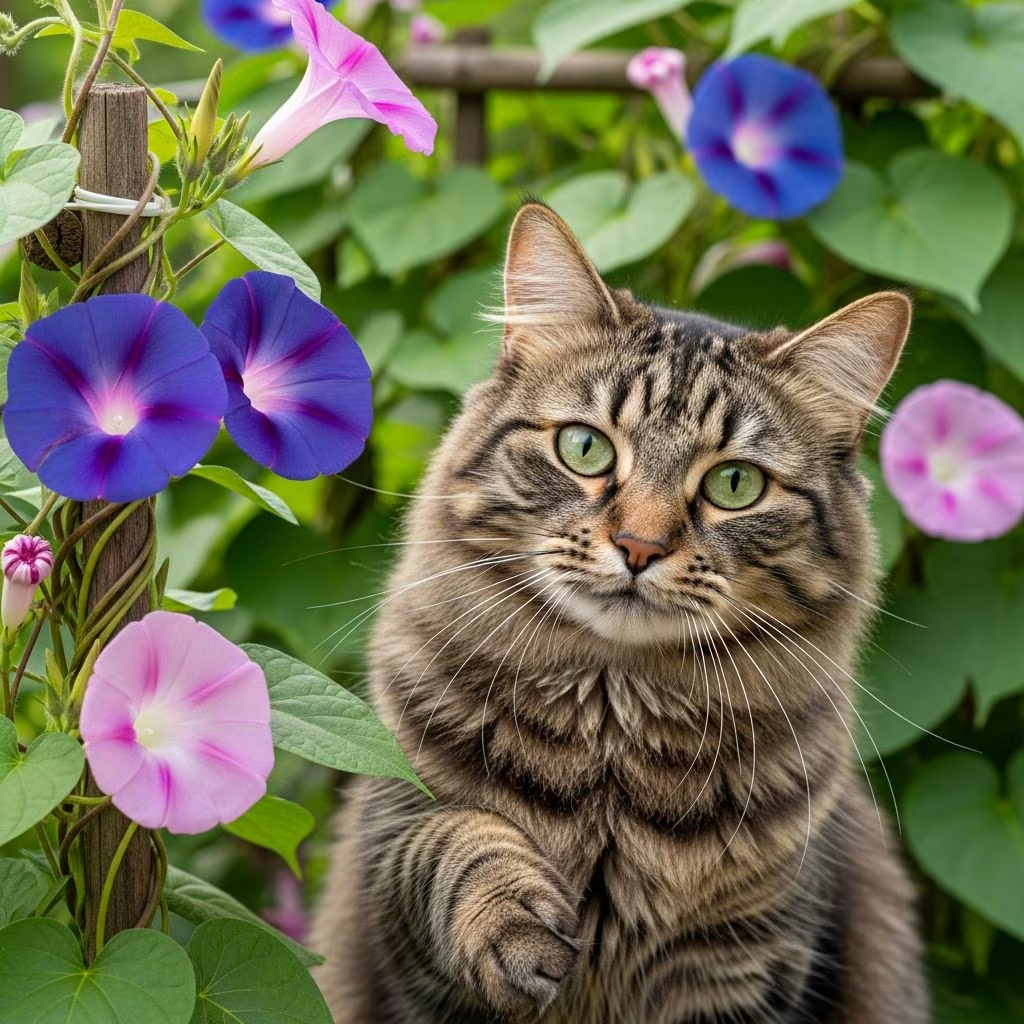
Beautifully vibrant morning glories adorn many gardens with their trumpet-shaped blooms, but these plants harbor compounds that can seriously harm cats. All parts of the plant, especially the seeds, contain lysergic alkaloids that trigger gastrointestinal distress, neurological effects, and in rare cases, life-threatening reactions in felines.
Understanding the Morning Glory Plant
Morning glories belong to the Ipomoea genus within the Convolvulaceae family, encompassing over 1,000 species known for rapid growth as climbing vines. These plants produce wide, funnel-like flowers in shades of blue, purple, pink, and white that typically open at dawn and wilt by midday, giving them their name. While prized for ornamental value, their appeal masks a toxicity profile dangerous to pets.
Native to tropical and subtropical regions, morning glories thrive in warm climates and poor soils, making them common in home landscapes. Varieties like heavenly blue and common morning glory are particularly noted for higher toxin concentrations, though all species warrant caution around cats.
The Science Behind Morning Glory Toxicity in Cats
The primary culprits are lysergic acid amides (LSA), naturally occurring psychedelics structurally similar to LSD. These alkaloids concentrate most heavily in seeds but permeate leaves, stems, flowers, and roots. In cats, LSA disrupts normal serotonin signaling, leading to hallucinations, ataxia, and autonomic instability.
Unlike dogs, which may chew plants more readily, cats’ grooming habits increase ingestion risk from contaminated fur. Even small amounts can provoke symptoms, with seeds posing the greatest threat due to potency. Veterinary toxicology classifies morning glories as mildly to moderately toxic, rarely fatal but requiring prompt intervention.
| Plant Part | Toxin Concentration | Common Effects in Cats |
|---|---|---|
| Seeds | High (LSA dominant) | Hallucinations, seizures, disorientation |
| Leaves & Stems | Moderate | Vomiting, diarrhea, lethargy |
| Flowers | Low to Moderate | Drooling, mild GI upset |
Recognizing Signs of Poisoning
Cats affected by morning glory ingestion often show symptoms within 1-6 hours. Initial gastrointestinal signs include repeated vomiting, watery diarrhea, hypersalivation, and abdominal pain manifested as hunching or vocalizing.
- Neurological indicators: Dilated pupils, unsteady gait, head bobbing, tremors, or full seizures in severe exposures.
- Behavioral changes: Agitation, confusion, staring into space (hallucinatory episodes), or extreme lethargy.
- Cardiovascular effects: Elevated heart rate, rapid breathing, or low blood pressure.
Monitor for dehydration from fluid loss and secondary issues like aspiration pneumonia from vomiting. Kittens and seniors face amplified risks due to smaller body mass and weaker detoxification.
Immediate Response to Suspected Ingestion
If you witness or suspect morning glory consumption, act swiftly without inducing vomiting at home, as this risks aspiration in felines. Collect plant samples—including seeds, leaves, or photos—for vet identification.
Contact an emergency vet or pet poison hotline immediately. Provide details on amount ingested, time elapsed, and symptoms. Treatment typically involves:
- Decontamination via activated charcoal to bind toxins.
- IV fluids for hydration and electrolyte balance.
- Anti-emetics like maropitant to control nausea.
- Muscle relaxants or anti-seizure meds if neurological signs appear.
- Monitoring in clinic for 24-48 hours.
Prognosis excels with early care; most cats recover fully within days.
Creating a Cat-Safe Garden Environment
Prevention hinges on proactive landscaping. Relocate morning glories to fenced-off zones or hanging baskets beyond leap range. Employ physical barriers like chicken wire or plant cages around vines.
Repel cats naturally with citrus peels, coffee grounds, or commercial bitter sprays on foliage. Supervise outdoor adventures, especially in shared neighborhoods where wild varieties proliferate. Indoor-only cats face lower risks but beware store-bought bouquets.
Safe Plant Alternatives for Cat Lovers
Embrace feline-friendly flora to beautify without peril. These options provide similar climbing aesthetics or color pops:
- Catnip (Nepeta cataria): Euphoric for cats, non-toxic, attracts pollinators.
- Spider Plant (Chlorophytum comosum): Air-purifying, resilient, ignored by most cats.
- Honeysuckle Vine: Non-toxic variety like coral honeysuckle offers berries and fragrance.
- Snapdragons: Tall spikes mimic morning glory height, fully safe.
- Petunias: Prolific bloomers in vivid hues, vet-approved.
Consult ASPCA’s toxic plant list before planting. Gradually introduce new greenery to observe reactions.
Broader Implications for Pet Plant Interactions
Beyond morning glories, over 700 plants threaten cats, underscoring vigilant pet-proofing. Educate household members on risks, especially children prone to sharing “treats.” Regular yard audits reveal invasive seedlings.
Holistic approaches like elevated planters or vertical gardens minimize ground access. For indoor spaces, wall-mounted pots deter nibbling. Technology aids too—apps identify plants via photos for instant toxicity checks.
FAQs on Morning Glories and Feline Health
Are all morning glory species equally dangerous to cats?
No, but most contain LSA; heavenly blue varieties pack highest concentrations. Err on caution with any Ipomoea.
Can a single seed harm my cat?
Possibly—one or two may cause mild upset, but multiples escalate to severe symptoms. Size and health factor in.
What if my cat only chewed leaves, not seeds?
Leaves provoke vomiting/diarrhea but rarely hallucinations. Still, vet consultation recommended.
Do morning glories affect cats topically?
Sap irritation possible on skin/mouth, but ingestion drives main toxicity.
How long do symptoms persist?
Mild cases resolve in 12-24 hours; severe may need 72+ with treatment.
Long-Term Strategies for Household Harmony
Integrate catios—enclosed patios—for safe outdoor views sans plant access. Train via positive reinforcement to avoid greenery. Annual vet checkups include toxin exposure history reviews.
Community gardens? Advocate labeling or cat-free zones. By prioritizing awareness, cat owners enjoy thriving gardens alongside healthy pets.
References
- Are Morning Glories Poisonous to Cats? Vet-Approved Risks & Facts — Hepper. 2023. https://articles.hepper.com/are-morning-glories-poisonous-to-cats/
- Are Morning Glories Poisonous to Cats? — Zoorithm. 2023. https://www.zoorithm.com/cats/are-morning-glories-poisonous-to-cats
- Are Morning Glories Toxic to Cats? Vet-Reviewed Houseplants — Catster. 2023. https://www.catster.com/cat-health-care/are-morning-glories-toxic-to-cats/
- Morning Glory — WhiskerDocs. 2023. https://www.whiskerdocs.com/toxins/morning-glory



