

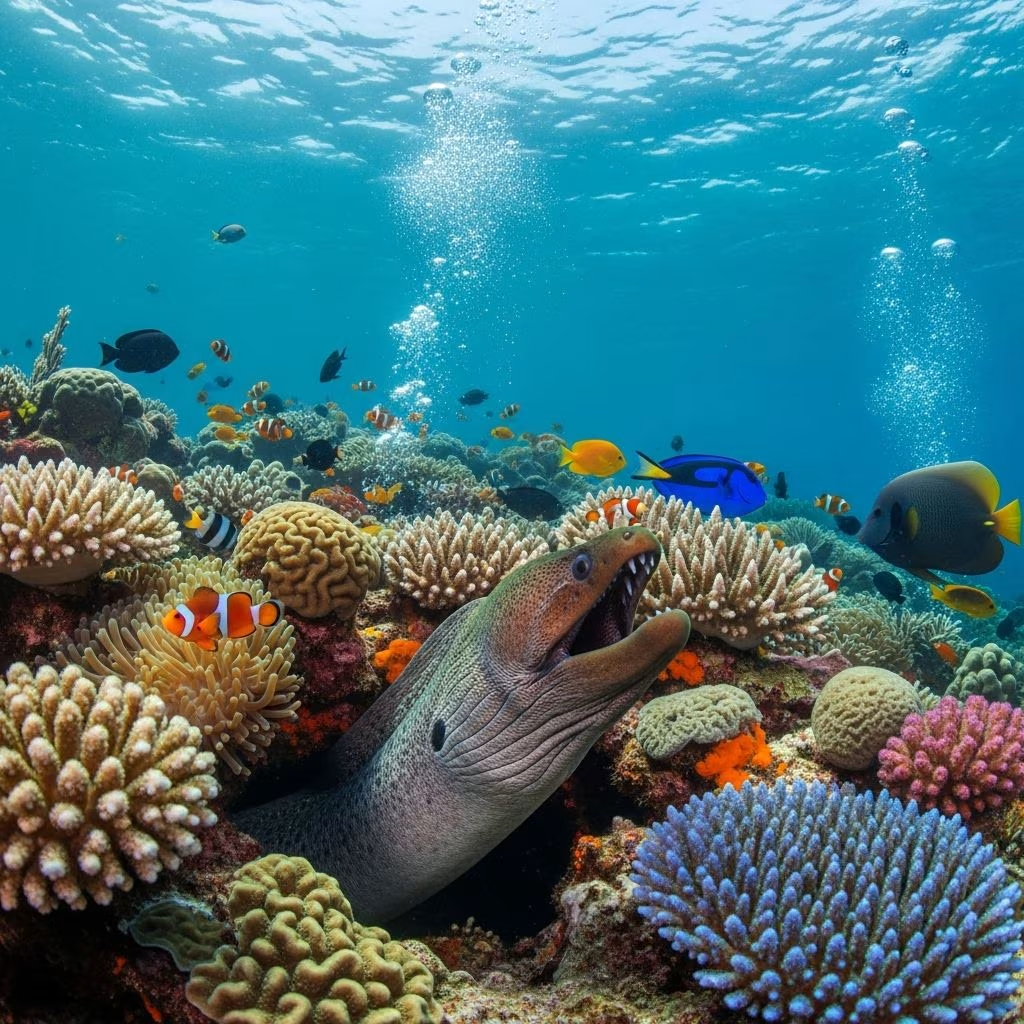
Moray eels are fascinating and impressive aquarium inhabitants that capture the imagination of both beginner and experienced aquarists. These mysterious creatures, with their serpentine bodies and curious nature, can make excellent additions to a marine or brackish aquarium when proper care guidelines are followed. However, keeping a moray eel successfully requires understanding their unique needs, behavioral patterns, and environmental preferences. This comprehensive guide will walk you through everything you need to know to provide your moray eel with an optimal living environment.
Understanding Moray Eels
Moray eels are remarkable predators that have adapted to life in crevices and caves on the ocean floor. Unlike many other fish species, moray eels possess a unique physiology and behavioral pattern that sets them apart. They are naturally reclusive creatures that spend much of their time hidden away, only emerging when hungry or curious about their surroundings. Understanding these natural behaviors is fundamental to creating an appropriate environment that allows your moray eel to thrive.
These eels are known for their longevity and can live for many years in captivity when provided with proper care. Their hardy nature makes them relatively forgiving for aquarists willing to invest time in understanding their specific requirements. However, their predatory instincts and specialized dietary needs demand attention and commitment from their keepers.
Filtration: The Foundation of Moray Eel Care
One of the most critical aspects of keeping a moray eel is maintaining exceptional water quality through robust filtration. Moray eels are notoriously messy eaters, consuming large portions of food and producing significant waste in the process. This behavioral characteristic means that standard filtration systems designed for other fish species will not be adequate for a moray eel aquarium.
Your filtration system should incorporate three essential components to maintain optimal water conditions:
- Mechanical filtration: This removes visible debris and particulate matter from the water column, preventing the accumulation of uneaten food and waste materials that can cloud the tank and degrade water quality.
- Biological filtration: Beneficial bacteria colonies break down harmful ammonia and nitrite into less toxic nitrate, maintaining the nitrogen cycle essential for aquarium stability.
- Chemical filtration: Activated carbon and other chemical media remove dissolved compounds, odors, and discoloration that mechanical and biological filtration cannot address.
Beyond these three primary filtration methods, consider implementing additional systems such as a protein skimmer to remove organic compounds before they decompose, and a nitrate and phosphate removal system like a refugium with macroalgae. These supplementary systems help manage the excess nutrients produced by your moray eel’s hearty appetite and messy feeding habits.
Eel Aquascaping and Habitat Design
Creating an appropriate aquascape is essential for your moray eel’s psychological well-being and overall health. In their natural environment, moray eels inhabit rocky crevices and caves, spending much of their time hidden from view. Without adequate shelter, your eel will experience chronic stress, which can lead to behavioral problems, poor appetite, and susceptibility to disease.
Construct your aquascape to provide multiple hiding places and secure shelter sites that can accommodate your eel’s entire body. You have several options for creating this habitat:
- Live rock formations: Stack and secure live rock using epoxy adhesive to create natural-looking caves and crevices. This approach also provides surface area for beneficial bacteria colonization.
- Artificial corals: Pre-formed reef structures and artificial corals offer stability and consistent hiding places while allowing for easier maintenance and aquascaping adjustments.
- PVC pipe tunnels: Two to three-inch diameter PVC pipes create affordable burrowing spaces that your eel will readily use. Place these under the sand substrate for a natural appearance.
Ensure that your reef structure is completely stable and cannot collapse, as this could injure your eel or damage the aquarium. Use quality epoxy designed for aquarium use, and allow adequate curing time before introducing your eel to the tank. Your moray eel’s sense of security directly correlates with its willingness to eat regularly and exhibit natural behaviors, making proper aquascaping a cornerstone of successful moray eel keeping.
Tank Size and Volume Requirements
The size of your aquarium plays a crucial role in determining whether your moray eel will thrive or merely survive. While moray eels are not exceptionally active swimmers compared to many fish species, they do require adequate space to move about, establish territories, and maintain water quality appropriate to their needs.
As a general guideline, begin with a minimum tank size of 40 gallons for a single small to medium-sized moray eel. Larger specimens may require 55 gallons or more to ensure adequate space and water volume for stable water chemistry. The larger your aquarium, the more stable water parameters will remain despite the moray eel’s messy eating habits and waste production. Larger tanks also provide more flexibility for aquascaping and the potential to house compatible tankmates.
Consider your eel’s adult size when planning your aquarium. Some moray species can reach lengths of up to 3 feet or more, requiring spacious accommodations. Attempting to keep a large moray eel in an undersized tank will result in poor water quality, stress, and a shortened lifespan.
Water Quality and Parameters
Maintaining stable and appropriate water parameters is fundamental to your moray eel’s health. These fish are sensitive to fluctuations in water chemistry and can experience stress or illness when conditions deviate significantly from their preferences.
Monitor and maintain these critical water parameters:
| Parameter | Ideal Range | Notes |
|---|---|---|
| Temperature | 75–82°F (24–28°C) | Maintain consistency; avoid rapid fluctuations that cause stress |
| pH Level | 7.5–8.3 | Stability is more important than exact values |
| Salinity | 1.005–1.015 SG | Use marine salt mix; measure with refractometer |
| Ammonia | 0 ppm | Any detectable ammonia indicates filtration issues |
| Nitrite | 0 ppm | Highly toxic; should always be undetectable |
| Nitrate | < 40 ppm | Regular water changes help manage nitrate levels |
Perform 30% weekly water changes to maintain water quality and prevent the accumulation of nitrates and phosphates. Match the temperature and salinity of replacement water to your tank parameters to avoid shocking your eel. Use a refractometer to accurately measure salinity levels, as this is far more precise than hydrometers. Poor water quality is the primary cause of stress-related illness in moray eels, so consistent monitoring and maintenance are non-negotiable.
Feeding Your Moray Eel
Moray eels are strict carnivores with specialized dietary requirements. Unlike many aquarium fish that accept prepared flakes or pellets, moray eels require high-quality protein foods that mimic their natural diet.
Appropriate Foods
Offer your moray eel a varied diet of carnivorous foods, including:
- Chopped tilapia or other saltwater fish fillets
- Frozen or thawed shrimp and prawns
- Mussels and clams
- Squid and cuttlefish
- Earthworms and Tubifex worms
- Frozen silversides and krill
- Live ghost shrimp or mollies (occasionally)
Newly imported moray eels often refuse prepared foods initially, preferring live prey. Patience and persistence are required to transition them to frozen or thawed foods. Start with live foods the eel is accustomed to, then gradually introduce prepared meaty alternatives using feeding tongs.
Feeding Frequency and Technique
Feed your moray eel 3–4 times per week rather than daily, as overfeeding causes bloating, water quality deterioration, and unnecessary waste production. Use feeding tongs or a feeding stick to deliver food directly to your eel, keeping your fingers safe from accidental bites. Moray eels have poor eyesight and may mistake fingers for food—many aquarists have learned this lesson painfully.
Target feeding ensures all specimens receive adequate nutrition while minimizing uneaten food that degrades water quality. Feed at least one meal just before the lights turn off, as moray eels are more active during low-light periods and feed more readily in dim conditions.
Moray Eel Health and Disease Prevention
Moray eels lack scales and instead possess a thick mucus coating that protects them from parasites and infection. While this unique feature provides natural protection, it also makes them extremely sensitive to aquarium medications. Most standard fish medications are toxic to moray eels and should be avoided whenever possible.
The best approach to maintaining your moray eel’s health is prevention through excellent water quality and proper nutrition. If your eel shows signs of illness such as white patches, loss of color, or refusal to eat, investigate water parameters immediately. Often, poor water quality is the underlying cause. Perform a series of aggressive water changes and use chemical filter media to rapidly improve conditions.
Common health issues include bacterial infections from scratches on sharp decor, white patches from poor water quality, and feeding refusal caused by stress or improper salinity. Avoid these problems by maintaining stable salinity levels, providing smooth hiding places, and adhering to a strict water maintenance schedule. If you introduce new tankmates, quarantine them first to prevent introducing parasites or pathogens to your established system.
Moray Eel Behavior and Temperament
Understanding moray eel behavior helps you create appropriate conditions and develop realistic expectations about their activity levels and social interactions. Moray eels are naturally reclusive and will spend much of their time hidden within caves or crevices. This is completely normal behavior and indicates that your eel feels secure in its environment, not that something is wrong.
When lighting is dim or the eel is hungry, it may emerge from its hiding place with mouth agape. This open-mouth posture is often misinterpreted as aggression, but it actually serves a respiratory function, allowing water to flow across the eel’s gills. Many species perform this behavior regularly without any aggressive intent.
Moray eels can sometimes be kept in groups in sufficiently large aquaria, though compatibility depends on individual temperament and available space. Provide at least one square foot of substrate per eel to minimize territorial conflicts. Monitor social dynamics closely and be prepared to separate eels that display aggressive behavior toward one another.
Frequently Asked Questions
Q: Can moray eels be kept with other fish?
A: Moray eels are predatory and will consume any fish small enough to fit in their mouth. Only house them with fish too large to be swallowed or in dedicated moray-only systems. Even then, monitor interactions carefully as individual temperaments vary significantly.
Q: How do I know if my moray eel is healthy?
A: A healthy moray eel maintains its color, feeds regularly, and breathes steadily without apparent distress. It should hide during the day and emerge during low-light periods to hunt or explore. Any changes in eating habits, color loss, or behavioral patterns warrant immediate investigation of water parameters.
Q: What should I do if my moray eel refuses to eat?
A: First, check water parameters—this is the most common cause of feeding refusal. If parameters are acceptable, ensure you’re offering appropriate foods for the species. Some eels prefer live food initially and require a gradual transition to prepared foods. Patience and persistence are essential.
Q: How long do moray eels live in captivity?
A: With proper care, moray eels can live 15–20 years or longer in captivity. Their longevity makes them a long-term commitment, so ensure you’re prepared for many years of dedicated care before acquiring one.
Q: Are moray eels suitable for beginners?
A: While moray eels are hardy fish, their specialized requirements and predatory nature make them better suited to intermediate or advanced aquarists. Beginners should gain experience with other marine species first before attempting to keep a moray eel successfully.
Conclusion
Keeping a moray eel successfully requires commitment to understanding and meeting their specific needs. By providing robust filtration, appropriate aquascaping with adequate hiding places, stable water parameters, and a varied diet of quality protein foods, you create an environment where your moray eel can thrive. These remarkable creatures reward dedicated keepers with decades of observation and fascination. Their mysterious nature and unique behaviors make them among the most rewarding aquarium inhabitants for those willing to invest the necessary effort. Whether you’re a seasoned aquarist or an ambitious beginner, following these guidelines will set you on the path to successful moray eel keeping.
References
- Eel care guide — Reef2Reef. https://www.reef2reef.com/threads/eel-care-guide.190769/
- Freshwater Tiger Moray Eel – The Ultimate Guide to Caring for This Exotic Oddball Predator — Rob’s Aquatics. https://robsaquatics.com/blogs/news/freshwater-tiger-moray-eel-the-ultimate-guide-to-caring-for-this-exotic-oddball-predator
- How to care for Moray Eels and Garden Eels in an aquarium — Bulk Reef Supply. https://www.bulkreefsupply.com/content/post/md-2014-03-the-real-deal-about-eels-feeding-care_14
- Freshwater Tiger Moray Eel: “YES it’s for YOU” Care Guide — Exotic Fish Guy. https://exoticfishguy.com/blogs/news/tiger-moray-eel-yes-its-for-you
- Want To Keep A Moray Eel? Here Are Some Excellent Tips — Chewy. https://www.chewy.com/education/fish/general/want-to-keep-a-moray-eel-here-are-some-excellent-tips
- Freshwater Moray Eel – Gymnothorax polyuranodon — Fish Keeper UK. https://www.fishkeeper.co.uk/fish/freshwater/miscellaneous/eelsn-a



