

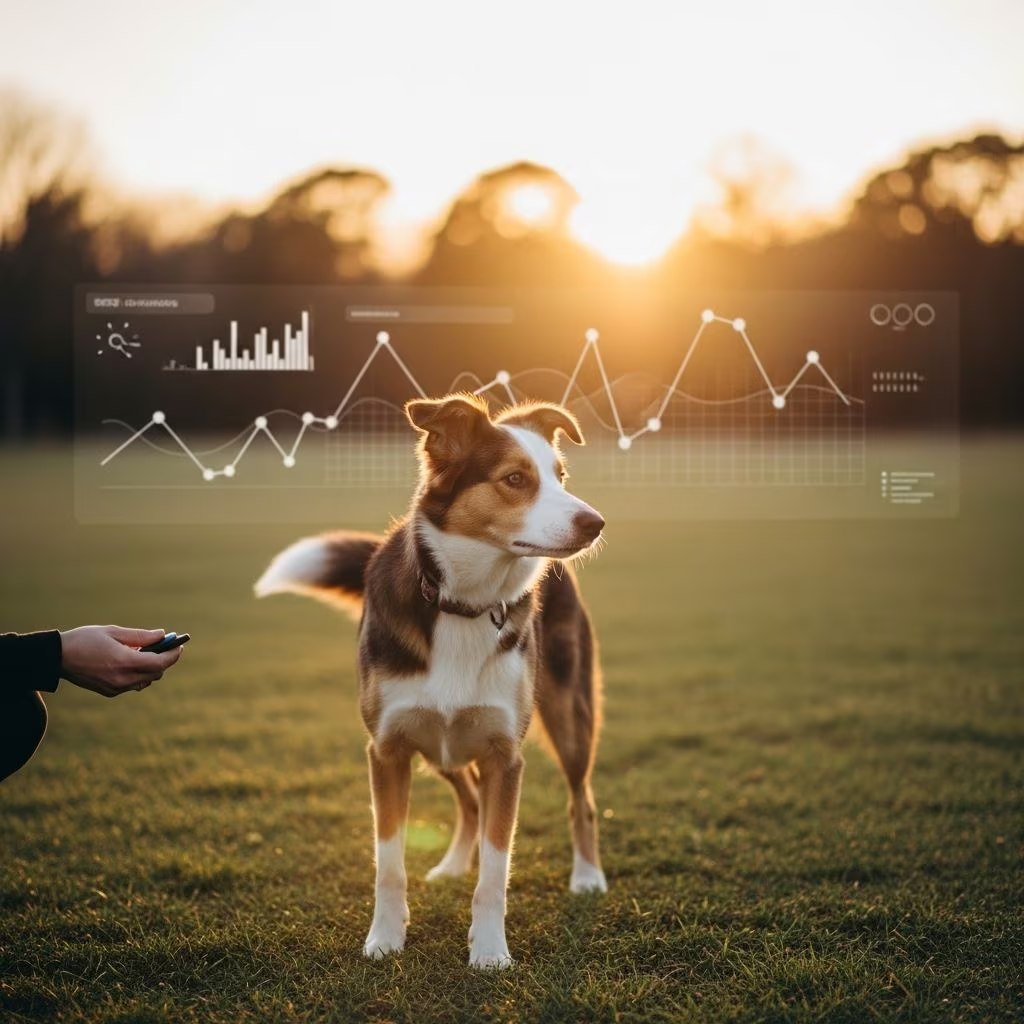
Effective dog training hinges on observing and recording changes in behavior over time. By systematically documenting sessions, owners and trainers can pinpoint strengths, address weaknesses, and adjust methods for optimal results. This approach not only accelerates learning but also builds a reliable foundation for long-term obedience and skills.
Why Consistent Progress Monitoring Matters
Tracking development reveals patterns that casual observation misses. Dogs trained with structured methods, including regular logging, learn up to 30% faster compared to inconsistent approaches, according to research in veterinary behavior studies. Digital or manual records help maintain handler consistency, potentially cutting training time by 25%.
Without records, it’s challenging to compare current performance against past sessions. Honest reflection on trends—such as reduced reactivity or increased command reliability—guides refinements. Even basic daily notes in a journal provide valuable insights into behavioral shifts.
Essential Metrics for Evaluating Training
To gauge success objectively, focus on quantifiable indicators. These metrics allow trainers to measure improvement across sessions and environments.
- Duration: How long does the dog maintain a command before release? Start short and gradually extend, noting regressions when adding variables.
- Distance: Measure how far the handler can be while the dog complies. Build this incrementally, often reducing duration temporarily to accommodate.
- Distraction Level: Test reliability amid increasing stimuli like people, noises, or objects. Rebuild other metrics in new settings.
- Success Rate: Track percentage of correct responses per session, factoring in environmental conditions and handler notes.
These elements form the core of progress evaluation, ensuring comprehensive assessment beyond isolated events.
Manual Logging Techniques for Everyday Trainers
Simple tools like notebooks or spreadsheets suffice for most pet owners. Record date, time, location, specific behaviors, and outcomes for each session.
| Session Date | Behavior | Duration (sec) | Distance (ft) | Distractions | Success % | Notes |
|---|---|---|---|---|---|---|
| 2026-03-01 | Sit-Stay | 30 | 5 | Low (home) | 90% | Dog broke once on doorbell |
| 2026-03-08 | Sit-Stay | 60 | 10 | Medium (park) | 80% | Improved focus; add voice cue |
This table format visualizes growth, highlighting areas for focus like distraction tolerance.
Advanced Data Tracking with Digital Platforms
AI-driven apps elevate tracking by automating analysis. Platforms log metrics such as task success, session length, and environmental factors, then generate trends and recommendations. Features include personalized advice on skill prioritization, intensity adjustments, and milestone alerts to prevent premature advancement.
- Upload session videos for AI review of body language and escalation patterns.
- Share logs with vets or collaborators for unified strategies.
- Digital checklists mark achievements, fostering motivation through visible progress.
Handlers report higher adherence and success with these tools, especially for service or working dogs.
Behavior-Specific Monitoring Methods
ABC Analysis for Problem Behaviors
ABC tracking—Antecedent (trigger), Behavior (action), Consequence (result)—dissects issues like barking. Use spreadsheets to log incidents, revealing patterns for targeted interventions.
Example: Dog barks at cat (A: cat appears; B: bark; C: owner intervenes). Over time, data shows effective triggers to modify.
Intensity and Recovery Scales
Rate behaviors on a 1-5 intensity scale: 1 as mild (soft woof), 5 as severe (prolonged growl). Track recovery time post-incident to measure stress reduction training efficacy. Body language cues like ear position or tail wag inform escalation ladders.
Phased Progression in Specialized Training
For tracking or search dogs, advance through structured phases. Begin with straight scent trails using food drops and flags, progressing to corners with triple-laid steps.
- Basic Straight Tracks: Shuffle feet, drop treats every foot; dog indicates article clearly.
- Introduce Turns: Triple-lay initial corner steps; add more after mastery.
- Increase Complexity: Extend distance, age tracks, add distractions like secondary subjects.
- Certification Prep: Use real subjects with diverters; dog ignores distractions to find target.
This sequential build ensures solid foundations before complexity.
Visual and Printable Progress Tools
Charts tracking treat phasing or skill sequences provide at-a-glance overviews. For commands like sit or recall, mark levels from high-treat reliance to independence.
- Level 1: Treat every repetition.
- Level 5: Random reinforcement in high distraction.
- Check off advancements per behavior.
Printable templates adapt to any skill, aiding treat fade-out timing.
Common Challenges and Solutions
Owners often overlook regressions when scaling metrics. Solution: Always rebuild duration/distance in new contexts. Inconsistent logging leads to stalled progress; commit to daily entries, even brief ones.
For working dogs, comprehensive logs from puppyhood to placement track socialization alongside obedience. Data reveals retention gaps, boosting reliability by up to 60%.
Integrating Tracking into Daily Routines
Start sessions with baseline tests, end with reviews. Use phone apps for quick inputs during walks. Weekly summaries identify weekly trends, informing plan tweaks.
Celebrate milestones like 10 successful outings to sustain momentum. Consistent application yields measurable gains, transforming training from art to science.
Frequently Asked Questions
How often should I track training sessions?
Daily for active training; weekly reviews suffice for maintenance. Consistency trumps volume.
What if progress plateaus?
Analyze logs for patterns; reduce criteria, vary environments, or seek professional input.
Are digital tools necessary for pet dogs?
No, but they enhance objectivity. Start manual, upgrade as needed.
How do I measure distraction reliably?
Standardize tests: count stimuli types, rebuild metrics gradually.
Can tracking help with reactivity?
Yes, ABC and intensity logs pinpoint triggers and measure desensitization.
Key Takeaways for Lasting Success
Structured monitoring turns vague efforts into precise paths. Combine metrics, phases, and tools for comprehensive oversight. Research-backed methods confirm faster mastery and retention, benefiting any dog-owner duo.
References
- Using Data to Improve Your Service Dog’s Training – DogBase — DogBase. 2023. https://www.dogbase.co/blog/using-data-to-improve-your-service-dogs-training-tracking-progress-with-dogbase
- Work logs to track dog training progress — International Working Dog Registry. 2024. https://www.iwdr.org/master-knowledge-base/work-logs-to-track-dog-training-progress/
- How to Measure Your Goal Progress and Success When Training Your Dog — Maine Dog Trainer. 2022. https://www.mainedogtrainer.com/blog/how-to-measure-your-goal-progress-and-success-when-training-your-dog
- Tracking Your Dog’s Training Progress — Whole Dog Journal. 2025. https://www.whole-dog-journal.com/training/tracking-your-dogs-training-progress/
- Data Tracking: Finding a Method That Works For You — Pet Harmony Training. 2023. https://petharmonytraining.com/data-tracking-finding-a-method-that-works-for-you/



