

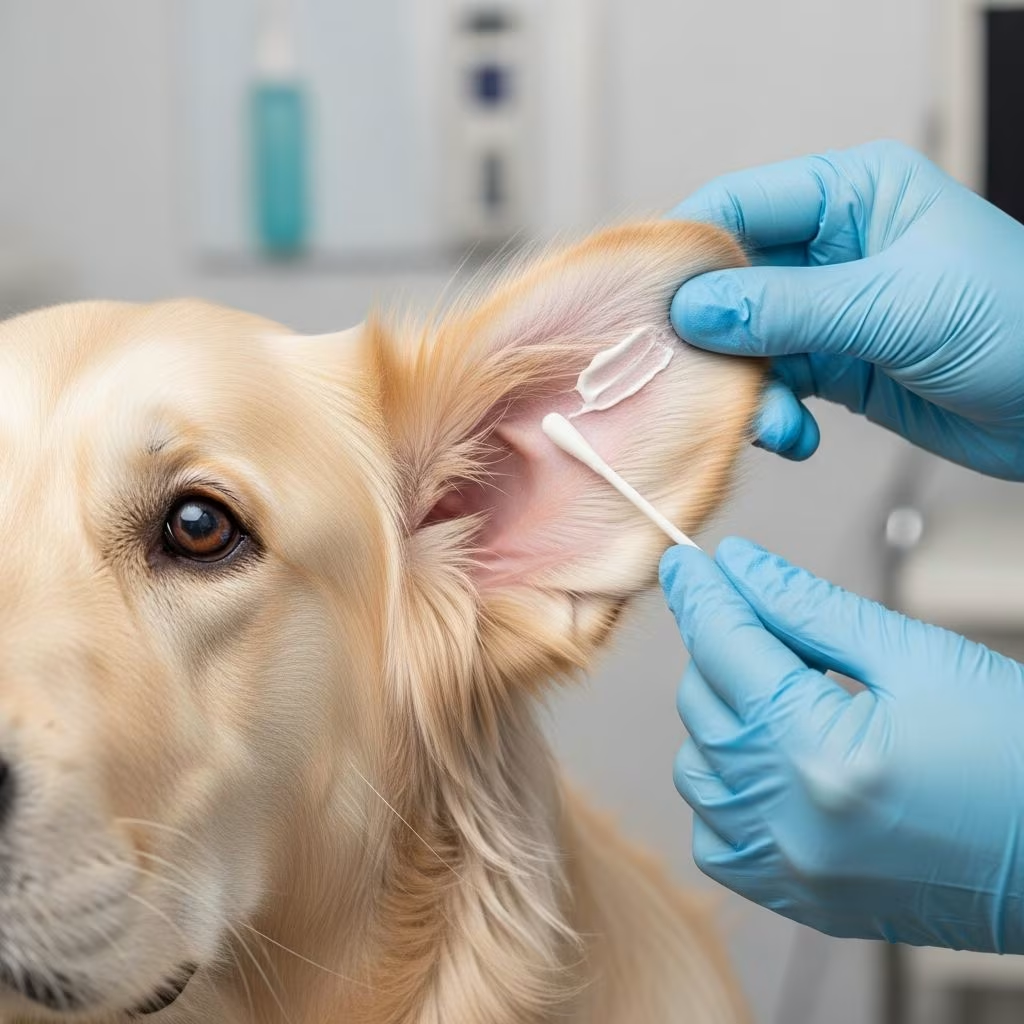
Pet owners often seek quick fixes for common canine ailments like yeast overgrowth in ears or on skin, turning to human medications such as Monistat. While its active ingredient shows promise against fungi, professional guidance is essential to avoid complications. This article examines its potential uses, drawbacks, and better strategies for managing these infections effectively.
Recognizing Yeast Overgrowth in Dogs
Yeast infections thrive in warm, moist environments, making dogs with floppy ears or frequent water exposure particularly susceptible. Common sites include ear canals, paws, and skin folds. Early detection prevents escalation into chronic problems.
- Ear symptoms: Persistent shaking, reddish inflammation, waxy brown discharge with a musty odor resembling corn chips.
- Skin indicators: Greasy patches, intense itching leading to hair loss, thickened skin, or foul-smelling lesions.
- Paw signs: Redness between toes, constant licking, cracked pads, or a yeasty smell after baths.
Underlying factors like allergies, hormonal imbalances, or immune weaknesses often contribute, requiring holistic management beyond topical treatments.
How Monistat Works Against Fungal Growth
Monistat contains miconazole nitrate, an antifungal agent that disrupts yeast cell membranes, halting reproduction. Vets recognize its utility for Malassezia yeast, a frequent culprit in canine cases. However, it’s formulated for humans, demanding careful adaptation for pets.
Studies and clinical observations confirm miconazole’s efficacy topically in animals when applied correctly, but it targets fungi only—not bacteria or mites, which coexist in many infections.
Applying Monistat Safely to Dogs
For ears, a popular method mixes equal parts Monistat cream with hydrocortisone (1%) to reduce swelling and itch. Dilute with water for syringe application: 3-5 drops per ear, massaged in daily for 7-10 days. Clean ears first with a gentle cleanser to enhance penetration.
| Area | Mixture Ratio | Frequency | Notes |
|---|---|---|---|
| Ears | Monistat : Hydrocortisone 1:1 + water | Daily, 1 week min | Massage base; prevent licking |
| Paws/Skin | Monistat alone or diluted | 2x daily | Thin layer; cone if chewing |
Monitor for irritation; discontinue if worsening occurs. Never use without vet approval, as dosage varies by dog size and condition severity.
Potential Risks and Shortcomings
Despite availability, Monistat poses challenges. Its greasy texture stains fabrics and requires frequent reapplication. Cost adds up—$10+ per tube—plus hydrocortisone expenses. It lacks antibacterial action, failing mixed infections common in ears.
- Greasy residue complicates home use and cleaning.
- No relief for non-yeast causes like bacteria or allergies.
- Risk of resistance or contact dermatitis with prolonged use.
- Not sterile for deep canal application without guidance.
Sources emphasize veterinary consultation first, as self-treatment may mask serious issues like tumors or hypothyroidism.
Superior Alternatives for Fungal Control
Vet-preferred options outperform off-label creams. Hypochlorous acid sprays (e.g., pH-balanced antimicrobials) combat yeast and bacteria without steroids or antibiotics, safe if ingested.
These sprays dry quickly, odorless, and versatile for ears, hot spots, wounds, and paws. Priced at $15-20 for larger volumes, they offer better value.
Home Remedies with Caution
Simple kitchen solutions include cooled black tea rinses (antifungal tannins) mixed 3:1 with miconazole cream. Apple cider vinegar dilutions (1:10 with water) acidify skin but sting open wounds—test small areas first.
- Black tea + Monistat: Soothes and fights yeast.
- Vinegar soaks: For mild paw yeast; rinse after 5 mins.
- Coconut oil: Natural antifungal carrier, but monitor greasiness.
Preventing Recurring Yeast Problems
Proactive care curbs flare-ups. Dry ears post-swim with absorbent cloths. Maintain balanced diets low in carbs to starve yeast. Allergy testing identifies triggers like food or pollen.
- Weekly ear drying and inspection.
- Hypoallergenic shampoos monthly.
- Probiotics for gut-ear axis health.
- Trim hair in moist areas.
Breeds like Cocker Spaniels or Labs benefit most from routines.
When to Escalate to Professional Care
Home efforts fail if symptoms persist beyond a week, balance is lost, or discharge turns bloody/pus-filled. Vets perform cytology for accurate diagnosis, prescribing tailored drops like Claro or Posatex.
Chronic cases may need oral antifungals or allergy immunotherapy.
FAQs on Canine Yeast Management
Is Monistat safe for all dogs?
Not universally; consult vets for puppies, seniors, or multi-pet homes to avoid reactions.
Can yeast spread between pets?
Rarely directly, but shared bedding or grooming tools facilitate it—clean thoroughly.
How long until improvement?
3-5 days with correct treatment; full resolution in 2 weeks typically.
What if my dog licks the cream?
Miconazole has low oral toxicity, but use e-collars and wipe excess.
Are natural remedies enough alone?
For mild cases yes, but combine with vet checks for best outcomes.
References
- Miconazole Topical — VCA Animal Hospitals. 2023-01-15. https://vcahospitals.com/know-your-pet/miconazole-topical
- Effective Solutions for Dog Ear Yeast Infections — Creative Science. 2024-05-20. https://creative.science/education/dog-ear-yeast-infection-monistat-treatment
- Should You Use Monistat for Your Dog’s Ear Infection? — Animal Wellness Magazine. 2023-11-10. https://animalwellnessmagazine.com/monistat-for-ear-infection/
- Is it safe to use Monistat on my dog’s paws if they’re itchy? — Dial A Vet. 2024-02-28. https://www.dialavet.com/vet-answers/monistat-dogs-itchy-paws-35496
- How to Treat Dog Ear Infections at Home — Veterinary Secrets. 2023-07-12. https://veterinarysecrets.com/how-to-treat-dog-ear-infections-at-home-a-simple-kitchen-recipe/



