

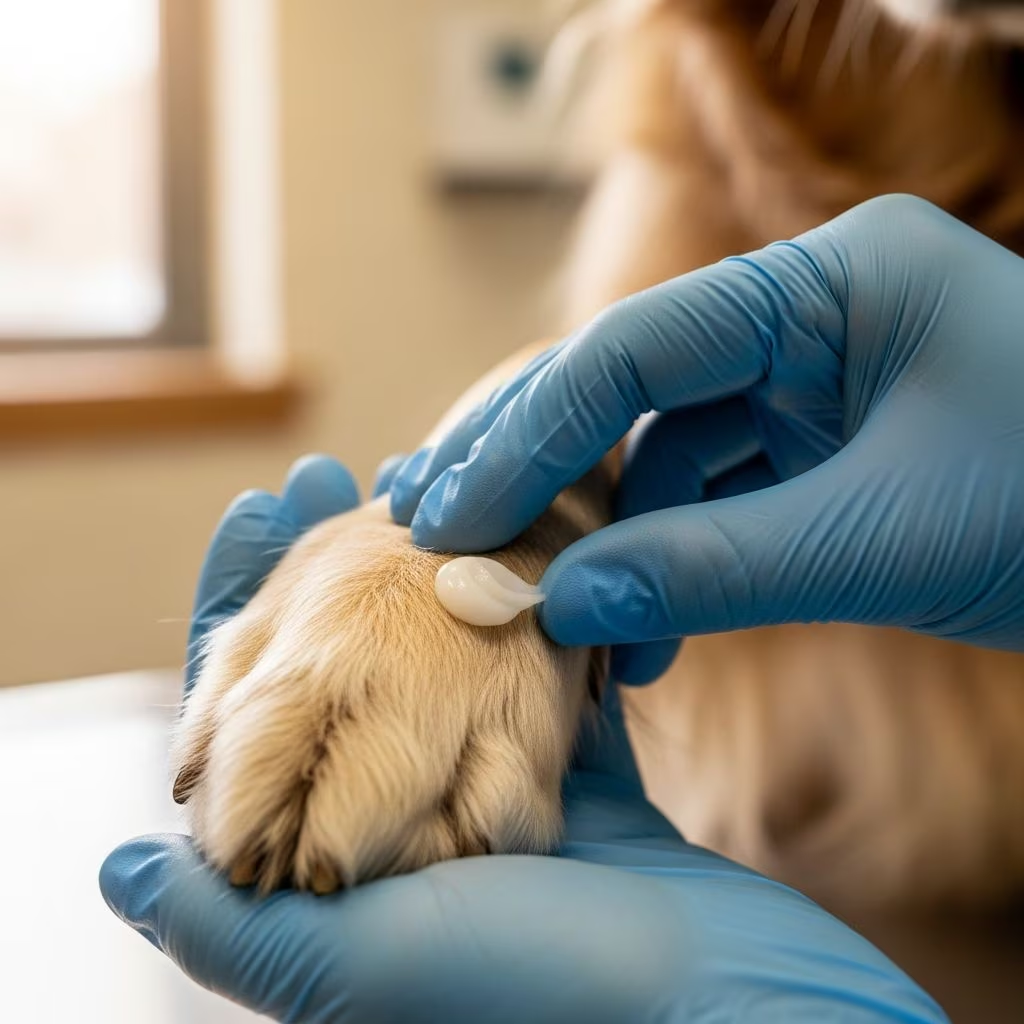
Dog paws endure constant exposure to rough surfaces, extreme temperatures, chemicals, and moisture, making hydration essential for their health and comfort. Properly moisturized pads prevent cracking, infections, and pain, allowing dogs to enjoy walks and play without discomfort.
Why Dog Paws Need Regular Hydration
Paw pads serve as shock absorbers, providing traction and protection during movement. Harsh conditions like hot asphalt in summer, icy sidewalks with de-icing salts in winter, or dry indoor heating can strip natural oils, leading to dryness, fissures, and vulnerability to bacteria. Breeds with thin pads or active lifestyles face higher risks, but all dogs benefit from proactive care to maintain pad integrity and overall mobility.
Neglecting hydration can escalate to limping, reluctance to walk, or secondary issues like pododermatitis. Early intervention with safe moisturizers restores suppleness and forms a barrier against irritants.
Recognizing Signs of Dry or Damaged Paws
Monitor for subtle changes during grooming or post-walk inspections:
- Rough, flaky texture on pads
- Cracks or splits, especially at edges
- Redness, swelling, or bleeding
- Licking or chewing paws excessively
- Limping or favoring one foot
If symptoms persist beyond a few days or worsen, consult a veterinarian to rule out allergies, infections, or autoimmune conditions.
Safe Topical Treatments for Hydration
Select products formulated for canine skin to avoid softening pads excessively, which increases injury risk on abrasive terrain. Apply sparingly after cleaning paws, massaging into pads and between toes.
Natural Oils and Vitamin E
Vitamin E oil penetrates deeply, delivering antioxidant benefits to soothe irritated skin without greasiness when used moderately. Derived from natural sources, it supports healing in dry pads but requires veterinary clearance, as excess intake may affect clotting factors.
Petroleum-Based Options
A thin layer of petroleum jelly creates an occlusive barrier, locking in moisture and shielding from cold or hot surfaces. Its affordability and availability make it ideal for occasional use, though clean up oily residues promptly to prevent slips indoors.
Specialized Canine Balms and Creams
Dog-specific paw balms blend emollients like shea butter and herbal extracts for targeted relief. These maintain pad toughness while hydrating, available in sticks for precise application. Opt for fragrance-free formulas to minimize sensitivities.
Protective Waxes for Extreme Conditions
Paw waxes, originally for sled dogs, form a breathable shield against snow, ice melt, grit, and scorching pavement. Rub on before outings; they harden slightly for durability yet allow flexibility.
Comparing Popular Paw Care Products
| Product Type | Best For | Pros | Cons | Application Frequency |
|---|---|---|---|---|
| Vitamin E Oil | Mild dryness, healing | Natural, absorbs quickly | Vet approval needed | 1-2x daily |
| Petroleum Jelly | Quick protection | Cheap, multi-use | Oily residue | As needed |
| Dog Paw Balm | Daily maintenance | Pet-safe ingredients | Costlier | Daily |
| Paw Wax | Weather extremes | Durable barrier | May attract dirt | Before exposure |
DIY Recipes for Homemade Paw Treatments
Craft custom balms with pantry staples for cost-effective care. Always patch-test on a small area first.
Simple Coconut Oil Balm
Melt coconut oil and store in a shallow container. Its antimicrobial properties combat bacteria in cracks. Apply chilled portions daily for soft results after consistent use.
Advanced Beeswax Blend
Combine 2 oz olive or almond oil, 2 oz coconut oil, 1 oz shea butter, and 4 tsp beeswax in a double boiler. Stir until blended, pour into tins, and cool. This yields a firm balm lasting 1-2 years, perfect for preventive rubs or nose care too.4
Preparation Steps:
- Weigh ingredients accurately.
- Heat gently over low flame.
- Pour into sterilized containers.
- Label with date and store cool.
Seasonal Strategies for Paw Protection
Summer Heat Defense
Asphalt can exceed 120°F (49°C), burning pads. Test pavement with your hand; if too hot for 5 seconds, shorten walks to grass or use booties with wax underneath.
Winter Salt and Ice Safeguards
De-icing salts irritate and dry pads, causing cracks that sting. Wipe paws post-walk with warm water, then moisturize. Wax repels salts effectively.
Year-Round Indoor Care
Low humidity from heaters or AC exacerbates dryness. Incorporate paw soaks in Epsom salt water (15-20 minutes daily) for healing cuts, followed by antibiotic ointment and balm if needed.3
Integrating Paw Care into Grooming Routines
Make hydration habitual:
- Trim fur between toes to prevent mats using olive oil for loosening.
- Inspect weekly during baths.
- Use booties for seniors needing traction, punching holes for ventilation.
- Combine with nail trims for full foot health.
Avoid over-moisturizing firm pads, as softness heightens tear risks.
Advanced Treatments and When to Seek Help
For severe cracks, veterinarians may recommend medicated soaks or prescription topicals. Persistent issues signal deeper problems like zinc deficiency or pemphigus—prompt exams prevent complications.
Frequently Asked Questions
Can I use human lotion on dog paws?
No—ingredients like alcohols soften pads dangerously and may be toxic if licked.
How often should I moisturize paws?
Daily for dry conditions; weekly for maintenance, adjusting per environment.
Is Bag Balm safe for dogs?
Yes, in moderation for soothing cracks, as vet teams endorse it.3
What if my dog licks off the moisturizer?
Choose lick-safe formulas or distract with a toy during absorption (10-15 minutes).
Do booties replace moisturizers?
No—combine for best protection; booties prevent contact, balms heal existing damage.
References
- How to Properly Care for Your Dog’s Paw Pads — Preventive Vet. 2023. https://www.preventivevet.com/dogs/how-to-properly-care-for-your-dogs-paw-pads
- How to Make Your Own Dog Paw Balm — American Kennel Club. 2024. https://www.akc.org/expert-advice/lifestyle/how-to-make-your-own-paw-balm-for-winter/
- Protect Your Dog’s Paws with Paw Wax — Preventive Vet. 2023. https://www.preventivevet.com/dogs/how-to-properly-care-for-your-dogs-paw-pads
- DIY Dog Paw Balm Recipe — American Kennel Club. 2024. https://www.akc.org/expert-advice/lifestyle/how-to-make-your-own-paw-balm-for-winter/



