

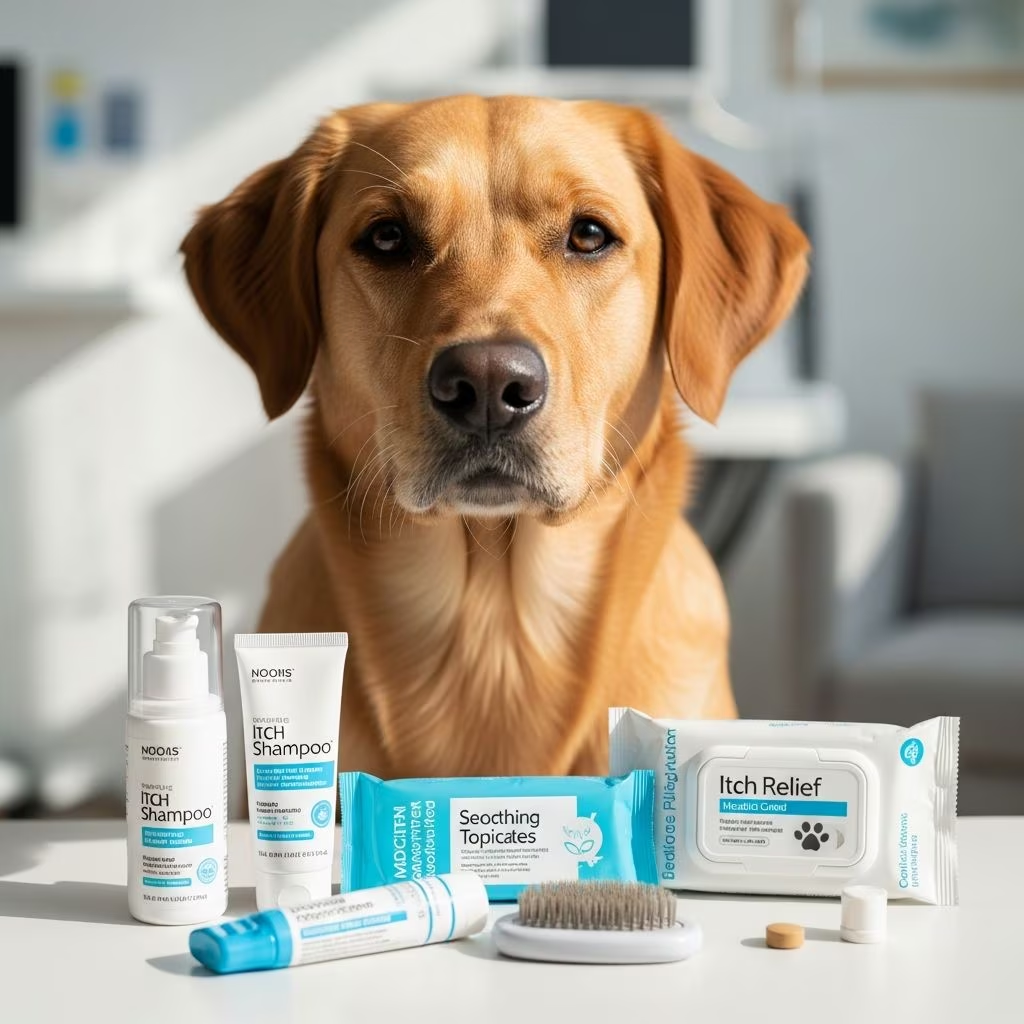
Allergic skin conditions represent one of the most common health challenges veterinarians encounter in canine practice. Dogs suffering from environmental allergies, food sensitivities, or atopic dermatitis often experience debilitating itching that significantly diminishes their quality of life. Traditional management approaches using antihistamines and corticosteroids have provided limited relief for many patients, prompting the development of more sophisticated pharmaceutical interventions. This comprehensive guide explores the latest prescription-strength solutions that have transformed how veterinarians approach canine allergy management.
Understanding Canine Allergic Dermatitis and Its Impact
Allergic dermatitis in dogs manifests through various mechanisms, including environmental sensitivities to pollen, dust mites, and mold, as well as food-related reactions. The condition triggers an inflammatory cascade that results in chronic itching, which frequently leads to secondary bacterial or yeast infections through constant scratching and self-trauma. The resulting skin damage compounds the problem, creating a cycle that becomes increasingly difficult to manage with conventional treatments alone.
Dogs with allergic skin disease often experience behavioral changes due to discomfort, including restlessness, sleep disruption, and reduced engagement with their owners. The psychological toll on pet owners who witness their companions’ suffering cannot be overstated, as many traditional medications either fail to provide adequate relief or produce unwanted side effects that affect the dog’s overall wellbeing.
Oral Prescription Medications: Revolutionary Approaches to Itch Control
Mechanisms of Action in Modern Allergy Therapy
Contemporary prescription medications utilize targeted pharmacological mechanisms that distinguish them fundamentally from older treatment classes. Rather than simply suppressing immune function broadly, these newer agents work by interrupting specific inflammatory pathways responsible for itching sensations. This targeted approach allows veterinarians to provide effective relief while minimizing the systemic side effects associated with corticosteroids or antihistamines.
The development of these medications represents a significant advancement in veterinary dermatology, as they address the root mechanisms driving allergic responses rather than merely masking symptoms.
Oclacitinib: A Breakthrough in Rapid Itch Relief
Oclacitinib represents one of the first medications specifically designed to interrupt the itch-inflammation cycle in dogs. This oral medication functions by selectively targeting immune pathways involved in allergic responses, providing measurable relief within 4 to 48 hours of administration. The rapid onset of action addresses one of the primary frustrations with traditional treatments—the need to wait weeks for symptom improvement.
The medication comes in both tablet and chewable formulations, allowing veterinarians to select administration methods based on individual dog preferences and owner capabilities. Typical dosing protocols involve twice-daily administration for initial management, followed by transition to maintenance dosing schedules tailored to each patient’s response.
- Onset of action: 4 to 48 hours
- Initial dosing: Twice daily for 2 weeks
- Long-term management: Customized maintenance schedules
- Available formats: Tablet and chewable formulations
Veterinarians often recommend this medication as part of comprehensive long-term allergy management plans, frequently in conjunction with environmental modifications or dietary adjustments. Dogs with severe allergies may require additional treatments alongside this medication to achieve optimal comfort levels.
Cyclosporine: Extended-Duration Anti-Inflammatory Action
Cyclosporine offers an alternative approach to oral allergy management, particularly for dogs with atopic dermatitis who may not respond optimally to other medications. This immunosuppressive agent reduces both itching and inflammation by modulating immune responses at the cellular level.
The timeline for cyclosporine therapy differs significantly from oclacitinib, as therapeutic benefits typically develop over several weeks. This extended timeframe requires patient commitment and close veterinary monitoring, but the results often justify the initial investment in treatment initiation. Once therapeutic levels are achieved, many dogs experience sustained relief allowing for quality-of-life improvements.
Injectable Immunological Treatments: Precision Medicine for Allergic Dogs
Monoclonal Antibody Therapy and Itch Signal Interruption
Injectable immunological treatments represent perhaps the most innovative advancement in canine allergy therapy. These medications employ biologically engineered antibodies that mimic natural immune components, providing highly targeted intervention at the molecular level. Unlike broad-spectrum immunosuppressants, these agents work by neutralizing specific itch-signaling molecules before they reach the brain, effectively interrupting the itching sensation at its source.
This mechanism represents a fundamental shift in allergy treatment philosophy, moving from symptom suppression toward signal interception. The precision of this approach minimizes unnecessary immune suppression, potentially reducing the risk of infections or other systemic complications associated with broader immunological interventions.
Lokivetmab: Advanced Biological Treatment
Lokivetmab functions as a monoclonal antibody specifically engineered to neutralize inflammatory mediators responsible for allergic itching in dogs. Administered as subcutaneous injections, this treatment provides long-lasting relief with injection intervals typically spanning four weeks, though some dogs demonstrate extended responsiveness allowing for longer spacing between treatments.
The injection schedule offers practical advantages over daily oral medications, particularly for owners who struggle with consistent medication administration. The longer duration between treatments may also reduce overall medication burden for pet owners managing multiple health conditions.
Clinical outcomes with lokivetmab demonstrate significant improvements in quality of life, with dogs experiencing reduced itching that allows for normalized sleep patterns, increased activity engagement, and resolution of secondary skin infections resulting from chronic scratching.
Comparative Effectiveness and Treatment Selection Criteria
Evaluating Treatment Options for Individual Patients
Selecting appropriate allergy management strategies requires comprehensive evaluation of multiple factors specific to each patient. Veterinarians must consider the dog’s age, concurrent health conditions, severity of allergic symptoms, owner compliance capabilities, and financial constraints when determining optimal treatment approaches.
| Treatment Type | Administration Method | Onset Timeline | Treatment Frequency | Primary Use Case |
|---|---|---|---|---|
| Oclacitinib | Oral tablet/chew | 4-48 hours | Daily dosing | Moderate to severe acute flare-ups |
| Cyclosporine | Oral capsule | 2-4 weeks | Daily dosing | Chronic atopic dermatitis |
| Lokivetmab | Subcutaneous injection | 24-48 hours | Every 4+ weeks | Long-term management preference |
| Allergen-specific immunotherapy | Injection or sublingual | Months | Ongoing schedule | Environmental allergy confirmation |
Combination Therapy Approaches
Many veterinarians recognize that comprehensive allergy management often requires combining multiple therapeutic modalities rather than relying on single agents. Dogs with severe allergies may benefit from concurrent use of injectable treatments for ongoing symptom control while incorporating oral medications during acute flare-up periods.
Environmental management, including allergen reduction strategies and specialized bathing protocols, frequently enhances pharmaceutical interventions. Dietary modifications for dogs with concurrent food sensitivities may also improve overall outcomes when integrated into comprehensive treatment plans.
Emerging Treatments and Recent Developments
Next-Generation Itch Management Options
Recent pharmaceutical developments have introduced additional options for veterinarians managing canine allergies. Newer agents demonstrate improved efficacy profiles and potentially reduced side effect burdens compared to earlier formulations. Some novel medications achieve clinical remission of itching in substantially higher percentages of treated dogs, offering hope for patients previously resistant to conventional therapies.
The competitive landscape among allergy medications continues driving innovation, with pharmaceutical manufacturers developing increasingly sophisticated compounds targeting specific immune pathways. This competitive environment benefits dogs requiring allergy management, as enhanced efficacy and improved safety profiles become standard offerings.
Integration of Immunotherapy in Comprehensive Plans
Allergen-Specific Immunotherapy for Long-Term Management
For dogs with confirmed environmental allergies, allergen-specific immunotherapy offers a disease-modifying approach that addresses underlying allergic sensitivity rather than merely controlling symptoms. This treatment involves gradual exposure to incrementally increasing allergen concentrations, allowing the immune system to develop tolerance over extended periods.
Immunotherapy may be administered through injection protocols (subcutaneous immunotherapy) or as sublingual preparations (sublingual immunotherapy). The sublingual approach offers convenience advantages, as owners can administer treatment at home rather than requiring frequent veterinary clinic visits.
Success with immunotherapy requires commitment to long-term treatment, often spanning years, but many dogs achieve significant symptom reduction or complete remission of allergic responses. The disease-modifying nature of this approach distinguishes it from symptomatic treatments, potentially offering permanent improvement in allergic sensitivity.
Practical Considerations for Pet Owners
Managing Treatment Expectations and Timelines
Pet owners must understand that different medications operate on distinct timelines requiring appropriate expectation management. Oral medications like oclacitinib provide rapid relief suitable for acute flare-up management, while cyclosporine and immunotherapy require extended periods before demonstrating clinical improvement.
Injectable treatments like lokivetmab offer intermediate timelines with onset occurring within one to two days, positioning them as practical options for dogs requiring quick symptom control without daily medication administration burdens.
Cost Considerations and Treatment Accessibility
Financial implications of various allergy treatments differ substantially. Daily oral medications represent ongoing costs, while periodic injectable treatments may offer better long-term value for owners managing chronic conditions. Veterinarians should discuss cost-benefit analyses when presenting treatment options, allowing owners to make informed decisions aligned with their financial capacities and treatment preferences.
Some dogs may benefit from seasonal allergy management approaches, using intensive treatment during peak allergy seasons rather than year-round protocols, potentially reducing overall treatment costs.
Monitoring and Treatment Optimization
Assessing Treatment Response and Adjusting Protocols
Veterinary oversight remains essential throughout allergy treatment management. Regular reassessments determine whether selected medications provide adequate symptom control or require dosage adjustments and protocol modifications. Dogs responding inadequately to initial therapies benefit from systematic evaluation of alternative approaches or combination strategies.
Monitoring for potential medication side effects ensures that selected treatments improve quality of life without introducing new health challenges. Some dogs may experience adverse reactions requiring medication discontinuation or substitution with alternative agents.
Frequently Asked Questions About Canine Allergy Medications
How quickly will my dog experience relief from prescription allergy medications?
Relief timelines vary significantly based on medication selection. Oclacitinib typically provides benefits within 4 to 48 hours, while cyclosporine requires 2 to 4 weeks for therapeutic effects. Injectable treatments like lokivetmab usually demonstrate benefits within 24 to 48 hours.
Can my dog require multiple allergy medications simultaneously?
Yes, many veterinarians recommend combination approaches for dogs with severe allergies. Multiple medications targeting different pathways often provide superior outcomes compared to single-agent therapy. Your veterinarian can determine appropriate combinations based on your dog’s specific condition.
Are prescription allergy medications safer than corticosteroids?
Newer prescription medications often demonstrate improved safety profiles compared to traditional corticosteroids. These targeted agents address specific inflammatory pathways rather than broadly suppressing immune function, potentially reducing systemic side effects. Your veterinarian can discuss specific safety considerations relevant to your dog’s health status.
How long will my dog need allergy medications?
Treatment duration depends on allergy type and underlying causes. Some dogs require ongoing symptomatic management, while others pursuing immunotherapy may achieve lasting improvement reducing or eliminating long-term medication needs. Your veterinarian will discuss realistic timelines specific to your dog’s condition.
What should I do if my dog doesn’t respond to prescribed allergy medication?
Inadequate response to initial therapies warrants veterinary reevaluation. Alternative medications, dosage adjustments, or combination approaches may prove more effective. Some dogs benefit from diagnostic testing identifying specific allergens enabling targeted immunotherapy approaches.
References
- Best Medications to Manage Allergy Symptoms in Dogs — Vetster. 2024. https://vetster.com/en/wellness/best-medications-to-manage-allergy-symptoms-in-dogs
- What Is the Best Allergy Medicine for Dogs? — GoodRx. 2024. https://www.goodrx.com/pet-health/dog/best-allergy-medicine-for-dogs
- New Canine Itch Medication: Interpreting Label Claims and Warnings — American Animal Hospital Association (AAHA). 2024. https://www.aaha.org/newstat/publications/new-canine-itch-medication-interpreting-label-claims-and-warnings/
- Comparison of Commonly Used Canine Anti-Allergy Medications — The Skin Vet. 2024. https://www.theskinvet.net/clients/allergic-dermatitis/comparison-of-commonly-used-canine-anti-allergy-medications/
- Best Antihistamines for Dogs with Allergies: Dosage Guide — Wyndly. 2024. https://www.wyndly.com/blogs/learn/best-antihistamine-for-dogs-with-allergies



