
Modern Epidemics in Animal Health
Exploring rising infectious diseases in pets and livestock, their zoonotic risks, and urgent needs for better surveillance and prevention strategies.
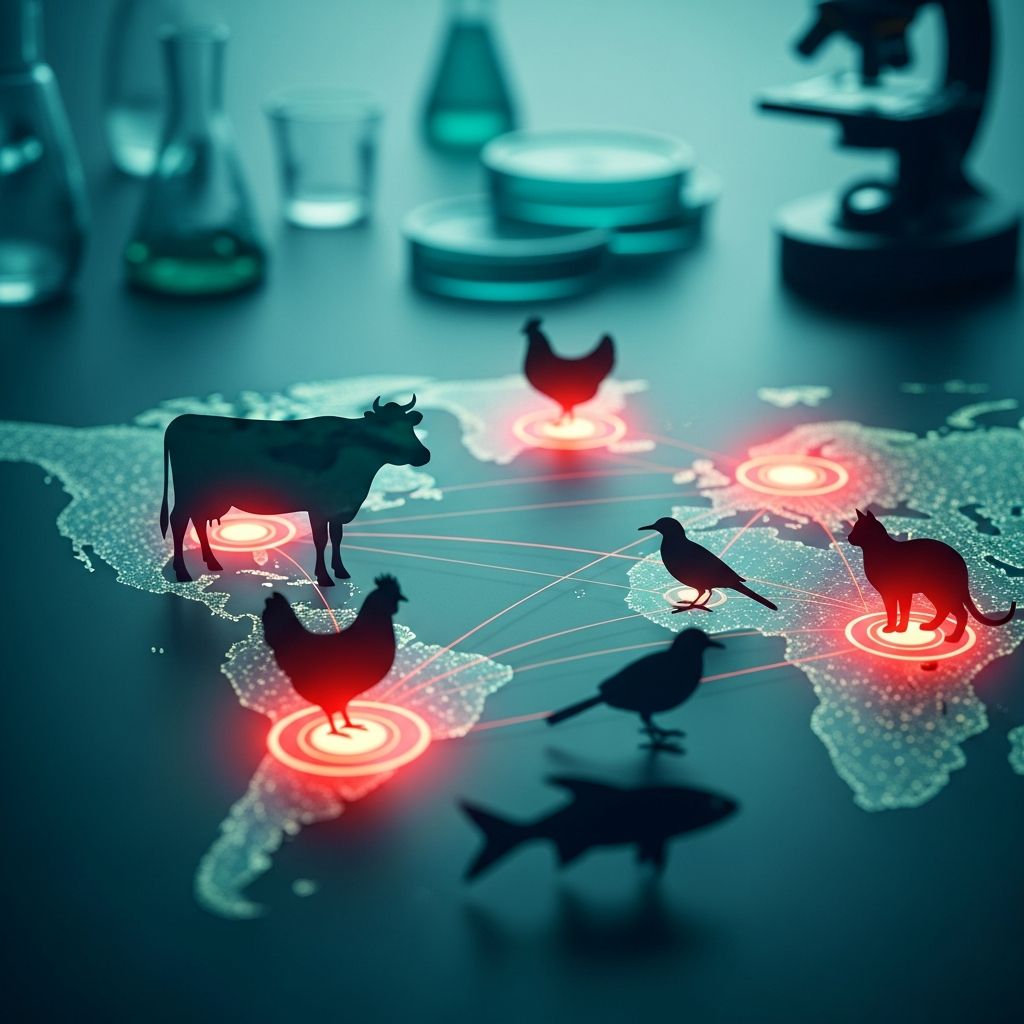
Companion animals, livestock, and wildlife face unprecedented health challenges from emerging pathogens that spread rapidly across species and borders. These epidemics not only threaten animal welfare but also pose significant zoonotic risks to humans and economic stability in agriculture.
Rising Zoonotic Threats from Companion Animals
Recent research identifies key viruses jumping from pets to people, underscoring the need for vigilant monitoring. Influenza D, first detected in 2011, now circulates widely among pigs, cattle, poultry, and deer, contributing to costly respiratory issues in livestock. Antibodies in up to 97% of cattle workers in certain U.S. regions indicate frequent human exposure, raising alarms about potential adaptation for human transmission.
Canine coronavirus (CCoV), traditionally causing gastrointestinal problems in dogs, has evolved with strains targeting human respiratory systems. Documented cases span Malaysia, Thailand, Vietnam, and Arkansas, including pneumonia-linked hospitalizations in Southeast Asia. Limited testing means the full extent remains hidden, amplifying the urgency for improved diagnostics.
Livestock Diseases Jeopardizing Food Systems
Production animals confront devastating outbreaks that could cripple economies. Foot-and-mouth disease (FMD) spreads via aerosols, contaminated objects, and movement in cloven-hoofed species like cattle and swine. An outbreak in dense U.S. systems might cost nearly $200 billion without vaccination.
African swine fever (ASF) delivers hemorrhagic fever with near-total mortality in pigs, lacking commercial vaccines. China’s 2018 losses equaled half its swine herd and $111 billion economically; U.S. projections hit $80 billion, worsened by feral hogs.
| Disease | Primary Hosts | Annual U.S. Cost Estimate | Key Challenges |
|---|---|---|---|
| Highly Pathogenic Avian Influenza (HPAI) | Poultry, Dairy Cattle | Billions (egg prices up 350% in 2025) | Multi-state spread, milk/egg impacts |
| Porcine Reproductive and Respiratory Syndrome (PRRS) | Swine | $1.2 billion | No cure, rising costs |
| Foot-and-Mouth Disease | Cattle, Swine | Up to $200 billion/outbreak | Rapid spread, trade bans |
| African Swine Fever | Swine | $80 billion projected | No vaccine, feral reservoirs |
Highly pathogenic avian influenza (HPAI) struck over 300 U.S. dairy herds by 2026, while PRRS drains $1.2 billion yearly from swine operations. These threats expose vulnerabilities in biosecurity and response coordination.
Parasitic and Vector-Borne Risks in Pets
Canine parasites persist as major concerns. The Companion Animal Parasite Council forecasts elevated risks for Lyme disease, ehrlichiosis, anaplasmosis, and heartworm across regions, driven by climate shifts and travel. Pet owners must prioritize preventives amid expanding tick and mosquito ranges.
Ethical Shifts in Animal Research Amid Epidemics
Studying these diseases involves animals, with trends toward welfare improvements. Ireland reported 112,000 animals in labs in 2024, up 5%, including dogs and ferrets, with 19,000 enduring severe suffering. Spain saw declining numbers but rising procedure severity.
2026 emphasizes the 3Rs (Replacement, Reduction, Refinement). The FDA Modernization Act eliminates mandatory animal testing for drugs, boosting New Approach Methodologies (NAMs) like organ-on-chips and AI models. Advanced imaging and wearables refine studies, yielding deeper disease insights with fewer animals.
Top Health Priorities for 2026
Morris Animal Foundation highlights pressing threats, advocating innovative solutions like genetics and biologics to combat outbreaks. Veterinary trends include AI for diagnostics, addressing burnout, and new roles in surveillance.
- Enhanced Surveillance: Deploy rapid tests for emerging viruses like CCoV and influenza D.
- Biosecurity Investments: Stockpile vaccines for FMD and ASF; train vets in early detection.
- Zoonotic Prevention: Monitor human-animal interfaces in farms and homes.
- Research Innovation: Accelerate NAMs to reduce animal use while advancing knowledge.
- Global Coordination: Harmonize responses to transboundary diseases.
Strategies for Prevention and Control
Pet owners should vaccinate, use parasite preventives, and report symptoms promptly. Livestock producers need robust biosecurity: quarantine, disinfection, and movement tracking. Governments must fund vaccine banks and research, as fragmented systems invite disaster.
Addressing root causes like high-density farming and wildlife contact is crucial. Climate change expands vectors, demanding adaptive measures.
FAQs
What are the biggest emerging threats to dog health?
Evolving canine coronavirus strains pose respiratory risks, alongside persistent parasites like heartworm and Lyme.
How do livestock epidemics affect food prices?
Outbreaks like HPAI drove U.S. egg prices to 350% of prior levels; ASF could slash pork supply.
Are animal viruses jumping to humans?
Yes, influenza D shows high seroprevalence in workers; CCoV linked to human pneumonia cases.
What changes are coming to animal research?
FDA shifts allow non-animal methods; focus on 3Rs and NAMs reduces reliance on live models.
How can I protect my pets from these epidemics?
Maintain vaccinations, use preventives, avoid high-risk areas, and consult vets regularly.
References
- Emerging Respiratory Virus Threats from Influenza D and Canine Coronavirus HuPn-2018 — Gregory C. Gray et al, Emerging Infectious Diseases. 2026-01. https://medicalxpress.com/news/2026-02-emerging-animal-viruses-potential-global.html
- The Diseases That Could Break the Food System: 5 Livestock Threats Every Vet Needs to Know — Vet Candy. 2026-01-02. https://www.myvetcandy.com/blog/2026/1/2/the-diseases-that-could-break-the-food-system-5-livestock-threats-every-vet-needs-to-know
- Animal Research News Roundup: January 9, 2026 — Rise for Animals. 2026-01-09. https://riseforanimals.org/news/news-jan-9-2026/
- 2026 Annual Pet Parasite Forecasts — Companion Animal Parasite Council. 2026. https://capcvet.org/articles/2026-annual-pet-parasite-forecasts/
- Top Trends in In Vivo Animal Studies for 2026 — ModernVivo. 2026. https://www.modernvivo.com/post/in-vivo-animal-studies-trends
Similar Articles








Read full bio of medha deb


