

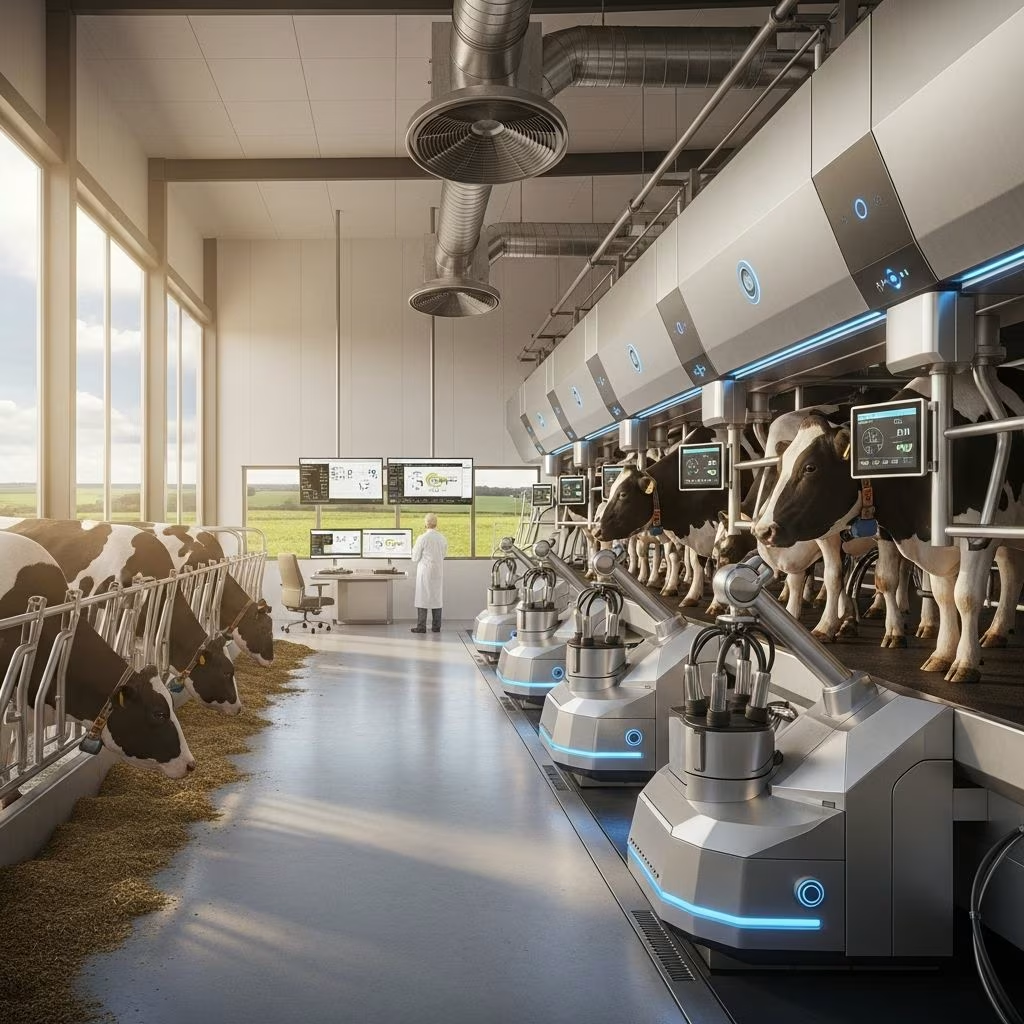
The dairy sector has undergone profound changes, driven by technological innovations, heightened focus on animal welfare, and shifting consumer preferences toward health and sustainability. Today, dairy operations balance high-output production with ethical practices, ensuring profitability while meeting global demands for nutritious, eco-friendly products.
Foundations of Contemporary Dairy Farming
At its core, modern dairy farming revolves around optimizing cow health and productivity. Herds are managed in specialized facilities where environment, feeding, and veterinary care are precisely controlled. High-yielding breeds like Holsteins dominate, producing vast milk volumes through selective breeding and rigorous health protocols. Key to success is preventing diseases such as mastitis and lameness, which directly impact output and animal well-being.
- Breeding Strategies: Genetic selection emphasizes milk yield, fertility, and disease resistance.
- Housing Designs: Freestall barns with rubber flooring reduce injury risks and improve comfort.
- Monitoring Tools: Wearable sensors track activity, rumination, and health metrics in real-time.
These elements form the backbone of efficient operations, allowing farms to sustain large-scale production without compromising quality.
Nutrition and Feeding Innovations
Balanced rations are pivotal for dairy cow performance. Total mixed rations (TMR) combine forages, grains, and supplements to meet energy, protein, and mineral needs across lactation stages. Precision feeding minimizes waste and boosts feed efficiency, critical amid rising input costs.
| Lactation Stage | Key Nutritional Focus | Typical Ration Components |
|---|---|---|
| Early Lactation | High energy for peak milk | Corn silage, alfalfa, concentrates |
| Mid-Lactation | Maintain yield and body condition | Balanced forages and proteins |
| Dry Period | Support fetal growth, udder health | Low-energy dry cow rations |
Recent advancements include rumen-protected amino acids and probiotics, enhancing digestion and milk composition. Water access, often overlooked, is vital—cows consume 30-50 gallons daily, influencing intake and thermoregulation.
Health Management Protocols
Proactive health strategies prevent outbreaks and optimize longevity. Vaccination programs target respiratory and reproductive diseases, while routine checks detect metabolic issues like ketosis early. Foot health receives special attention through regular trimming and baths to combat digital dermatitis.
Milk quality hinges on somatic cell count (SCC) control, achieved via post-milking teat dips and dry cow therapy. Low SCC ensures premium pricing and consumer safety. Reproduction management employs synchronization protocols and sexed semen, shortening calving intervals to 12-13 months ideally.
Sustainability Driving Dairy Transformation
Sustainability is no longer optional; it’s a market imperative. Regenerative agriculture restores soil health through cover crops and rotational grazing, sequestering carbon and improving resilience. Methane mitigation technologies, like feed additives, reduce emissions by up to 30%.
Water conservation via recycling systems and precision irrigation cuts usage significantly. Manure management converts waste into biogas and fertilizer, closing nutrient loops. Certifications like Certified Humane validate welfare standards, appealing to ethically minded buyers.
Visual: Diagram showing dairy farm carbon footprint reduction strategies.
Technological Integration in Operations
Automation revolutionizes milking with robotic systems that milk cows on demand, reducing labor and stress. Data analytics from herd management software predict health events and optimize breeding. AI aids in ration formulation, tailoring feeds to individual needs via smart collars.
- Robotic Milkers: Increase throughput, monitor udder health.
- Activity Monitors: Detect heat, illness early.
- Automated Feed Pushers: Ensure bunk access.
These tools enhance precision, with farms adopting them seeing 10-15% productivity gains.
Navigating Global Market Dynamics
The dairy market projects growth from $1,063 billion in 2026 to nearly $2,000 billion by 2034, fueled by population rises and protein demand. High-protein products like yogurt and cottage cheese surge, boosted by GLP-1 medications emphasizing satiety.
Exports strengthen, particularly to Asia, while domestic retail sales climb. Challenges include plant-based alternatives capturing lactose-intolerant shares, prompting dairy firms to launch low-lactose innovations.
Consumer Trends Reshaping Products
Buyers prioritize holistic health—gut support via probiotics, mood benefits from fermented items, and sustainability. Whole-milk dairy gains traction as research affirms its matrix benefits, countering past fat fears.
Snacking trends favor portable, functional dairy: protein shakes, kefir shots. Emotional appeal—comfort from cheese, joy in indulgences—drives loyalty. Younger cohorts demand traceability and regenerative sourcing.
Future-Proofing Dairy Enterprises
To thrive, producers invest in skills training and diversify into value-added products. Collaborations with processors yield functional foods aligning with wellness booms. Policy support for sustainable practices aids transitions.
Risk management via futures contracts hedges milk price volatility. Resilience against climate shifts demands adaptive genetics and infrastructure.
Frequently Asked Questions (FAQs)
What are the biggest challenges in modern dairy farming?
Labor shortages, feed costs, environmental regulations, and disease control top the list, addressed through technology and best practices.
How does sustainability impact dairy profitability?
Initial investments yield long-term savings in resources and access to premium markets, enhancing brand value.
Are plant-based alternatives threatening dairy?
They capture niches but dairy’s nutritional superiority in protein and bioactives sustains growth via innovation.
What role does technology play in cow health?
It enables predictive care, reducing vet costs and boosting milk yields through real-time data.
Why is high-protein dairy trending?
Consumer focus on fitness, satiety, and GLP-1 compatibility drives demand for yogurt, cheese, and beverages.
Key Takeaways for Dairy Stakeholders
- Prioritize cow comfort for sustained production.
- Adopt precision nutrition to cut costs.
- Embrace regenerative practices for market edge.
- Leverage tech for efficiency gains.
- Innovate products for health trends.
References
- Five Trends Defining Dairy In 2026 — HART Design. 2026-01-01. https://hartdesign.com/industry-news/five-trends-defining-dairy-in-2026/
- Trends 2026 — Dairy Council of California. 2026-01-01. https://dairycouncilofca.org/what-we-do/trends/2026-trends
- 2026 trends in dairy, deli, bakery — Grocery Dive. 2026-01-01. https://www.grocerydive.com/spons/2026-trends-in-dairy-deli-bakery-from-homemade-comfort-to-new-adventure/808678/
- Top 5 trends shaping healthy dairy snacking — Dairy Reporter. 2026-01-19. https://www.dairyreporter.com/Article/2026/01/19/top-5-healthy-dairy-snacking-trends-in-2026/
- 2026 Dairy Market Deep Dive — Hoard’s Dairyman (YouTube). 2026-01-01. https://www.youtube.com/watch?v=j0Pj6u3-NYw
- Dairy Foods Market Size, Share | Industry Trends [2026-2034] — Fortune Business Insights. 2026-01-01. https://www.fortunebusinessinsights.com/dairy-foods-market-103890



