

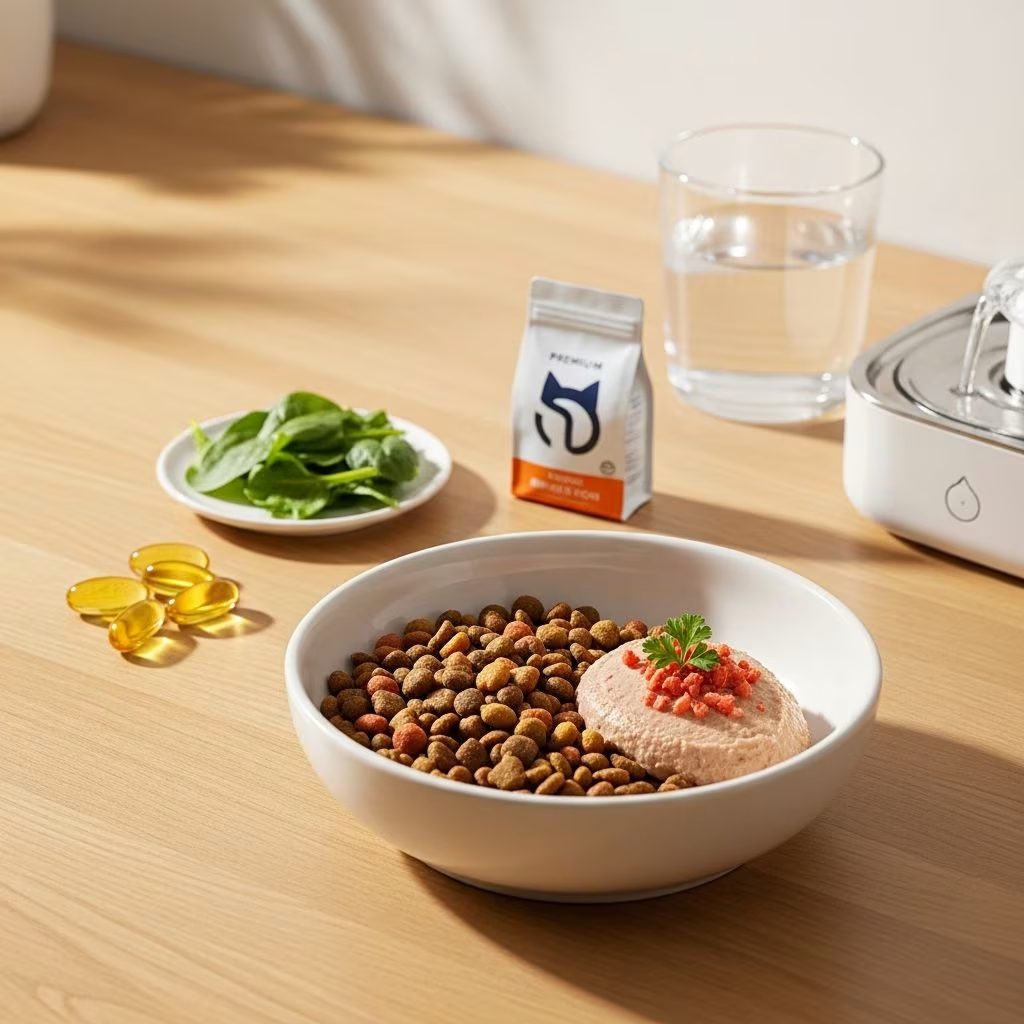
The Evolution of Feline Feeding Practices
The landscape of cat nutrition has undergone substantial transformation in recent years, reflecting changing attitudes toward pet care and shifting consumer expectations. Pet owners increasingly view their feline companions as family members deserving the same nutritional consideration given to human food choices. This perspective has catalyzed a wave of innovation in cat food formulation, ingredient sourcing, and feeding methodologies. Understanding these developments helps cat parents make informed decisions about their pets’ dietary needs and overall wellness.
Contemporary cat nutrition extends beyond basic sustenance to encompassing comprehensive health support. Manufacturers now formulate products targeting specific wellness concerns, from digestive function to immune resilience and cognitive support. This shift reflects broader recognition that nutrition plays a foundational role in preventing health complications and enhancing quality of life throughout a cat’s lifespan.
Ingredient Transparency and Quality Standards
One of the most significant shifts in cat food production involves ingredient visibility and sourcing practices. Pet owners demand comprehensive information about what enters their cats’ bowls, prompting manufacturers to provide detailed ingredient lists and sourcing documentation. This transparency movement extends beyond simple ingredient naming to encompassing production methods, supplier verification, and nutritional profiling.
High-quality ingredient selection has become a primary purchasing criterion for conscious pet parents. Rather than relying on generic protein sources, many formulations now feature whole, identifiable ingredients that maintain nutritional integrity throughout processing. The movement toward ingredient clarity directly supports consumer confidence and helps identify products suitable for cats with sensitivities or specific dietary requirements.
Whole Food Components and Minimal Processing
The preference for whole ingredients reflects understanding that processing techniques significantly impact nutritional availability. Whole food components retain their natural nutrient profiles, enzymes, and beneficial compounds that processing can diminish or eliminate. Manufacturers employing reduced-heat processing methods preserve vitamins, minerals, and amino acids that would otherwise degrade during traditional production approaches.
Minimal processing strategies maintain ingredient potency while ensuring food safety through alternative sterilization methods. This balance between nutritional preservation and pathogen elimination represents a key innovation area in contemporary cat food manufacturing.
Novel Protein Introduction and Allergen Management
Traditional cat foods have long relied on common protein sources such as chicken, beef, and fish. However, growing awareness of protein-related sensitivities has prompted expansion into alternative protein options. Novel proteins—those previously absent from a cat’s diet—present opportunities for cats experiencing adverse reactions to conventional sources.
Proteins including duck, rabbit, venison, bison, and lamb offer distinct nutritional profiles while reducing the likelihood of digestive complications in sensitive cats. These alternatives serve multiple purposes: addressing individual dietary restrictions, supporting sustainability goals, and providing nutritional variety that mirrors natural prey consumption patterns.
Hydrolyzed Protein Solutions
Beyond novel proteins, hydrolyzed protein technology addresses allergic responses through molecular breakdown. This processing technique reduces proteins to microscopic components that the digestive system recognizes differently, potentially bypassing immune triggers that cause negative reactions. For cats with persistent sensitivities unresponsive to ingredient changes, hydrolyzed protein formulations offer therapeutic alternatives.
Functional Nutrition for Targeted Health Support
Modern cat nutrition increasingly incorporates functional ingredients—components selected for specific health benefits beyond basic nutritional requirements. This category encompasses botanical extracts, specialized nutrients, and probiotic cultures designed to support particular physiological systems.
Digestive Health and Gut Microbiome Support
Prebiotics, probiotics, and postbiotics represent a significant functional nutrition category. These ingredients promote healthy bacterial populations within the digestive tract, enhancing nutrient absorption and supporting immune function. Prebiotic fibers feed beneficial bacteria, while probiotic cultures introduce beneficial organisms directly, and postbiotics provide the metabolic byproducts these organisms produce.
Omega Fatty Acids and Specialized Fats
Omega-3 and Omega-6 fatty acids support multiple physiological functions including cognitive development, skin health, coat quality, and joint flexibility. These essential fatty acids cannot be synthesized by feline bodies, requiring dietary inclusion. Contemporary formulations carefully balance these fatty acids to optimize their complementary benefits rather than emphasizing quantity alone.
Joint and Mobility Support
Aging cats and those with mobility concerns benefit from formulations incorporating joint-supportive compounds. Glucosamine, chondroitin, and collagen peptides promote cartilage health and reduce inflammation associated with degenerative joint conditions. Combined with appropriate exercise regimens, these nutritional components help maintain mobility and comfort throughout a cat’s senior years.
Immune Function Enhancement
Antioxidants, vitamins, and minerals specifically selected for immune support help cats maintain resistance to illness and infection. Vitamins E and C, selenium, and zinc play documented roles in immune cell function, while botanical extracts offer additional compounds with immunomodulatory properties.
Grain and Carbohydrate Reconsideration
The obligate carnivore nature of cats means their digestive systems evolved to process primarily animal-based proteins and fats. Traditional commercial cat foods often included grain fillers as cost-effective carbohydrate sources, but contemporary nutritional science questions this practice’s necessity and appropriateness.
Grain-free formulations have gained substantial market presence, reflecting the recognition that cats thrive without cereal grain inclusions. Alternative carbohydrate sources such as legumes, vegetables, and ancient grains provide fiber and micronutrients when carbohydrates are deemed beneficial for specific cats, while some premium formulations minimize carbohydrate inclusion entirely, more closely mirroring a cat’s natural dietary composition.
Raw and Homemade Feeding Approaches
A growing segment of pet parents explores raw and home-prepared diets, drawn by perceived health benefits and ingredient control. Raw feeding approaches attempt to replicate ancestral dietary patterns, emphasizing whole proteins, natural enzyme preservation, and minimal processing.
Homemade prepared diets offer complete ingredient transparency and customization for individual cat requirements. Pet parents preparing meals at home can exclude problematic ingredients, control fat levels, and adjust nutrient profiles based on veterinary guidance. However, ensuring nutritional completeness requires careful recipe development and regular veterinary consultation to prevent deficiencies.
Interactive Feeding and Bonding Through Nutrition
Beyond dietary composition, feeding methods themselves have evolved to strengthen pet-parent bonds and provide enrichment. Interactive treat formats and specialized feeding experiences transform nutrition into engagement opportunities rather than routine tasks.
Textured and Culinary-Inspired Formulations
Modern cat foods increasingly emphasize sensory experiences through varied textures and sophisticated flavor combinations. Refined pâtés, layered preparations, and artisanal presentations appeal to cats and their human companions alike, elevating feeding experiences beyond nutritional necessity to encompassing aesthetic and experiential dimensions.
Lickable Treat Innovations
Portable, interactive lick-based treats enable direct pet-parent-to-cat feeding interactions that strengthen relationships while delivering nutrition. These formats prove particularly effective for younger cat owners seeking engaging ways to bond with their feline companions, transforming treat time into quality interaction rather than simple consumption.
Sustainability Considerations in Cat Nutrition
Environmental consciousness increasingly influences pet food purchasing decisions, with a substantial majority of cat owners prioritizing sustainable sourcing and production practices. This trend drives manufacturers toward ingredient sourcing that minimizes environmental impact, packaging innovations that reduce waste, and supply chain transparency regarding ecological footprints.
Sustainable protein sources, reduced packaging materials, and ingredient efficiency all contribute to environmentally conscious cat nutrition choices. As consumer expectations continue evolving, manufacturers investing in sustainability initiatives position themselves to meet both ethical and practical concerns of forward-thinking pet parents.
Specialized Nutritional Support for Cats with Unique Needs
Beyond general population nutrition, contemporary products address specific life stages, health conditions, and individual sensitivities. Age-appropriate formulations support kittens’ growth requirements, adult cats’ maintenance needs, and senior cats’ changing physiological demands.
Allergen-Friendly Solutions
Cats with documented sensitivities receive support through limited-ingredient diets eliminating common allergens and problematic additives. These specialized formulations reduce inflammation, digestive distress, and systemic reactions while maintaining complete nutritional profiles necessary for health.
Weight Management Formulations
Feline obesity represents an increasingly common health challenge, prompting development of formulations supporting healthy weight maintenance. These products typically feature increased protein for satiety, reduced calories for deficit support, and specific ingredient selections promoting metabolic health.
Scientific Validation and Research-Backed Innovations
Distinguishing evidence-based nutritional innovations from marketing claims requires understanding scientific validation processes. Reputable manufacturers conduct research substantiating health claims, with some innovations backed by years of scientific investigation before market introduction.
Pet parents seeking trustworthy products benefit from identifying manufacturers sharing research methodologies, publishing results in peer-reviewed contexts, and openly discussing study parameters and limitations. This transparency builds confidence in product efficacy and supports informed decision-making.
Navigating Cat Food Selection: A Practical Framework
| Selection Factor | Key Considerations |
|---|---|
| Ingredient Quality | Whole, identifiable ingredients; minimal processing; transparent sourcing |
| Protein Sources | Primary animal proteins; appropriate for individual sensitivities; aligned with dietary preferences |
| Functional Components | Probiotics for digestion; omega fatty acids for skin/coat; joint support if applicable |
| Life Stage Alignment | Kitten, adult, or senior formulations; specific health condition support |
| Sensitivities | Elimination of known allergens; novel or hydrolyzed proteins as needed |
| Sustainability | Ethical sourcing; minimal environmental impact; responsible packaging |
Frequently Asked Questions About Contemporary Cat Nutrition
What distinguishes premium cat foods from standard formulations?
Premium formulations typically feature higher quality protein sources, whole ingredients, reduced fillers, and functional additions supporting specific health outcomes. These products often undergo more rigorous testing and contain fewer artificial additives and preservatives than conventional options.
Are grain-free diets necessary for all cats?
While cats lack biological requirements for grains, individual cats may tolerate grain-containing formulations without adverse effects. Grain-free formulations benefit cats with specific sensitivities or those whose owners prefer ancestral dietary composition alignment.
How can pet parents determine if their cat’s current diet requires adjustment?
Indicators for dietary reassessment include digestive issues, skin or coat problems, lethargy, weight fluctuations, or behavioral changes. Veterinary consultation helps identify whether nutritional factors contribute to observed changes and determines appropriate dietary modifications.
Is transitioning to premium formulations necessary?
Gradual transitions to higher-quality formulations benefit cats by allowing digestive systems to adapt while improving overall nutrition. Even modest quality improvements support long-term health outcomes, though individual cats thrive on formulations at different price and quality points.
What role should veterinarians play in feline nutrition decisions?
Veterinarians provide invaluable guidance regarding individual cat requirements, health condition management, and formulation selection. Regular consultations ensure nutritional approaches align with evolving health status and life stage requirements.
Looking Forward: The Future of Feline Nutrition
As scientific understanding of feline physiology deepens and consumer expectations continue evolving, cat nutrition will likely see continued innovation in functional ingredients, personalization approaches, and sustainable sourcing. The trajectory points toward increasingly sophisticated formulations supporting not merely survival but optimized wellness, longevity, and quality of life across diverse cat populations with varied needs and circumstances.
Pet parents equipped with nutritional knowledge and access to diverse, high-quality options can confidently navigate contemporary cat food markets, selecting formulations that align with their feline companions’ individual requirements and their own values regarding ingredient quality, sustainability, and evidence-based health support.
References
- Why 2026 is the “Year of the Cat” and what it means for pet retailers — Nestle Purina. 2026-01-13. https://www.supermarketnews.com/supplier-news/why-2026-is-the-year-of-the-cat-and-what-it-means-for-pet-retailers
- 10 Cat Food Trends to Watch in 2025 — Hepper. https://articles.hepper.com/cat-food-trends/
- Trends in Pet Food Ingredients: What’s Driving Demand in 2025 into 2026 — North Central Co. https://www.northcentralco.com/blog/trends-in-pet-food-ingredients-whats-driving-demand-in-2025-into-2026/
- Pet food in 2026: Premiumisation and ‘humanisation’ drives growth — Food Navigator. 2026-01-22. https://www.foodnavigator.com/Article/2026/01/22/pet-food-market-growth-in-2026/
- 2026 Pet Food Industry Trends — APEC USA. https://www.apecusa.com/blog/new-pet-food-trends-in-2026-and-how-to-prepare-for-them/
- The Future of Pet Wellness: Top Trends for 2026 — Scoular. https://www.scoular.com/solutions/pet-food-ingredients/future-pet-wellness-trends-2026/



