

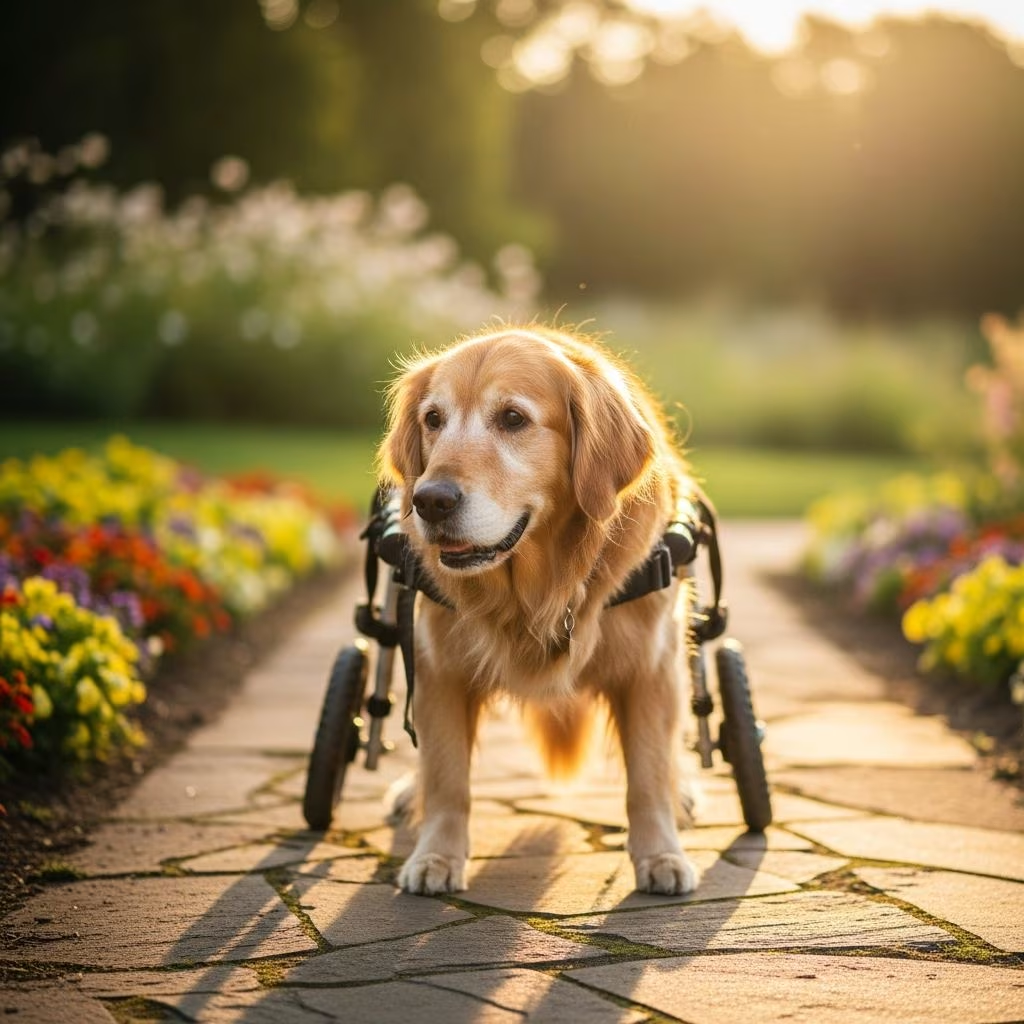
As dogs enter their senior years, physical limitations become increasingly apparent. Mobility challenges can significantly impact their quality of life, independence, and overall well-being. Fortunately, strategic home modifications and specialized mobility aids can help aging dogs navigate their environment more safely and comfortably. Understanding these solutions empowers pet parents to support their aging companions through this important life stage.
Understanding Mobility Challenges in Senior Dogs
Senior dogs experience numerous physical changes that affect their ability to move freely. Joint stiffness, muscle weakness, and age-related conditions like arthritis become more common as dogs age. These changes can make everyday activities—climbing stairs, jumping onto furniture, or entering vehicles—increasingly difficult and painful. Recognition of these challenges is the first step toward providing meaningful support.
The vertebral column, hip joints, and knee joints are particularly vulnerable to degenerative changes in aging dogs. Additionally, conditions such as hip dysplasia, which may have been manageable in younger years, often worsen significantly. Cognitive changes can also affect mobility, as senior dogs may become more cautious or disoriented when navigating familiar spaces.
The Role of Ramps in Senior Dog Mobility
Pet ramps represent one of the most effective mobility aids for senior dogs. These simple yet powerful tools reduce the strain placed on joints while allowing dogs to access higher surfaces independently. Ramps work by distributing a dog’s weight more evenly and requiring less explosive muscular effort compared to jumping or climbing stairs.
Ramps serve multiple purposes in a senior dog’s environment:
- Providing access to vehicles, which eliminates the need for dogs to jump into cars
- Enabling safe entry to beds and furniture without joint stress
- Creating pathways over outdoor obstacles like steps or decks
- Maintaining independence and confidence in familiar spaces
- Reducing the risk of falls and injuries from missed jumps
When selecting a ramp, consider the angle of incline carefully. A gentler slope requires less effort but takes up more space, while steeper ramps are more compact but demand more physical exertion. Most veterinarians recommend ramps with an incline between 20 and 30 degrees for optimal safety and ease of use.
Pet Stairs and Step Solutions
While ramps work well for vehicles and longer distances, pet stairs offer practical alternatives for furniture access. Lightweight, portable pet stairs can be positioned beside beds or couches, allowing dogs to climb gradually rather than jump. Unlike ramps, stairs are less visually intrusive and take up minimal floor space.
Pet stairs come in various configurations:
- Traditional step designs with 2-4 stairs for moderate heights
- Ramp-style stairs that combine both functionalities
- Foam or cushioned steps that reduce impact on joints
- Storage-integrated stairs that maximize functionality
- Adjustable height options to accommodate different furniture
The advantage of stairs lies in their ability to provide intermediate steps, allowing dogs to rest and regroup during the climbing process. This is particularly beneficial for dogs with significant mobility limitations or those recovering from surgery.
Creating a Senior-Friendly Home Environment
Beyond dedicated mobility aids, the overall home environment plays a critical role in supporting aging dogs. Environmental modifications can prevent falls, reduce stress on joints, and enhance daily comfort significantly.
Flooring Considerations
Hard flooring surfaces like tile and hardwood present particular challenges for senior dogs. These materials provide minimal traction, making movement unstable and increasing slip-related injuries. Applying non-slip rugs, yoga mats, or specialized non-slip adhesive patches can dramatically improve safety. Focus on high-traffic areas and transitions between rooms where dogs frequently navigate.
Bedding and Rest Areas
Quality bedding serves multiple purposes for aging dogs. Orthopedic beds with memory foam or other supportive materials reduce pressure on joints and muscles, promoting better sleep and faster recovery. Elevated beds can also ease the strain of lying down and getting up. The sleeping area should be positioned in a quiet, warm location away from drafts and household traffic to minimize stress and promote restful sleep.
Water and Food Bowl Positioning
Raising food and water bowls reduces the strain on a senior dog’s neck, spine, and front legs. Elevated feeders designed specifically for older dogs eliminate excessive bending and can ease digestion-related issues. The ideal height should align with the dog’s shoulders when standing in a natural posture.
Joint Support and Supplementation
While mobility aids address environmental barriers, joint support supplements can ease the underlying discomfort contributing to mobility challenges. Glucosamine and chondroitin are among the most researched supplements for canine joint health. These compounds support cartilage integrity and may reduce inflammation in aging joints.
Additional joint support strategies include:
- Omega-3 fatty acids from fish oil to reduce inflammation
- Turmeric or curcumin for anti-inflammatory benefits
- Green-lipped mussel extract containing natural joint compounds
- MSM (methylsulfonylmethane) for cartilage support
- Prescription medications when recommended by veterinarians
Always consult with a veterinarian before introducing supplements, as some may interact with existing medications or health conditions.
Exercise and Physical Activity for Senior Dogs
Contrary to common assumptions, senior dogs still require regular exercise. Low-impact activities help maintain muscle tone, support cardiovascular health, and improve joint flexibility. The key is adjusting exercise intensity and duration to match the individual dog’s capabilities and health status.
Appropriate senior dog exercise includes:
- Short, leisurely walks at a comfortable pace, typically 15-20 minutes twice daily rather than one longer walk
- Swimming or hydrotherapy, which provides excellent low-impact conditioning
- Gentle stretching or range-of-motion exercises
- Slow-paced interactive play appropriate to ability level
- Consistent but not strenuous daily movement
The principle of “motion is the lotion for their joints” emphasizes that movement, even in modest amounts, supports circulation and joint health. However, exercise should never cause visible pain or excessive limping. If a dog shows signs of discomfort, veterinary guidance becomes essential.
Nutrition and Weight Management
Excess weight places additional stress on aging joints, making weight management a critical component of mobility support. Senior dogs typically require fewer calories than younger counterparts, yet they benefit from high-quality, nutrient-dense food rich in protein and joint-supporting nutrients.
Optimal nutrition for senior dogs includes:
- High-quality protein sources to maintain muscle mass
- Lower overall calorie content to prevent weight gain
- Essential vitamins and minerals for bone and joint health
- Omega fatty acids for inflammation reduction
- Digestive support ingredients for aging digestive systems
Feeding strategies matter as much as food quality. Smaller portions served more frequently support better digestion and maintain stable energy levels throughout the day.
Veterinary Care and Monitoring
Regular veterinary supervision becomes increasingly important as dogs age. The American Veterinary Medical Association recommends that senior dogs see a veterinarian at least twice yearly, with some requiring more frequent visits depending on health status. These frequent check-ups allow early detection of mobility-limiting conditions before they significantly impact quality of life.
Veterinary assessments should include:
- Physical examination focusing on gait and joint function
- Baseline and follow-up radiographs when appropriate
- Blood work to identify systemic conditions affecting mobility
- Assessment of pain levels and mobility limitations
- Recommendations for targeted interventions
Mental and Emotional Well-being
Mobility limitations can impact a senior dog’s mental health and emotional stability. Dogs that become frustrated or anxious due to physical limitations may develop behavioral changes. Maintaining mental engagement through appropriate activities supports overall well-being and can actually improve perceived mobility.
Mental enrichment strategies include:
- Interactive toys suited to limited mobility
- Puzzle feeders to maintain cognitive engagement
- Gentle training or skill refresher sessions
- Calm, structured routines that provide security
- Increased attention and comfort during periods of anxiety
Specialized Mobility Aids Beyond Ramps and Stairs
Modern pet care offers numerous additional mobility solutions tailored to specific needs:
| Mobility Aid | Primary Benefit | Best For |
|---|---|---|
| Harnesses with handles | Support and stability during walking | Dogs with moderate to significant weakness |
| Slings or support wraps | Assist rear or front limb movement | Dogs with specific limb weakness |
| Wheeled carts or cages | Complete rear limb support | Dogs with severe rear limb paralysis |
| Orthopedic collars | Neck and spine support | Dogs with cervical issues |
| Underwater treadmills | Therapeutic low-impact exercise | Dogs with arthritis or post-surgical recovery |
Creating a Comprehensive Mobility Plan
The most effective approach to supporting senior dog mobility involves creating an individualized plan addressing each dog’s specific needs. Factors to consider include current mobility limitations, overall health status, living situation, and the dog’s personality and preferences.
A comprehensive plan should incorporate:
- Home environmental modifications tailored to the specific layout
- Appropriate mobility aids selected based on the dog’s limitations
- Customized exercise protocols developed with veterinary input
- Nutritional strategies supporting joint health and appropriate weight
- Regular monitoring and adjustment of the plan as needs evolve
- Mental enrichment activities maintaining cognitive and emotional health
Frequently Asked Questions
Q: At what age should I consider mobility aids for my dog?
A: There is no specific age, as mobility challenges vary greatly between individual dogs. Some dogs benefit from ramps as early as 7-8 years old, while others remain mobile well into their teens. Consult your veterinarian if you notice signs of mobility difficulty.
Q: Are ramps or stairs better for senior dogs?
A: Both have advantages. Ramps require less muscular effort but take more space. Stairs are compact but require more coordination. The best choice depends on your dog’s specific abilities and your home layout.
Q: Can mobility aids help dogs recover from surgery?
A: Yes, mobility aids are valuable during post-surgical recovery periods, helping dogs maintain independence while protecting healing areas from excessive stress.
Q: How much does a quality mobility aid cost?
A: Prices vary widely from $30-50 for basic steps to $200-500+ for custom ramps or specialized equipment. Consider it an investment in your dog’s quality of life and independence.
Q: Should I still exercise my senior dog if mobility is limited?
A: Yes, low-impact exercise remains important. Adjust duration and intensity to match your dog’s abilities, and always consult your veterinarian before making significant changes.
References
- Caring for senior cats and dogs — American Veterinary Medical Association. https://www.avma.org/resources-tools/pet-owners/petcare/senior-pets
- Senior Dog Care: How to Care for Your Aging Dog — Bond Vet. https://bondvet.com/blog/caring-for-your-senior-pet
- How to Care For Your Senior Dog — PetMD. https://www.petmd.com/dog/general-health/how-to-care-for-senior-dog
- Ultimate Guide to Senior Dog Care: All Pet Parents Should Know — Park Grove Pet Hospital, September 10, 2025. https://www.parkgrovepethospital.com/senior-dog-care-guide/
- Caring for Your Senior Dog: A Guide to Keeping Your Pet Healthy and Happy as They Age — MedVet. https://www.medvet.com/senior-dog/
- 5 Expert Tips for Caring for Senior Pets — ASPCA. https://www.aspca.org/news/5-expert-tips-caring-senior-pets
- What You Should Know About Senior Dog Care — Purina US. https://www.purina.com/articles/dog/senior-dog/health/senior-dog-care



