

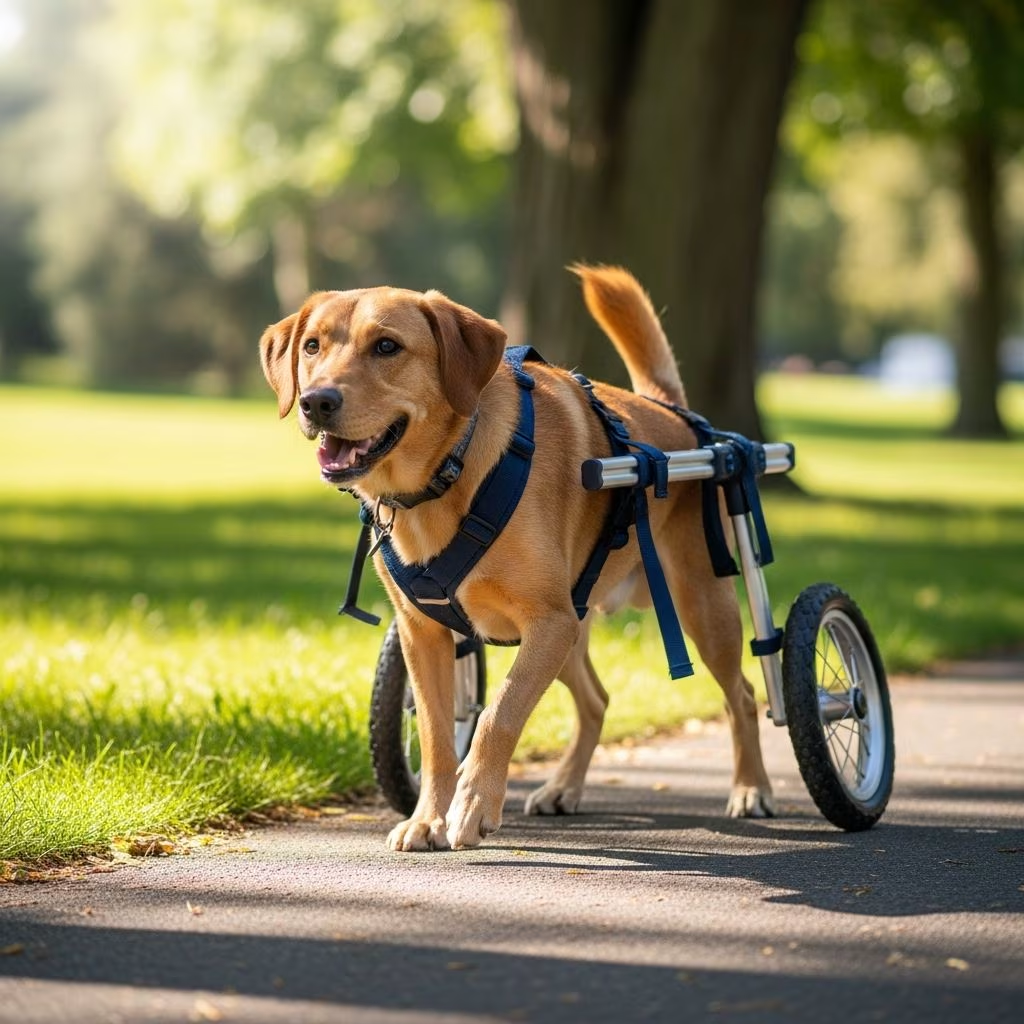
Dog mobility carts, often called wheelchairs, provide essential support for pets facing hind limb paralysis, severe arthritis, injuries, or degenerative conditions. These devices enable dogs to stand, walk, run, and engage in daily activities, significantly boosting their physical health and emotional well-being.
Understanding Canine Mobility Challenges
Many dogs develop mobility issues due to age, trauma, or disease. Conditions like intervertebral disc disease (IVDD), degenerative myelopathy (DM), hip dysplasia, and post-surgical recovery often weaken or paralyze the rear legs, leaving pets unable to move independently.
Without intervention, these dogs risk muscle atrophy, obesity, pressure sores, and secondary injuries from dragging limbs. Owners notice signs such as stumbling, reluctance to stand, or knuckling over toes, which signal the need for support.
Types of Dog Mobility Carts
Mobility carts vary by design to match specific needs. Rear-support carts with two wheels assist dogs with hind limb weakness, allowing front legs to propel naturally. Full-support quad carts with four wheels aid dogs with weakness in all limbs, preventing falls during movement.
Custom options adjust for size, weight, and condition, ensuring even weight distribution. Some include slings for comfort or extensions for forelimb support in rare cases.
| Type | Best For | Key Features |
|---|---|---|
| Rear-Support (2-Wheel) | Hind limb paralysis or arthritis | Lightweight, adjustable frame, padded saddle |
| Full-Support (4-Wheel) | Full-body weakness or front/rear issues | Four wheels for stability, customizable height |
| Forelimb Support | Rare front leg disabilities | Specialized harness, minimal rear involvement |
Key Benefits of Using Mobility Carts
Mobility carts restore independence, allowing dogs to navigate homes, yards, and parks without assistance. They distribute body weight evenly, reducing strain on joints and preventing overuse injuries in functional limbs.
- Physical Rehabilitation: Carts encourage weight-bearing exercises that build muscle tone, improve circulation, and maintain joint flexibility during therapy.
- Pain Management: By lifting the hindquarters, carts alleviate pressure on hips, knees, and spines, offering relief for dogs with osteoarthritis or IVDD.
- Weight Control: Inactive dogs gain weight easily, worsening conditions; carts enable exercise to combat obesity and related issues like diabetes.
- Mental Health Boost: Freedom to explore reduces boredom, anxiety, and depression, keeping high-energy breeds stimulated.
- Preventive Care: Proper use avoids dragging-induced sores, muscle tears, or spinal stress from compensatory movements.
Studies and vet reports highlight how carts extend active lifespans, with many users running and playing fetch post-adaptation.
Selecting the Right Cart for Your Dog
Choosing a cart starts with accurate measurements: height from ground to belly at hips, weight, and limb length. Custom builds ensure fit, avoiding chafing or imbalance.
Consider material durability (aluminum or steel frames), wheel size for terrain (larger for outdoors), and add-ons like brakes or stirrups. Consult veterinarians for condition-specific advice, such as DM progression needing adjustable heights.
- Measure in a natural standing position if possible.
- Test adjustability for growth in puppies.
- Opt for warranties covering wear and tear.
Fitting and Introducing the Cart
Proper introduction prevents resistance. Start indoors on flat surfaces, using treats to associate the cart with positivity. Initial sessions last 5-10 minutes, gradually increasing as the dog gains confidence.
Fitting involves securing the chest and abdominal straps snugly but not tightly, ensuring 1-2 fingers fit underneath. Adjust wheel height so hind legs lightly touch ground for partial weight-bearing if possible.
Monitor for rubbing; use padding or vet-recommended lotions. Most dogs adapt within days, transitioning to joyful zooming.
Daily Use and Maintenance Tips
Incorporate carts into routines: short walks building to 30+ minutes, play sessions, and swims for low-impact exercise. Clean frames weekly, lubricate wheels, and inspect straps for frays.
Store upright to prevent warping. For rugged use, upgrade to all-terrain wheels. Owners report carts lasting years with care, supporting active lifestyles.
Real-Life Transformations
Dogs with IVDD regain backyard romps; arthritic seniors hike trails. Paralyzed pups fetch balls, fostering family bonds. These stories underscore carts as life-changers, not limitations.
Common Myths Debunked
Myth: Carts make dogs lazy. Reality: They promote activity, countering inactivity-induced decline.
Myth: Only for paralysis. Reality: Ideal for weakness, arthritis, or rehab too.
Myth: Dogs hate them. Reality: Adaptation brings enthusiasm for regained freedom.
Frequently Asked Questions (FAQs)
What conditions benefit most from carts? IVDD, DM, hip dysplasia, injuries, arthritis.
Are carts suitable for all sizes? Yes, from Chihuahuas to Great Danes, with custom sizing.
How much exercise can carted dogs handle? Up to normal levels, starting slow.
Do insurance plans cover them? Some pet insurances do; check policies.
Can puppies use carts? Yes, adjustable models support growing frames.
Support Communities for Cart Users
Join online groups for tips, modifications, and encouragement. Sharing experiences helps owners troubleshoot and celebrate milestones.
References
- Disabled Dog Wheelchairs: 7 Ways They Improve Mobility & Quality — K9 Carts. 2023. https://k9carts.com/blogs/resources/disabled-dog-wheelchairs
- Dog Wheelchairs as Active Lifestyle Support: Breaking Myths and Boosting Joy — Dog Mobility Project. 2026-02-10. https://dogmobilityproject.com/2026/02/10/dog-wheelchairs-as-active-lifestyle-support-breaking-myths-and-boosting-joy/
- Wheelchairs for Dogs: Everything You Need to Know — American Kennel Club (AKC). 2023. https://www.akc.org/expert-advice/health/wheelchairs-for-dogs/
- Why Do Some Dogs Need Wheelchairs? — Animal Ortho Care. 2023. https://www.aocpet.com/blogs/aoc-blog/why-do-some-dogs-need-wheelchairs
- Wheelchairs for Disabled Dogs — Whole Dog Journal. 2023. https://www.whole-dog-journal.com/lifestyle/wheelchairs-for-disabled-dogs/
- How Dog Wheelchairs Enhance Active Lives — Best Friend Mobility. 2023. https://bestfriendmobility.net/blogs/blog/how-dog-wheelchairs-enhance-active-lives
- Benefits of Joining a Dog Wheelchair Support Group — Walkin’ Pets. 2023. https://walkinpets.com/blogs/blog/benefits-of-joining-a-dog-wheelchair-support-group



