

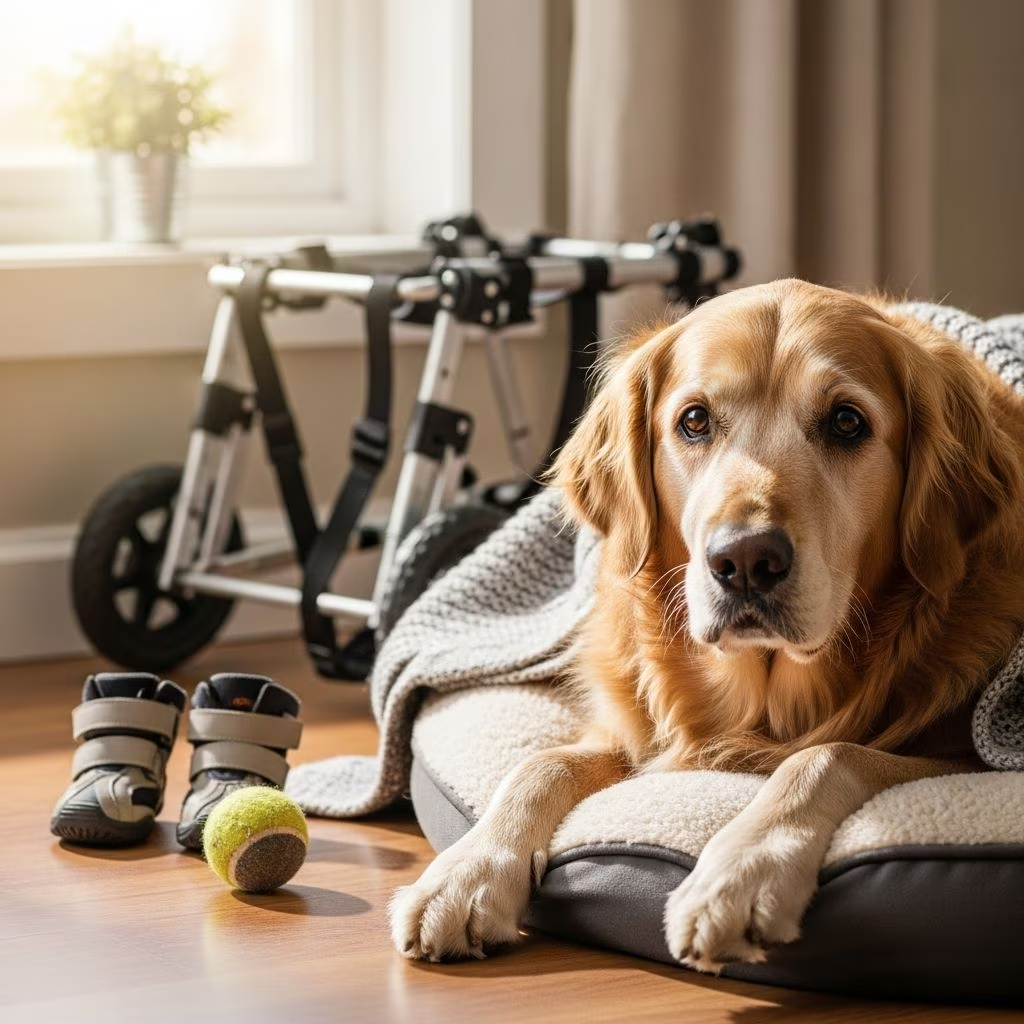
As dogs enter their golden years, many face challenges like arthritis, hip dysplasia, or neurological issues that hinder their ability to move freely. These conditions can lead to frustration, isolation, and a diminished quality of life. Fortunately, a range of orthopedic equipment and mobility aids exists to provide the necessary support, allowing senior dogs to navigate their environments with greater ease and confidence. From harnesses that assist with lifting to wheelchairs that enable independent exploration, these tools bridge the gap between limitation and activity.
Understanding Common Mobility Challenges in Senior Dogs
Senior dogs often experience a decline in muscle strength, joint flexibility, and coordination. Arthritis affects up to 80% of dogs over eight years old, causing pain and stiffness that makes everyday tasks difficult. Slippery floors exacerbate slipping, while high surfaces like beds or car entries become insurmountable without help. Weak hindquarters, a frequent issue in breeds like Labrador Retrievers and German Shepherds, can result in dragging paws or inability to stand. Early intervention with appropriate aids prevents further injury, such as skin abrasions from dragging or muscle atrophy from inactivity.
Veterinarians emphasize assessing the specific issue before selecting aids. For instance, traction problems differ from full paralysis, requiring tailored solutions. Consulting a vet or canine rehabilitation specialist ensures the right fit, avoiding equipment that could worsen conditions.
Support Harnesses: Lifting and Stability Assistance
Support harnesses rank among the most versatile mobility aids for dogs with weak legs or post-surgical recovery needs. These devices wrap around the torso and legs, distributing weight to reduce strain on hips and spine. Unlike collars, they avoid neck pressure, making them ideal for daily use.
- Full-Body Harnesses: Models like the Help ‘Em Up Harness feature padded handles for easy lifting, supporting dogs up to 150 pounds. They strap around the chest, ribs, and hindquarters, allowing all-day wear for short outings or home navigation.
- Walking Slings: Lightweight options such as the GingerLead provide temporary rear-end support during walks or potty breaks. Easy to slip on and off, they encourage gentle exercise without overexertion.
- Customizable Features: Many include adjustable straps, soft neoprene lining, and accessories like hip lifts for targeted relief.
Owners report harnesses transform routines; dogs regain confidence climbing stairs or entering vehicles. For elderly pet parents, ergonomic designs prevent back strain during lifts. Start with short sessions to acclimate your dog, rewarding calm behavior with treats.
Dog Wheelchairs and Carts: Restoring Independent Movement
For dogs with paralysis, severe arthritis, or hind limb weakness, wheelchairs—also called carts—offer a path to renewed activity. These frames support the body while allowing front legs to propel movement, mimicking natural gait.
| Type | Best For | Key Features |
|---|---|---|
| Swinging Saddle | Paralysis or rear weakness | Flexible support that sways with motion for natural feel |
| Fixed Saddle | Stable joint issues | Rigid frame for maximum weight-bearing |
| All-Terrain | Outdoor adventures | Pneumatic tires, adjustable height |
Wheelchairs come in adjustable sizes for breeds from Chihuahuas to Great Danes, with custom options for unique anatomies. Veterinary rehab experts like Dr. Mandi Blackwelder recommend measuring chest girth and leg length for proper fit. Prices range from $200 for basic models to $1,000+ for custom builds. Maintenance involves cleaning wheels and checking straps weekly.
Beyond mobility, carts prevent secondary injuries like hock ulcers from dragging. Dogs often adapt quickly, zooming around yards or parks, boosting mental health through exercise and socialization.
Traction Enhancers: Gripping Slippery Surfaces
Hardwood and tile floors pose hazards for dogs with splayed toes or weakened grip. Traction aids restore footing, encouraging movement and reducing fall risks.
- Non-Slip Socks and Booties: Rubberized grips like ToeGrips fit over paws, acting as cleats. Veterinarian Julie Buzby notes they engage nails for natural traction on smooth surfaces.
- Paw Traction Pads: Adhesive discs applied directly to pads provide instant grip without full coverage.
- Outdoor Boots: Durable models protect dragging paws from abrasions while adding tread for trails.
Simple fixes like yoga mats in high-traffic areas complement wearables. Monitor for wear and replace every few months, especially for active dogs.
Ramps and Steps: Conquering Heights Safely
Preventing jumps that strain joints is crucial; ramps and steps provide gradual inclines for beds, sofas, and vehicles. Select based on height, weight capacity (up to 200+ pounds), and surface texture.
- Indoor Pet Steps: Foam or carpeted for soft landings, maintaining stride length.
- Car Ramps: Foldable aluminum with non-slip coating for SUVs and trucks.
- Custom Builds: DIY options using sturdy boards and anti-slip mats for unique needs.
Ideal angles are under 30 degrees to avoid fatigue. Pair with harnesses for security during training. Wide designs (18+ inches) accommodate larger breeds comfortably.
Additional Comfort Enhancers for Daily Living
Beyond movement aids, supportive bedding and elevated feeders reduce joint stress. Orthopedic foam beds cradle pressure points, while raised bowls minimize bending. Life vests aid water-based mobility for pool therapy.
Choosing the Right Aid: A Step-by-Step Guide
- Consult Professionals: Vet evaluation pinpoints issues like IVDD or osteoarthritis.
- Measure Accurately: Use breed charts and girth tapes.
- Consider Lifestyle: Indoor vs. outdoor use dictates durability.
- Trial Periods: Many brands offer guarantees; test fit and comfort.
- Budget Wisely: Start with affordable basics before investing in customs.
Combine aids for comprehensive support—e.g., harness plus ramp. Monitor progress and adjust as needs evolve.
Frequently Asked Questions (FAQs)
How do I introduce a mobility aid to my reluctant dog?
Pair with high-value treats and short sessions. Let them sniff and step on voluntarily. Positive reinforcement builds trust over days.
Are wheelchairs suitable for arthritis without paralysis?
Occasionally, for pain-free walks, but prioritize limb use to preserve muscle unless advised otherwise by a vet.
What maintenance do these devices require?
Wipe down fabrics, lubricate wheels, inspect for frays. Store dry to prevent mold.
Can senior dogs use ramps for all vehicles?
Most yes, but measure door height. Portable models adapt to cars, trucks, and RVs.
Do insurance plans cover dog mobility aids?
Pet insurance may reimburse under rehab categories; check policies for orthotics.
Real-Life Transformations and Expert Insights
Owners share stories of dogs resuming fetch games or beach trips post-aid. Dr. Julie Buzby highlights traction’s role in osteoarthritis management: improved grip encourages activity, slowing decline. Rehab carts post-surgery restore pre-injury vitality, per AKC experts.
References
- Mobility Aids for Senior Dogs: Our Five Picks — Sweet Goodbye for Pets. 2023. https://sweetgoodbyeforpets.com/blogs/senior-pet-care/mobility-aids-for-dogs
- 9 Helpful Products for Aging Dogs — Dr. Julie Buzby, DVM, Greymuzzle.org. 2024. https://www.greymuzzle.org/resources/health-and-well-being-common-health-issues-care-mobility/9-helpful-products-aging-dogs-dr
- Pet Mobility and Wellness Devices — Love Always Veterinary Care. 2023. https://lovealwaysvet.com/devices
- Mobility Devices for Dogs: Types, Benefits, and How to Choose — American Kennel Club (AKC). 2025-01-15. https://www.akc.org/expert-advice/health/mobility-devices-for-dogs/
- Assistive Devices for Dogs with Arthritis — Canine Arthritis Management. 2024. https://caninearthritis.org/article/assistive-devices/
- Products and Techniques to Support Your Older Dog — AARP. 2023-06-12. https://www.aarp.org/family-relationships/products-for-older-dogs/



