

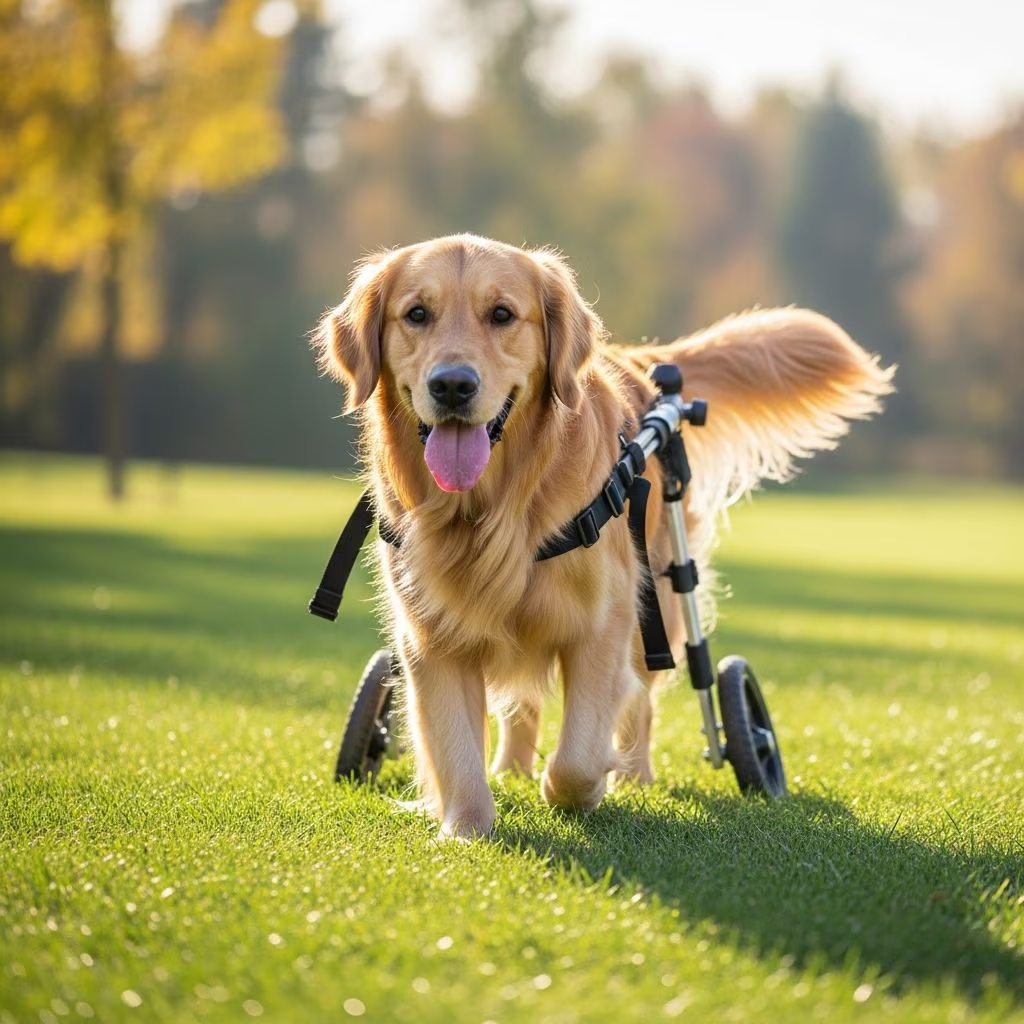
Dogs with disabilities, whether from aging, injury, or congenital conditions, can thrive with the right support tools. These aids restore movement, reduce pain, and promote independence, allowing pets to engage in daily activities like walking, eating, and playing. From harnesses that provide lifting support to custom wheelchairs, modern products address specific needs such as paralysis, arthritis, or vision loss.
Understanding Common Mobility Challenges in Dogs
Many dogs face mobility issues due to arthritis, hip dysplasia, spinal injuries, or degenerative conditions. These problems often manifest as reluctance to stand, slipping on floors, difficulty climbing stairs, or trouble reaching food bowls. Early intervention with assistive devices prevents further injury and maintains muscle tone. Veterinary guidance is crucial to match tools to the dog’s condition.
Wheelchairs and Carts: Restoring Leg Independence
Canine wheelchairs, also known as carts, support hind or front legs, enabling paralyzed or weak dogs to run and play. Adjustable frames fit various sizes, with wheels that maneuver easily indoors and outdoors. For hind-leg paralysis, rear-support models allow front legs to propel the dog naturally.
- Custom Orthotic Wheelchairs: Tailored for specific limb issues, including front-leg support vests.
- Standard Carts: Affordable options for temporary or mild disabilities.
- Training Tips: Introduce gradually with treats; most dogs adapt in days.
Consult a vet or mobility specialist for fitting, as improper use can cause skin irritation or imbalance.
Support Harnesses and Slings: Lifting Without Strain
Harnesses distribute weight evenly during lifts, ideal for dogs recovering from surgery or with weak rear ends. Dual-handle designs allow front and rear support, with padded straps preventing chafing.
| Harness Type | Best For | Key Features |
|---|---|---|
| Rear Support Leash | Early paralysis | Simple, lightweight, wheelchair-compatible |
| Full-Body Harness | Total support needs | Multiple adjustments, comfortable padding |
| Climbing-Style Harness | Outdoor adventures | Heavy-duty, rear-end lift |
These tools assist with car entry, stairs, or vet visits, reducing owner strain too.
Elevated Feeders and Dining Solutions
Raised bowls minimize neck and back strain, especially for arthritic dogs. Adjustable heights accommodate growing pups or changing needs, promoting better posture during meals.
- Stainless steel or plastic models with leg extensions.
- Mess-proof trays for blind or clumsy eaters.
- Slow-feed mats to prevent gulping and spills.
Position at elbow height when standing for optimal ergonomics.
Non-Slip Solutions for Safe Movement
Slippery floors exacerbate joint issues; traction aids like socks, grips, or mats provide grip without booties, which many dogs reject.
- Traction Socks: Rubberized paws for hardwood.
- Toe Grips: Adhesive bands for stability.
- Area Rugs: Budget-friendly floor coverings.
Combine with yoga mats on high-traffic paths for immediate improvement.
Comfort Enhancers: Beds, Warmers, and Wraps
Orthopedic beds with memory foam cushion joints, while microwavable warmers soothe aches. Support wraps stabilize limbs without restricting motion.
- Rice-filled blankets for hips.
- Liquid-filled pads for prolonged heat.
- Joint braces for cruciate injuries.
Use under vet supervision to avoid overheating.
Ramps, Steps, and Access Tools
Folding ramps bridge heights for cars, beds, or decks, with non-slip surfaces for confidence. Pet stairs offer gentler inclines for furniture access.
| Tool | Weight Capacity | Use Case |
|---|---|---|
| Folding Ramp | Up to 200 lbs | Vehicle entry |
| Pet Steps | Up to 150 lbs | Couch/bed |
| Adjustable Stairs | Up to 100 lbs | Indoor use |
Select based on dog’s size and strength.
Sensory Aids for Blind or Hearing-Impaired Dogs
Halos encircle the head to prevent collisions, perfect for outdoor walks. Vibration collars signal commands for deaf dogs, using gentle pulses.
- Halo attachments to harnesses.
- Scented markers for navigation.
Home familiarity reduces constant need, but aids ensure safe exploration.
Grooming and Hygiene Adaptations
No-bend scoops, grooming gloves, and hands-free leashes simplify care for mobility-limited owners or pets. Automatic feeders schedule meals independently.
Choosing and Introducing Aids Effectively
Assess your dog’s needs via vet exam. Start with basics like harnesses before wheelchairs. Positive reinforcement eases adaptation; monitor for fit issues.
FAQs
How do I train my dog to use a wheelchair?
Practice short sessions, rewarding balance; full adaptation takes 1-2 weeks.
Are elevated bowls safe for all dogs?
Yes, but measure proper height; avoid for puppies under 6 months.
What if my dog rejects traction socks?
Try toe grips or rugs first; persistence with treats helps.
Can ramps replace stairs entirely?
For most, yes; choose based on space and dog’s preference.
Where to buy custom braces?
Through veterinarians or certified orthotic specialists.
References
References
- Assistive Devices for Dogs with Arthritis — Canine Arthritis Resources & Education (CARE). 2023-2024. https://caninearthritis.org/article/assistive-devices/
- Must-have Equipment for Dogs with Paralysis — Walkin’ Pets. Accessed 2026. https://walkinpets.com/blogs/blog/must-have-equipment-for-dogs-with-paralysis
- 14 Pet Products That Make Life Easier for Handicapped Pets — Neater Pets. 2023. https://neaterpets.com/blogs/news/14-pet-products-make-life-easier-handicapped-pets
- Disabled Dogs Products — Whole Dog Journal. Updated 2024. https://www.whole-dog-journal.com/care/senior_dog/disabled-dogs-products/
- Pet Care – Equipment For The Disabled — Thalidomide Trust. 2024. https://thalidomidetrust.org/health-and-wellbeing/emotional-wellbeing/positive-impact-of-pets/pet-care-equipment-for-the-disabled/



