
Mobile Pet Care Services: Security and Safety Risks
Understand the hidden risks of on-demand dog walking platforms before hiring.
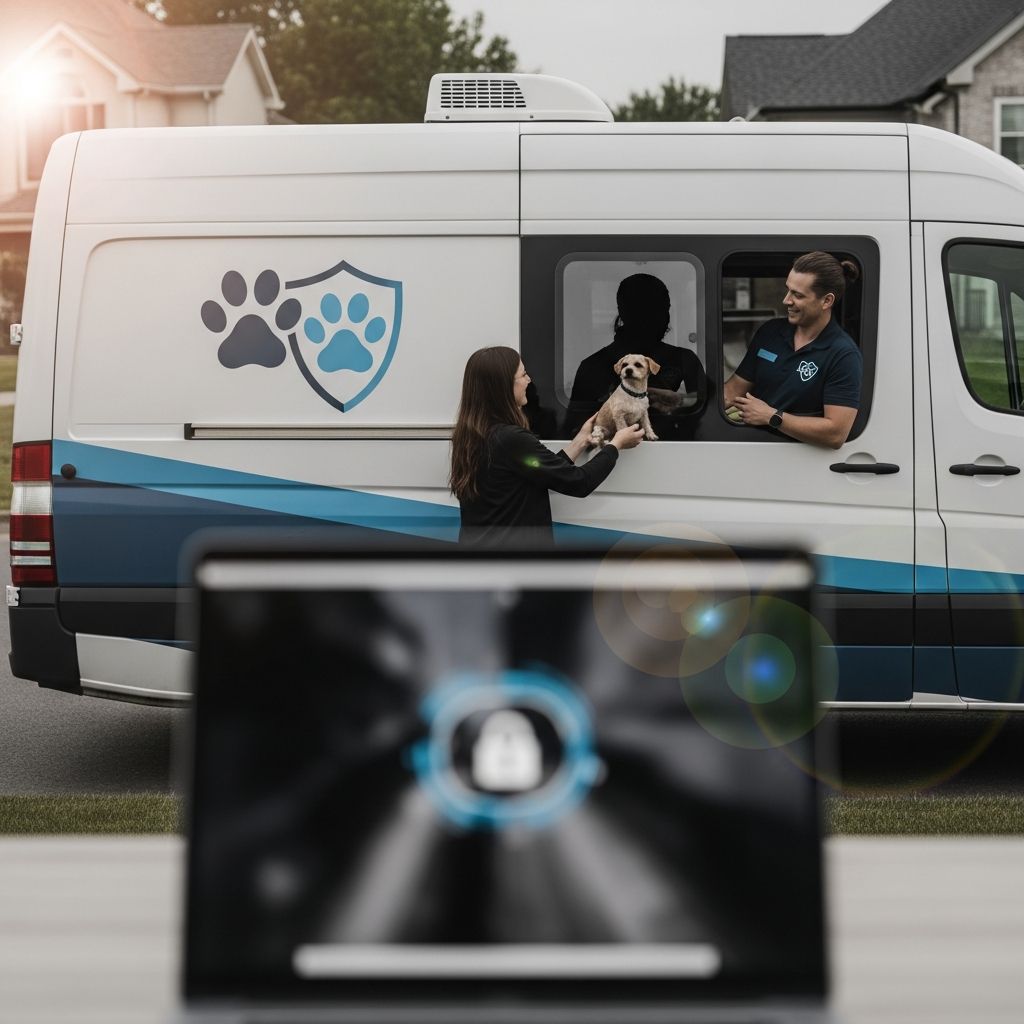
The rise of mobile applications connecting pet owners with dog walkers has transformed how many people manage their pets’ exercise and care routines. Services branded as “Uber for dog walkers” have gained significant popularity, offering the convenience of scheduling walks directly through smartphones. However, beneath the surface of this convenient technology lies a complex web of security vulnerabilities, liability questions, and animal welfare considerations that deserve thorough examination before entrusting a stranger with access to your home and pet.
Understanding the On-Demand Pet Care Model
Modern dog walking applications operate on a straightforward business model: the company recruits walkers, vets them to varying degrees, and then matches available walkers with pet owners requesting services. This matching process creates a fundamental challenge for pet owners—inviting an unfamiliar individual into their home based primarily on app ratings and a brief profile. Unlike traditional relationships with neighborhood dog walkers built over time, app-based services introduce someone your pet has never encountered, with minimal personal interaction before the arrangement begins.
The convenience factor is undeniable. Pet owners can request a walk, track the walker’s location in real-time via the app, and receive photo updates—all from their office or anywhere else. For busy professionals, people with mobility limitations, or those with tight schedules, this accessibility represents a significant lifestyle benefit. Yet this same technology that provides convenience also creates security exposure that many users fail to consider thoroughly.
Home Security Vulnerabilities and Data Exposure
The security risks associated with dog walking apps operate on multiple levels, starting with the physical access granted to walkers and extending to the digital infrastructure underlying these platforms. A particularly alarming incident reported by ABC News demonstrated how app-based services can inadvertently facilitate burglaries. A homeowner discovered through doorbell camera footage that an individual had entered their home using access codes—gate, garage, and door—and subsequently robbed the residence. The homeowner noted that dog walkers hired through a popular app were the only individuals who possessed all three codes.
This scenario illustrates a critical concern: walkers gain intimate knowledge of a home’s security infrastructure, including gate codes, garage door openers, and door locks. Even if a particular walker is trustworthy, this information could be compromised, shared, or used maliciously. Background checks performed by app companies, while valuable, cannot eliminate this inherent risk entirely.
Beyond the physical security threat, the digital platforms themselves have demonstrated vulnerability to data breaches. In 2018, a major dog walking application inadvertently exposed webpages containing customer information including residential addresses and lockbox codes—sensitive data that directly enables burglary. Such incidents reveal that companies handling access information may not implement adequate cybersecurity protections, leaving users’ homes vulnerable to both insider threats and external hackers.
Privacy Concerns and Location Data Sharing
Dog walking apps commonly feature location-sharing capabilities that allow users to track their walkers in real-time and enable walkers to identify pet owners near their location. Some apps display specific neighborhoods or user locations via map pins, creating a directory of pet owners accessible to app users and potentially to bad actors who gain access to the platform.
The privacy implications extend beyond the app itself. Many applications share location data in the background, meaning users may not actively realize their whereabouts are being continuously tracked and stored. This background tracking occurs even when users aren’t actively using the app, creating ongoing data collection that feeds into company servers and potentially third-party data brokers. Terms and conditions for these services often contain provisions allowing data usage for various purposes beyond their original intent.
Users frequently overlook the fine print when signing up for convenient services, yet understanding a platform’s data permissions is critical. Pet owners should carefully examine what location information an app requests, how that data is stored, who can access it, and how long it’s retained. Apps that request excessive permissions or unusual data access should raise red flags.
Liability and Insurance Coverage Gaps
An often-overlooked aspect of dog walking app services concerns liability and insurance coverage. Many app-based services structure their walkers as independent contractors rather than employees, meaning walkers are responsible for obtaining their own insurance coverage. This classification shifts liability and financial responsibility in potentially problematic directions.
If a dog bites someone while being walked by an app-arranged walker, the homeowner and pet owner typically bear primary liability despite having hired the walker through a third-party service. While some apps offer limited coverage to walkers, these policies often have caps that may be insufficient if a serious incident occurs. If coverage limits are exceeded and a significant injury claim arises, homeowners could face substantial personal financial liability.
Similarly, if a walker is injured while on property, questions arise about workers’ compensation coverage and who bears responsibility. The independent contractor structure creates legal ambiguity that can result in protracted disputes when accidents occur. Pet owners using these services should verify their homeowner’s insurance covers incidents involving app-arranged service providers and consider supplemental liability coverage if gaps exist.
Animal Welfare and Pack Walking Concerns
Beyond security and liability issues, serious questions exist regarding the quality of care dogs receive through app-based services. A significant concern involves “pack walks”—a common practice in large cities where a single walker manages numerous dogs simultaneously. Some walkers handle 10, 15, or even 20 dogs at once, creating scenarios where individual attention becomes impossible and stress on dogs increases substantially.
While promotional materials may present images of a walker confidently managing a large group, such practices prioritize efficiency over animal welfare. Responsible professional dog walkers maintain small group sizes to ensure each dog receives appropriate individual attention, proper pacing suited to their ability level, and adequate supervision to prevent conflicts or injuries. Large pack walks introduce significant risks: dogs may become aggressive toward one another, a dog could become lost or injured with a distracted walker unable to respond quickly, or a dog with behavioral issues might not receive the careful handling they require.
The match algorithm also introduces uncertainty about dog compatibility. A shy dog could be grouped with aggressive dogs; high-energy pets might be paired with low-energy companions unsuited to their needs. Without personal knowledge of each dog’s temperament, socialization history, and behavioral issues, matching them together risks negative experiences that may increase anxiety, fear, or aggression.
Vetting and Background Check Limitations
While dog walking apps tout their vetting processes and claim walkers are bonded and insured, these protections have meaningful limitations. Background checks capture criminal history at the time they’re performed but cannot predict future behavior. Additionally, background check quality varies significantly—some apps conduct thorough investigations while others perform minimal screening. A few negative incidents have highlighted concerning patterns: in one notable case, a dog walker found through a popular app lost the customer’s dog, leaving the pet missing and the owner devastated.
The rating system creates perverse incentives where walkers may prioritize maintaining high ratings over providing excellent care. A walker who habitually takes group walks of excessive size might receive high ratings from owners who simply appreciate the affordable service, even if those walks compromise individual dog welfare. Poor performers can abandon accounts and restart under new profiles, making historical data unreliable.
Recommendations for Safer Pet Care
For pet owners considering app-based dog walking services, several protective measures can reduce risks:
- Meet the walker in person before arranging any walks, assess their demeanor, ask detailed questions about their experience and training, and trust your instincts about whether they’re appropriate for your dog
- Verify that walkers maintain small group sizes, ideally 4-6 dogs maximum, ensuring your dog receives adequate individual attention and supervision
- Avoid sharing unnecessary access codes; instead, consider installing keyless door locks that can be programmed with temporary codes and disabled immediately after the arrangement ends
- Review your homeowner’s insurance policy to understand coverage for third-party service providers and consider supplemental liability insurance if gaps exist
- Read the app’s complete terms and conditions before signing up, paying particular attention to data collection, retention, sharing practices, and liability limitations
- Research the specific app thoroughly, reading independent reviews and checking for published security incidents or complaints
- Set up security cameras to monitor your entrance and yard, creating a record of who enters your home and when
- Maintain communication with your walker through the app and request photo/video updates throughout walks to verify care quality
- Consider alternative arrangements, such as hiring a local walker you’ve personally vetted or asking trusted friends or family members to walk your dog
Frequently Asked Questions
What specific data do dog walking apps collect?
Most dog walking apps collect location data, home address, phone number, email address, payment information, and often emergency contact details. Many also request permission to access your phone’s camera, contacts, and location history continuously. Some apps share this data with marketing partners or analytics firms.
Are dog walkers hired through apps required to have insurance?
Requirements vary significantly between apps. Some require insurance; others don’t explicitly mandate it. Even when required, coverage amounts may be minimal. As an independent contractor, responsibility for adequate insurance typically falls to the walker themselves, not the app company.
Can I hold the app company liable if something happens to my dog?
App companies typically include liability waivers in their terms and conditions, limiting their legal responsibility. Liability may shift primarily to you as the homeowner and pet owner, or potentially to the individual walker, depending on specific circumstances and contractual language.
What should I do before hiring any dog walker through an app?
Meet them in person, ask about their experience and training, request references from other clients, verify their insurance coverage, understand the group size they maintain, and assess your comfort level with them before providing home access.
Alternative Approaches to Pet Care
Pet owners seeking flexibility without app-based services have several alternatives. Building relationships with local professional dog walkers through personal referrals allows you to thoroughly vet individuals before trusting them with your home. Professional pet sitters, often found through industry organizations with vetting standards, represent another option. Some people arrange reciprocal arrangements with trusted neighbors, trading dog-walking duties. Others utilize doggy daycare facilities where dogs receive supervision in controlled environments. Each alternative presents different advantages and limitations worth evaluating based on your specific circumstances and your dog’s needs.
Making an Informed Decision
Dog walking apps represent a technological solution to a genuine problem—providing exercise for pets when owners face time constraints. However, the convenience comes with security, privacy, liability, and animal welfare costs that deserve careful consideration. The decision to use these services should involve weighing genuine benefits against documented risks, implementing protective measures where feasible, and honestly assessing whether app-based services align with your comfort level and your dog’s specific needs. No universal answer applies to all pet owners; individual circumstances, risk tolerance, and available alternatives all factor into the appropriate choice.
References
- Dog Walking Apps: Are They Safe? — Whole Dog Journal. 2025. https://www.whole-dog-journal.com/lifestyle/human-focus/dog-walking-apps-are-they-safe/
- Dog Walking Apps Could Open the Door for Thieves — Frontpoint Security. 2021. https://www.frontpointsecurity.com/blog/dog-walking-apps-could-open-the-door-for-thieves
- How Safe Are Dog Walking Apps for Your Privacy? — PSafe. 2021. https://www.psafe.com/en/blog/how-safe-are-dog-walking-apps-for-your-privacy/
- Dog Walking Apps – Liability and Insurance Considerations to Keep in Mind — Dog Bite Law Group. 2021. https://www.dogbitelawgroup.com/dog-walking-apps/
- Smartphone Apps and Features to Keep You Safe on Dog Walks — Animal Friends. 2021. https://www.animalfriends.co.uk/dog/dog-advice/dog-maintenance-and-safety/smartphone-apps-and-features-to-keep-you-safe-on-dog-walks/
Similar Articles








Read full bio of medha deb


