

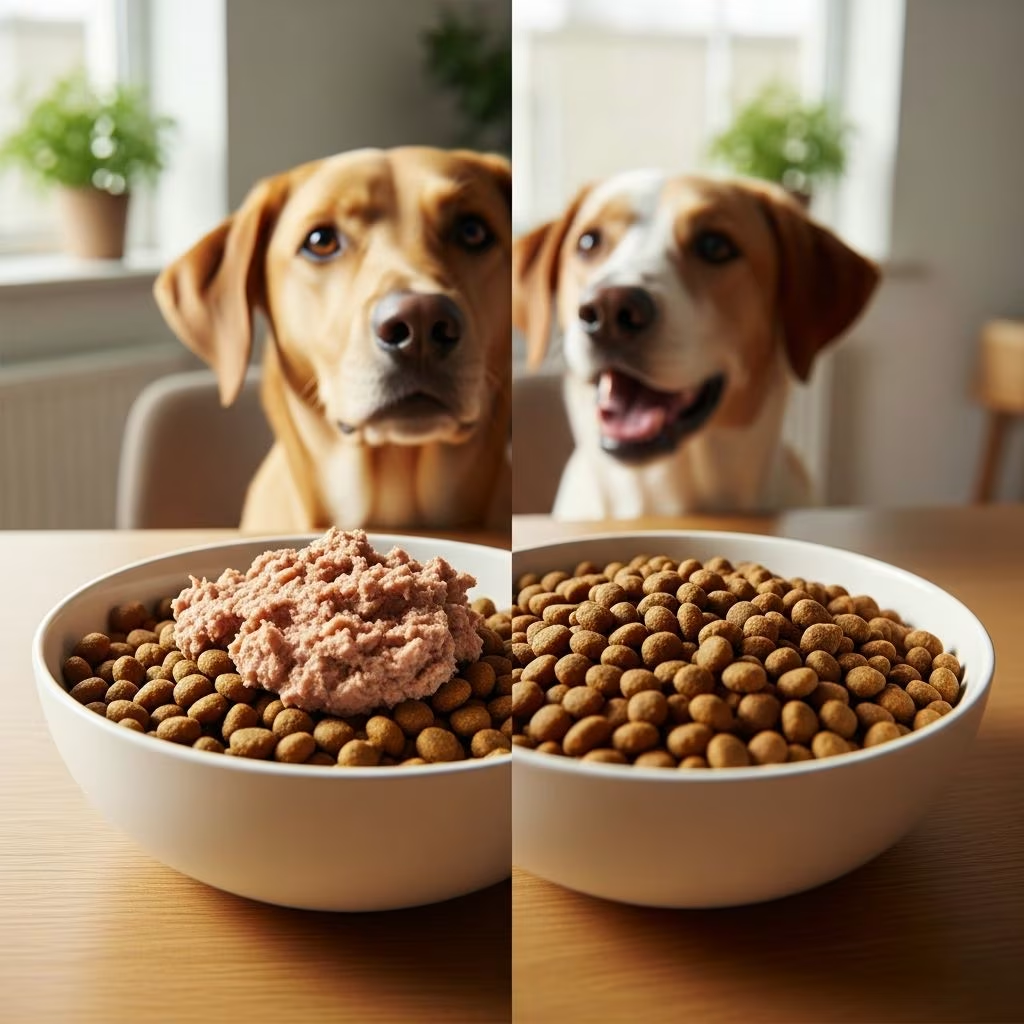
Can I Mix Wet and Dry Dog Food?
Pet parents often wonder whether combining wet food and dry kibble is a good idea. The answer is a resounding yes. Mixing wet and dry dog food can offer numerous benefits for many dogs when done correctly. Understanding how and why to combine these two types of food can lead to a more balanced, nutritious, and satisfying diet for your canine companion. This comprehensive guide explores the advantages, best practices, and important considerations for combining wet and dry dog food.
Your Dog Will (Probably) Love It
One of the most immediate benefits of mixing wet food into dry kibble is the enhanced palatability. Wet dog food has a more enticing aroma and texture compared to dry food, making meals significantly more appealing to your dog. This is especially beneficial for picky eaters who may turn their nose up at plain kibble. Adding even a small amount of wet food—particularly if warmed slightly—can make the entire meal more tempting and enjoyable for your pet.
The improved taste and smell encourage dogs to consume their meals more enthusiastically, which can be particularly helpful for senior dogs, recovering dogs, or those transitioning to a new diet. Many dogs find the combination of textures and flavors more engaging than kibble alone, leading to better meal-time experiences.
High-Quality Ingredients Matter
Quality wet dog foods are often formulated with premium “human-grade” ingredients such as chicken, beef, or fish. These ingredients provide essential nutritional and health benefits while offering flavors that dogs find naturally appealing. By combining wet food into your dog’s dry kibble, you’re introducing a wider variety of high-quality protein sources and ingredients.
This combination provides all the macronutrients, vitamins, and minerals your dog needs to thrive. The variety introduced through mixing helps keep your dog interested in their meals while ensuring comprehensive nutritional support. When selecting products, choose high-quality brands that meet AAFCO (Association of American Feed Control Officials) nutritional guidelines for your dog’s specific life stage.
Health Benefits of Mixing
Combining wet and dry dog food offers several significant health advantages for your pet:
Enhanced Hydration
One of the most important benefits is increased water intake. While typical dry dog food contains only 10–12% water content, wet formulations are generally 75–78% water by weight. This substantial difference in moisture content means that mixing wet food into kibble significantly increases your dog’s overall water consumption. Proper hydration supports kidney function, aids digestion, and helps prevent conditions like constipation and urinary issues. This is particularly important for dogs who don’t drink enough water on their own.
Improved Digestion and Satiety
The higher water content in wet food also helps your dog feel full faster, which can support weight management efforts. For dogs that need to lose weight, this satiety effect allows for better portion control without leaving your pet feeling hungry. Conversely, for dogs with health conditions requiring weight gain, mixing dry food into canned food is an effective way to increase caloric intake while maintaining nutritional balance.
Dental and Textural Benefits
While wet food softens the kibble, dry food supports dental health by reducing tartar buildup through the abrasive action of chewing. This combination allows your dogs to benefit from both approaches. The softer texture is particularly helpful for older dogs or those with dental issues, making meals easier to chew and digest. Regular dental care combined with a mixed diet helps maintain your dog’s oral health.
Cost-Effective Feeding Strategy
A common drawback to feeding wet food exclusively is its higher cost per ounce compared to dry kibble. However, mixing the two types creates a more budget-friendly approach without sacrificing nutrition or quality. By supplementing dry food with wet food, you can balance your budget while still providing the palatability and hydration benefits of wet food.
When budget is a primary concern, consult with your veterinarian to identify quality options at your price point. Sometimes a budget-friendly wet food may cost similarly to premium kibble, allowing you to make more informed purchasing decisions. This strategic approach allows you to provide a mixed diet without significantly increasing your food expenses.
Proper Transition and Introduction
When introducing a mixed diet to your dog for the first time, transitioning gradually is essential. If your dog is accustomed to eating only one type of food, sudden dietary changes can cause digestive upset. A recommended approach is to slowly add wet food to the dry food over the first week, gradually working up to your desired ratio.
This gradual transition helps your dog’s digestive system adjust to the new diet composition. Most dogs adapt well within 7–10 days when introduced properly. Puppies can also eat a combination of wet and dry food once they’re weaned and can continue this mixed feeding throughout their lives, provided the foods are appropriate for their life stage.
Practical Tips for Mixed Feeding Success
Successfully implementing a mixed feeding approach requires attention to several key details:
Measuring and Portion Control
Use an appropriate measuring device to ensure accurate portions of each food type. Since wet food typically has fewer calories per ounce than dry food, you’ll need to adjust your portions accordingly to meet your dog’s caloric needs. Measuring precisely prevents overfeeding and helps maintain your dog’s ideal weight. Keep track of the ratio you’re using to ensure consistency across meals.
Shelf Life and Storage Considerations
Mixed wet and dry food should never be left sitting out at room temperature for extended periods. Discard any uneaten food within 30 minutes after serving to prevent bacterial growth and spoilage. You have two practical options: either prepare a fresh serving for each meal, or make a larger batch in the morning and store covered portions in the refrigerator for use throughout the day.
Opened wet food should be stored in the refrigerator and used within 2–3 days. Proper storage prevents foodborne illness and ensures your dog receives safe, nutritious meals.
Establishing Routine and Monitoring Health
Feed your dog at consistent times daily to aid digestion and support healthy behavioral patterns. Establish a routine that works for your household and stick to it. Regularly monitor your dog’s health, watching for signs of digestive upset, allergic reactions, changes in weight, or coat condition. Keep a journal of any observed changes to share with your veterinarian during routine check-ups.
Special Considerations and Restrictions
Therapeutic and Prescription Diets
If your dog is on a therapeutic or prescription diet—such as Hill’s Prescription Diet for food sensitivities or urinary health—you should only mix it with the same brand’s complementary formula. Mixing a prescription dry food with a different type of wet food negates the beneficial effects the diet was designed to provide. For example, if your dog is on a urinary care diet, mixing it with regular wet food can alter urine pH and potentially worsen urinary issues. Similarly, mixing weight management food with standard wet food can provide inconsistent calorie control. Always consult your veterinarian before adding anything to a prescription diet.
Allergies and Sensitivities
For dogs with food allergies or sensitivities, read labels carefully to avoid triggering ingredients. Mixing different foods can introduce allergens that complicate elimination diets. If your dog has known allergies, work closely with your veterinarian to identify safe options. Some dogs may react negatively to diet changes or rich foods due to digestive sensitivity, so introduce mixed feeding gradually and monitor closely.
Life Stage Appropriate Nutrition
Ensure the wet and dry foods you’re mixing are formulated for your dog’s appropriate life stage. Puppies, adult dogs, and senior dogs have different nutritional requirements. Using age-appropriate formulas ensures your dog receives optimal nutrition for their current developmental stage or life circumstances.
Food Safety and Quality Standards
Mixing wet and dry dog food is safe for pets as long as both products are high-quality and complete and balanced to meet your pet’s nutritional needs. Look for AAFCO certification on packaging, which indicates the food has been formulated to meet established nutritional standards.
If you’re concerned about preservative intake when combining foods, rest assured that mixing high-quality wet and dry dog food doesn’t significantly increase preservative exposure compared to feeding either type exclusively. Focus on selecting products with clean ingredient lists and minimal artificial additives.
Addressing Your Dog’s Specific Needs
Mixing wet food with dry dog food allows you to cater to specific health requirements and preferences. Whether your dog needs improved hydration, has dental concerns, requires weight management, or simply prefers variety, a mixed feeding approach can address these needs effectively.
This flexibility makes combination feeding an excellent strategy for multi-pet households where different dogs have different nutritional requirements. You can tailor each dog’s meal with appropriate wet and dry food combinations based on their individual needs.
Frequently Asked Questions
Q: Is it okay to mix wet and dry dog food?
A: Yes, mixing wet and dry dog food is perfectly fine and offers multiple benefits including improved hydration, enhanced palatability, and better nutrition. The key is doing it correctly with proper portion control and food quality.
Q: How do I transition my dog to a mixed diet?
A: Introduce the mixed diet gradually over 7–10 days. Start by adding small amounts of wet food to the dry kibble, gradually increasing the ratio. This prevents digestive upset and allows your dog’s system to adapt to the new combination.
Q: What’s the ideal ratio of wet to dry food?
A: The ideal ratio depends on your dog’s individual needs and the calorie content of each food. Since wet food has fewer calories per ounce, you’ll typically use less wet food by volume. Consult your veterinarian to determine the best ratio for your dog’s caloric requirements.
Q: Can puppies eat a mix of wet and dry food?
A: Yes, puppies can eat a combination of wet and dry food once they’re weaned. Ensure both foods are formulated for puppy nutrition, as puppies have different nutritional requirements than adult dogs.
Q: How long can I leave mixed wet and dry food out?
A: Discard any uneaten mixed food within 30 minutes at room temperature. This prevents bacterial growth and spoilage. Store leftovers covered in the refrigerator and use within 1–2 days.
Q: Is mixing food more expensive?
A: Mixing can be more cost-effective than feeding wet food exclusively, since you’re combining the more expensive wet food with budget-friendly dry kibble. The overall cost depends on the brands you choose.
Q: Can I mix my dog’s regular food with prescription diet food?
A: No, if your dog is on a prescription diet, mix it only with the same brand’s complementary formula. Mixing prescription food with regular food negates the therapeutic benefits the diet was designed to provide.
Q: What if my dog has food allergies?
A: If your dog has food allergies, read labels carefully and mix only foods you’ve confirmed are safe. Work with your veterinarian to identify appropriate combinations that avoid triggering allergens.
References
- Mixing Wet and Dry Dog Food — Chewy Education. 2024. https://www.chewy.com/education/dog/food-and-nutrition/mixing-wet-dry-dog-food
- Is It Okay to Mix Dry and Wet Dog Food? — PetsCare.com. 2024. https://www.petscare.com/news/faq/is-it-okay-to-mix-dry-and-wet-dog-food-10
- 7+ Tips for Mixing Wet and Dry Dog Food — KOHA Pet. 2025. https://kohapet.com/blogs/news/7-tips-for-mixing-wet-and-dry-dog-food-2025
- Can I Mix 2 Different Dog Foods? — JustFoodforDogs Blog. 2024. https://blog.justfoodfordogs.com/can-i-mix-2-different-dog-foods.html
- Dry Dog Food vs Wet Dog Food, or Both? — PetMD. 2024. https://www.petmd.com/dog/nutrition/dry-dog-food-vs-wet-dog-food-which-better



