

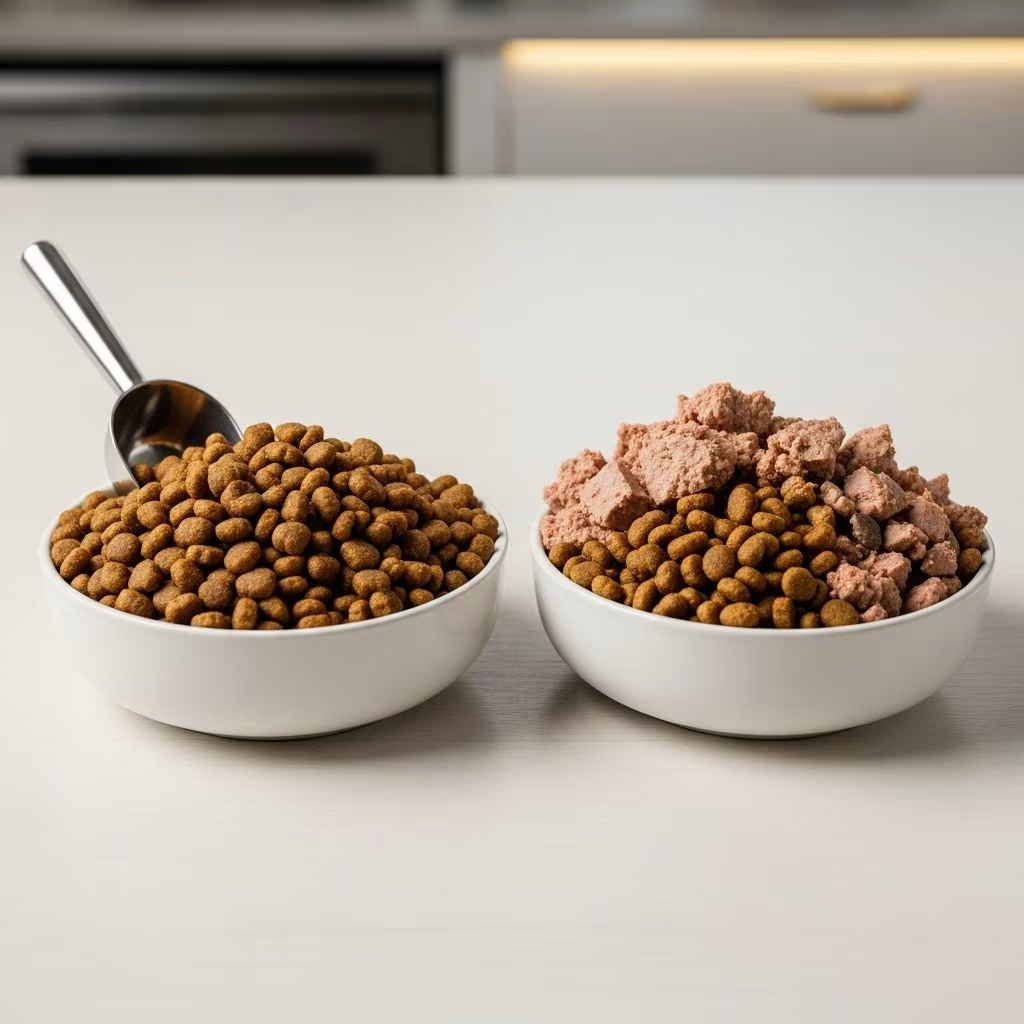
Blending wet and dry dog food creates a versatile diet that leverages the strengths of both formats. This approach delivers enhanced moisture from wet varieties alongside the nutrient density and convenience of kibble, promoting overall canine well-being.
Why Combine Wet and Dry Formulas?
Dogs thrive on dietary variety, and mixing food types addresses multiple needs. Wet food typically contains 75-78% moisture, far exceeding the 10-12% in dry kibble, which aids in daily fluid intake. This combination appeals to selective eaters through richer aromas and textures while maintaining balanced nutrition.
Key Advantages of Mixed Feeding
Integrating both food types yields tangible benefits for physical health and daily routines. Here’s a breakdown:
- Boosted Hydration Levels: Wet food’s high water content supports kidney function and prevents urinary issues, ideal for dogs with low water bowl consumption.
- Appeal for Finicky Appetites: The savory scent and soft texture of wet food entice picky dogs, encouraging complete meals.
- Dental Health Support: Dry kibble’s crunch helps reduce tartar buildup, complemented by wet food’s gentleness on teeth.
- Weight Management Flexibility: Adjust ratios to control calories—more dry for density, more wet for satiety with fewer calories.
- Digestion and Comfort: Softer wet elements ease chewing for seniors or those with dental problems, while variety prevents boredom.
Nutritional Comparison: Wet vs. Dry Dog Food
Each format shines in specific areas. The table below highlights core differences:
| Aspect | Wet Dog Food | Dry Dog Food |
|---|---|---|
| Moisture Content | 75-78% | 10-12% |
| Palatability | High (aromatic proteins) | Moderate (crunchy texture) |
| Nutrient Density | Lower (due to water) | Higher (concentrated) |
| Storage | Short (refrigerate after opening) | Long (pantry stable) |
| Best For | Hydration, picky eaters | Dental health, large breeds |
This synergy makes mixed feeding ideal for comprehensive care.
Optimal Ratios and Portion Guidelines
Start with 75% dry and 25% wet by weight, adjusting based on your dog’s profile. Puppies and active adults may need higher calories from dry, while seniors benefit from more wet for hydration.
- Small breeds (under 20 lbs): 1/4 can wet + 1 cup dry daily.
- Medium breeds (20-50 lbs): 1/2 can wet + 2 cups dry.
- Large breeds (over 50 lbs): 1 can wet + 3-4 cups dry.
Monitor body condition and consult a vet for precise caloric needs, aiming for 2-3% of body weight daily.
Safe Transition to Mixed Diets
Abrupt changes risk digestive upset. Follow this 7-10 day plan:
- Days 1-3: 75% current food + 25% new mix.
- Days 4-6: 50% each.
- Days 7-10: 25% current + 75% new mix.
Observe for loose stools or refusal; slow down if needed. Puppies post-weaning adapt quickly to combos.
Special Considerations for Health Conditions
Tailor mixes carefully:
- Obesity: Increase wet for volume without calories.
- Underweight: Boost dry for energy density.
- Sensitivities: Pair matching prescription wet/dry from the same line to preserve efficacy.
- Kidney/Urinary Issues: Prioritize wet for moisture.
- Dental Problems: Emphasize wet, supplement kibble crunch sparingly.
Always vet-approve for therapeutic diets.
Practical Feeding Tips
Enhance success with these strategies:
- Warm wet food slightly for aroma release.
- Mix thoroughly to avoid separation.
- Portion daily to minimize waste—wet lasts 24 hours refrigerated.
- Use puzzle feeders with dry for mental stimulation.
- Track intake via apps for consistency.
Potential Drawbacks and Solutions
Mixed feeding isn’t flawless:
| Issue | Solution |
|---|---|
| Higher Cost | use wet as topper (10-20%) |
| Storage Needs | portion wet pouches daily |
| Messy Bowls | stainless steel + daily rinse |
| Overfeeding Risk | weigh portions precisely |
Weigh benefits against logistics for your household.
FAQs on Mixed Dog Food Feeding
Can all dogs handle wet-dry mixes?
Most can, post-weaning. Check with vets for puppies, seniors, or ill dogs.
Does mixing improve dental health?
Dry kibble aids mechanically; wet softens but doesn’t replace brushing.
How much water in mixed meals?
Wet boosts intake naturally; no extra needed unless vet-recommended.
Best brands for mixing?
Choose complete, balanced options with matching profiles. Avoid fillers.
Signs to stop mixing?
Vomiting, diarrhea, allergies—revert and consult vet.
Expert Insights on Long-Term Success
Veterinarians endorse mixed feeding for customized nutrition. Regular weigh-ins and stool checks ensure balance. Rotate flavors monthly for variety without excess.
In summary, this method optimizes health through hydration, taste, and convenience. Adapt to your dog’s life stage for peak vitality.
References
- 7+ Tips for Mixing Wet and Dry Dog Food [2025] — KOHA Pet. 2025. https://kohapet.com/blogs/news/7-tips-for-mixing-wet-and-dry-dog-food-2025
- The Benefits of Mixing Wet and Dry Dog Food — Chewy.com. Accessed 2026. https://www.chewy.com/education/dog/food-and-nutrition/mixing-wet-dry-dog-food
- Wet Vs Dry Dog Food: Which is Right for Your Pup — Nature’s Logic. Accessed 2026. https://natureslogic.com/blog/wet-vs-dry-dog-food/
- Why It’s A Good Idea To Mix Wet And Dry Food — Eukanuba. Accessed 2026. https://www.eukanuba.com/articles/nutrition/why-its-a-good-idea-to-mix-wet-and-dry-food
- The Benefits of Feeding AATU Wet and Dry Dog Food — AATU. Accessed 2026. https://aatu.co.uk/blogs/learning/the-benefits-of-feeding-aatu-wet-and-dry-dog-food-a-balanced-tasty-approach



