

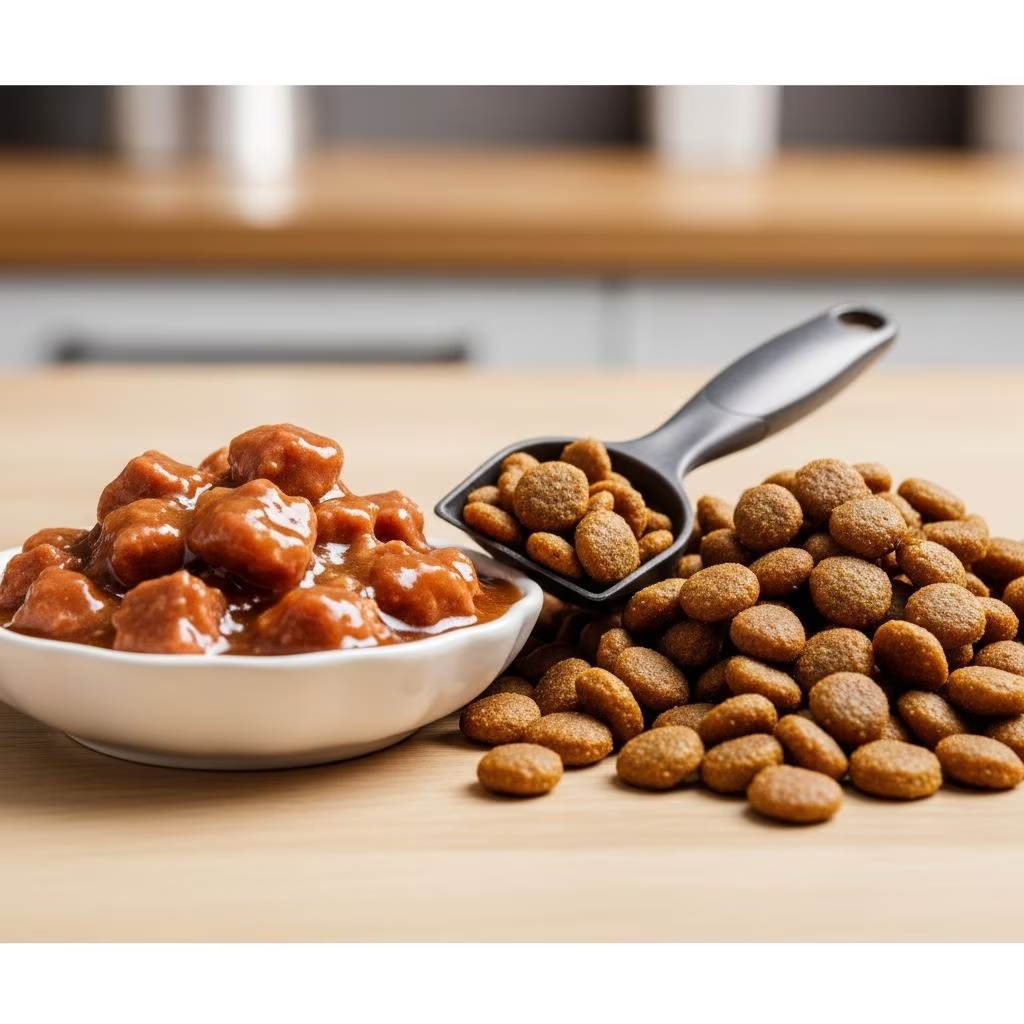
Mixing Wet and Dry Cat Food: A Comprehensive Guide to Feline Nutrition
When it comes to feeding your beloved feline companion, pet owners are presented with numerous options ranging from wet foods in cans and pouches to convenient dry kibble. Many cat owners wonder whether they can combine these two food types to provide their cats with optimal nutrition and variety. The answer is yes—mixing wet and dry cat food, commonly referred to as “mixed feeding,” is not only possible but can offer significant nutritional and practical benefits for your pet.
Understanding how to properly combine wet and dry cat foods allows you to leverage the unique advantages each type offers while creating a more varied and satisfying diet for your feline friend. Whether your cat has specific health needs, prefers certain food textures, or simply enjoys dietary variety, mixed feeding may be an excellent approach to consider.
Understanding Wet and Dry Cat Foods
Before diving into the specifics of mixed feeding, it’s important to understand the fundamental differences between wet and dry cat foods and what each type brings to the table nutritionally.
What Is Wet Cat Food?
Wet cat food, typically packaged in cans or pouches, contains significantly higher moisture content than dry kibble. This moisture content ranges from 60 to 80 percent, making wet food structurally softer and easier to consume. The high water content in wet food contributes to your cat’s overall hydration and can be particularly beneficial for certain health conditions.
What Is Dry Cat Food?
Dry cat food, or kibble, contains much less moisture—typically around 10 percent. This low moisture content allows dry food to be shelf-stable for extended periods and can be left out for cats to graze throughout the day without immediate spoilage concerns. Dry food typically comes in larger bag sizes, making it more economical for many households.
Key Benefits of Mixing Wet and Dry Cat Food
Combining wet and dry cat food provides a comprehensive approach to feline nutrition that addresses multiple health and lifestyle considerations. Here are the primary advantages:
Enhanced Hydration
One of the most significant benefits of mixing wet and dry cat food is improved hydration. Cats naturally have a lower thirst drive compared to dogs, which means they may not drink sufficient water from a bowl alone. The moisture content in wet food helps supplement your cat’s daily water intake, reducing the risk of urinary tract issues and supporting kidney health. This is particularly important for senior cats or those with a predisposition to lower urinary tract disease.
Dental Health Benefits
While wet food is easier on the teeth, dry kibble offers distinct dental advantages. The crunchy texture of dry kibble helps reduce tartar and plaque buildup on your cat’s teeth through mechanical action during chewing. By mixing both types, your cat receives the dental cleaning benefits of dry food while maintaining the easier-to-chew advantages of wet food, creating an optimal balance for oral health.
Nutritional Completeness
Neither wet nor dry cat food is nutritionally superior to the other when both are formulated to be complete and balanced. By combining both types, you ensure your cat receives a well-rounded nutritional profile that includes the benefits of both food formats. This approach allows you to tailor nutrition to your cat’s specific needs and life stage.
Dietary Variety and Palatability
Cats are known as “neophiliacs,” meaning they appreciate and enjoy novelty in their diet. Mixing wet and dry foods allows you to offer your cat different flavors, textures, and dining experiences, which can increase appetite stimulation and feeding satisfaction. This variety helps prevent feeding boredom and can encourage consistent eating habits.
Behavioral Advantages
Mixed feeding naturally creates a structured eating schedule while still allowing some grazing opportunities. Offering wet food at designated meal times and providing dry food for free-feeding combines the benefits of both approaches, helping maintain your cat’s digestive rhythm throughout the day.
The Optimal Ratio of Wet to Dry Cat Food
When implementing mixed feeding, understanding the correct proportion of wet to dry food is crucial. Since wet and dry foods have different caloric densities due to their moisture content, you cannot simply substitute one for the other in equal amounts.
Recommended Ratios
A commonly recommended starting ratio is approximately one-third wet food to two-thirds dry food by volume. However, the ideal ratio for your specific cat may vary depending on several factors:
- Your cat’s energy level and activity requirements
- Your cat’s current body condition and weight management goals
- Age and metabolic rate
- Individual food preferences and digestive sensitivity
- Specific health considerations or medical conditions
Caloric Calculation
It’s important to calculate the actual caloric content rather than simply measuring by volume. Dry food typically contains significantly more calories per cup than wet food due to its lower moisture content. Working with your veterinarian or using a wet and dry food calculator can help you determine the appropriate balance to meet your cat’s specific caloric needs without overfeeding or underfeeding.
How to Implement Mixed Feeding
Serving Methods
When practicing mixed feeding, it’s generally recommended to serve wet and dry food separately rather than combining them in a single dish. This approach offers several advantages:
- Allows you to monitor your cat’s consumption of each food type
- Prevents wet food from softening kibble before consumption
- Makes portion control more precise
- Accommodates cats with different texture preferences
- Maintains the intended texture and nutritional integrity of each food
Feeding Schedule Options
There are several effective ways to structure mixed feeding throughout your cat’s day:
Option 1: Scheduled Wet Meals with Free-Fed Dry Food Offer wet food at specific times (such as morning and evening) while leaving dry food available for grazing throughout the day. This approach provides some appetite control through scheduled meals while allowing your cat independence for daytime snacking.
Option 2: Alternating Meal Types Provide wet food at one feeding time and dry food at another designated time. This structured approach helps maintain consistent digestion patterns and allows for precise portion control of both food types.
Option 3: Mixed Feeding Throughout the Day Offer both wet and dry food multiple times daily at different times, alternating which type you provide at each meal. This maximizes dietary variety while maintaining nutritional balance.
Transitioning to Mixed Feeding
If your cat is accustomed to eating only one food type, introduce the new format gradually over 7-10 days. Mix increasing proportions of the new food type with the familiar food to allow your cat’s digestive system to adjust and to prevent gastrointestinal upset.
Special Considerations for Mixed Feeding
Cats with Digestive Sensitivities
If your cat has a history of digestive issues, food allergies, or intolerances, consult with your veterinarian before implementing mixed feeding. Some cats may benefit from maintaining consistency with a single food type, while others may tolerate mixed feeding well. When dealing with allergies, ensure both the wet and dry food options contain the same quality protein sources and are free from problematic ingredients.
Weight Management
Mixed feeding requires careful monitoring to prevent obesity. Because wet food creates greater satiety due to its moisture and texture, cats often consume fewer calories when eating wet food. However, free-fed dry food can easily lead to overconsumption if portions aren’t measured carefully. Regularly assess your cat’s body condition score and adjust portions accordingly.
Multi-Cat Households
In homes with multiple cats, monitoring individual food intake becomes more challenging with mixed feeding. Consider feeding cats in separate spaces or using timed feeders to ensure each cat receives appropriate portions and that dietary restrictions or special needs are properly managed.
Senior Cats
Older cats often have specific nutritional needs and may have dental challenges. Mixed feeding can be ideal for senior felines, as wet food is easier to chew while dry kibble provides dental benefits. Additionally, wet food’s higher moisture content supports kidney health, which is important for aging cats.
Monitoring Your Cat’s Response to Mixed Feeding
Health Indicators
When implementing mixed feeding, monitor these key health indicators:
- Consistent energy levels and activity
- Healthy coat condition and appearance
- Regular, normal bowel movements
- Stable weight and body condition
- Clear eyes and overall alertness
- Appropriate water intake and urination patterns
Body Condition Scoring
Regularly assess your cat’s body condition to ensure the mixed feeding approach is maintaining optimal weight. You should be able to feel your cat’s ribs without excessive pressure, and your cat should have a visible waist when viewed from above. If your cat appears to be gaining or losing weight, adjust portion sizes accordingly.
Addressing Common Concerns
Digestive Adjustment
Since wet and dry foods digest at different rates, your cat’s digestive system needs time to adjust to mixed feeding. During the transition period, your cat may experience mild digestive changes. These typically resolve within 1-2 weeks as the digestive system adapts to processing both food types.
Food Spoilage and Safety
When serving wet food, remove uneaten portions after 20-30 minutes to prevent bacterial growth and spoilage. Dry food can remain out longer but should be stored in airtight containers to maintain freshness and prevent contamination.
Cost Considerations
While wet food is generally more expensive per serving than dry food, combining both types can actually be more cost-effective than feeding only wet food, especially when using high-quality dry kibble as a base with wet food as a supplement.
Working with Your Veterinarian
Before implementing mixed feeding, consult with your veterinarian to develop a personalized feeding plan tailored to your cat’s specific health status, age, activity level, and nutritional requirements. Your vet can help you determine the appropriate ratio of wet to dry food and ensure that your cat’s caloric intake supports their overall health and wellness goals. This is especially important if your cat has underlying health conditions, food sensitivities, or special dietary needs.
Frequently Asked Questions About Mixing Wet and Dry Cat Food
Q: Is it safe to mix wet and dry cat food together in one dish?
A: While it’s technically safe, it’s generally recommended to serve them separately. Mixing them in one dish can cause the dry kibble to absorb moisture and soften prematurely, potentially affecting texture and digestibility. Separate servings also allow better portion control and monitoring of your cat’s consumption patterns.
Q: How do I calculate the right portions when mixing wet and dry food?
A: Consult the caloric content on both food labels and calculate based on your cat’s total daily caloric needs. A general starting point is one-third wet food and two-thirds dry food by volume, but this should be adjusted based on your cat’s individual energy requirements and body condition.
Q: Can I switch my cat to mixed feeding immediately, or do I need to transition gradually?
A: Gradual transition is recommended. Introduce the new food type over 7-10 days, slowly increasing the proportion of the unfamiliar food while decreasing the familiar one. This prevents digestive upset and allows your cat to adjust to the dietary change.
Q: Is mixed feeding appropriate for cats with digestive problems?
A: Mixed feeding may or may not be suitable depending on the specific digestive issue. Cats with certain conditions may benefit from dietary consistency. Always consult your veterinarian before making dietary changes for cats with digestive sensitivities or food allergies.
Q: Will mixed feeding help my cat stay hydrated?
A: Yes, one of the primary benefits of mixed feeding is increased hydration. The moisture content in wet food helps supplement your cat’s daily water intake, which is particularly beneficial for cats prone to urinary tract issues or kidney problems.
Q: How should I store wet and dry cat food to maintain freshness?
A: Store opened cans of wet food in the refrigerator and use within 2-3 days. Unopened canned food can be stored in a cool, dry place. Dry food should be kept in an airtight container away from moisture and pests to maintain freshness and prevent contamination.
Q: Can I practice mixed feeding in a multi-cat household?
A: Yes, but it requires more careful monitoring. Feed cats in separate spaces or use timed feeders to ensure each cat receives appropriate portions and to prevent cats with special dietary needs from accessing inappropriate foods.
References
- Choosing to Feed Wet or Dry Cat Foods — Purina Institute. Accessed November 2025. https://www.purinainstitute.com/centresquare/understanding-pet-food/choosing-to-feed-wet-or-dry-cat-foods
- Can I mix wet and dry cat food? — Amin Pet Shop. Accessed November 2025. https://aminpetshop.com/blogs/news/can-i-mix-wet-and-dry-cat-food
- Wet vs. Dry Cat Food, or Both? — PetMD. Accessed November 2025. https://www.petmd.com/cat/nutrition/wet-cat-food-vs-dry-cat-food-which-better



