

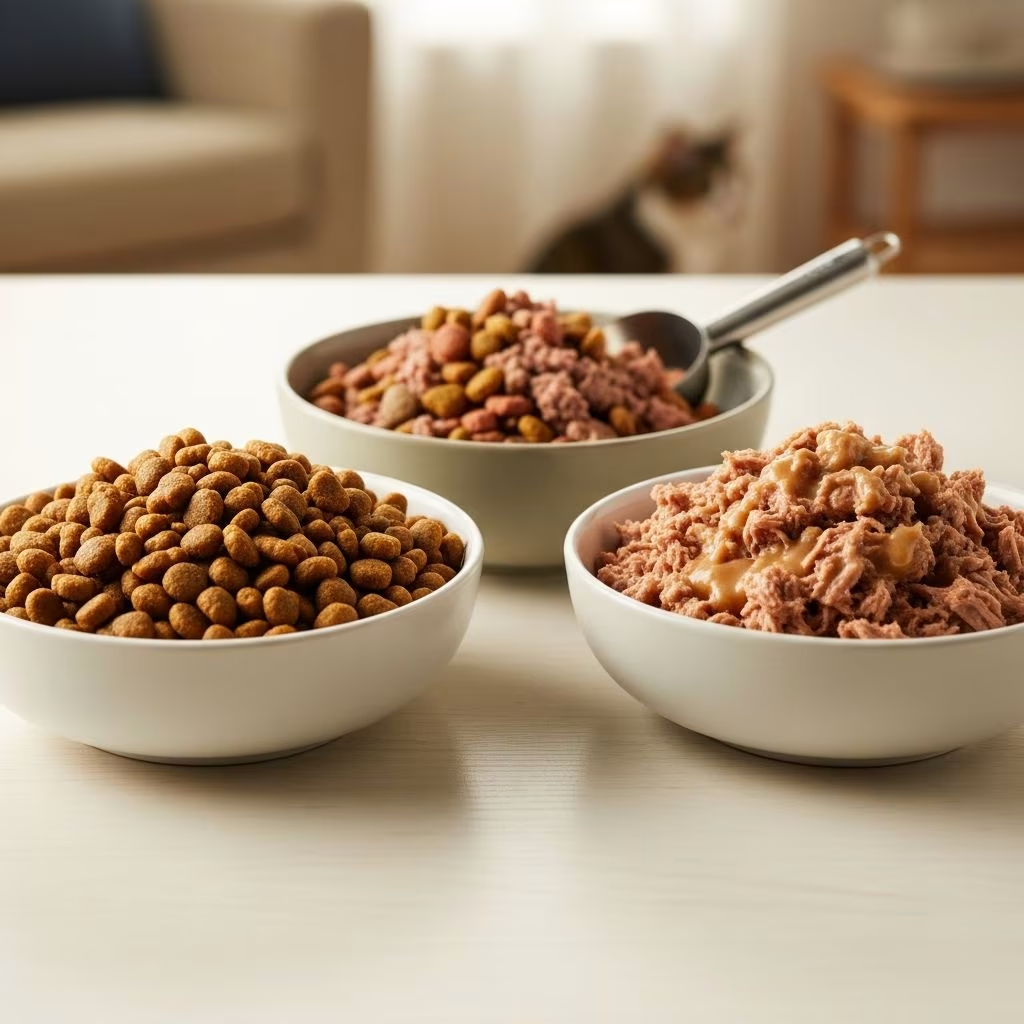
Combining wet and dry cat food offers a balanced approach to feline nutrition, merging the hydration benefits of wet varieties with the convenience and dental advantages of dry kibble. This strategy can improve overall health when done correctly, addressing common issues like low water intake and picky eating.
Understanding Wet and Dry Cat Food Basics
Wet cat food typically contains 75-80% moisture, making it an excellent source of hydration for cats that often drink insufficiently due to their desert ancestry. Dry food, by contrast, has only about 10% water but is nutrient-dense, economical, and promotes dental hygiene through its crunchy texture.
Cats evolved as obligate carnivores with low thirst drives, so incorporating wet food helps prevent urinary tract problems and kidney strain. High-quality options in both categories prioritize meat-based proteins over fillers like grains or by-products.
Key Advantages of Combined Feeding
Mixing these food types provides synergistic benefits that neither alone can fully deliver.
- Enhanced Hydration: Wet food’s high water content counters dehydration risks, vital for urinary and kidney health, especially in older cats.
- Improved Palatability: The aroma and texture of wet food entice finicky eaters, while dry adds crunch for variety.
- Weight Management: Wet food’s volume promotes satiety with fewer calories; dry’s density aids portion control.
- Dental Benefits: Kibble’s abrasion reduces tartar, complemented by wet food’s moisture to prevent dry kibble-related issues.
- Digestive Support: Moisture from wet aids digestion, fiber from dry promotes regularity.
Potential Drawbacks and How to Mitigate Them
While beneficial, mixed feeding has challenges like higher costs for wet food and spoilage risks.
| Aspect | Pros | Cons | Solutions |
|---|---|---|---|
| Cost | Dry is economical | Wet is pricier | Use 70% dry, 30% wet ratio |
| Storage | Dry lasts indefinitely | Wet spoils quickly | Refrigerate leftovers, discard after 30 min |
| Health | Balanced nutrition | Overfeeding risk | Measure precisely, follow guidelines |
Opt for premium brands without sugars or undefined by-products to ensure nutritional quality.
Finding the Perfect Mixing Ratio
The optimal wet-to-dry ratio varies by cat’s age, health, and activity. A standard starting point is 70-75% dry and 25-30% wet by weight, adjusting for very moist pates which may need less.
- Senior cats: Increase wet to 40% for extra moisture.
- Kittens: 60% dry for growth nutrients.
- Overweight cats: More wet for low-calorie fullness.
Consult a veterinarian for personalized ratios, as needs differ. Always weigh food—dry is calorie-dense despite low volume.
Practical Feeding Guidelines
Success hinges on consistent routines.
- Set Fixed Times: 2-3 meals daily prevents begging and overeating.
- Measure Accurately: Use scales; follow package calories adjusted for mixing.
- Mix in One Bowl: Combine fresh for each meal; remove uneaten after 30 minutes.
- Provide Fresh Water: Multiple bowls or fountains; clean daily.
- Transition Gradually: Introduce over 7-10 days to avoid tummy upset.
For multi-cat homes, feed separately to monitor intake.
Health Considerations for Special Needs Cats
Tailor mixes for specific conditions.
- Sensitive Stomachs: Stick to proven brands; slow changes.
- Urinary Issues: Prioritize wet for dilution.
- Diabetes Risk: Monitor carbs in dry; wet often lower.
- BARF Integration: Supplement carefully to balance nutrients.
Vets recommend annual check-ups to tweak diets based on bloodwork.
Choosing High-Quality Ingredients
Scan labels: Seek named meats first, avoid ‘meat meal’ ambiguities or grains as primaries. Wet food aromas should be natural, not overpowering. AAFCO statements ensure completeness.
Common Myths Debunked
- Myth: Dry cleans teeth completely. It helps but doesn’t replace brushing.
- Myth: Wet causes obesity. No—calories matter, not type.
- Myth: Can’t mix brands. Possible if nutritionally similar; transition slowly.
Frequently Asked Questions
Is mixing wet and dry food safe daily?
Yes, it’s a recommended practice for balance when portions are controlled.
Can I free-feed mixed meals?
No—risks obesity; use scheduled feedings.
How do I store leftovers?
Refrigerate opened wet cans up to 3 days; warm slightly before serving.
Does mixing help picky eaters?
Often yes, variety boosts appeal.
What if my cat rejects the mix?
Alternate meals or adjust ratios; vet check for health issues.
Long-Term Benefits for Feline Wellness
Consistent mixed feeding supports vitality into senior years by optimizing hydration, nutrition, and enjoyment. Track weight, coat shine, and litter output as health indicators.
References
- The Benefits of Mixing Wet and Dry Cat Food — Chewy. 2023. https://www.chewy.com/education/cat/food-and-nutrition/mixing-wet-dry-cat-food
- Mixing dry and wet cat food — the correct ratio is vital! — Green Petfood. 2024. https://www.green-petfood.com/en/posts/cat-guides/cat-guides-nutrition/mixing-dry-and-wet-cat-food–the-correct-ratio-is-vital
- Mixed Feeding (wet and Dry Food): Benefits for Cats and Dogs — Pet Direct. 2023. https://petdirect.co.nz/blog/mixed-feeding-wet-and-dry-food-benefits-for-cats-and-dogs
- Choosing to Feed Wet or Dry Cat Foods — Purina Institute. 2022. https://www.purinainstitute.com/centresquare/understanding-pet-food/choosing-to-feed-wet-or-dry-cat-foods
- Wet vs. Dry Cat Food, or Both? — PetMD. 2024. https://www.petmd.com/cat/nutrition/wet-cat-food-vs-dry-cat-food-which-better
- September Newsletter: Dry Food vs. Wet Food — Landings Animal Hospital. 2023. https://landingsanimalhospital.com/articles/928656-september-newsletter-dry-food-vs-wet-food-which-is-better-for-your-cat
- Dry foods and risk of disease in cats — PMC – NIH. 2008-06-01. https://pmc.ncbi.nlm.nih.gov/articles/PMC2387258/



